Global Acrylic Acid Market
Analysis by Derivative (Glacial Acrylic Acid, Butyl Acrylate, Ethyl Acrylate, 2-Ethylhexyl Acrylate, Methyl Acrylate), Application, End User and Region


Analysis by Derivative (Glacial Acrylic Acid, Butyl Acrylate, Ethyl Acrylate, 2-Ethylhexyl Acrylate, Methyl Acrylate), Application, End User and Region
The Global Acrylic Acid Market recorded a consumption volume of 7,923.1 kilo tons in 2024 and is estimated to reach 11,725.9 kilo tons by 2032, registering a CAGR of 5.3% during the 2026 to 2032 forecast period. In value terms, the market was valued at US$12.28 billion in 2024 and US$12.63 billion in 2025, and is projected to reach US$15.71 billion by 2032 at a CAGR of 3.4%. The gap between volume growth and value growth is the defining feature of the market outlook. Demand for acrylic acid and its derivatives continues to expand steadily across coatings, adhesives, sealants, hygiene products and agricultural applications, but a structural expansion of production capacity, particularly in Asia, is placing sustained downward pressure on average selling prices through the first half of the forecast period.
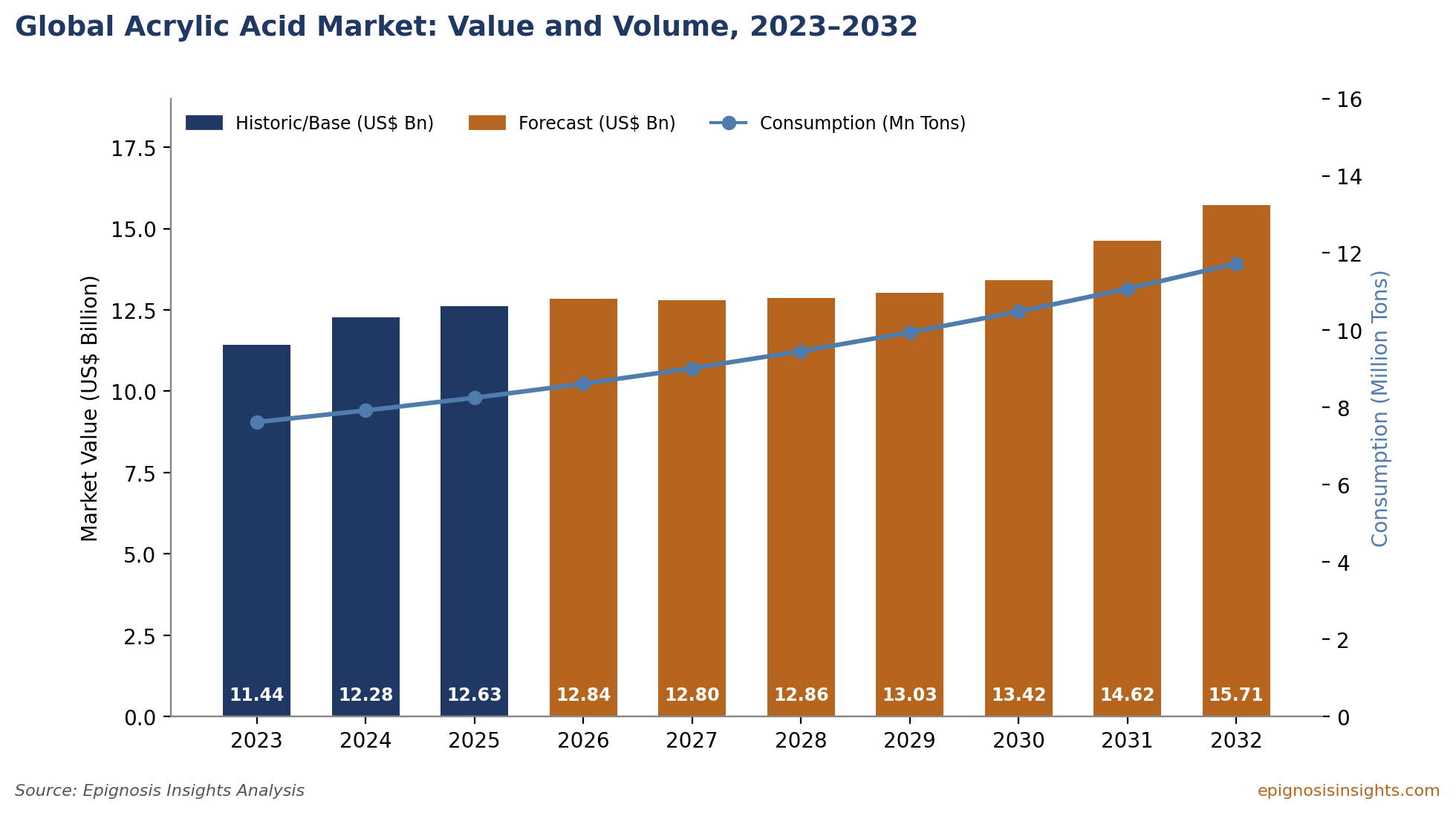
Figure 1: Global Acrylic Acid Market Value (US$ Billion) and Consumption (Million Tons), 2023–2032
The market trajectory can be divided into three distinct phases. Between 2023 and 2025, revenue expanded from US$11.44 billion to US$12.63 billion as volumes increased and average prices remained elevated in the US$1,500 to US$1,550 per ton range. Between 2026 and 2029, the market enters a plateau phase in which revenue moves within a narrow band of US$12.80 billion to US$13.03 billion. During this period, annual volume growth accelerates from 4.4% to 5.1%, but the average price declines from US$1,490 per ton to US$1,310 per ton, almost fully offsetting the volume gain. The market even records a marginal revenue decline of 0.3% in 2027, despite consumption growing by 4.7% in the same year. From 2030 onwards, the market enters a recovery phase. Prices bottom out at US$1,280 per ton in 2030 and recover to US$1,340 per ton by 2032, while volume growth reaches 5.9% in the final year. This combination produces revenue growth of 8.9% in 2031 and 7.5% in 2032, the strongest annual increases over the entire assessment period.
For producers, this outlook implies that the next four years will reward cost position rather than volume ambition. Companies with integrated propylene supply, world-scale plants and captive downstream consumption are better placed to defend margins during the plateau phase, while stand-alone merchant producers face greater exposure to price competition. For buyers in coatings, adhesives and hygiene products, the plateau phase represents a favourable procurement environment, although the expected price recovery after 2030 suggests that long-term contracts signed at cyclical lows may carry renegotiation risk later in the decade.
Glacial acrylic acid, the high purity grade of the monomer, is the single largest derivative segment, valued at US$5.06 billion in 2025 and projected to reach US$6.23 billion by 2032. Within this segment, superabsorbent polymers account for approximately 67.3% of demand, equivalent to US$3.40 billion in 2025, while polyacrylic acid polymers account for the remaining 32.7%, or US$1.66 billion. Superabsorbent polymers are the critical absorbent material in baby diapers, adult incontinence products and feminine hygiene products, and they are also increasingly used in agriculture for soil moisture retention. This makes glacial acrylic acid demand closely linked to population structure, hygiene product penetration and agricultural water management rather than to the industrial cycle alone.
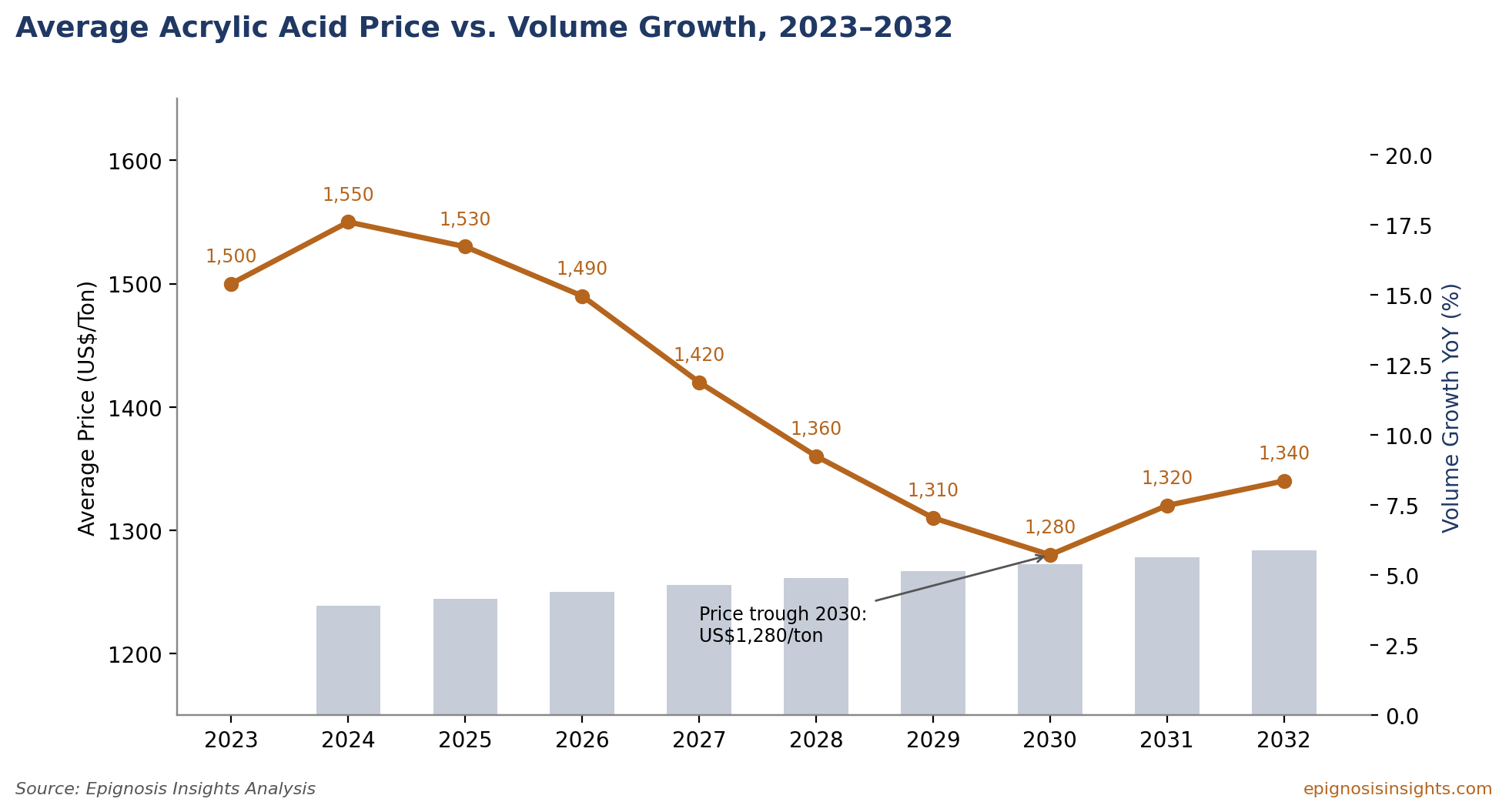
Figure 2: Glacial Acrylic Acid Demand by Downstream Polymer (US$ Billion), 2023–2032
Demographic change is a particularly important long-term driver for this segment. According to the United Nations Department of Economic and Social Affairs, the global population aged 65 years and older is projected to reach 2.2 billion by the late 2070s, at which point it will exceed the number of children under the age of 18. For the acrylic acid market, this transition gradually shifts superabsorbent polymer demand from baby care towards adult incontinence products, which typically use larger absorbent cores per unit. Ageing populations in Japan, Europe, China and North America therefore provide a structural support for glacial acrylic acid consumption, even in countries where birth rates are declining.
The Epignosis Insights forecast reflects this support. The hygiene products application is the fastest growing application segment, expanding from US$1.75 billion in 2025 to US$2.33 billion by 2032 at a 4.5% CAGR, and its share of total market value increases from 13.8% to 14.8%. Agriculture, which includes superabsorbent polymer use for water retention and controlled release fertilizer systems, is the fastest growing end user segment at a 4.1% CAGR, rising from US$2.13 billion in 2025 to US$2.78 billion by 2032. Polyacrylic acid polymers, used in water treatment, detergent builders, dispersants and personal care thickeners, grow slightly faster than superabsorbent polymers at 3.7% compared with 3.0%, reflecting rising investment in industrial and municipal water treatment across emerging economies.
The most significant challenge for the acrylic acid market is the rapid expansion of production capacity in Asia, which has run ahead of demand growth and is compressing prices and margins across the value chain. Chinese industry data published by SunSirs indicates that China's total acrylic acid capacity had increased to 4.4 million tons by the end of June 2025, representing more than half of global capacity. New world-scale projects continue to be commissioned. BASF announced in July 2025 that it had achieved mechanical completion of the glacial acrylic acid and butyl acrylate plants at its new Verbund site in Zhanjiang, China, adding a fully backward integrated acrylics complex to the regional supply base.
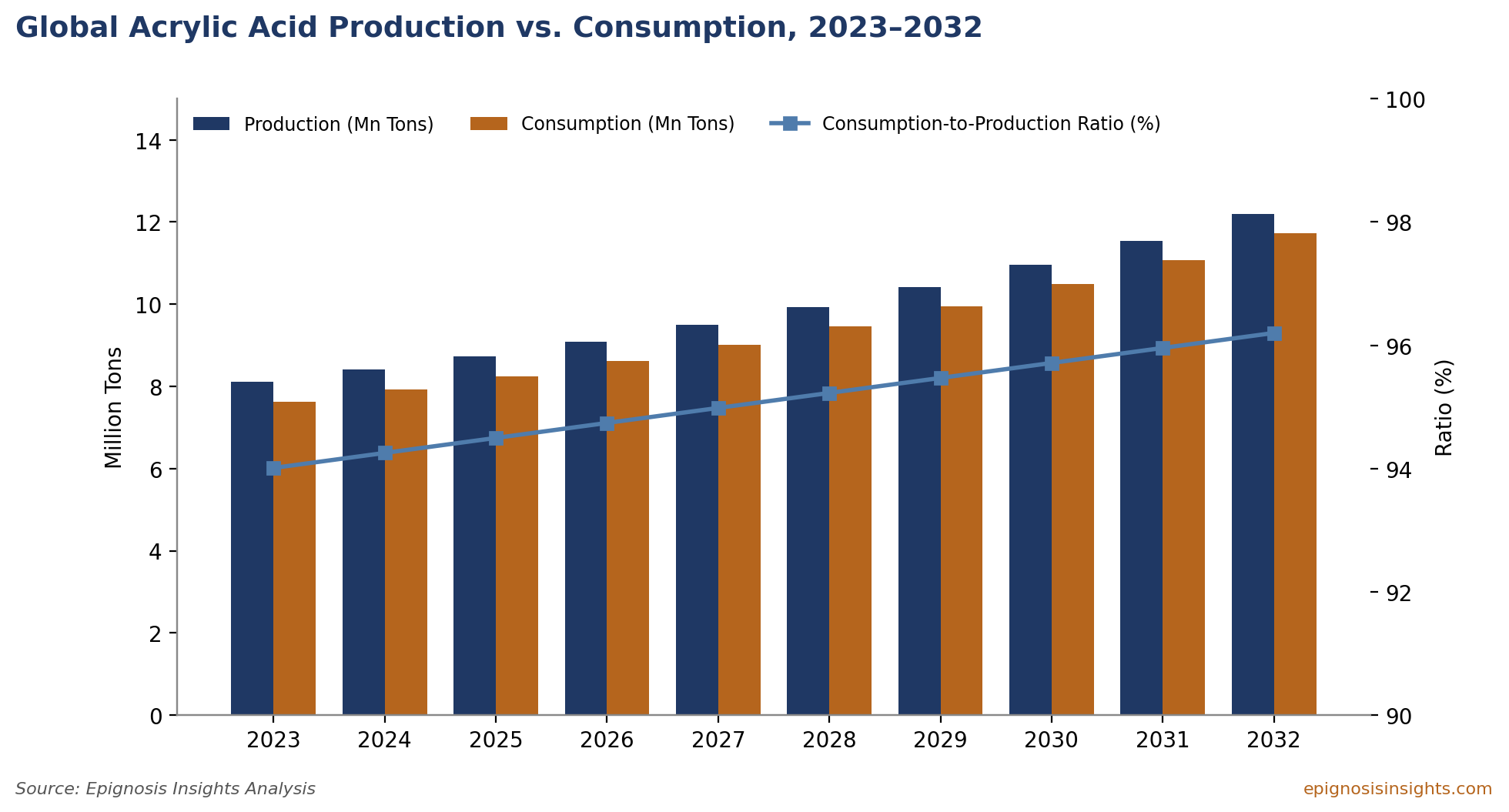
Figure 3: Global Acrylic Acid Production vs. Consumption (Million Tons), 2023–2032
The impact of this capacity wave is visible in operating rates and trade flows. Analysis published by ResourceWise indicates that acrylic acid and acrylate capacity utilization has hovered at or below 75% in the current cycle, and that new downstream units such as the 150 ktpa butyl acrylate plant commissioned by Indian Oil at its Gujarat refinery complex, equivalent to around 84 ktpa of acrylic acid demand, are being absorbed into an already well supplied market. S&P Global Commodity Insights has similarly reported that ample supply from China and the Middle East has kept acrylic monomer markets under pressure, with some Chinese producers expected to reduce operating rates in response to persistent oversupply.
For the global acrylic acid market, the consequence is a sustained period of price deflation. The Epignosis Insights forecast shows average prices declining by approximately 17.4% between 2024 and 2030, from US$1,550 per ton to US$1,280 per ton. The price decline is not evenly distributed. Producers in North America and Europe, which face higher energy and feedstock costs, are increasingly exposed to import competition from lower cost Asian supply, while Asian producers compete aggressively on export markets to place surplus volumes. This environment is likely to accelerate rationalisation of older and sub-scale plants in high cost regions, supporting a gradual price recovery after 2030 as supply and demand rebalance.
Pricing is the most important variable shaping revenue outcomes in the acrylic acid market because volume growth is relatively predictable while price levels are highly sensitive to capacity additions, propylene costs and regional trade flows. The Epignosis Insights supply-demand model estimates global acrylic acid production at 8,733.2 kilo tons in 2025 against consumption of 8,252.5 kilo tons, giving a consumption-to-production ratio of approximately 94.5%. By 2032, production is projected to reach 12,189.1 kilo tons and consumption 11,725.9 kilo tons, with the ratio improving to 96.2%. The absolute surplus between production and consumption narrows only marginally, from approximately 481 kilo tons in 2025 to 463 kilo tons in 2032, which indicates that the market remains structurally well supplied throughout the forecast period.
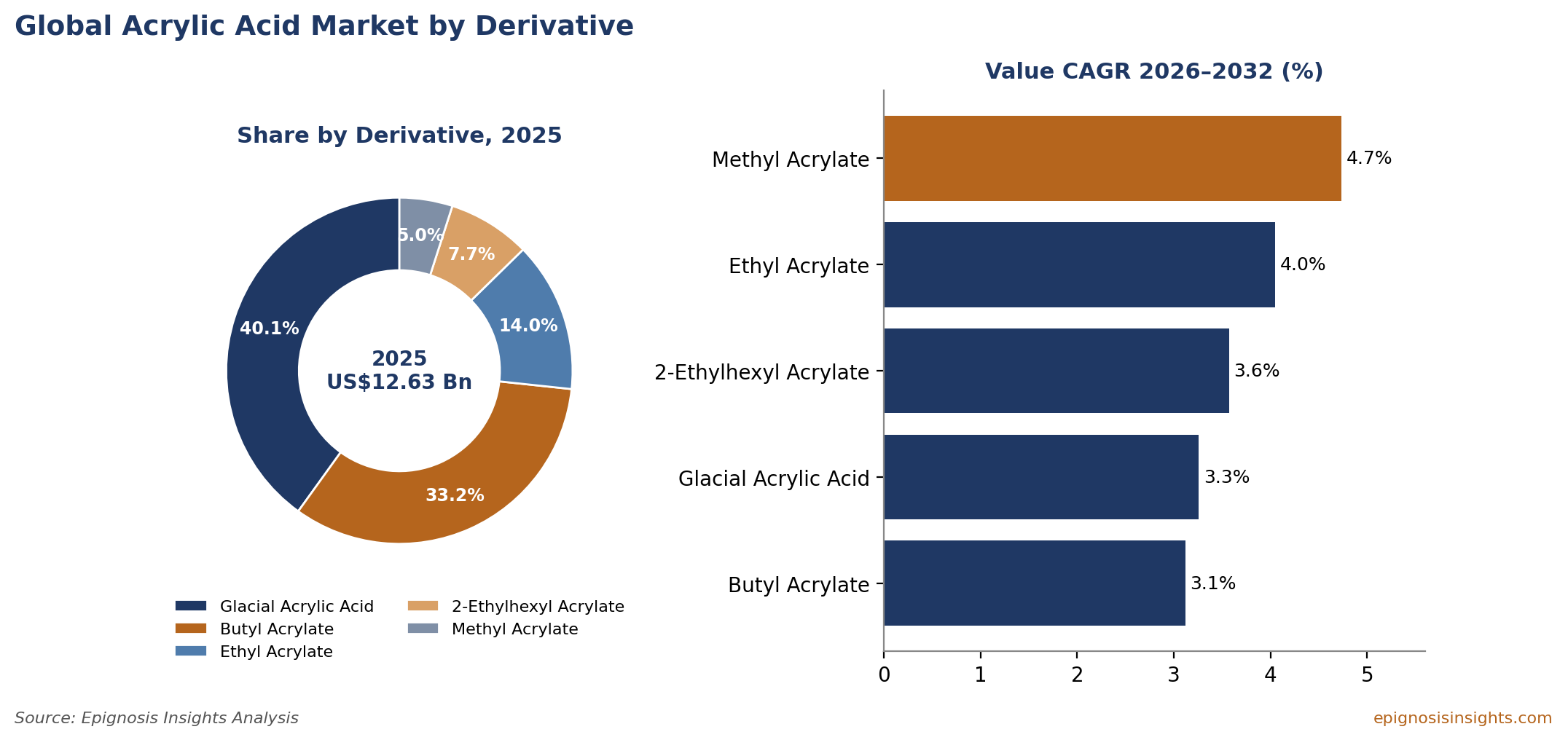
Figure 4: Average Acrylic Acid Price (US$/Ton) vs. Annual Volume Growth (%), 2023–2032
The price outlook reflects this balance. The average global price is expected to fall by approximately 1.8% per year on a compounded basis between 2026 and 2032, but the path is non-linear. The steepest declines occur between 2026 and 2028, when prices fall by US$70 and US$60 per ton respectively as the latest wave of Asian capacity reaches full operation. The rate of decline then moderates, and prices recover by US$40 per ton in 2031 and US$20 per ton in 2032 as the narrowing gap between capacity additions and demand growth improves producer pricing power.
Regional price dispersion is also significant. Indicative spot assessments compiled by Epignosis Insights show acrylic acid trading at approximately US$1,760 per ton in North America, US$1,240 per ton in Europe, US$1,020 per ton in Northeast Asia and US$1,010 per ton in Southeast Asia, giving a simple average of approximately US$1,258 per ton. The premium of roughly US$740 per ton between North America and Asian markets reflects differences in feedstock economics, logistics, regulatory requirements and the degree of import competition in each region. For global buyers, this dispersion creates arbitrage opportunities, while for producers in high price regions it represents a growing competitive threat as Asian exporters seek outlets for surplus supply.
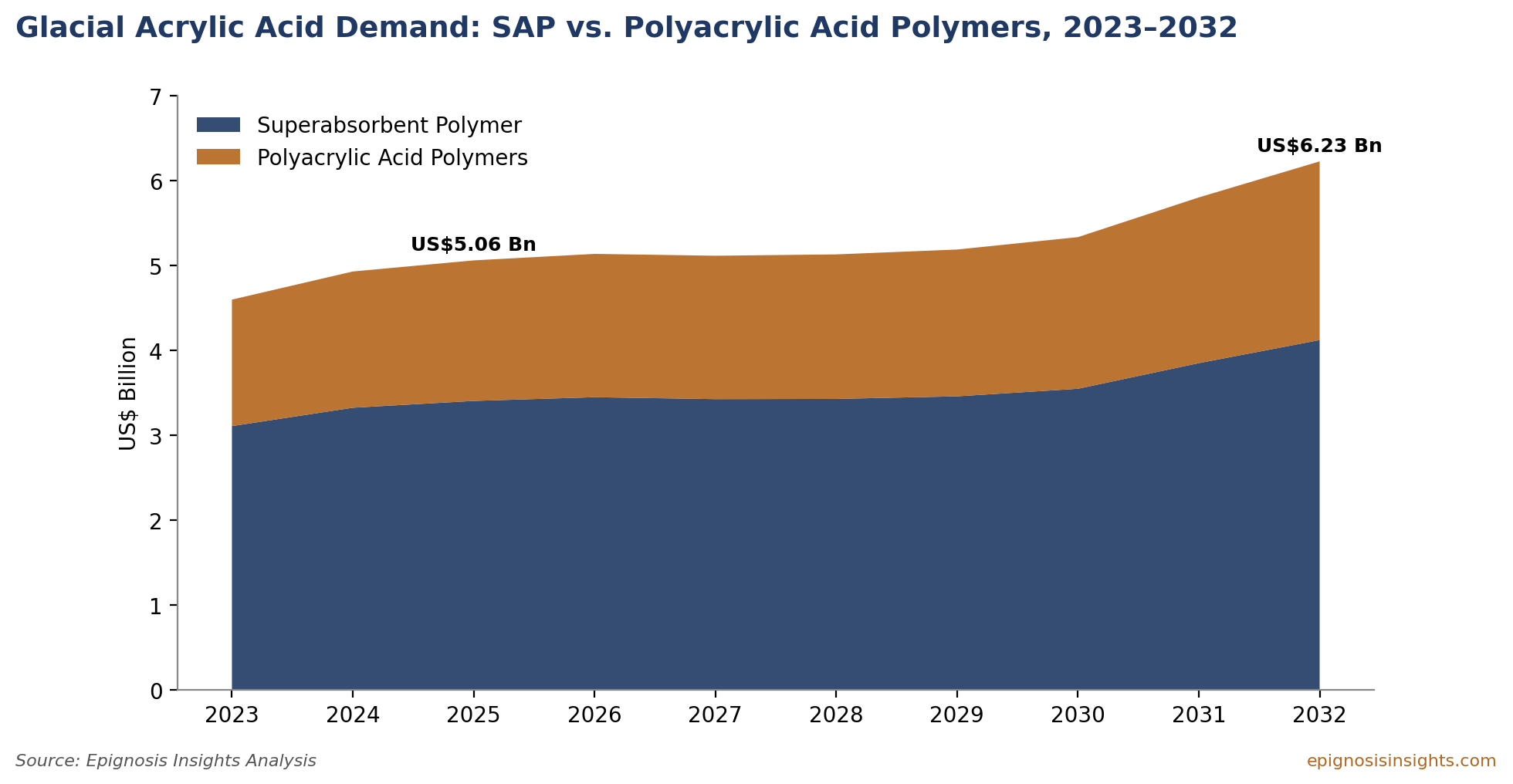
Figure 5: Indicative Regional Acrylic Acid Price Spread (US$/Ton)
Feedstock cost remains the most important single determinant of acrylic acid production economics. Conventional acrylic acid is produced through the two step catalytic oxidation of propylene, first to acrolein and then to acrylic acid, which means that propylene typically represents the largest share of cash production cost. Producers with integrated steam crackers or propane dehydrogenation units can capture margin across the chain and withstand weak monomer prices more effectively than merchant producers buying propylene on the open market. This integration advantage is likely to become more pronounced during the 2026 to 2029 plateau phase.
Glacial acrylic acid leads the derivative landscape with a 40.1% share of 2025 market value, followed by butyl acrylate at 33.2%, ethyl acrylate at 14.0%, 2-ethylhexyl acrylate at 7.7% and methyl acrylate at 5.0%. Butyl acrylate, valued at US$4.20 billion in 2025, is the most important acrylate ester because it is the primary soft monomer in water-based architectural coatings, pressure sensitive adhesives and sealants. However, its growth is the slowest among derivatives at a 3.1% CAGR, reflecting its maturity and close dependence on construction activity.
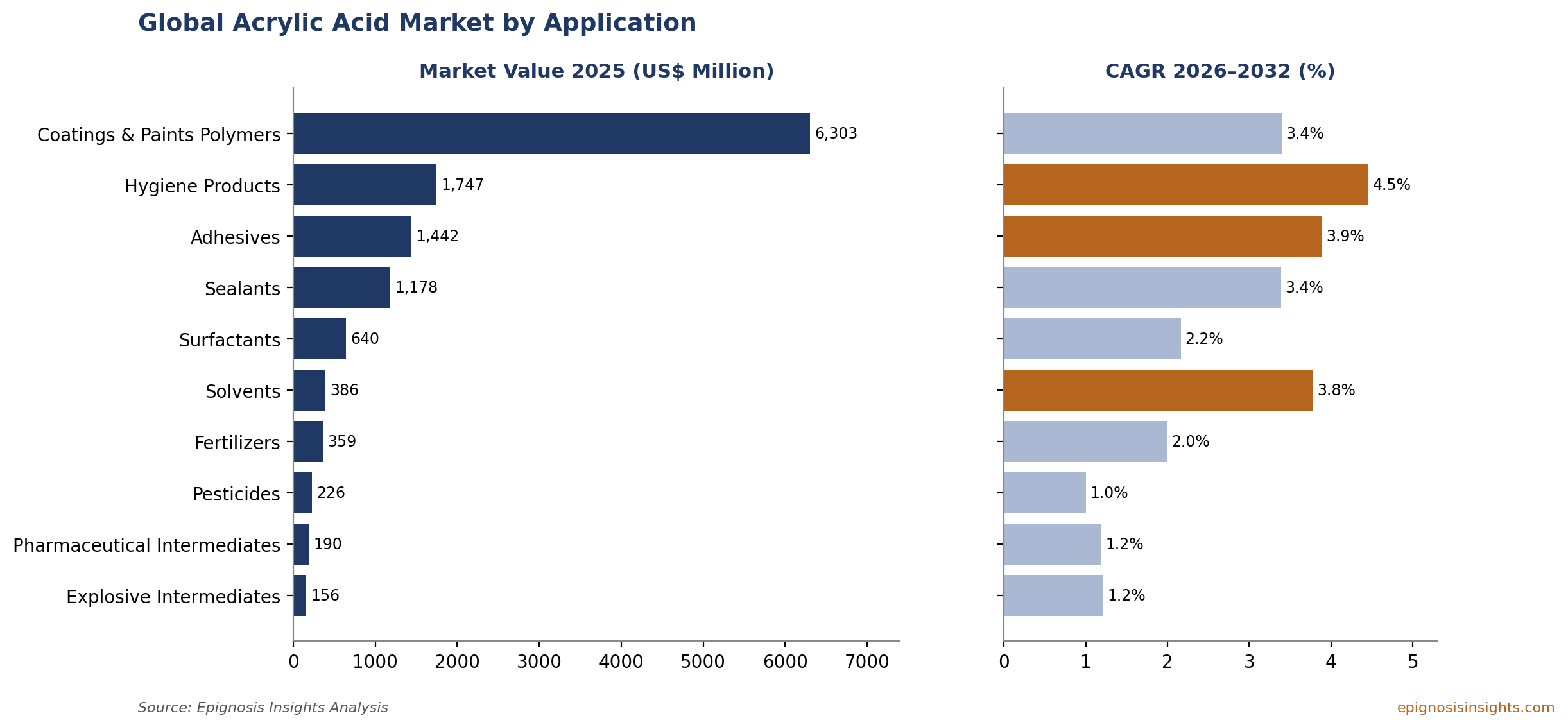
Figure 6: Global Acrylic Acid Market Share by Derivative (2025) and Value CAGR (2026–2032)
Methyl acrylate is the fastest growing derivative at a 4.7% CAGR, increasing from US$625.2 million in 2025 to US$850.1 million by 2032, supported by its use in specialty coatings, textile finishes, acrylic fibers and pharmaceutical and chemical intermediates. Ethyl acrylate follows at a 4.0% CAGR, reaching US$2.30 billion by 2032, driven by paints, latex polymers and textile applications. 2-Ethylhexyl acrylate grows at a 3.6% CAGR to US$1.22 billion by 2032, supported by its role in flexible pressure sensitive adhesives for labels, tapes and protective films, a segment linked to e-commerce packaging growth.
Coatings and paints polymers represent the largest application, valued at US$6.30 billion in 2025 and accounting for 49.9% of total market value. This application is projected to reach US$7.83 billion by 2032 at a 3.4% CAGR, broadly in line with the overall market. The continued substitution of solvent-borne systems by waterborne acrylic emulsions, encouraged by volatile organic compound regulations in Europe, North America and increasingly in Asia, ensures that acrylic acid derivatives remain central to architectural, industrial and automotive coatings.
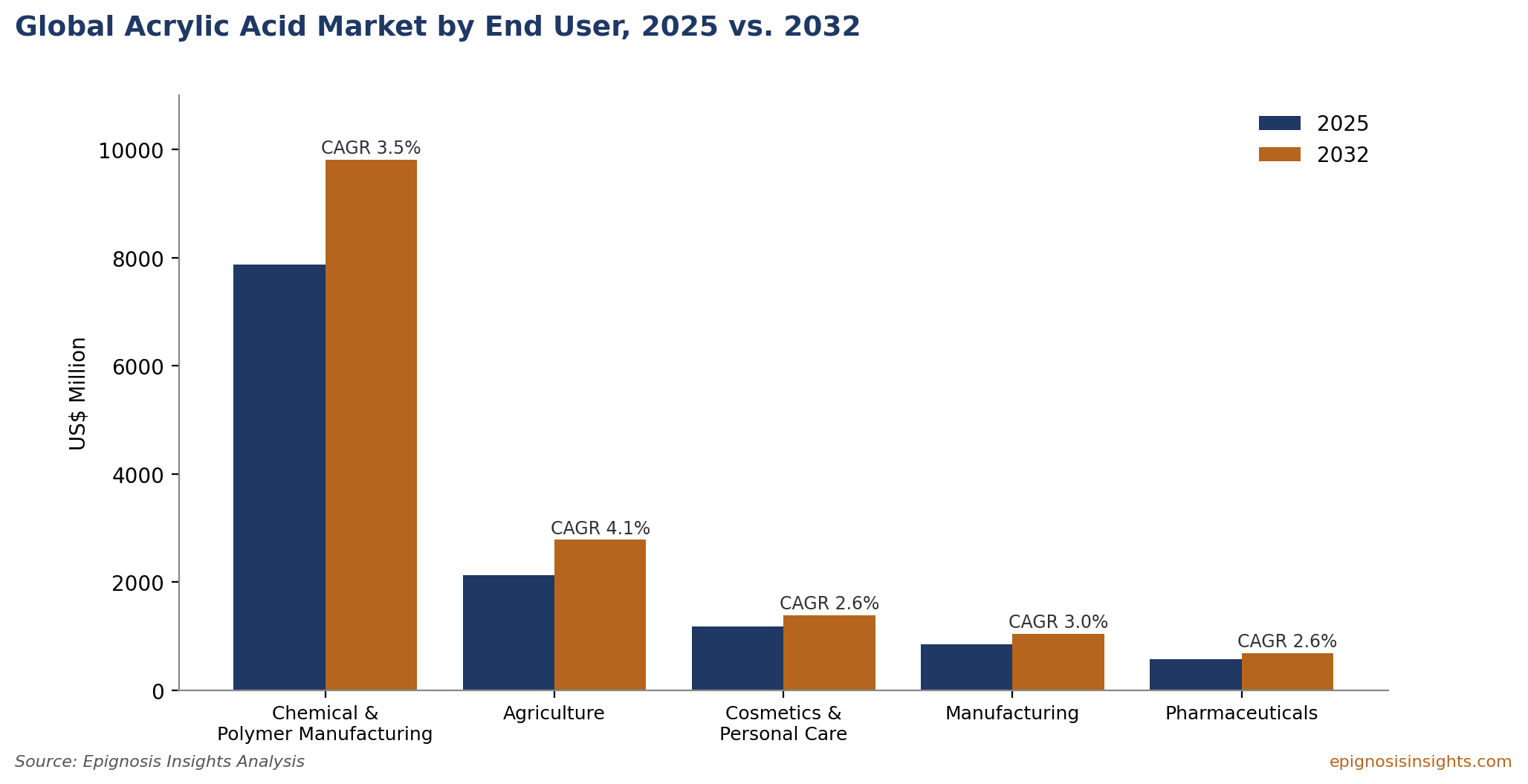
Figure 7: Global Acrylic Acid Market by Application – 2025 Value and 2026–2032 CAGR
Beyond coatings, hygiene products at 13.8%, adhesives at 11.4% and sealants at 9.3% together account for more than one third of demand. Adhesives grow at a 3.9% CAGR, supported by packaging, construction and automotive assembly, while solvents grow at 3.8%. Smaller applications including surfactants, fertilizers, pesticides, pharmaceutical intermediates and explosive intermediates together represent less than 13% of demand and grow at between 1.0% and 2.2% per year, reflecting their mature or niche status. Pesticides, at a 1.0% CAGR, is the slowest growing application.
Chemical and polymer manufacturing is the dominant end user, accounting for 62.3% of 2025 market value at US$7.87 billion and projected to reach US$9.81 billion by 2032. This segment captures the conversion of acrylic acid into esters, emulsions, superabsorbent polymers and specialty polymers. Agriculture is the second largest and fastest growing end user at US$2.13 billion in 2025 and a 4.1% CAGR. Cosmetics and personal care products at US$1.18 billion, manufacturing at US$858.7 million and pharmaceuticals at US$583.8 million complete the end user landscape.
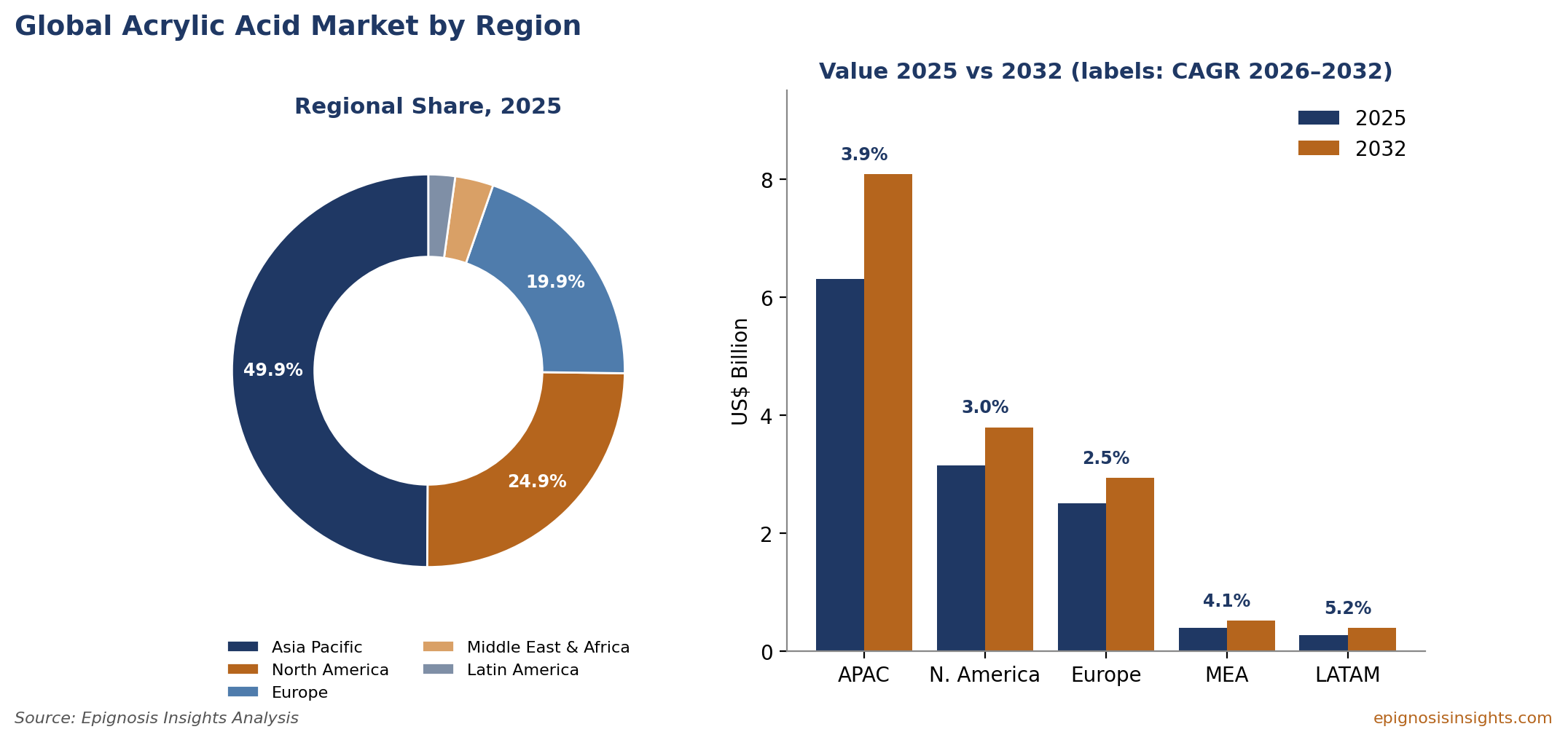
Figure 8: Global Acrylic Acid Market by End User, 2025 vs. 2032 (US$ Million)
Asia Pacific is the largest regional market, valued at US$6.30 billion in 2025 and projected to reach US$8.08 billion by 2032 at a 3.9% CAGR. The region's share of global value increases from 49.9% in 2025 to 51.4% by 2032. China alone accounts for US$3.50 billion in 2025, or more than one quarter of the global market, and is projected to reach US$4.45 billion by 2032 at a 3.7% CAGR. Japan follows at US$1.00 billion in 2025, while India, valued at US$838.6 million in 2025, is the fastest growing major Asian market at a 4.7% CAGR, supported by rising coatings consumption, hygiene product penetration and new domestic downstream capacity.
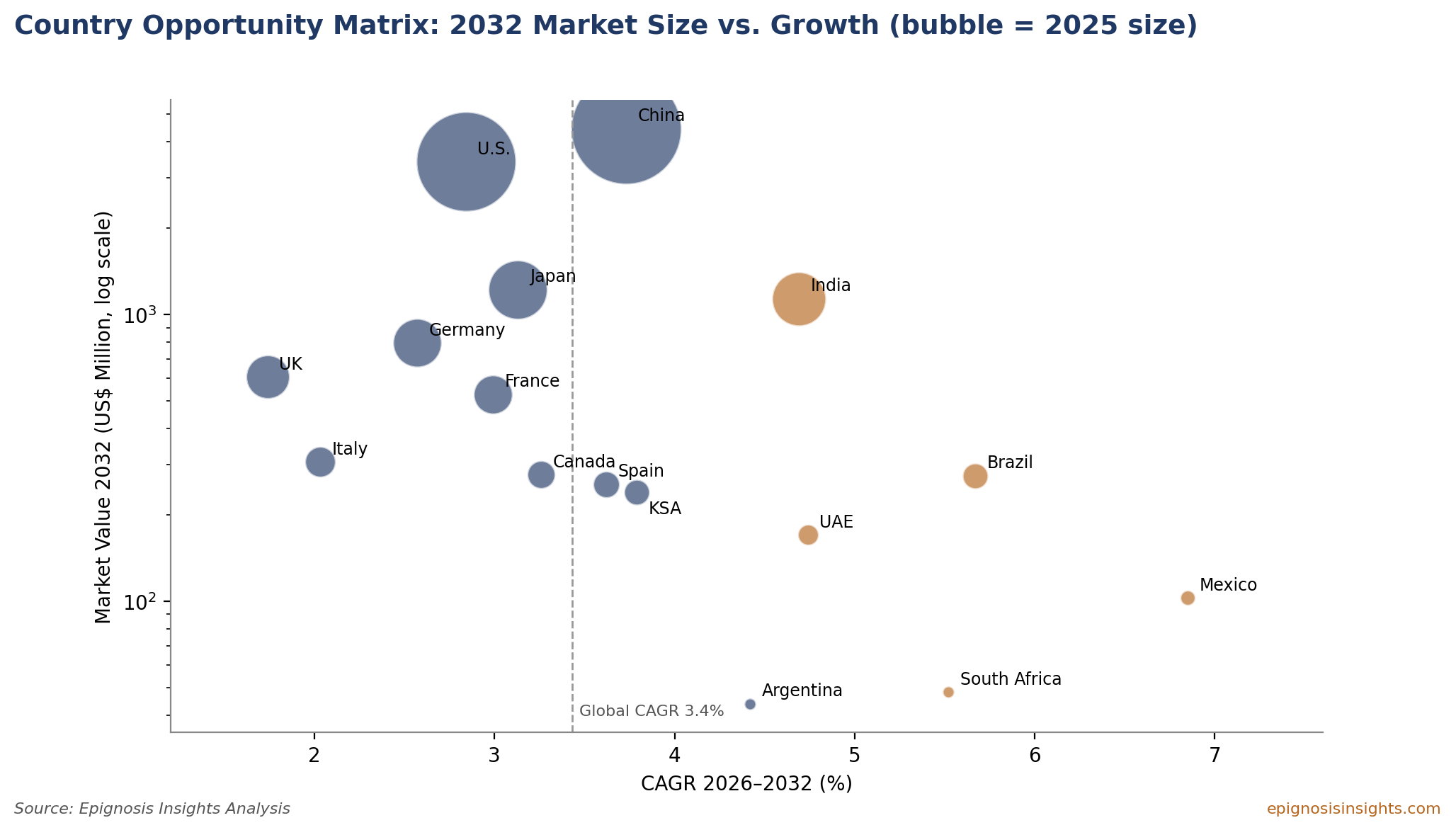
Figure 9: Global Acrylic Acid Market by Region – 2025 Share and 2025 vs. 2032 Value
North America is the second largest region at US$3.14 billion in 2025, growing at a 3.0% CAGR to US$3.79 billion by 2032. The U.S. represents approximately 90.8% of regional value in 2025, while Mexico, although small at US$65.4 million in 2025, is the fastest growing country market globally at a 6.9% CAGR, supported by nearshoring of manufacturing and growth in coatings and adhesives demand. Europe, valued at US$2.51 billion in 2025, is the slowest growing region at a 2.5% CAGR, with Germany, the UK and France accounting for the largest national markets and Spain growing fastest at 3.6%.
Latin America and the Middle East and Africa are smaller but faster growing regions. Latin America is projected to grow at a 5.2% CAGR from US$276.6 million in 2025 to US$389.4 million by 2032, with Brazil growing at 5.7%. The Middle East and Africa is expected to grow at a 4.1% CAGR, with Saudi Arabia, the UAE and South Africa the key markets and South Africa growing fastest at 5.5%.
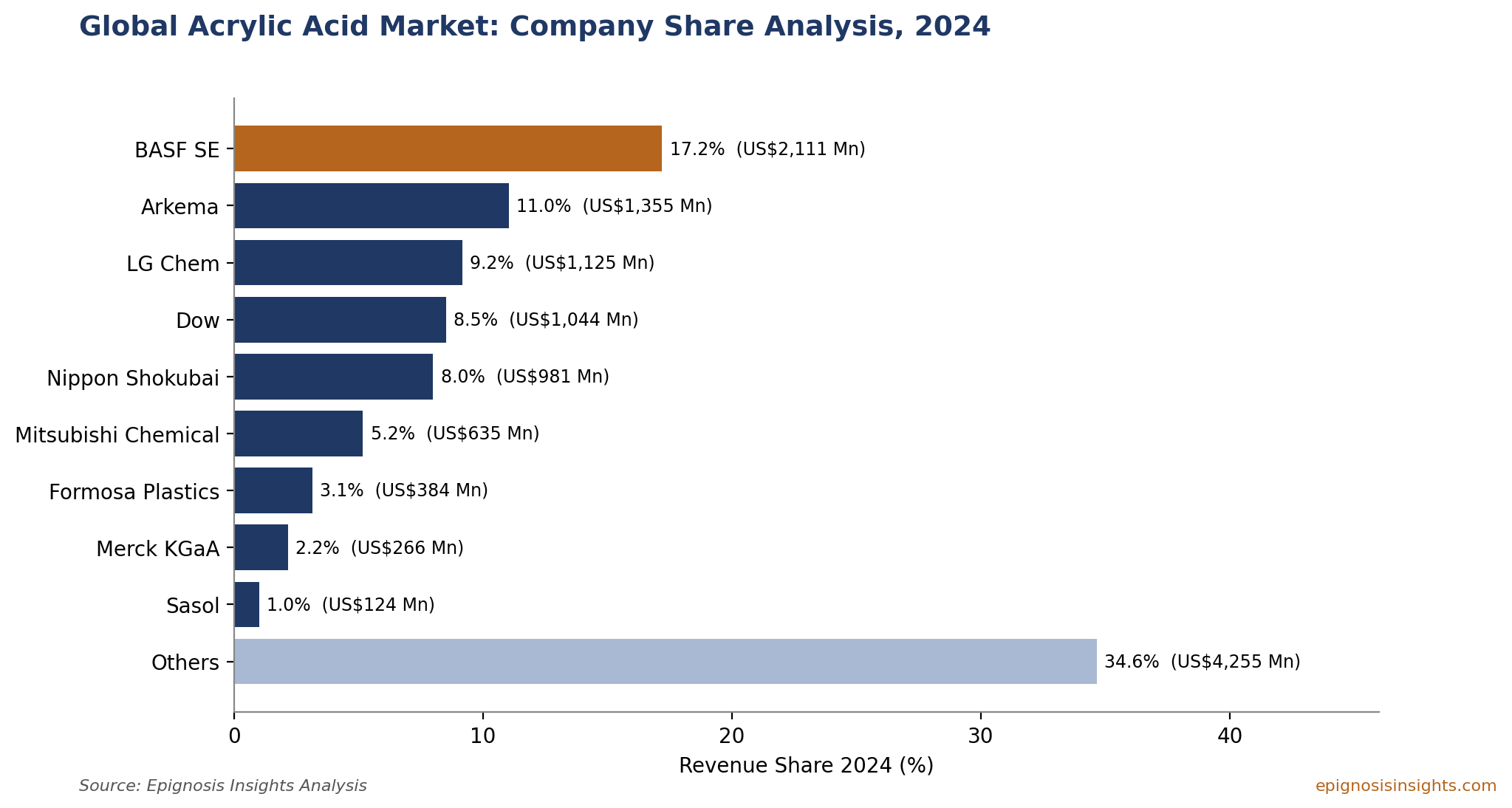
Figure 10: Country Opportunity Matrix – 2032 Market Size vs. 2026–2032 CAGR
The country opportunity matrix highlights two distinct strategic groups. China, the U.S., Japan and Germany represent scale markets where competitive success depends on cost position, customer relationships and product quality. India, Mexico, Brazil, the UAE and South Africa represent growth markets where demand is expanding faster than the global average and where early investment in distribution, technical service and local downstream partnerships can secure long term share.
The commercial acrylic acid industry is built almost entirely on the propylene oxidation route, in which propylene is oxidised over mixed metal oxide catalysts to acrolein and then to acrylic acid, followed by purification to crude or glacial grade. Technology competition within this route focuses on catalyst selectivity, catalyst life, energy recovery and purification efficiency, since small improvements in yield translate into meaningful cost advantages at world scale. Producers that license proprietary catalyst and process technology also gain a competitive advantage from their ability to replicate efficient plants across multiple sites.
Bio-based acrylic acid represents the most important technology development in the market. Alternative routes using glycerol, lactic acid and 3-hydroxypropionic acid derived from fermentation of plant-based sugars have been studied for many years but have struggled to reach commercial scale. LG Chem announced in February 2025 that it had launched prototype production of 100% bio-acrylic acid derived from 3-hydroxypropionic acid, with an initial capacity of 100 tons per year and a USDA Certified Biobased Product label, targeting cosmetics, superabsorbent polymers, adhesives and coatings customers in North America and Europe. Although this volume is negligible relative to global demand of more than 8 million tons, it signals that bio-based acrylic acid with identical molecular properties is technically achievable.
For the acrylic acid market, the near-term commercial opportunity for bio-based material lies in premium applications where brand owners are willing to pay for reduced carbon footprints, such as cosmetics, premium diapers and eco-labelled paints. Mass-market adoption will depend on whether fermentation-based routes can approach the cost of propylene oxidation, which remains unlikely within the 2032 forecast horizon given the current price environment. Mass balance approaches, in which bio-based or recycled feedstocks are introduced into existing crackers and allocated to certified products, are therefore likely to remain the more practical route to lower-carbon acrylic acid for most producers in the medium term.
Key companies analyzed within the global acrylic acid market are: BASF SE, Arkema, LG Chem, Dow, Nippon Shokubai Co. Ltd, Mitsubishi Chemical Corporation, Formosa Plastics Corporation, Merck KGaA, Sasol and others.
The market is moderately consolidated. The nine leading companies accounted for approximately 65.4% of global revenue in 2024, while the remaining 34.6% is distributed among a large group of regional producers, many of them in China. BASF SE leads with a 17.2% share, equivalent to approximately US$2.11 billion in 2024 acrylic acid revenue, supported by production in Europe, North America, South America and Asia and a broad downstream portfolio of acrylate esters, superabsorbent polymers and dispersions. Arkema follows with an 11.0% share at approximately US$1.35 billion, and LG Chem ranks third with 9.2% at approximately US$1.12 billion. Dow at 8.5% and Nippon Shokubai at 8.0% complete the top five, followed by Mitsubishi Chemical at 5.2%, Formosa Plastics at 3.1%, Merck KGaA at 2.2% and Sasol at 1.0%.
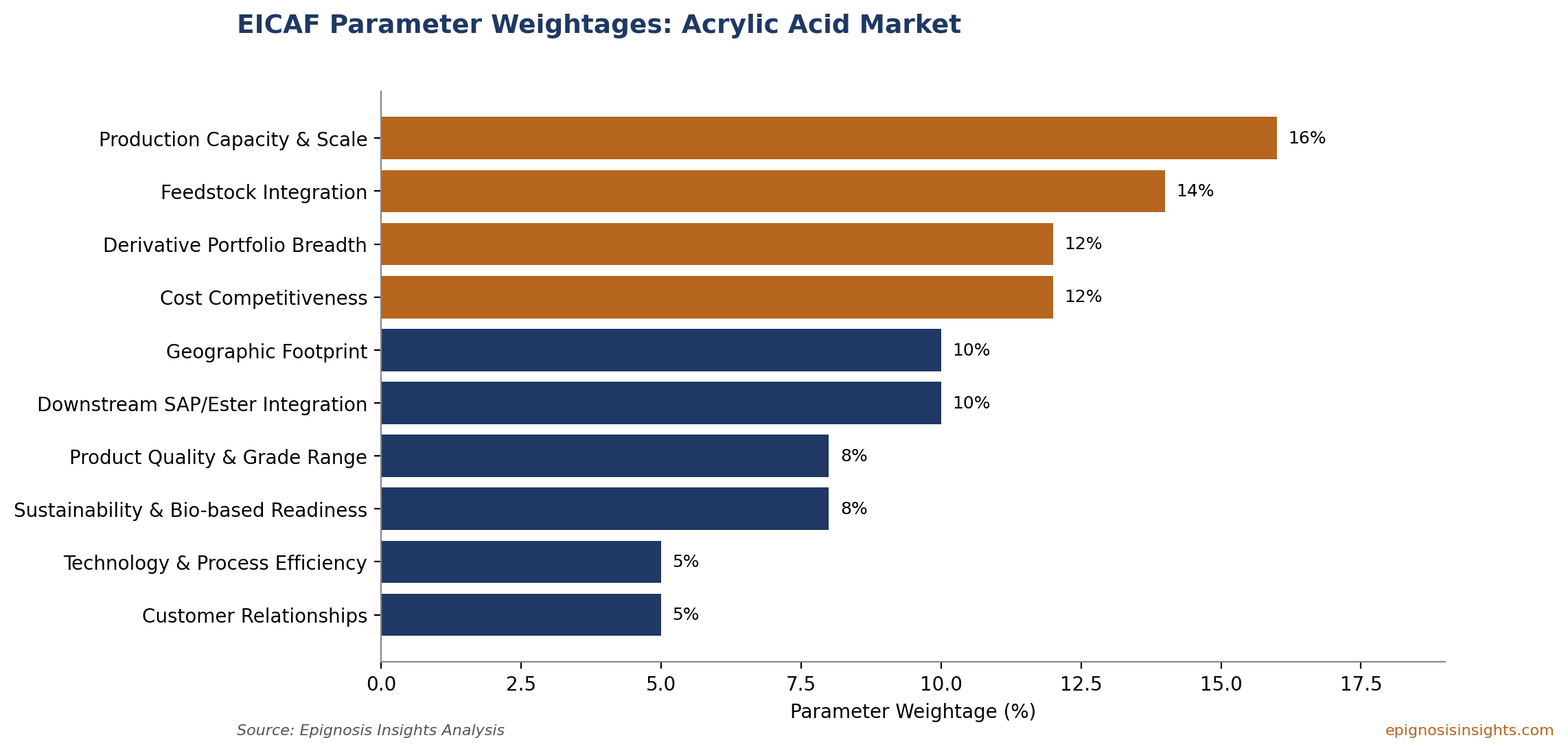
Figure 11: Global Acrylic Acid Market – Company Share Analysis, 2024
Between 2023 and 2024, BASF, Arkema, LG Chem, Nippon Shokubai, Mitsubishi Chemical, Formosa Plastics, Merck KGaA and Sasol all marginally increased their shares, while Dow's share eased from 8.6% to 8.5% and the share of other producers declined from 35.1% to 34.6%. Strategic positioning varies considerably. Integrated majors such as BASF and LG Chem combine propylene supply, acrylic acid production and downstream superabsorbent polymer or ester capacity. Nippon Shokubai is strongly positioned in superabsorbent polymers and has expanded acrylic acid capacity in Southeast Asia, while regional producers in China compete primarily on cost and scale in commodity grades.
The Epignosis Insights Competitive Assessment Framework EICAF for the global acrylic acid market evaluates companies across 10 weighted parameters covering scale, cost position, integration, portfolio, reach and sustainability. Production capacity and scale receives the highest weighting at 16% because world-scale plants determine unit cost in a commodity monomer market.
Feedstock integration receives 14%, reflecting the importance of secure and low cost propylene supply during periods of weak pricing. Derivative portfolio breadth and cost competitiveness each receive 12%, while geographic footprint and downstream integration into superabsorbent polymers and acrylate esters each receive 10%. Product quality and grade range and sustainability and bio-based readiness each receive 8%, and technology and process efficiency and customer relationships each receive 5%. The total weighting equals 100%.
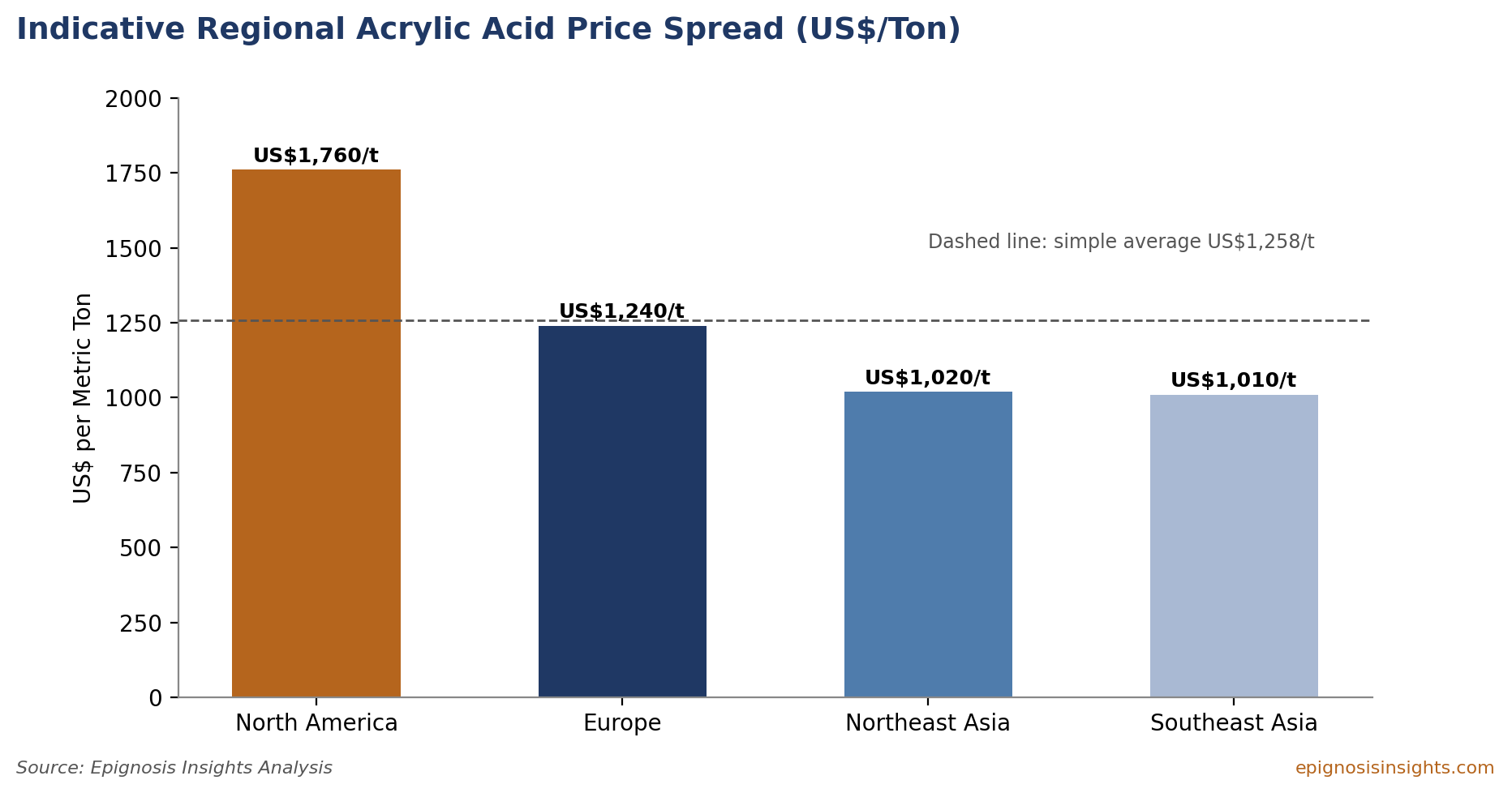
Figure 12: EICAF Parameter Weightages for the Global Acrylic Acid Market
Each company is assigned a score from 1 to 5 against every parameter, with the weighted score calculated as Company Score × Parameter Weightage. The resulting EICAF score provides a structured comparison of competitive capabilities without relying solely on revenue or market share. This approach is particularly relevant to the acrylic acid market because companies compete through different models, including fully integrated petrochemical value chains, specialist superabsorbent polymer producers, regional commodity suppliers and laboratory and specialty grade distributors, and because cost position and integration are likely to determine competitive outcomes during the 2026 to 2029 price plateau.