
Samsung Retains India’s Top Brand Awareness Score in Q2 2026, But Value Perception Gap Signals Next Battleground
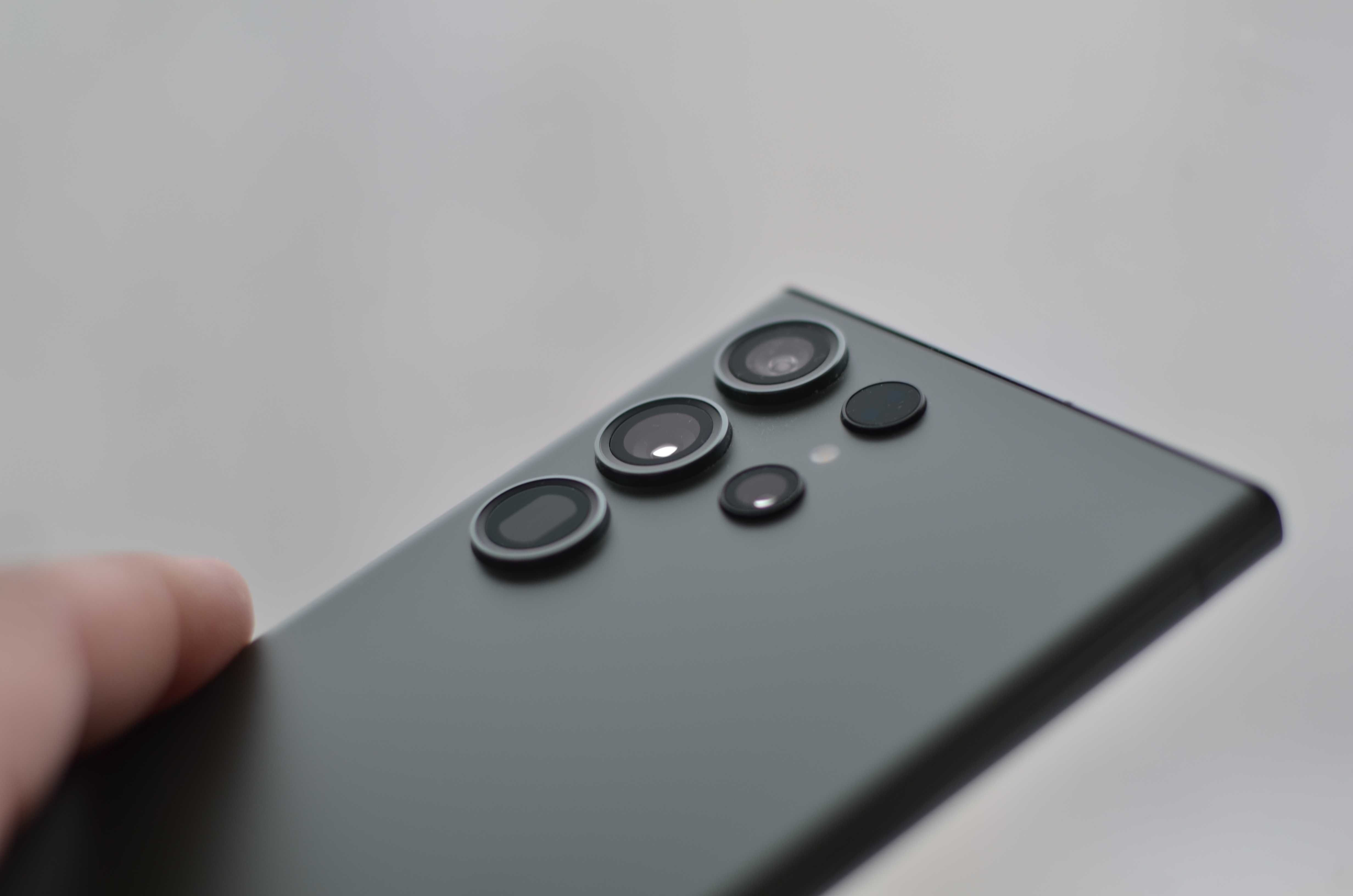
Samsung continues to lead India’s consumer electronics and smartphone category on brand awareness and loyalty, according to the Q2 2026 wave of the Brand Health Tracking Report released today by Epignosis Insights Research. The study, based on a nationally representative survey of 2,150 consumers across eight metro and non-metro markets, found that Samsung’s aided brand awareness stands at 94% and its Net Promoter Score (NPS) has climbed to +34, up three points quarter-on-quarter and six points year-on-year.
Samsung Holds Top-of-Mind Position Despite Narrowing Apple Gap
The report shows Samsung remains India’s most recalled electronics brand, capturing 29% of unprompted top-of-mind mentions, ahead of Apple at 24%, Xiaomi at 14%, OnePlus at 11%, and Vivo at 9%. However, Samsung’s lead over Apple has narrowed from eight percentage points two waves ago to five points this quarter, a shift researchers attribute to Apple’s aggressive financing and trade-in campaigns targeting urban consumers aged 25 to 34. Samsung’s recall strength skews toward consumers aged 35 and above and toward non-metro markets, where its distribution footprint and service network remain unmatched a pattern that also points to a generational recall gap the brand will need to address to sustain long-term category leadership.
Net Promoter Score Improves, Driven by Multi-Product Households
Samsung’s NPS improvement to +34 this wave was driven largely by rising loyalty among multi-product households consumers who own both a Samsung smartphone and a Samsung television or home appliance — who reported meaningfully higher advocacy than single-product owners. The brand still trails Apple’s NPS of +48 by fourteen points but comfortably outperforms Xiaomi (+11, in continued decline) and OnePlus (+26). Loyalty scores rise steadily with age, with promoters accounting for 46% of consumers aged 45 and above compared to just 30% among 18-to-24-year-olds, reinforcing that Samsung’s strongest brand equity remains concentrated among older, established buyers.
Value-for-Money Perception Emerges as Samsung’s Key Weak Point
While Samsung outperforms the category average across every brand attribute measured including trust and reliability (8.0/10), build quality (8.1/10), and innovation (7.8/10) its value-for-money score of 6.9/10 stands out as a relative weakness, only marginally ahead of the 7.0 category average. Open-ended consumer feedback captured in the study frequently described Samsung products as "reliable but overpriced relative to features," particularly in the mid-range smartphone segment where Chinese competitors offer comparable specifications at lower price points. The report also identifies a widening gap between purchase consideration (71%) and actual 12-month purchase (33%), implying a conversion rate of roughly 46% below the 52% benchmark Apple achieves within its own considerer base.
Regional and Category Divergence Point to Targeted Growth Opportunities
The tracking study found notable regional variation in brand performance. South India delivered Samsung’s strongest composite scores across awareness, consideration, and loyalty, while West India’s Mumbai-Pune corridor showed the highest absolute awareness but weaker purchase conversion, reflecting a more premium-oriented consumer base. Delhi-NCR emerged as the most competitively contested market, with both Apple and OnePlus registering above-average share of consideration among Samsung’s own customer base. Within Samsung’s own portfolio, home appliances and televisions scored higher on trust and value than smartphones, where competitive pressure from Xiaomi, OnePlus, and Vivo is most concentrated — suggesting that category-specific marketing strategies, rather than a single blended brand approach, may yield stronger returns going forward.
What This Means for Samsung’s India Strategy
Epignosis Insights’ analysts recommend that Samsung prioritize clearer value-for-money communication in its mid-range smartphone portfolio, invest in brand-building initiatives targeted at 18-to-34-year-old consumers to defend top-of-mind share against Apple, and standardize after-sales service quality to close the loyalty gap with premium competitors. The report also points to cross-category bundling as a potential lever to extend the loyalty advantage already visible among multi-product Samsung households into new customer segments.
Analyst Commentary
"Samsung’s scale advantage in India remains formidable — near-universal awareness and category-leading recall are not easily replicated," said the lead analyst on the study. "But this wave makes clear that awareness alone no longer guarantees conversion. The brand’s challenge going forward is less about being known and more about being chosen, particularly by a generation of buyers who weigh price-to-feature ratios more heavily than legacy brand equity. Closing the value-for-money gap and building deeper resonance with 18-to-34-year-old consumers will determine whether Samsung can convert its awareness lead into sustained share gains over the next several tracking waves."
About the Study
The Q2 2026 Brand Health Tracking Report was conducted by Epignosis Insights Research between May and June 2026 using a mixed-mode methodology (60% online panel, 40% CAPI) across eight metro and non-metro Indian markets. Respondents were screened for category relevance and quota-balanced by age, gender, income (NCCS A/B/C), and region. The study benchmarks Samsung against Apple, Xiaomi, OnePlus, and Vivo across brand awareness, top-of-mind recall, attribute-level perception, and Net Promoter Score.
About Epignosis Insights
Epignosis Insights is a market research and brand intelligence practice under Mark & Spark Solutions, providing syndicated and custom brand health tracking, consumer perception studies, and competitive benchmarking across the consumer electronics, automotive, BFSI, and FMCG sectors in India and select global markets.