
Epignosis Insights Global LNG Spot Price Tracker: JKM Holds Near US$27.5/MMBtu as Asia and Europe Converge in Race for Winter Cargoes
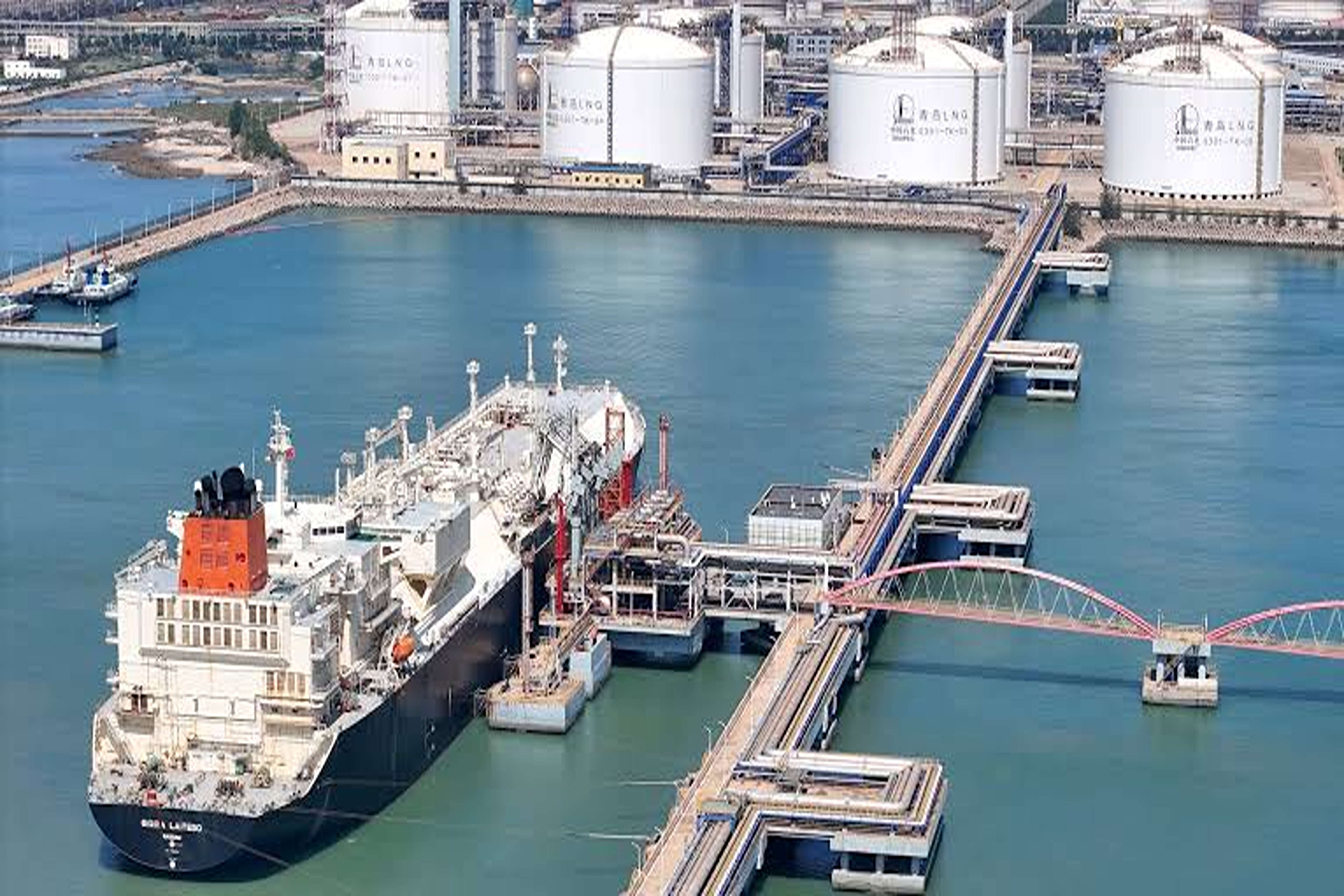
Epignosis Insights, a market research and brand intelligence consultancy, has released the latest edition of its Global LNG Spot Price Tracker, covering Week 38 of 2026 (14–18 September). The report finds that the global liquefied natural gas market remains structurally tight. It has, however, begun to price in the possibility of diplomatic relief in the Middle East, with Asian and European benchmarks converging as both regions compete for the same flexible cargoes ahead of winter.
Asian LNG Prices Hold in the High-US$20s
According to the tracker, Asia's benchmark Japan Korea Marker (JKM) closed the week at US$27.51 per million British thermal units (MMBtu) on the newly prompt November contract. That is roughly US$1/MMBtu below the two-and-a-half-year spot high reached on 10–11 September, when US–Iran tensions and aggressive South Asian buying lifted prices into the high-US$28s. On a like-for-like basis, the November contract averaged US$27.16/MMBtu over the final three sessions of the week.
Europe's Dutch Title Transfer Facility (TTF) benchmark was more volatile. It opened the week at €82.57 per megawatt-hour (MWh), slid to €76.35/MWh mid-week on profit-taking and recovered to €79.52/MWh by Friday. The weekly average of €79.31/MWh was 1.6% higher than in Week 37. In the United States, Henry Hub stayed anchored below US$3/MMBtu for most of the week, closing near US$2.87/MMBtu.
Asia–Europe Price Convergence Defines the Week
The defining feature of Week 38 was convergence. The JKM premium over TTF narrowed to about US$0.51/MMBtu from US$1.50/MMBtu a week earlier. A spread this narrow does not cover the extra shipping cost of sending US Gulf Coast cargoes to Asia, so the bulk of US output continues to flow to Europe.
Asia and Europe are now paying almost the same price for the same molecules, which tells us both regions are genuinely short going into winter," said a spokesperson for the Epignosis Insights energy research team. "Europe's storage deficit keeps TTF bid, while price-sensitive Asian buyers have started to step back at current levels. That balance is what is holding prices in the high-US$20s rather than pushing them higher.
Europe's Storage Deficit Keeps Pressure On
The tracker highlights that EU gas storage stood at 67.8% on 11 September, well short of the 80% winter refill benchmark. At the current injection pace, Epignosis Insights estimates Europe will need an above-normal share of Atlantic Basin LNG through October simply to reach the mid-70s by early November. Because Europe has less room than Asia to cut consumption when prices rise, the report expects TTF to remain the marginal price-setter for spot LNG through the autumn.
Qatar Supply Loss Remains the Structural Constraint
The report identifies damage to Qatar's export infrastructure as the single largest driver of 2026's elevated prices. Around 12.8 million tonnes per annum of capacity, roughly 17% of Qatar's total, is offline, with repairs expected to take three to five years. Transit constraints through the Strait of Hormuz further limit how much of the undamaged capacity can reach buyers.
Epignosis Insights therefore treats diplomatic progress as a sentiment catalyst that can compress risk premiums quickly, but not as a fix for the underlying supply deficit. This was visible at the start of Week 39, when JKM fell 5.5% to US$25.99/MMBtu and TTF dropped 7.1% to €73.90/MWh on 21 September as markets weighed the prospect of US–Iran contacts.
United States Remains the Swing Supplier
With Henry Hub below US$3/MMBtu and international prices near US$27/MMBtu, the spread between JKM and Henry Hub exceeded US$24/MMBtu at the end of the week. The tracker notes that this implies exceptional margins for uncontracted US LNG volumes, even after shipping and liquefaction costs, and reinforces the United States' role as the market's swing supplier.
Outlook: Elevated and Volatile Through Mid-October
Epignosis Insights sets out three scenarios for JKM over the next four weeks:
■ Base case (55% probability): JKM trades between US$24 and US$28/MMBtu, with TTF broadly in a €68–82/MWh range.
■ Bull case (25%): JKM rises towards US$31/MMBtu if shipping disruptions intensify, Norwegian outages extend or an early cold spell arrives.
■ Bear case (20%): JKM eases towards US$21/MMBtu if credible de-escalation allows a faster recovery in Qatari loadings.
For buyers, this is a market where timing risk is as important as price risk," the spokesperson added. "We recommend spreading winter procurement across October and November and prioritising contract flexibility over headline price.
What the Full Report Includes
The complete Week 38 Global LNG Spot Price Tracker provides:
■ A weekly benchmark snapshot covering JKM, TTF, Henry Hub and inter-hub spreads
■ Eight charts and diagrams, including daily JKM and TTF trends, an inventory dashboard and a proprietary price driver map
■ Regional analysis of Asia, Europe, the United States and Middle East supply
■ Year-to-date context and early Week 39 signals
■ A four-week scenario outlook with procurement guidance
■ Frequently asked questions for quick reference
About Epignosis Insights
Epignosis Insights is a Pune-based market research and brand intelligence consultancy providing market sizing, competitive intelligence and syndicated research across FMCG, BFSI, automotive, industrial, energy and commodity sectors. Its Commodity Price Tracker series delivers regular, data-driven pricing analysis to help procurement, strategy and investment teams make informed decisions.