Key Findings
- Global wind blade bonding adhesives market is projected to reach US$1,451.0 million by 2031 from US$840.0 million in 2025.
- Market revenue is expected to grow at a 9.4% CAGR between 2024 and 2031, outpacing volume growth as blade makers shift toward higher-specification formulations.
- Global consumption is projected to rise from 73,040 tons in 2025 to 117,016 tons by 2031, a volume CAGR of 8.0%.
- Asia Pacific accounted for 41.6% of global market value in 2025, anchored by China's position as the world's largest blade manufacturing base.
- Epoxy structural adhesives held an 80.3% value share in 2025, reflecting their dominance in load-bearing shear web and spar cap bondlines.
- Onshore wind power represented 81.7% of 2025 demand, while offshore wind is the faster-expanding application through 2031.
- Polyurethane structural adhesives form the fastest-growing chemistry, supported by shorter cure cycles and strong gap-filling performance.
- Adhesive mass per blade rises steeply with blade length, but adhesive intensity per megawatt declines as turbines scale, a structural reason value growth outpaces tonnage growth.
- Bondline integrity is emerging as a reliability and warranty issue, increasing demand for dispensing control, inspection and qualified chemistries.
- Recyclable thermoset adhesives are moving from pilot to supply contracts, creating a new basis for supplier differentiation.
Global Wind Blade Bonding Adhesives Market Outlook
Global Wind Blade Bonding Adhesives Market recorded a sales volume of 73,040 tons in 2025 and is estimated to reach a volume of 117,016 tons by 2031, with a CAGR of 8.0% during 2024–2031. In value terms, the market is estimated at US$840.0 million in 2025 and is projected to reach US$1,451.0 million by 2031, registering a CAGR of 9.4% over 2024–2031.
The market sits at the intersection of two cycles that rarely move in step: the installation cycle of wind farms and the manufacturing cycle of composite blades. Structural adhesives are consumed when the two half shells of a blade are closed around the internal shear webs, so demand is booked at the blade plant several months before the turbine is commissioned. This lead time makes blade factory utilization, rather than grid connection data, the most reliable short-term indicator of adhesive offtake. It also explains why the market grew steadily through 2022–2024 even as offshore project delays affected commissioning figures in Europe and the United States.
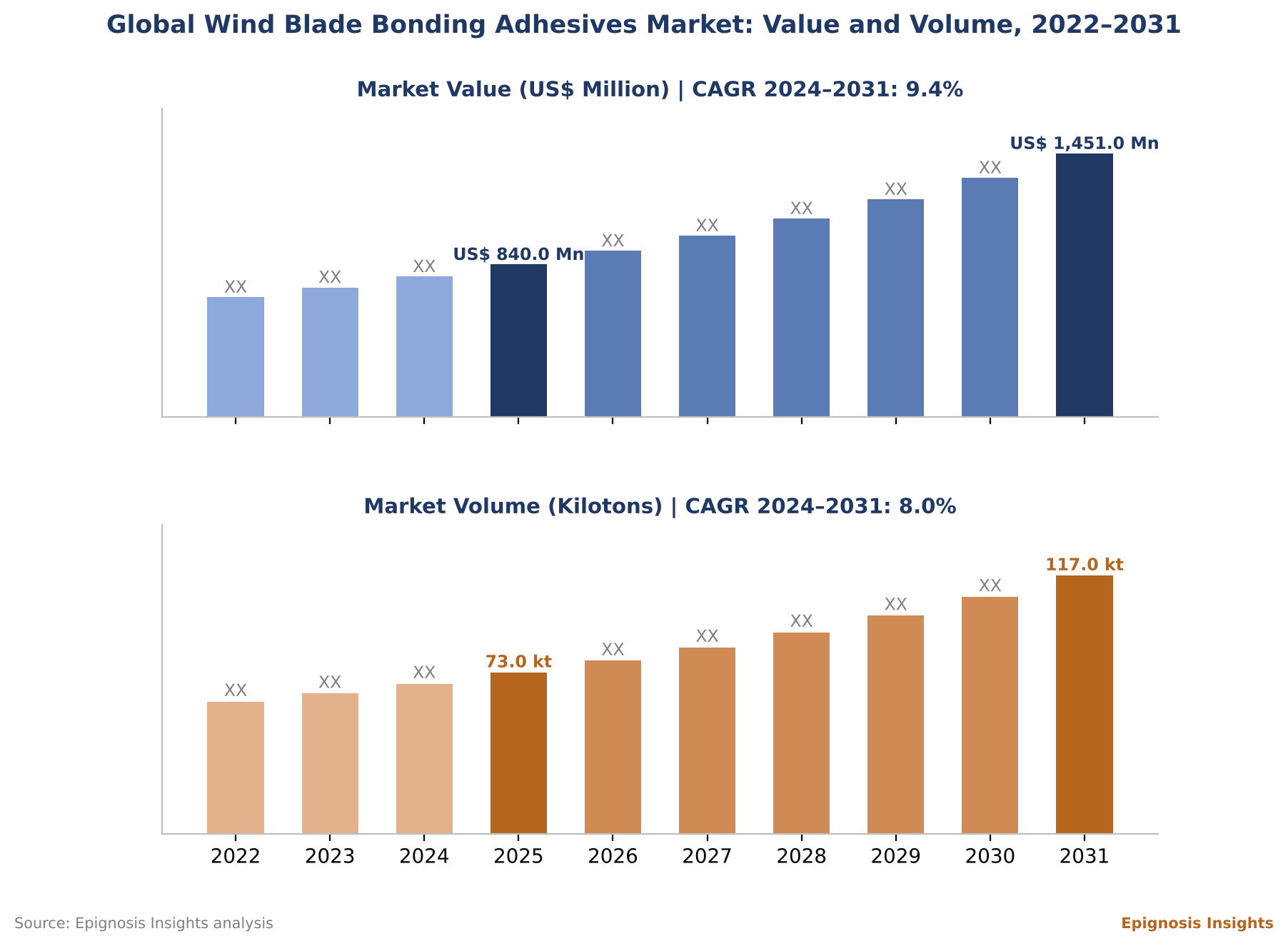
Figure 1: Global Wind Blade Bonding Adhesives Market: Value and Volume, 2022–2031
Table 1: Market Snapshot
| Metric |
Value |
| Market size, 2025 |
US$ 840.0 million |
| Market size, 2031 |
US$ 1,451.0 million |
| Value CAGR, 2024–2031 |
9.4% |
| Market volume, 2025 |
73,040 tons |
| Market volume, 2031 |
117,016 tons |
| Volume CAGR, 2024–2031 |
8.0% |
| Largest region, 2025 |
Asia Pacific (41.6%) |
| Leading type, 2025 |
Epoxy Structural Adhesive (80.3%) |
| Leading application, 2025 |
Onshore Wind Power (81.7%) |
| Fastest-growing country |
India (CAGR XX.X%) |
Source: Epignosis Insights analysis
Global Wind Blade Bonding Adhesives Market Dynamics
Record Wind Build-Out Is Expanding the Bonded-Blade Base
The most direct demand driver for blade bonding adhesives is the sheer number of blades leaving factories, and that number has expanded sharply. According to the Global Wind Energy Council (GWEC), the world added a record 165 GW of wind capacity in 2025, up 40% from 2024, comprising 155.3 GW of onshore and 9.3 GW of offshore installations. China alone added 120.5 GW, followed by the United States at 6.9 GW and India at 6.3 GW, while global cumulative capacity reached 1,299 GW. GWEC projects 969 GW of new wind capacity by 2030, an average of roughly 194 GW a year, with global capacity expected to pass 2 TW by 2029.
For adhesive suppliers, the geography of this build-out matters as much as its size. Because blades are long, fragile and expensive to transport, they are typically produced close to the projects they serve, which concentrates adhesive consumption in the same countries that lead installations. The surge in Chinese capacity therefore translates almost directly into domestic blade output and adhesive demand, while India's near doubling of annual installations is pulling new blade lines and qualified adhesive supply into the country.
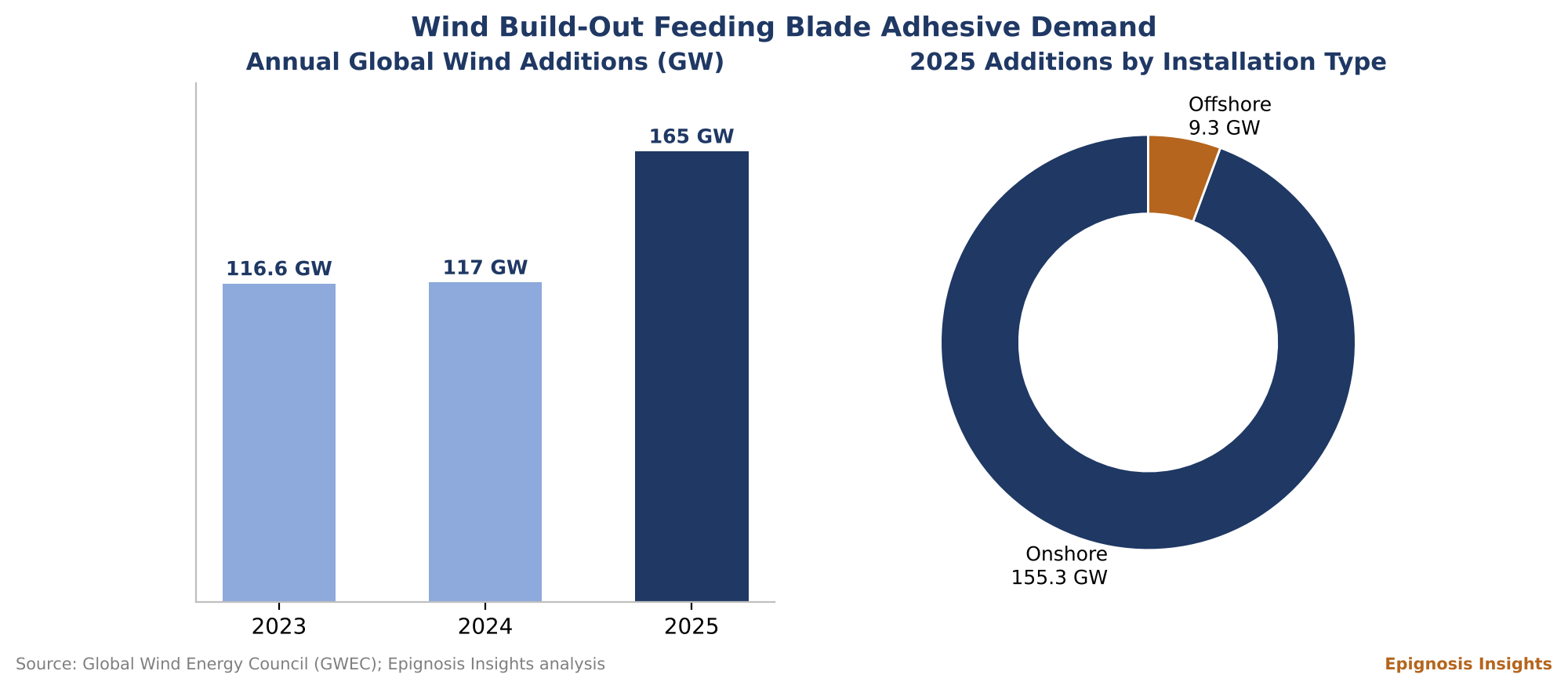
Figure 2: Wind Build-Out Feeding Blade Adhesive Demand
The installation outlook also changes the competitive calculus. A sustained average of close to 200 GW a year implies that blade plants will run at high utilization for several years, which favours adhesive suppliers that can guarantee regional supply continuity, consistent batch quality and on-site technical service. It also raises the cost of a supply failure: a blade line that stops for adhesive shortages loses mould time that cannot be recovered. As a result, blade manufacturers are increasingly qualifying a second adhesive source for each bondline, a practice that widens the addressable opportunity for challengers while protecting incumbents that already hold approvals.
Recyclable Thermoset Adhesives Are Opening a Circularity Premium
End-of-life blade disposal has become a reputational and regulatory issue for the wind industry, and adhesives sit at the centre of the problem because the bondlines are among the hardest elements of a blade to separate. This is creating a commercial opening for chemistries that can be broken down after service. Taiwan-based Swancor has rolled a 110 metre blade off the line in Sheyang, China, with Times New Material, marking the first time its EzCiclo recyclable thermosetting structural adhesive and hand lay-up resin were trial-produced in a blade longer than 100 metres. The company reports that composites made with the EzCiclo series have obtained ISO 14021 certification for a recyclability rate of at least 95%.
Turbine makers are also beginning to convert recyclable material programmes into procurement commitments. Siemens Gamesa has stated that from 2026 all resin it sources from Swancor will be recyclable, supporting its RecyclableBlade programme, which is designed so that up to 95% of a blade's raw materials can be separated and reused. Such commitments create a pull-through effect for adhesives, because a blade cannot be marketed as recyclable if its bondlines remain permanently fused to the shell laminate.
The opportunity is less about immediate volume and more about qualification position. Recyclable adhesives must still meet the same fatigue, shear and environmental durability requirements as conventional epoxies over a 20 to 25 year design life, and certification cycles are long. Suppliers that reach approved status on a major turbine platform early are likely to retain that position for the life of the blade model, which can extend over several years of serial production. Epignosis Insights expects recyclable formulations to command a pricing premium of XX% to XX% over standard epoxy systems during the forecast period, narrowing as volumes scale.
Bondline Integrity and Hidden Defects Are Raising the Quality Burden
The principal challenge facing the market is that blade bondlines are difficult to apply perfectly and even harder to inspect after cure. A blade is bonded along the full length of its leading and trailing edges and along each shear web flange, so a single blade can contain well over a hundred metres of structural bondline. Patent documentation filed with the United States Patent and Trademark Office (USPTO) describes how insufficient adhesive in shear web bondlines can allow mounting flanges to flex against the shell, producing a so-called kissing bond that may be difficult to detect with non-destructive testing.
This creates a commercial tension for adhesive buyers. Over-dispensing adhesive to guarantee coverage adds weight and material cost to every blade, while under-dispensing risks latent defects that may only appear as cracks or disbonds after years of cyclic loading. Blade manufacturers therefore carry significant warranty exposure linked to bondline quality, and repair of a bondline failure in the field typically requires rope access or blade removal, both of which are costly and weather-dependent.
For adhesive suppliers, the quality burden has two consequences. First, it raises the importance of rheology: formulations must hold their bead shape on vertical and inclined surfaces, wet out composite surfaces fully and tolerate variable gap thickness without sagging or voiding. Second, it shifts value toward the services surrounding the adhesive, including metered dispensing equipment, process audits, bondline thickness monitoring and failure analysis. Suppliers that can document process capability at the blade plant gain an advantage in qualification, while those competing on price alone face greater difficulty displacing incumbents whose chemistry is already embedded in validated manufacturing instructions.
Global Wind Blade Bonding Adhesives Market: Adhesive Intensity Analysis
Blade length is the hidden multiplier behind adhesive tonnage. Trade literature published in Reinforced Plastics indicates that a typical 42 metre blade bonded with a polyurethane system uses no more than about 400 kg of adhesive, applied within a working window of roughly 40 to 45 minutes. Blades have since grown far beyond that reference point. Dongfang Electric's 26 MW offshore turbine uses blades measuring 153 metres, giving a rotor diameter of about 310 metres, and mainstream onshore platforms now commonly use blades in the 80 to 100 metre range.
Epignosis Insights has developed an indicative adhesive intensity curve that scales adhesive mass with blade length. Because bondline length grows in proportion to blade length and bondline width grows with chord dimensions, adhesive mass rises faster than length itself. Using a scaling exponent of 1.6 anchored to the 42 metre reference, the model estimates roughly 1,100 kg of adhesive for an 80 metre blade, around 1,900 kg for a 110 metre blade and more than 3,100 kg for a 153 metre blade. These are indicative engineering estimates rather than measured values, and actual consumption varies with blade architecture, the number of shear webs, bondline design and dispensing accuracy.
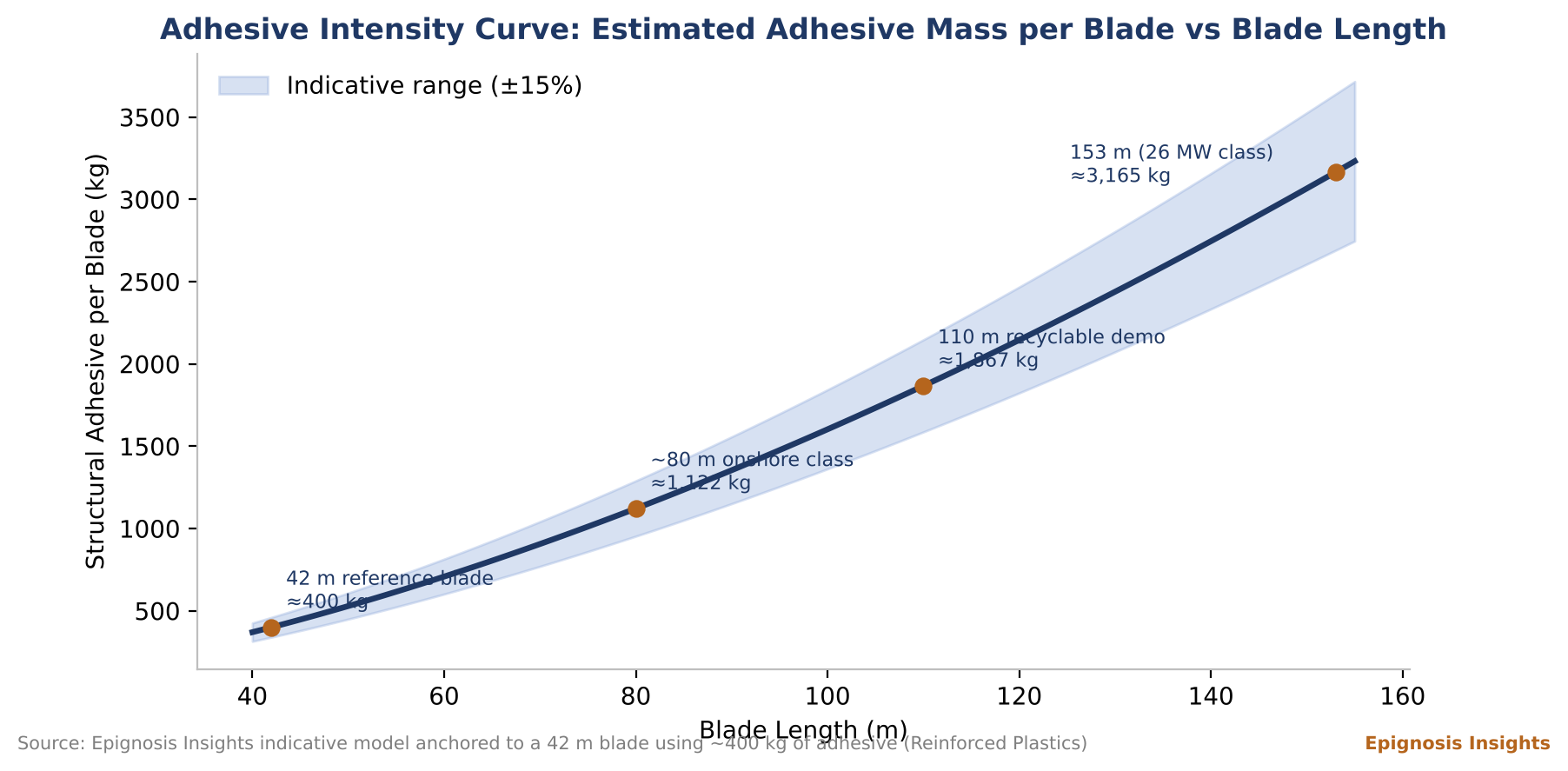
Figure 3: Adhesive Intensity Curve: Estimated Adhesive Mass per Blade vs Blade Length
The more important insight sits in the relationship between blade mass and turbine rating. A turbine's swept area, and therefore its rated output, scales approximately with the square of blade length, while adhesive mass scales with a lower exponent. The result is that adhesive consumption per blade rises sharply, but adhesive consumption per megawatt installed tends to decline as turbines grow. A transition from 5 MW to 15 MW turbines, for example, reduces the number of blades required per gigawatt by two thirds, and the larger blades do not fully compensate for that reduction in adhesive terms.
This explains a defining feature of the market's trajectory: tonnage grows more slowly than installed capacity, while value grows faster than tonnage. Larger blades demand adhesives with higher fatigue performance, longer open times to allow bonding of very long shells, lower exotherm to prevent heat damage in thick bondlines and tighter batch consistency. Each of these requirements moves the product mix toward premium formulations. For suppliers, the implication is that market share in very large blades is worth disproportionately more in revenue than in tons, and that the technical capability to bond 100-plus metre blades is a key source of pricing power.
Global Wind Blade Bonding Adhesives Market: Demand Triangulation and Volume Analysis
Epignosis Insights validated its volume estimates by triangulating adhesive consumption against blade production and turbine installations. On the 2025 figures, the global market consumed 73,040 tons of structural adhesive against 165 GW of new capacity, an implied intensity of roughly 0.44 tons of adhesive per megawatt. This ratio is consistent with a fleet-average turbine of around 6 MW, three blades per turbine and an average blade adhesive content in the region of 880 kg, which aligns with the lower-middle section of the intensity curve.
The ratio is not constant from year to year. Blade production typically leads commissioning by six to twelve months, so a year of rapidly rising installations, such as 2025, will show a lower apparent intensity because some of the blades were bonded in the previous year. Conversely, a year in which blade plants build inventory ahead of a large pipeline will show a higher ratio. Repair and refurbishment volumes, which use adhesive without adding new capacity, also add a modest but growing baseline as the global fleet ages.
Table 2: Wind Blade Bonding Adhesives Market by Region: Value and Volume
| Region |
2025 Value (US$ Mn) |
2031 Value (US$ Mn) |
2025 Volume (Tons) |
2031 Volume (Tons) |
Value CAGR 2024–2031 |
| North America |
XX.X |
XX.X |
XX,XXX |
XX,XXX |
XX.X% |
| Europe |
XX.X |
XX.X |
XX,XXX |
XX,XXX |
XX.X% |
| Asia Pacific |
XX.X |
XX.X |
XX,XXX |
XX,XXX |
XX.X% |
| Latin America |
XX.X |
XX.X |
XX,XXX |
XX,XXX |
XX.X% |
| Middle East and Africa |
XX.X |
XX.X |
XX,XXX |
XX,XXX |
XX.X% |
| Global |
840.0 |
1,451.0 |
73,040 |
117,016 |
9.4% |
Source: Epignosis Insights analysis
Looking ahead, the volume CAGR of 8.0% sits below the long-run growth in annual installations implied by industry forecasts. Epignosis Insights attributes the gap to the declining adhesive intensity per megawatt described above, partly offset by the expansion of offshore wind, where blades are longest and adhesive content per unit is highest. Volume growth is expected to be strongest in Asia Pacific and Latin America, where onshore turbine ratings are still rising from lower bases and blade localization programmes are adding new factories.
Global Wind Blade Bonding Adhesives Market: Pricing Analysis
The blended average selling price of blade bonding adhesives is estimated at US$11.50 per kg in 2025, derived from market value and consumption. Pricing is expected to drift upward gradually through 2031, which is why value growth runs about 1.4 percentage points ahead of volume growth across the forecast period.
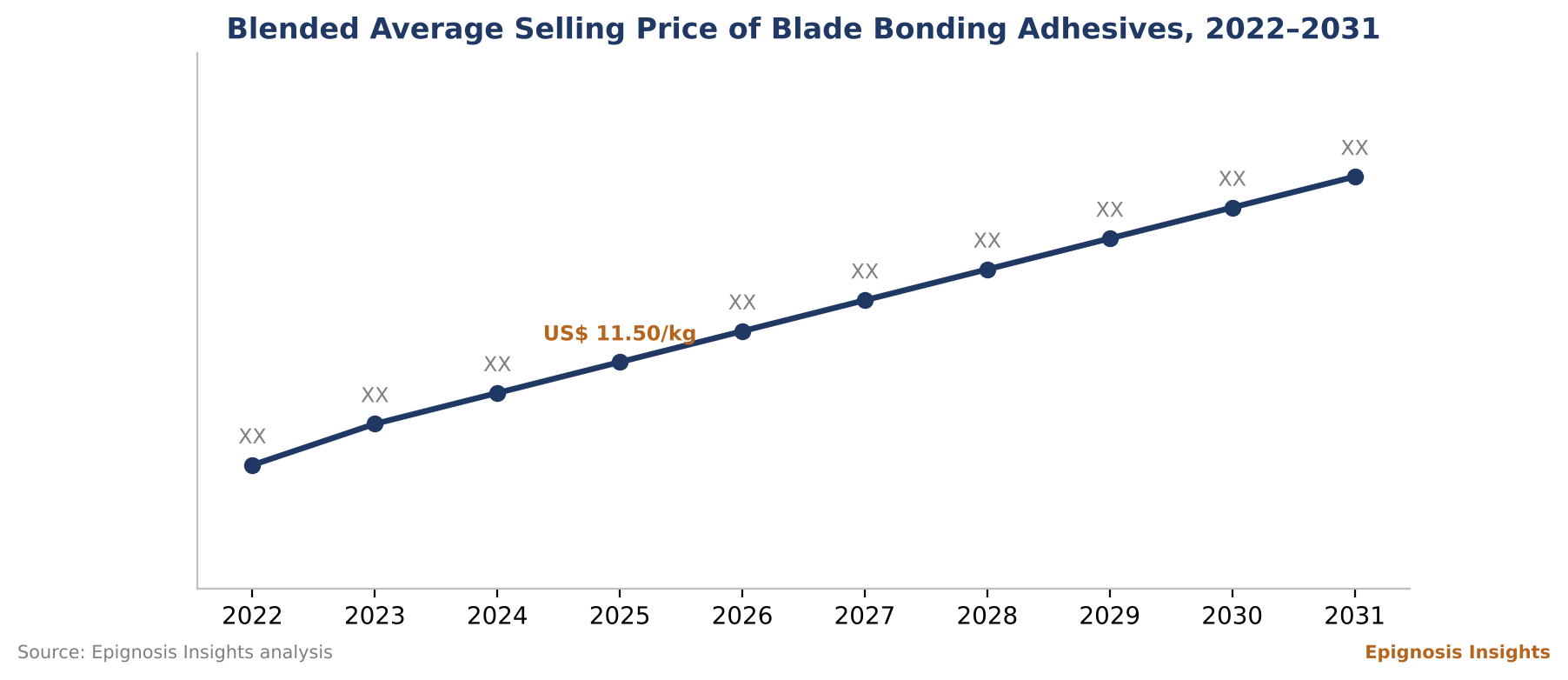
Figure 4: Blended Average Selling Price of Blade Bonding Adhesives, 2022–2031
Three forces shape pricing. The first is raw material cost. Epoxy adhesives depend on bisphenol A and epichlorohydrin-based resins together with amine hardeners and toughening agents, while polyurethane systems depend on isocyanates and polyols. Movements in these petrochemical inputs pass through to adhesive prices with a lag, usually governed by quarterly or semi-annual contract resets with blade manufacturers.
The second force is regional competition. Domestic Chinese formulators have built significant capacity and compete aggressively on price for high-volume onshore blades, which places a ceiling on pricing in the largest consuming market. Multinational suppliers have responded by concentrating on large offshore blades, export-oriented blade plants and customers that require global qualification across several factories.
The third force is specification upgrading. Longer blades, recyclable chemistries and faster-curing systems each carry higher prices per kilogram, and the share of these grades in the overall mix is rising. Epignosis Insights estimates that premium grades will account for XX% of market value by 2031, compared with XX% in 2025, providing a structural support to the blended average price even if commodity inputs soften.
Global Wind Blade Bonding Adhesives Market: Segment Analysis
By Type
Epoxy structural adhesives held 80.3% of global market value in 2025. Their position rests on fatigue resistance and mechanical strength in the heavily loaded shear web to spar cap joints, and on their chemical compatibility with the epoxy infusion resins used in most blade shells. Epoxy systems also benefit from the longest qualification history in the industry, which makes blade engineers reluctant to substitute them in primary load paths.
Polyurethane structural adhesives are the fastest-growing type, expanding at a CAGR of XX.X% over 2024–2031. Their appeal lies in shorter cure cycles at lower temperatures, which free up blade moulds sooner, and in strong gap-filling performance on long trailing edge bondlines where tolerance variation is greatest. Several blade makers use polyurethane systems on secondary bondlines while retaining epoxy in primary structural joints, a hybrid approach that is gradually increasing polyurethane's share.
Vinyl structural adhesives represent a niche segment, used mainly in polyester and vinyl ester blade designs and in selected repair applications. The segment is growing more slowly than the overall market, and its share is expected to decline modestly to XX.X% by 2031 as epoxy-based blade construction continues to dominate new platforms.
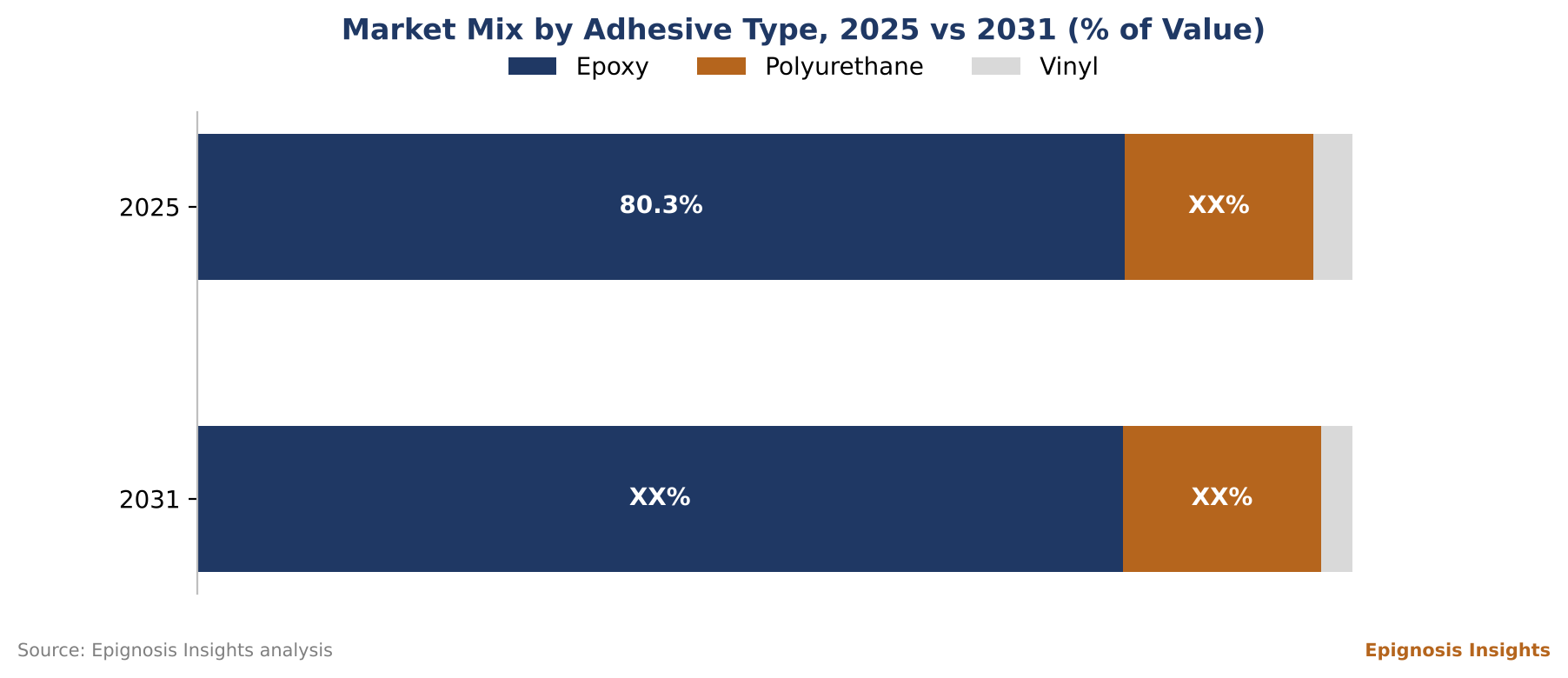
Figure 5: Market Mix by Adhesive Type, 2025 vs 2031
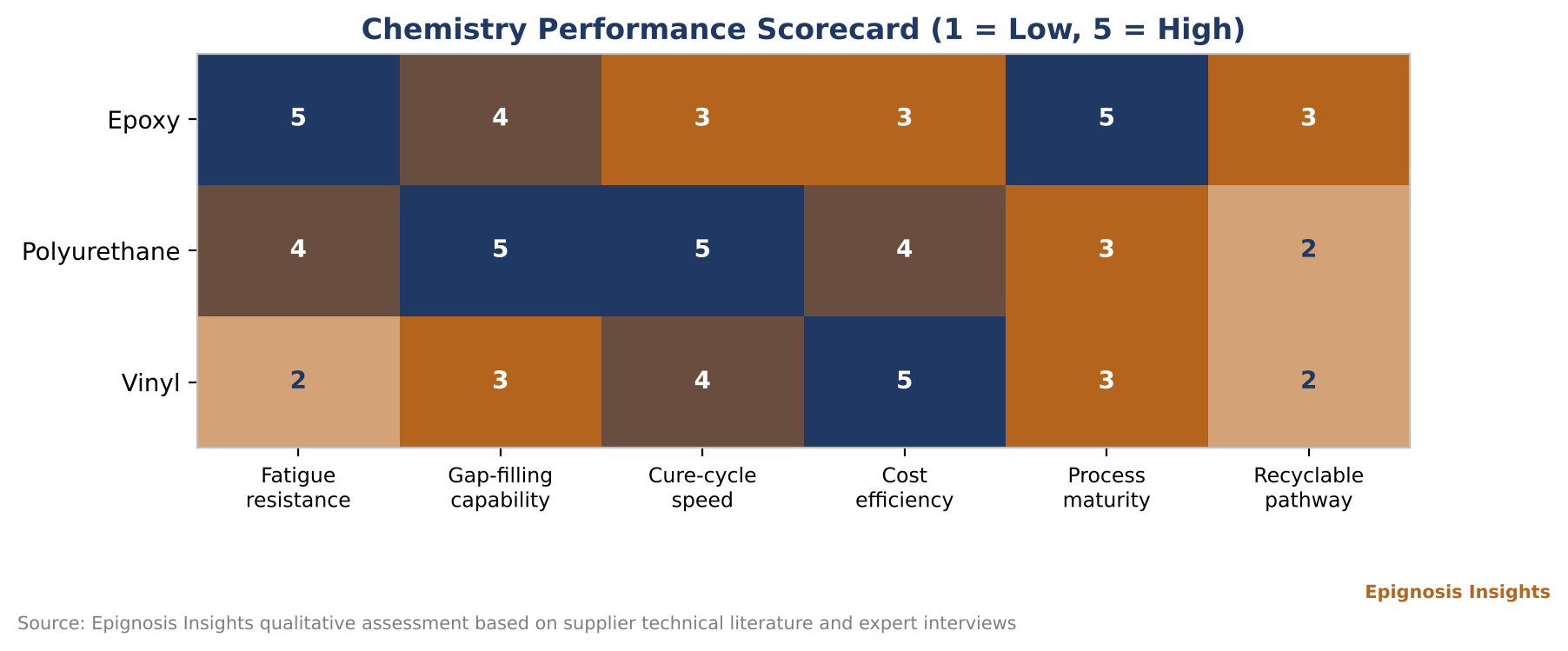
Figure 6: Chemistry Performance Scorecard
By Application
Onshore wind power accounted for 81.7% of market value in 2025. The segment's scale reflects the volume of onshore installations, particularly in China, the United States, India and Brazil, and the relatively shorter replacement cycles for onshore blade models, which keep adhesive qualification activity high.
Offshore wind power is the faster-growing application, with a CAGR of XX.X% over 2024–2031. Offshore blades are the longest in the industry, operate in harsher marine conditions and carry the highest cost of failure, which makes them the most demanding and highest-value application for structural adhesives. Growth in this segment is concentrated in China, the United Kingdom, Germany and France, while offshore demand in markets such as Spain and Italy remains limited within the forecast horizon.
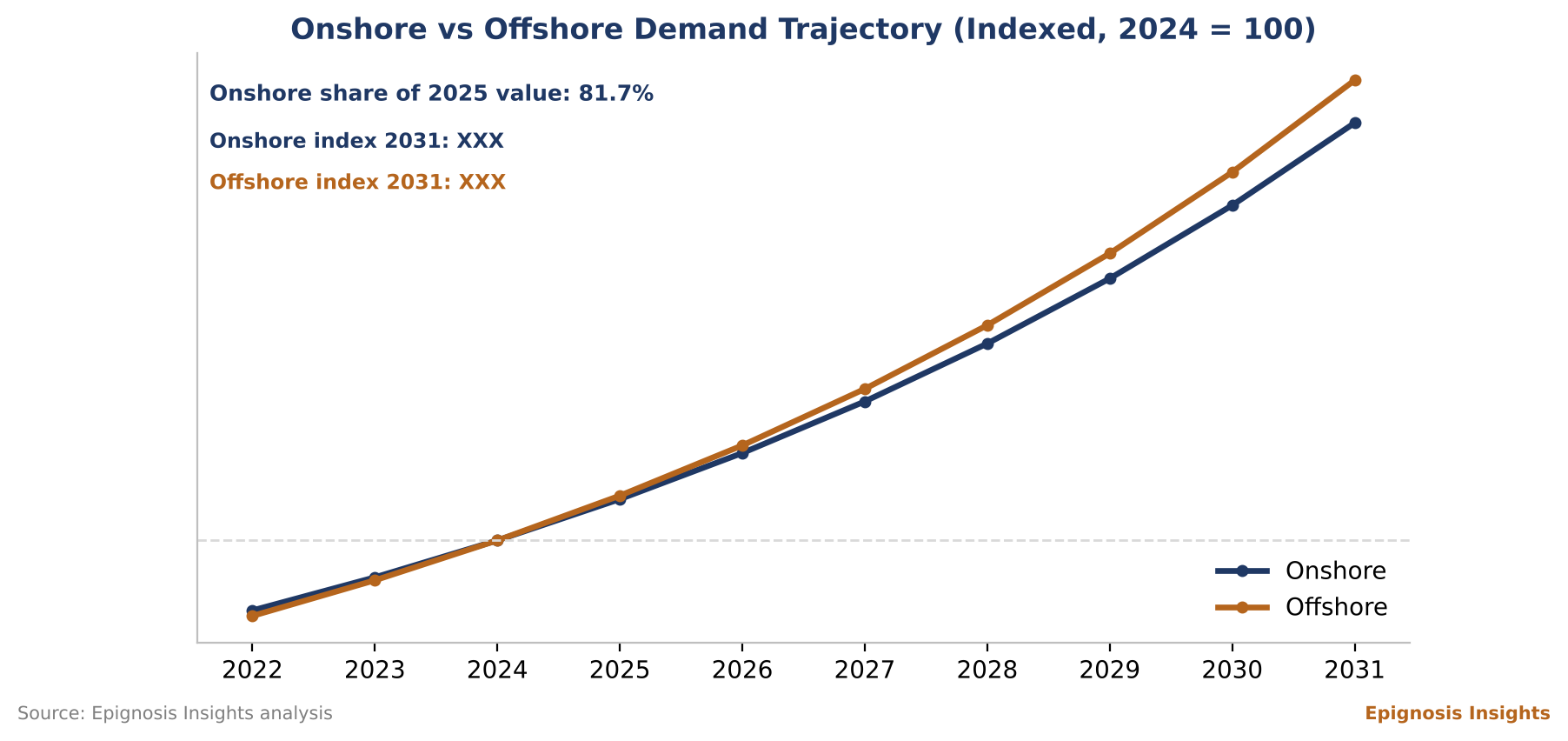
Figure 7: Onshore vs Offshore Demand Trajectory (Indexed, 2024 = 100)
Global Wind Blade Bonding Adhesives Market: Regional Analysis
Asia Pacific accounted for 41.6% of global market value in 2025 and is expected to increase its share through 2031. China is the single largest country market, supported by its dominant turbine manufacturing base and vertically integrated blade supply chain. India is the fastest-growing country in the study, driven by rising annual installations and the localization of blade production for both domestic and export demand. Japan contributes a stable base linked to its emerging offshore programme, while the rest of Asia Pacific benefits from projects in Australia, Vietnam, the Philippines and South Korea.
Europe held a share of XX.X% in 2025. Germany, the United Kingdom and Spain are the region's largest markets, but their demand profiles differ sharply. The United Kingdom is the most offshore-oriented market in the study, with offshore applications accounting for a share of XX% of national demand, while Spain's demand is almost entirely onshore. France shows the fastest growth among major European markets as its offshore pipeline progresses.
North America accounted for XX.X% of global value in 2025, with the United States contributing the overwhelming majority of regional demand. Canada provides steady onshore growth, while Mexico remains small but is growing at one of the highest rates in the region from a low base. Policy uncertainty around federal incentives and offshore permitting is the main swing factor for the regional outlook.
Latin America represented XX.X% of 2025 value, led by Brazil, where a strong onshore pipeline and domestic blade manufacturing support demand. The Middle East and Africa region remains the smallest market at XX.X% of global value, with Saudi Arabia, the United Arab Emirates and South Africa accounting for most of the regional demand.
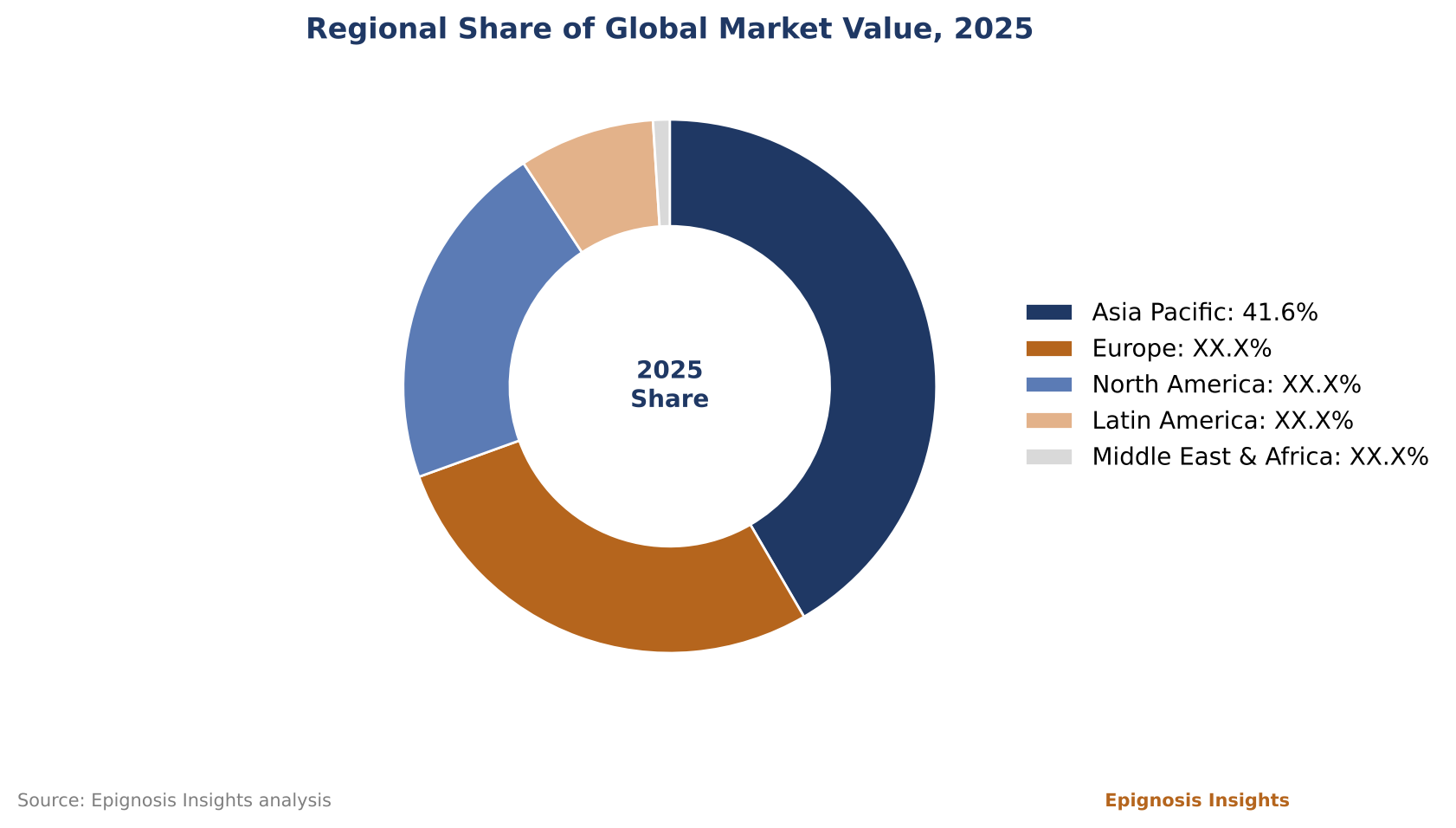
Figure 8: Regional Share of Global Market Value, 2025
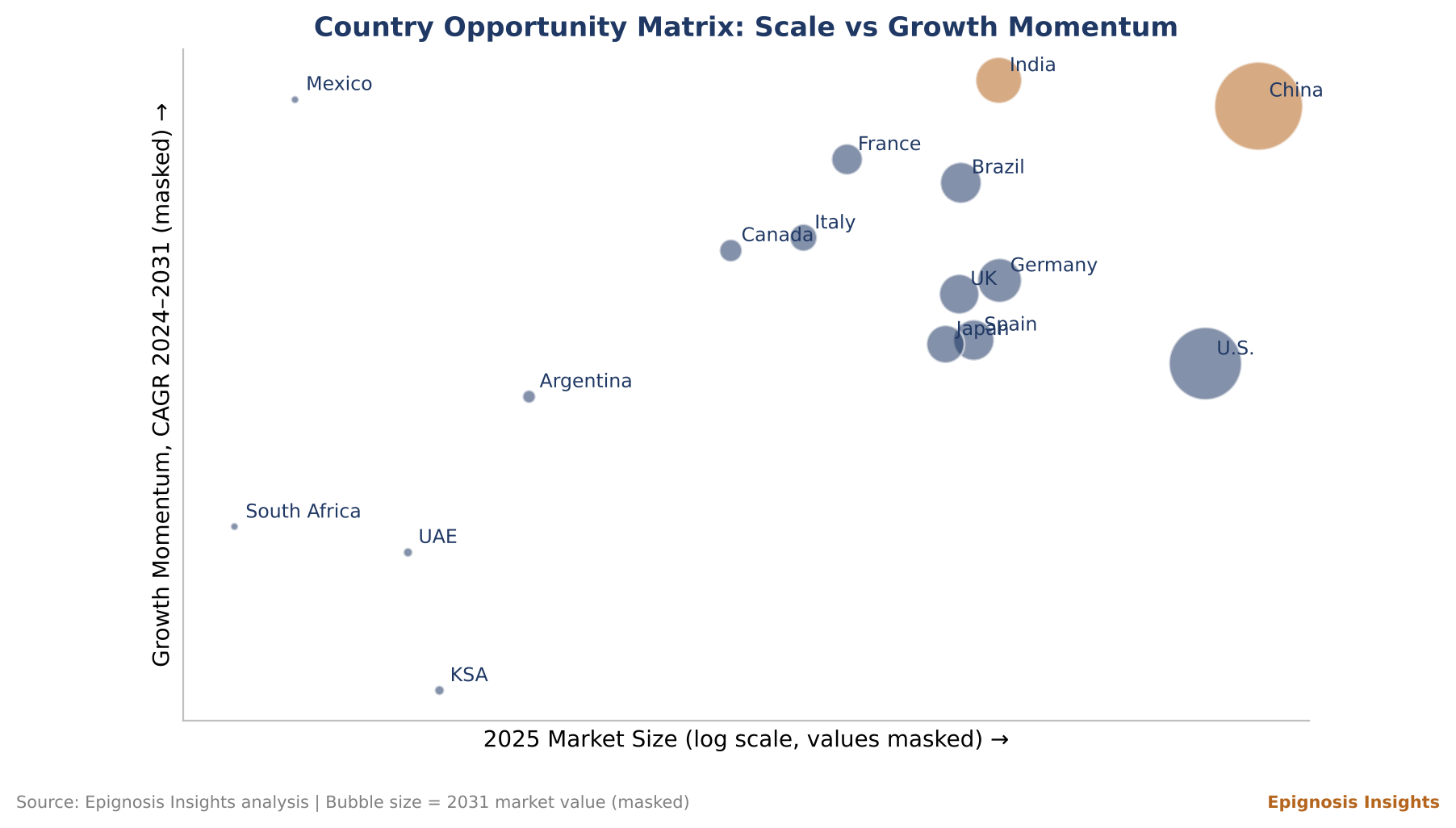
Figure 9: Country Opportunity Matrix: Scale vs Growth Momentum
Global Wind Blade Bonding Adhesives Market: Competitive Landscape
Key companies analyzed within the global wind blade bonding adhesives market are: BASF, 3M, Sika AG, Swancor, Huntsman, Bostik (Arkema), Parker LORD, Ashland, H.B. Fuller Company and others.
The competitive landscape combines diversified chemical groups, specialist adhesive companies and regionally focused formulators. Multinational suppliers compete on global qualification across several blade factories, consistent performance on very long blades and the ability to support customers with dispensing and process engineering. Regional formulators, particularly in China, compete on price, proximity and responsiveness to high-volume onshore blade lines.
Corporate structure has also consolidated. Arkema completed its acquisition of Ashland's Performance Adhesives business on 28 February 2022, integrating its structural adhesive activities into Bostik, Arkema's adhesive solutions segment. The former Ashland structural adhesives portfolio should therefore be assessed within the Bostik and Arkema competitive position. Similarly, LORD Corporation operates as Parker LORD within Parker Hannifin following its acquisition in 2019.
Epignosis Insights Competitive Assessment Framework (EICAF)
The Epignosis Insights Competitive Assessment Framework (EICAF) for the global wind blade bonding adhesives market evaluates companies across 10 weighted parameters reflecting how blade manufacturers actually select adhesive suppliers. Blade OEM qualification and approvals receive the highest weighting at 15%, because an adhesive cannot be used in serial production without approval on a specific blade model. Fatigue and bondline performance receive 14%, reflecting the importance of long-term structural reliability. Product portfolio breadth, regional production footprint and technical service and dispensing support each receive 10%. Cost competitiveness and innovation and R&D each receive 9%, while sustainability and recyclable chemistry and supply security of raw materials each receive 8%. Brand and customer intimacy receives 7%. The total weighting equals 100%.
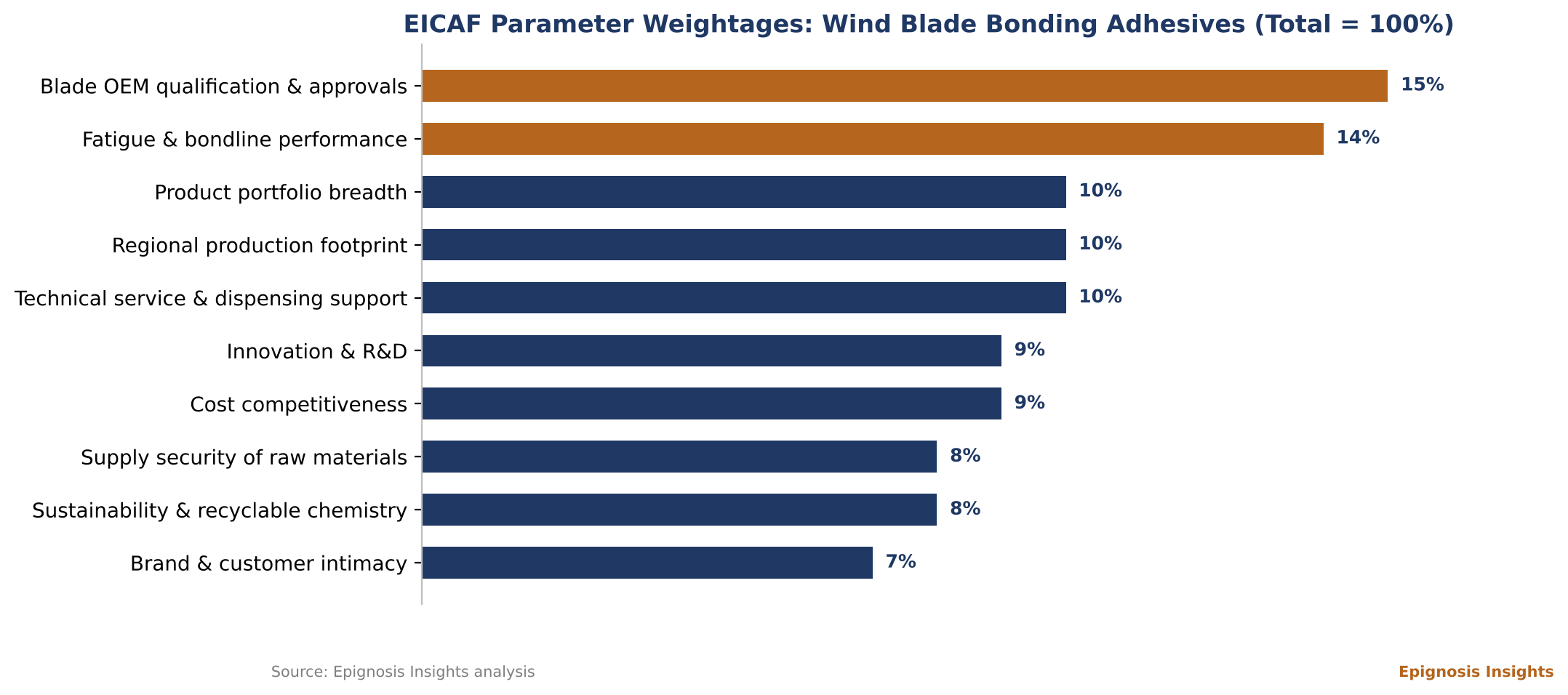
Figure 10: EICAF Parameter Weightages
EICAF Scoring Method
Each company is assigned a score from 1 to 5 against every parameter, and the weighted score is calculated as Company Score × Parameter Weightage. The resulting EICAF score allows a structured comparison of competitive capability that does not rely solely on revenue or market share. This approach is particularly relevant to the wind blade bonding adhesives market because companies compete through distinct models, including global multi-industry adhesive platforms, specialist wind composites suppliers and regional formulators serving domestic blade clusters. Company-level EICAF scores, market share estimates and product benchmarking are available in the full report.