Global Kraft Paper Price Tracker
Monthly Edition | October 2026 | Preview


Monthly Edition | October 2026 | Preview
Global Kraft Paper Price consolidated in October 2026 after a strong third quarter. According to Epignosis Insights, the Epignosis Global Kraft Paper Price Index was unchanged month on month at XXX.X points, leaving it XX.X% higher than in October 2025. North American kraft linerboard held flat after a US$70 per short ton step-up in September, taking the year-to-date recognised gain to US$170 per short ton, while European kraftliner was broadly stable at €930–960/t delivered Poland. Asian recycled kraft grades moved X.X% as Chinese mills continued to push small, repeated increases into a soft domestic market.
Epignosis Insights’ central reading is that October marks a pause rather than a peak. Mill operating rates remain high after capacity closures, European energy costs are still rising, and producers have pending increases that market participants expect to be recognised into early 2027. Against that, box shipments and converting volumes are softer than mills expected. The Epignosis base case is for the global index to rise 3% to 5% between October 2026 and March 2027; the bear and bull ranges and full regional detail are in the complete report.
Table 1 summarises the core benchmarks tracked by Epignosis Insights. In this preview edition, roughly one in five values is displayed.
| Benchmark | Sep 2026 | Oct 2026 | m/m change |
| Kraft linerboard, North America (US$/short ton) | XX,XXX | XX,XXX | Unchanged |
| Kraftliner 170 g, delivered Poland (€/t) | 930–960 | 930–960 | Unchanged |
| White-top kraftliner, Europe (€/t) | XX,XXX | XX,XXX | XX,XXX |
| Testliner 2, Europe (€/t) | XX,XXX | XX,XXX | Unchanged |
| Recycled kraft paper, China (CNY/t) | XX,XXX | XX,XXX | XX,XXX |
| Kraft paper, India (INR/kg) | XX,XXX | XX,XXX | XX,XXX |
| Sack kraft paper, Europe (€/t) | XX,XXX | XX,XXX | XX,XXX |
| Unbleached kraft packaging paper, US (US$/ton) | XX,XXX | XX,XXX | XX,XXX |
Table 1: Global kraft paper monthly price snapshot. Grey cells masked in preview. Source: Epignosis Insights.
North American containerboard prices paused in October following the sharpest monthly move of the year. Packaging Dive, reporting the October data release, noted that no further increase was recognised in October after linerboard gained US$70 per ton and corrugating medium US$100 per ton in September, leaving year-to-date net gains at US$170 per ton for linerboard and US$200 per ton for medium. Market contacts expect the third 2026 round of increases to continue being implemented through March 2027. Epignosis Insights estimates the October kraft linerboard reference at US$XXX per short ton, XX% above October 2025, with unbleached kraft packaging paper up a further X.X% on the month.
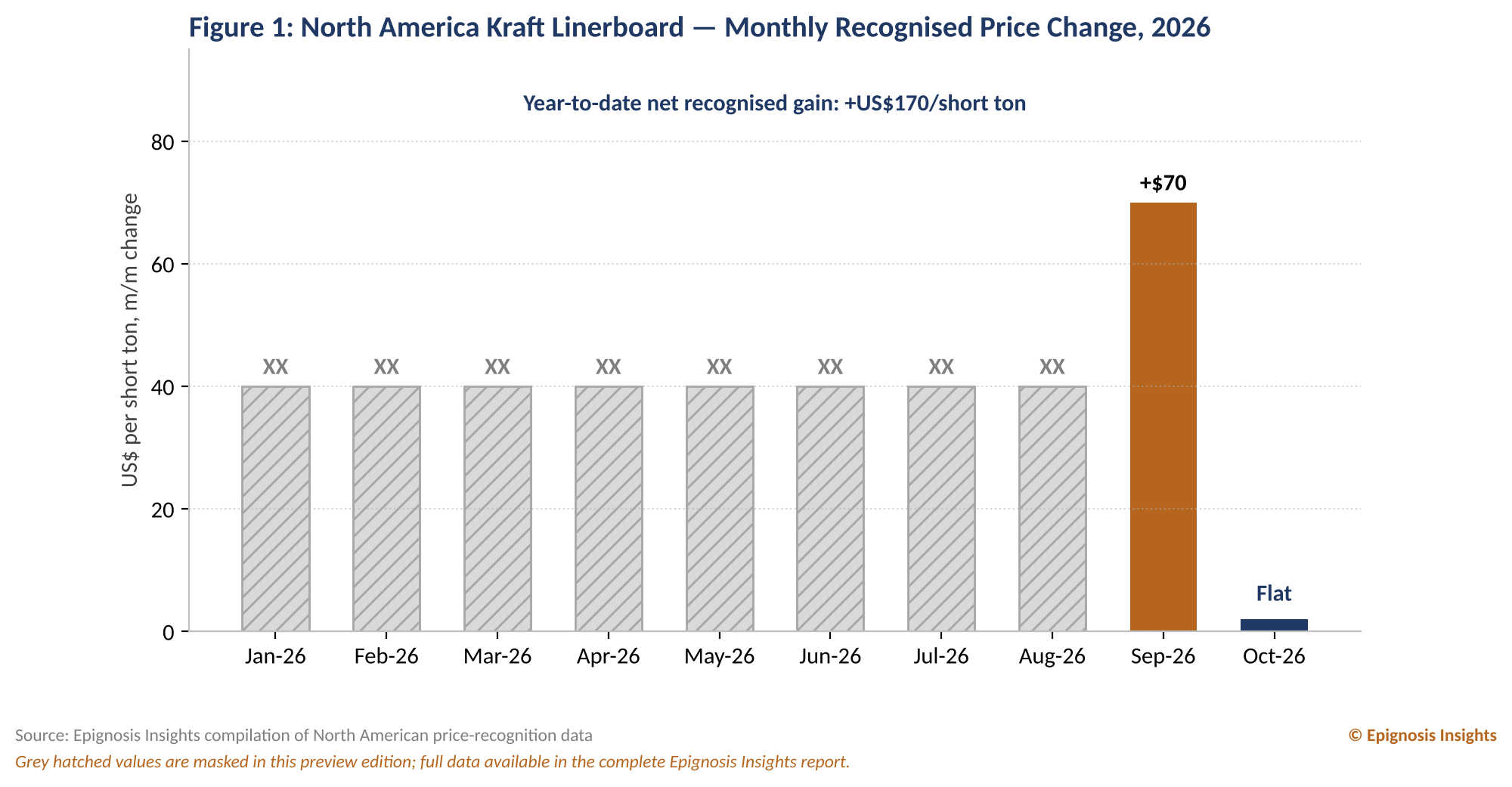
Figure 1: North America kraft linerboard monthly recognised price change, 2026 (Source: Epignosis Insights)
European prices were steady despite intensifying cost pressure. Fastmarkets assessed kraftliner 170 g delivered Poland at €930–960/t in October, unchanged on the month, with recycled testliner grades also flat on reportedly good demand; participants warned that high energy costs could force temporary mill closures over the winter. Epignosis Insights estimates the West European white-top kraftliner average at €X,XXX/t and sack kraft paper at €X,XXX/t, with sack kraft holding a premium of XX% over brown kraftliner as construction-material demand remains subdued.
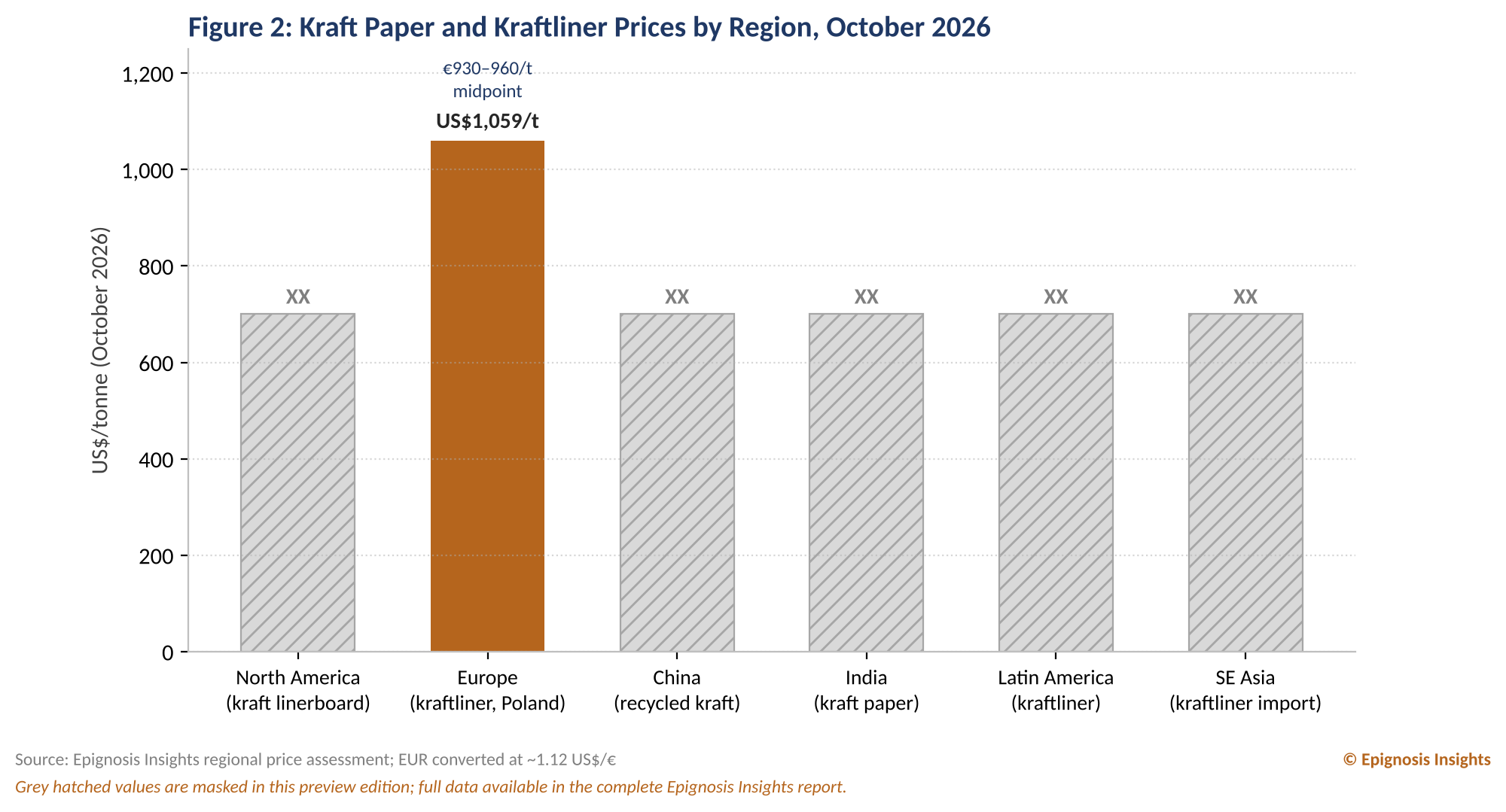
Figure 2: Kraft paper and kraftliner prices by region, October 2026 (Source: Epignosis Insights)
In China, producers continued the 2026 pattern of frequent, modest increases. Nine Dragons Paper raised prices for recycled kraft paper, recycled kraft linerboard and corrugating medium in repeated rounds of around CNY 50–80/t at bases including Taicang, Dongguan and Hubei through the year, typically paired with maintenance downtime to support pricing. Epignosis Insights assesses Chinese recycled kraft at CNY X,XXX/t in October, with realised gains lagging announcements by XX%. Indian kraft paper prices eased X.X% on ample recycled-fibre supply, while Latin American kraftliner export offers were X.X% higher on firmer North American demand.
The spread between virgin kraftliner and recycled testliner remains one of the most useful signals in the market. In Europe, the gap between brown kraftliner and testliner 2 stood at roughly €XXX/t in October, close to its widest level of the past XX months, reflecting the stronger cost push on virgin mills from energy and wood fibre compared with recycled mills, which benefit from relatively stable recovered-paper costs. Epignosis Insights expects the spread to narrow by XX–XX €/t over the winter as recycled producers implement their own energy surcharges. In North America, the premium for white-top kraftliner over brown grades was steady at US$XX per short ton, while sack kraft paper continued to command a premium over standard kraft packaging paper because of its specialised strength and porosity requirements. These spreads matter for buyers deciding whether to substitute recycled grades for virgin kraft; Epignosis Insights’ full report models the switching thresholds by end use.
Input costs remain the main argument behind producer price initiatives. On the virgin-fibre side, Suzano announced increases for bleached eucalyptus kraft pulp of US$50/t for Europe and the Americas and US$20/t for Asia effective October, signalling firm pulp markets heading into winter. In Europe, EUWID reported that German cartonboard producer Weig planned to raise recycled board prices from 1 October, citing higher costs for energy, recovered paper, chemicals and logistics, a combination that applies equally to kraft paper mills.
Energy is the dominant variable for European mills. Epignosis Insights’ Europe Natural Gas Price Tracker shows the Dutch TTF benchmark averaging about €84/MWh in mid-November, roughly 2.7 times year-ago levels, which Epignosis estimates adds XX–XX €/t to the cash cost of a typical integrated kraftliner mill compared with 2025. Recovered paper (OCC) prices moved X.X% in October, and freight costs remain elevated on high diesel prices.
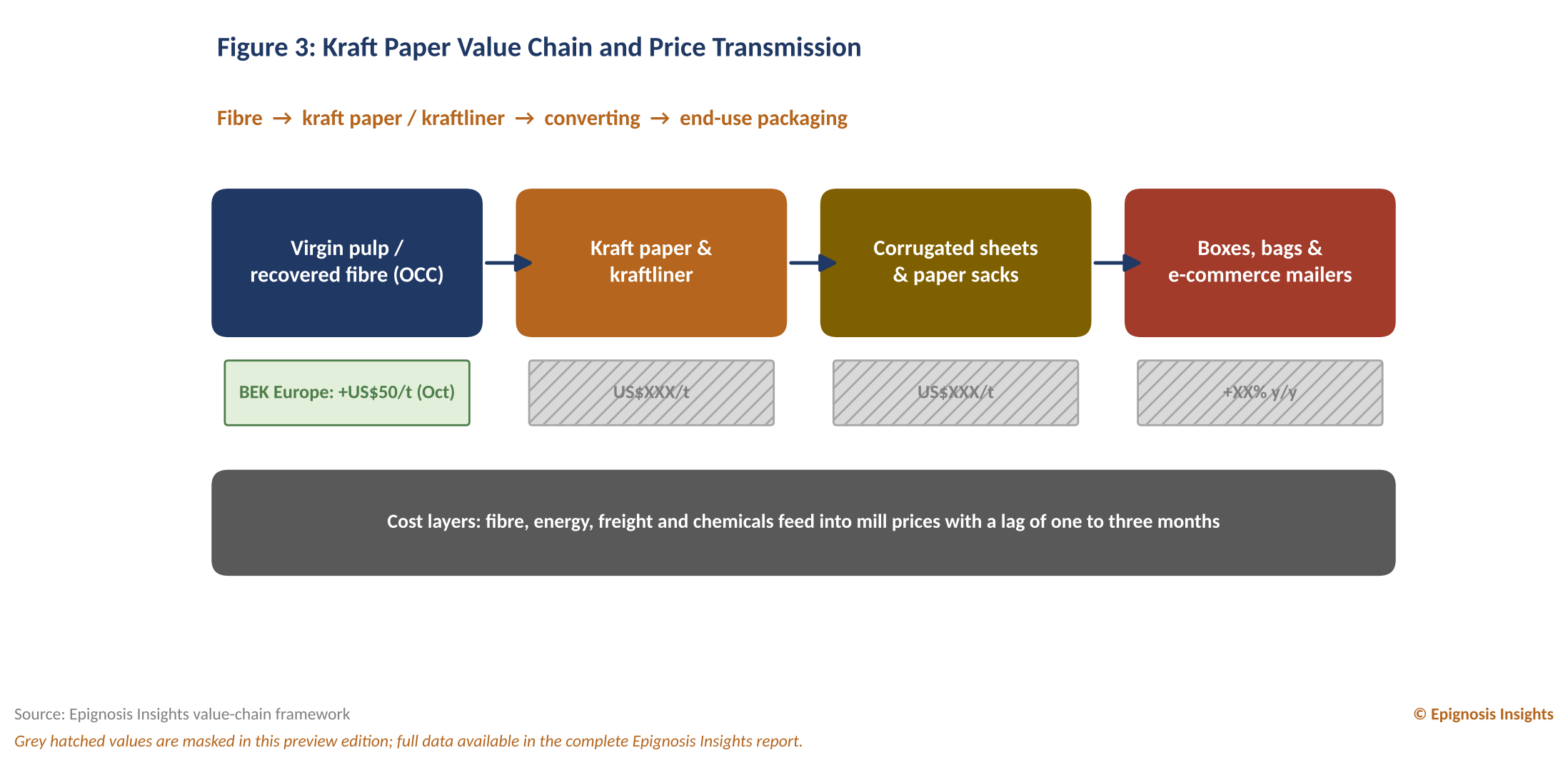
Figure 3: Kraft paper value chain and price transmission (Source: Epignosis Insights)
Supply discipline continues to underpin pricing. The American Forest & Paper Association reported that the US containerboard industry operating rate stayed above 94.5% in the third quarter for a second consecutive quarter, lifting the year-to-date rate 2.5 points above 2025, while production fell 1.6% year on year as earlier closures removed capacity. Epignosis Insights estimates that roughly a tenth of US containerboard capacity has been retired since early 2025, and that global kraftliner capacity utilisation stood at XX.X% in the third quarter.
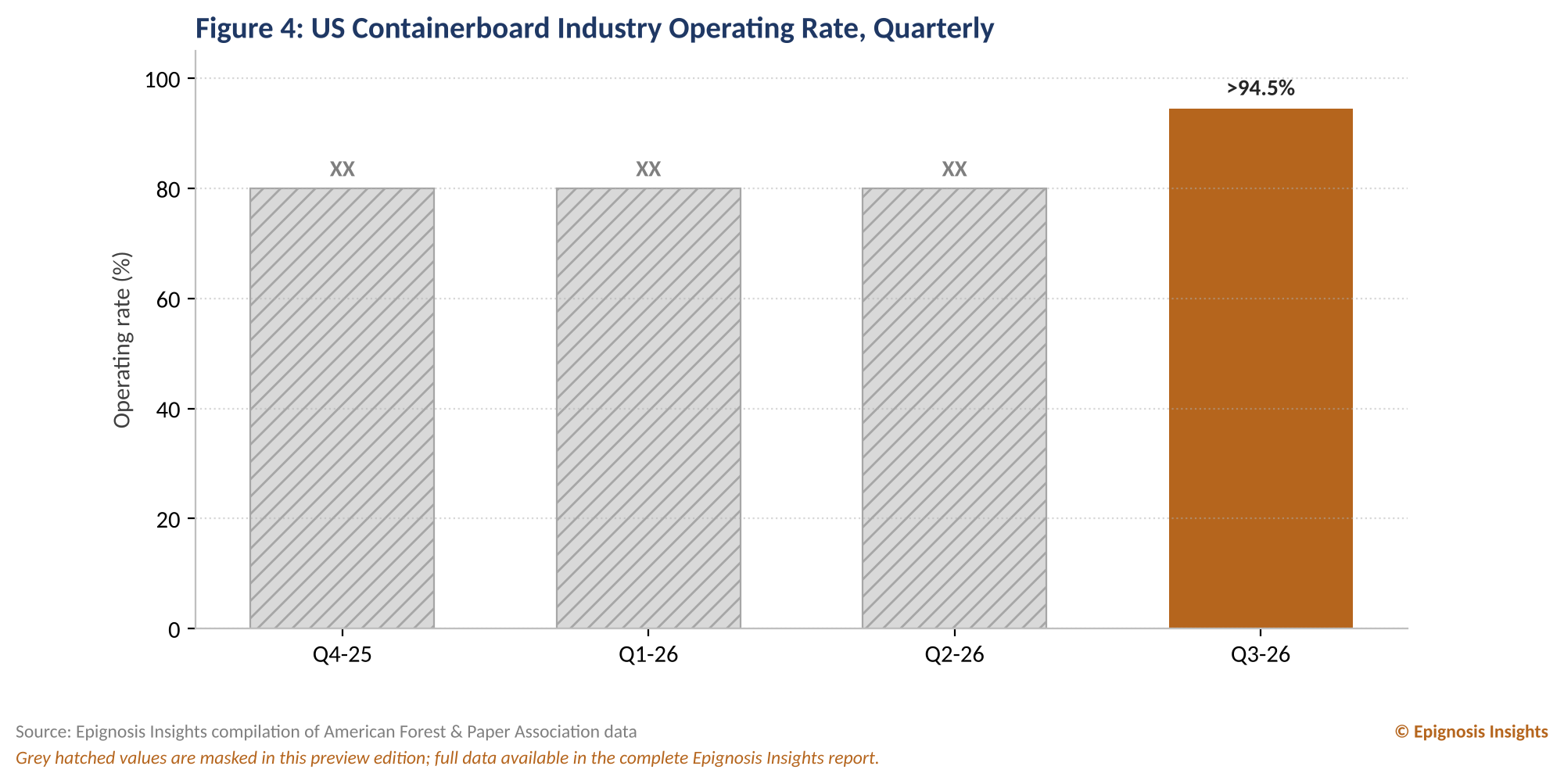
Figure 4: US containerboard industry operating rate, quarterly (Source: Epignosis Insights)
Demand is the softer half of the balance. The Fibre Box Association reported a decline in third-quarter US box shipments, consistent with producer comments that converting volumes were weaker than anticipated. By contrast, e-commerce mailers and paper-based alternatives to plastic continue to support kraft packaging paper, and Epignosis Insights estimates global kraft paper demand growth at X.X% for 2026, led by XXXX and XXXX.
Trade flows add a further layer. US containerboard exports have fallen as domestic mills prioritise home-market customers at higher prices, tightening availability of American kraftliner in Latin America, Asia and Europe. Epignosis Insights estimates that US kraftliner exports declined XX% year on year in the first nine months of 2026, which has supported export offers from Brazilian and Nordic producers. In Asia, Chinese recycled kraft continues to face competition from imported virgin grades, keeping a ceiling on domestic increases despite repeated mill announcements.
Official price data confirm the upward trend reaching invoices. The US Bureau of Labor Statistics producer price index for paperboard rose to 379.5 in September 2026 from 373.7 in August, roughly 6% above its October 2025 level, confirming that mill increases are now feeding through to transaction prices.
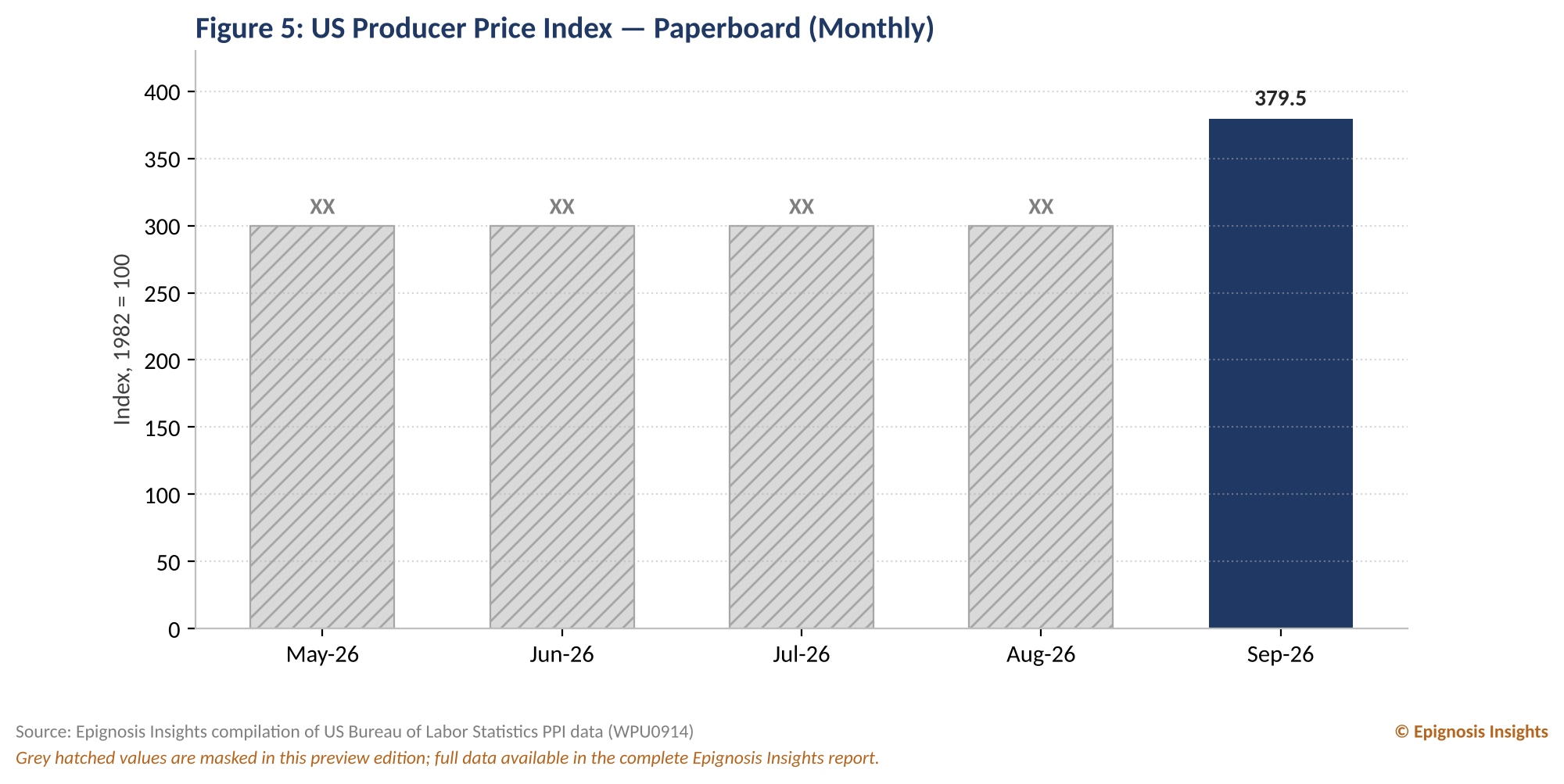
Figure 5: US producer price index for paperboard, monthly (Source: Epignosis Insights)
Producers are pressing for recovery of cost inflation. Packaging Corporation of America opened the third 2026 round with a US$140 per ton containerboard increase in late July, roughly double the typical step, and other major producers followed with increases of XX–XXX per ton. Smurfit Westrock reported third-quarter 2026 net sales of US$8.16 billion and adjusted EBITDA of US$1.21 billion, said its North American mills were sold out in all containerboard grades, and indicated that further net increases of about US$170 per ton in North America and about €140 per tonne for European testliner should flow through in the first half of 2027. Truist Securities expects producers to seek a further US$50 per ton increase in April 2027.
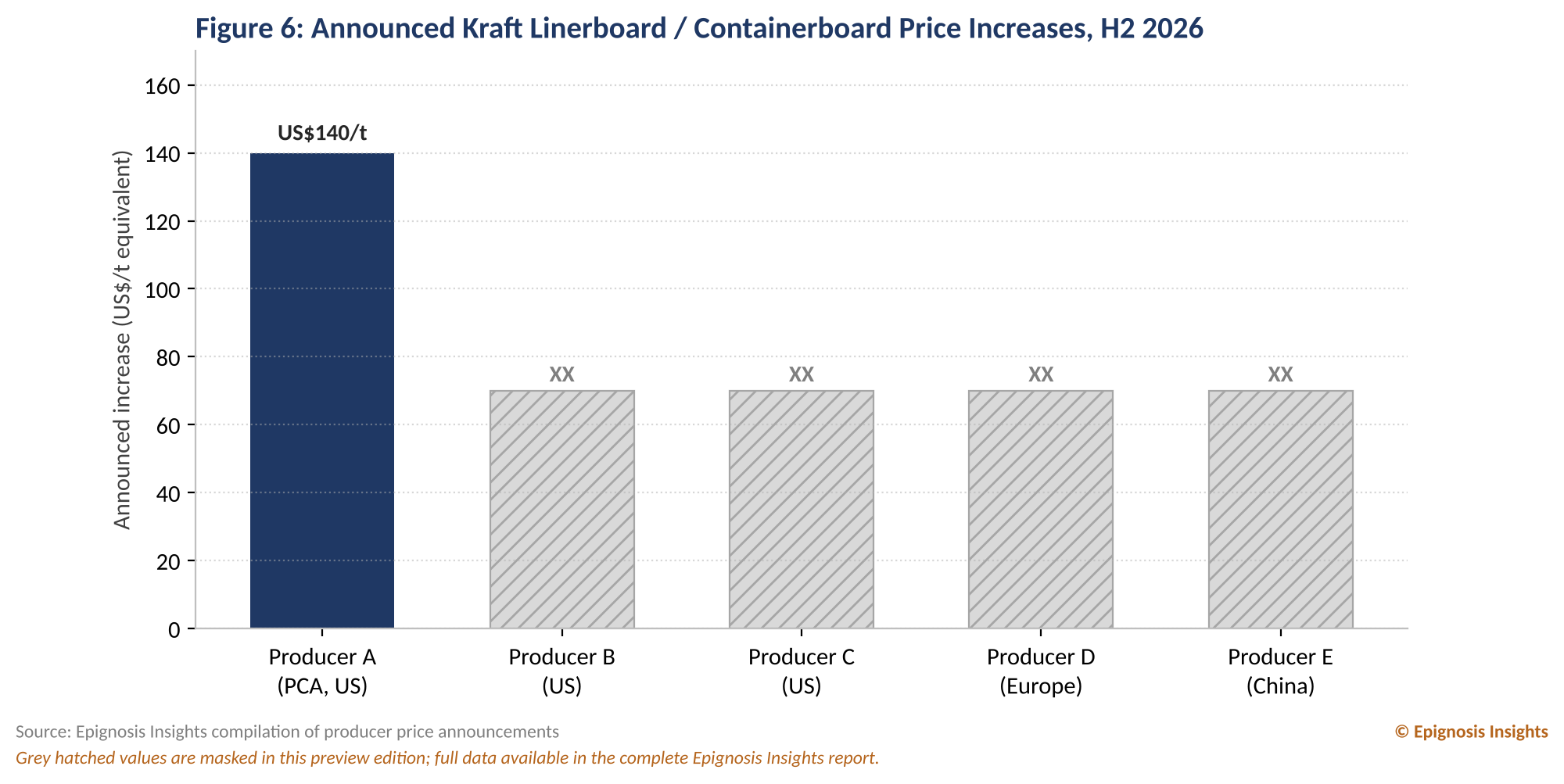
Figure 6: Announced containerboard and kraft linerboard price increases, H2 2026 (Source: Epignosis Insights)
Figure 7 summarises the Epignosis Insights price-formation framework. Supportive drivers are capacity closures in North America, energy cost inflation in Europe, high freight and diesel costs, and structural demand from e-commerce mailers and sack applications. Bearish drivers are softer box shipments and converting volumes, buyer resistance to a third consecutive round of increases, and oversupply in parts of the Chinese recycled market. Fibre costs and the recognition lag in published indices act as modifiers that determine how quickly announced increases reach transaction prices.
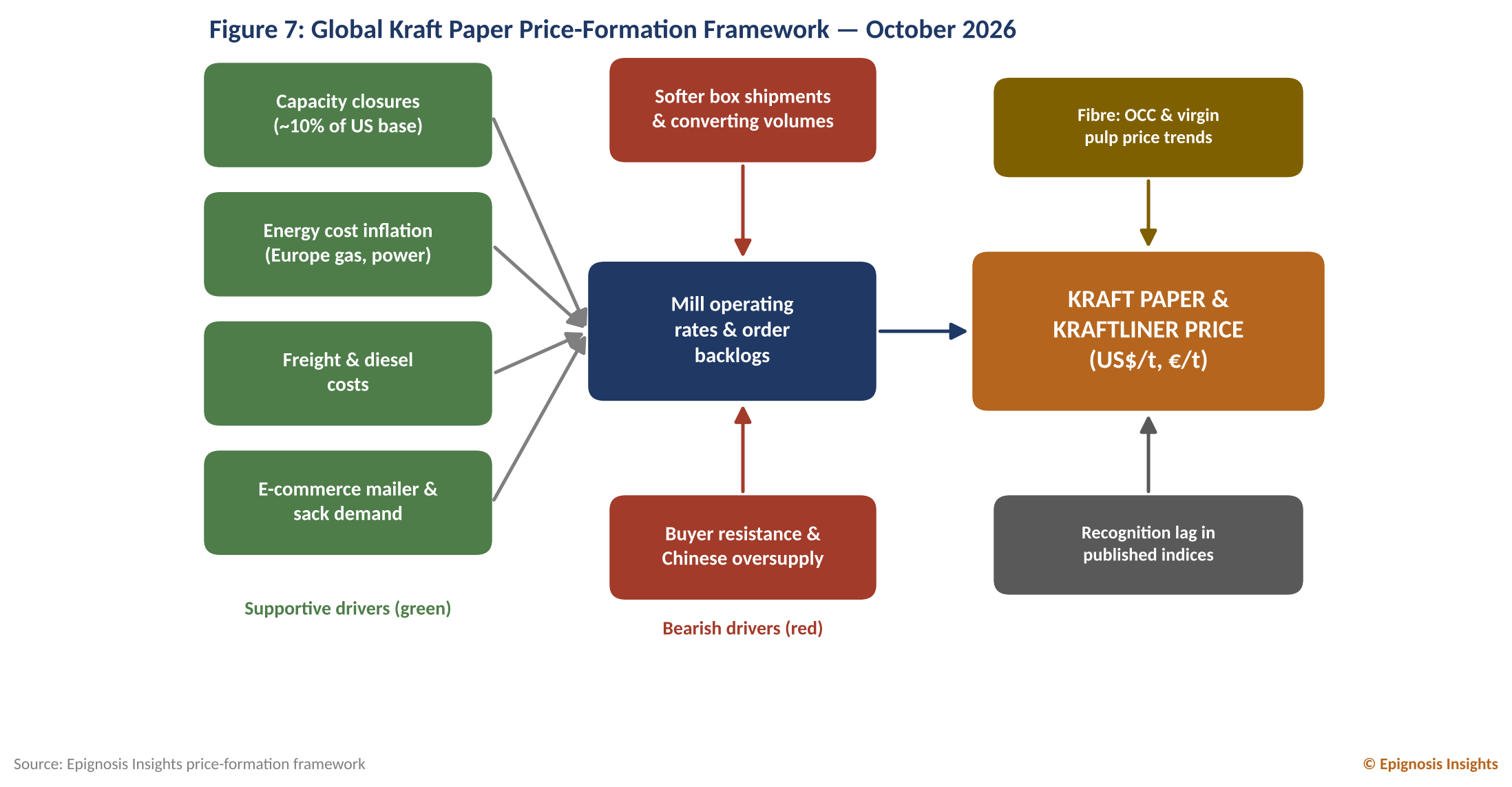
Figure 7: Global kraft paper price-formation framework (Source: Epignosis Insights)
Epignosis Insights’ scenario modelling places the change in the Global Kraft Paper Price Index between October 2026 and March 2027 in a base-case band of +3% to +5% (central +4%), driven mainly by recognition of pending North American and European increases. The bear case assumes demand weakness stalls recognition, and the bull case assumes a European energy spike combined with further mill closures; both are quantified in the complete report with regional and grade-level projections. Probability weightings stand at XX% base, XX% bear and XX% bull.
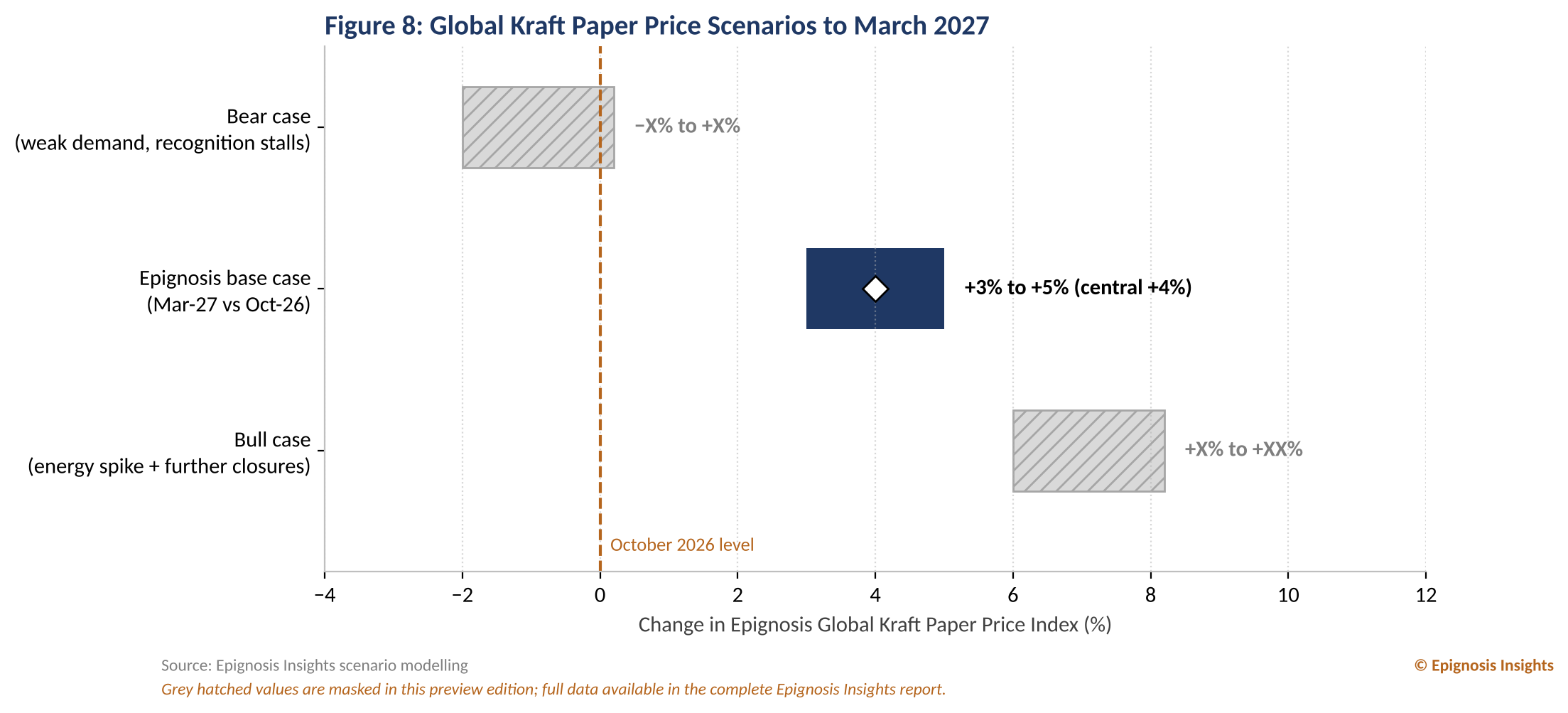
Figure 8: Global kraft paper price scenarios to March 2027 (Source: Epignosis Insights)
Four checkpoints will shape the next move: November and December recognition of the third 2026 increase round, European winter energy prices and any temporary mill shutdowns, fourth-quarter box shipment data, and producer announcements for the spring 2027 pricing cycle.
For packaging converters and brand owners, Epignosis Insights recommends securing first-half 2027 volumes before pending increases are fully recognised, and negotiating index-linked contracts with caps and floors referenced to published kraftliner benchmarks. Kraft paper producers should prioritise cost-pass-through clauses tied to energy and freight, particularly in Europe. Buyers in Asia can use the gap between Chinese announced and realised prices as negotiating leverage. Investors should note that producer margins are likely to lag price increases by one to two quarters, with relief concentrated in 2027.