Key Findings
- U.S. vascular closure devices market is projected to reach US$1,013.5 million by 2032 from US$624.6 million in 2024.
- Market revenue is expected to grow at a 6.2% CAGR from 2024 to 2032, with year-on-year growth accelerating from 4.1% in 2024 to 7.2% by 2032.
- Unit sales are projected to increase from 3.55 million devices in 2024 to 5.98 million devices by 2032, a volume CAGR of 6.7%.
- The blended average selling price is expected to ease from about US$176 per unit in 2024 to US$170 by 2032, driven by mix and modest price pressure.
- Active approximators account for 58.9% of 2025 market value, led by suture-based devices at US$266.7 million.
- Compression assist devices represent 40.2% of units sold in 2025 but only 12.6% of market value.
- Suture-based devices are expected to deliver 42% of the market's incremental value between 2024 and 2032.
- Radial access closure is the faster growing access segment at a 7.1% CAGR, lifting its share of value from 29.1% in 2024 to 31.0% by 2032.
- Interventional radiology and vascular surgery is the faster growing procedure segment at a 7.8% CAGR.
- Large-bore and venous closure for structural heart and electrophysiology procedures is the most active area of product development and acquisition.
U.S. Vascular Closure Devices Market Outlook
U.S. Vascular Closure Devices Market was valued at US$624.6 million in 2024 and is estimated at US$655.0 million in 2025. Epignosis Insights projects the market to reach US$1,013.5 million by 2032, expanding at a CAGR of 6.2% between 2024 and 2032. The market has grown from US$521.0 million in 2020 and is expected to cross the US$1 billion threshold in the final year of the forecast period.
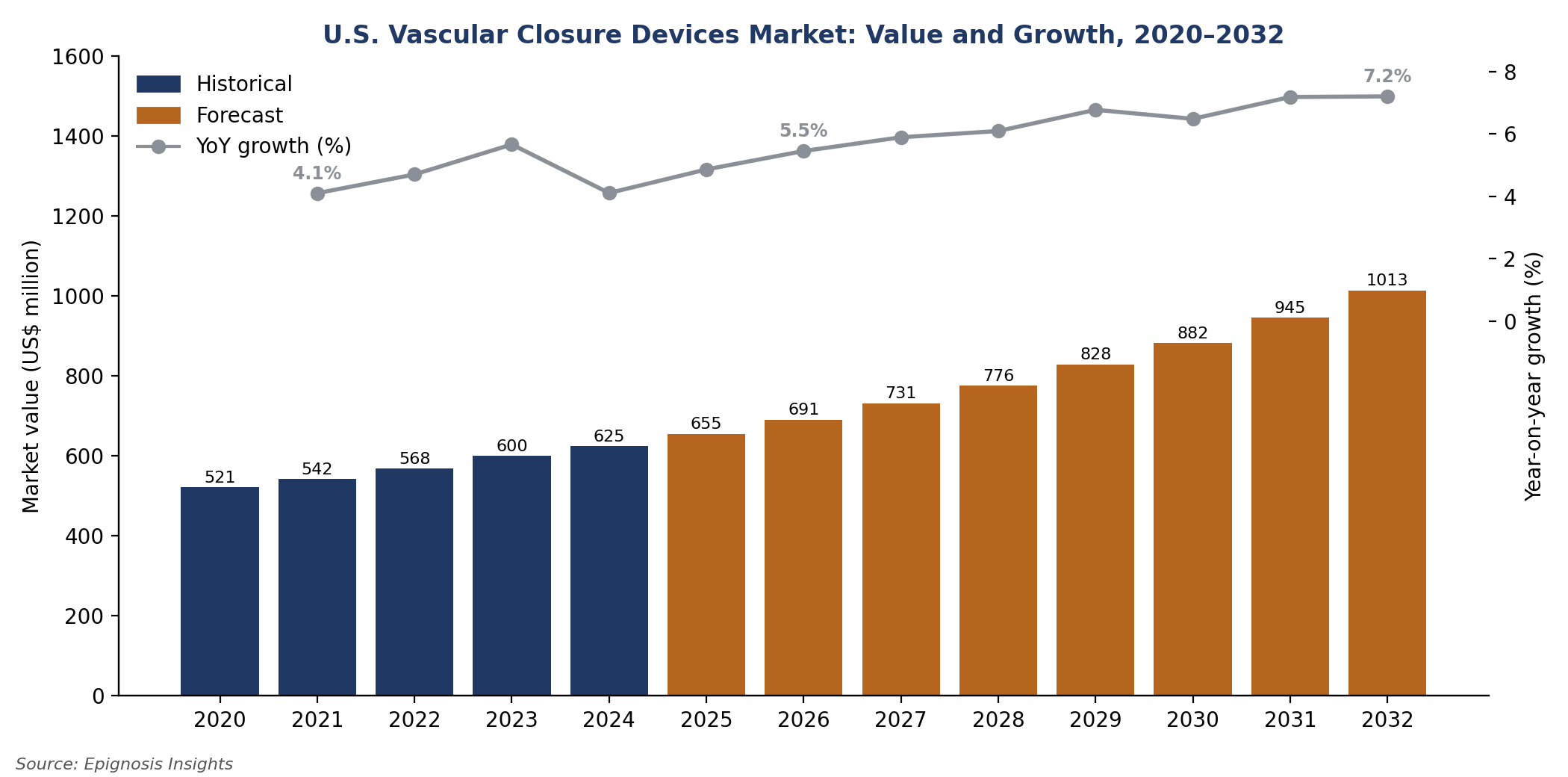
Figure 1: U.S. Vascular Closure Devices Market: Value and Growth, 2020–2032
Growth has followed an uneven path in the recent past. The market expanded by 4.1% in 2021, 4.7% in 2022 and 5.7% in 2023 as catheterization laboratory volumes recovered from pandemic disruption, before slowing to 4.1% in 2024 as hospital capital and staffing constraints moderated procedure growth. From 2025 onward, Epignosis Insights expects a steady acceleration, with annual growth of 4.9% in 2025, 5.9% in 2027, 6.8% in 2029 and 7.2% by 2032.
This acceleration is driven less by traditional coronary diagnostics, which are a mature procedure base, and more by the rapid expansion of catheter-based structural heart, electrophysiology and peripheral vascular interventions. These procedures increasingly require reliable closure of larger or venous access sites, and they are performed in settings where same-day discharge and laboratory throughput are high priorities. As a result, the closure device is moving from a convenience item toward a workflow tool that directly affects hospital economics.
U.S. Vascular Closure Devices Market: Unit Volume and Pricing
Epignosis Insights estimates that 3.55 million vascular closure and hemostasis devices were sold in the United States in 2024, rising to 3.74 million in 2025. Unit sales are forecast to reach 5.98 million devices by 2032, growing at a CAGR of 6.7%, slightly faster than value growth of 6.2%. Unit volume has grown from 2.91 million devices in 2020, reflecting both growth in procedure numbers and wider use of closure devices in place of manual compression.
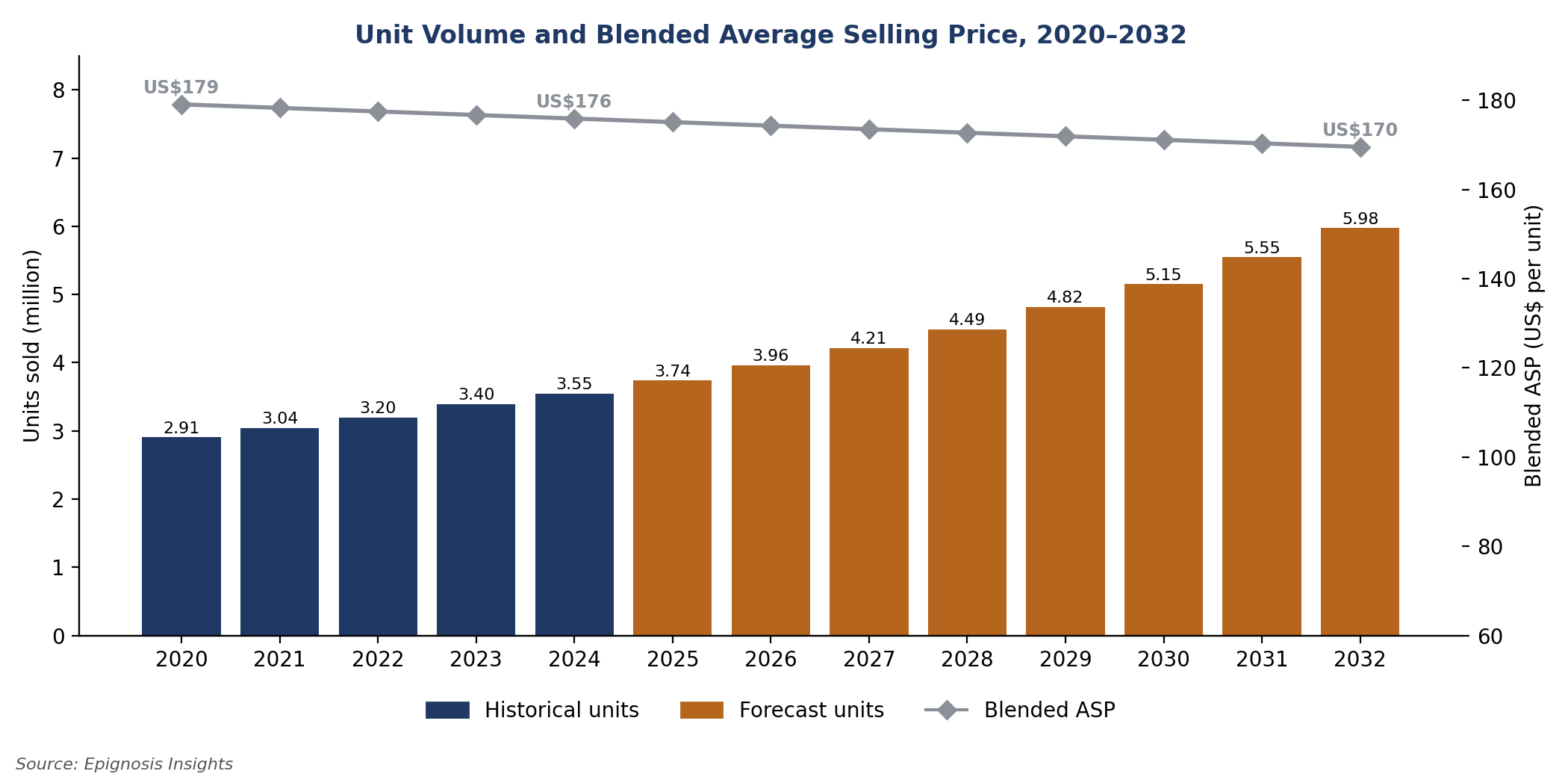
Figure 2: Unit Volume and Blended Average Selling Price, 2020–2032
Because volume is growing faster than value, the blended average selling price across all device types is declining gradually. Epignosis Insights estimates the blended price at about US$179 per unit in 2020, US$176 in 2024 and US$170 by 2032. The decline is modest, averaging less than 0.5% per year, and it is caused mainly by mix. The fastest growing categories by units include compression assist devices, which carry the lowest price points in the market, while premium suture-based and clip-based devices face gradual price pressure from group purchasing contracts and competition.
The relationship between units and price is an important indicator of market health. A market where units grow strongly while blended price falls only slightly is one where procedure growth is robust and where vendors are maintaining price discipline.
Epignosis Insights views this pattern as positive for the category, but it also shows that revenue growth increasingly depends on winning share in fast-growing procedure segments rather than on price increases.
U.S. Vascular Closure Devices Market: Analysis by Type
Active approximators, which mechanically close the arteriotomy using sutures or clips, form the largest segment by value. Epignosis Insights estimates their value at US$386.0 million in 2025, equivalent to 58.9% of the market. Passive approximators, which promote hemostasis using collagen, sealants or compression, account for US$264.9 million or 40.4%. External hemostatic devices, such as topical hemostatic pads, represent only US$4.0 million or 0.6%.
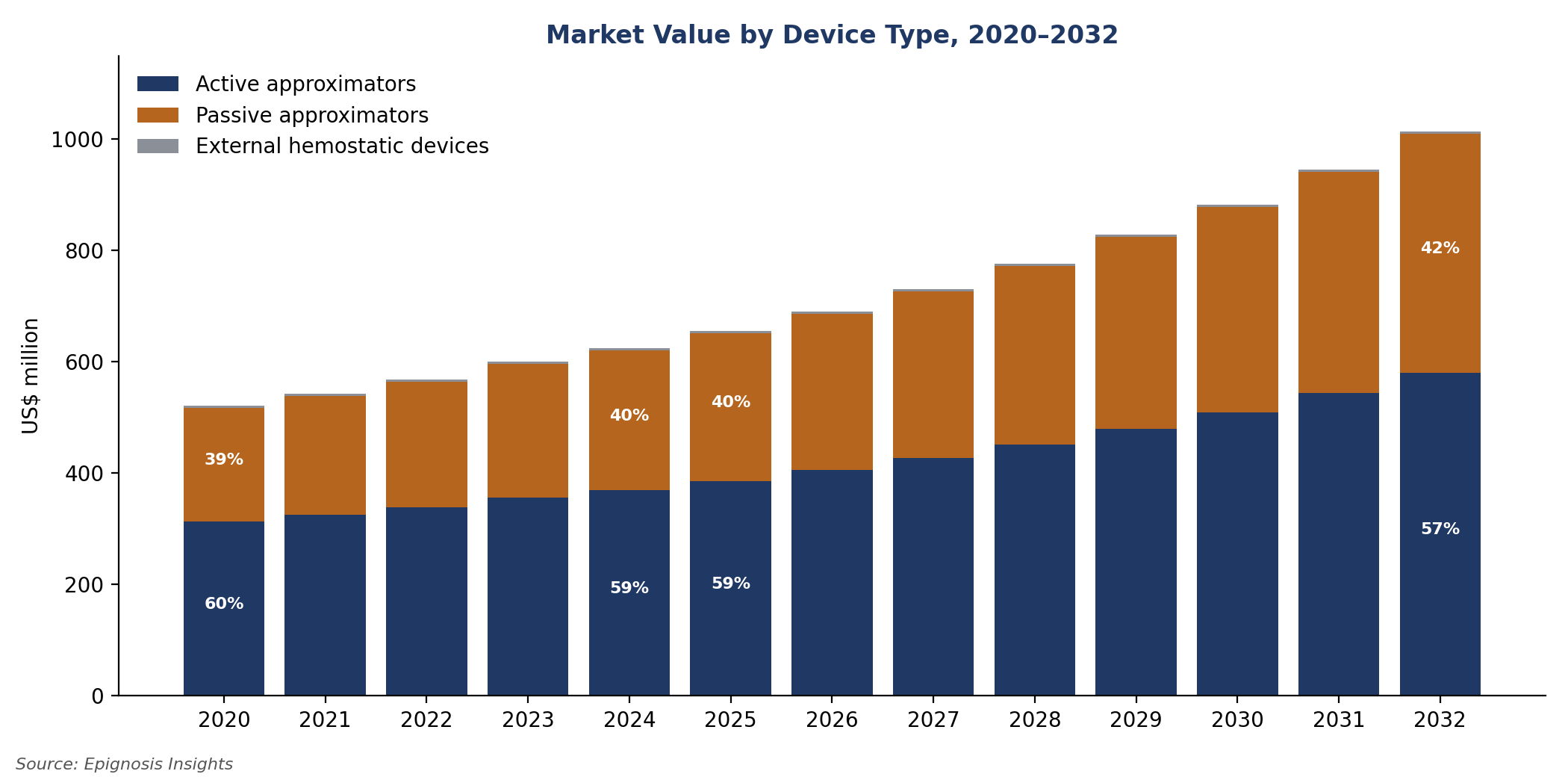
Figure 3: Market Value by Device Type, 2020–2032
The balance between the two main segments is gradually shifting. Passive approximators are forecast to grow at a 6.9% CAGR between 2024 and 2032, faster than active approximators at 5.8%. As a result, the passive share of value is expected to rise from 40.2% in 2024 to 42.3% by 2032, while active approximators decline from 59.2% to 57.3%. External hemostatic devices are essentially flat, growing at only 0.2% per year, as compression devices and closure devices displace simple topical products in most catheterization laboratories.
Within passive approximators, collagen plugs are the largest category at US$138.5 million in 2025, growing at a 7.2% CAGR. Compression assist devices, valued at US$82.7 million, are the fastest growing type in the entire market at 7.6%, benefiting directly from the growth of radial access. Sealant and gel-based devices are smaller at US$43.8 million and grow more slowly at 4.8%. Within active approximators, suture-based devices are the single largest product category at US$266.7 million, growing at 6.5%, while clip-based devices are valued at US$119.3 million and grow at 4.2%, the slowest of the major device types.
U.S. Vascular Closure Devices Market: Price-Mix Analysis
Comparing value share with unit share reveals the strong price stratification in the market. Compression assist devices represent 40.2% of all units sold in 2025 but only 12.6% of value. Suture-based devices are the mirror image, representing 17.5% of units but 40.7% of value. Collagen plugs are more balanced at 17.4% of units and 21.1% of value, while clip-based devices account for 10.4% of units and 18.2% of value. External hemostatic devices represent 7.6% of units but just 0.6% of value.
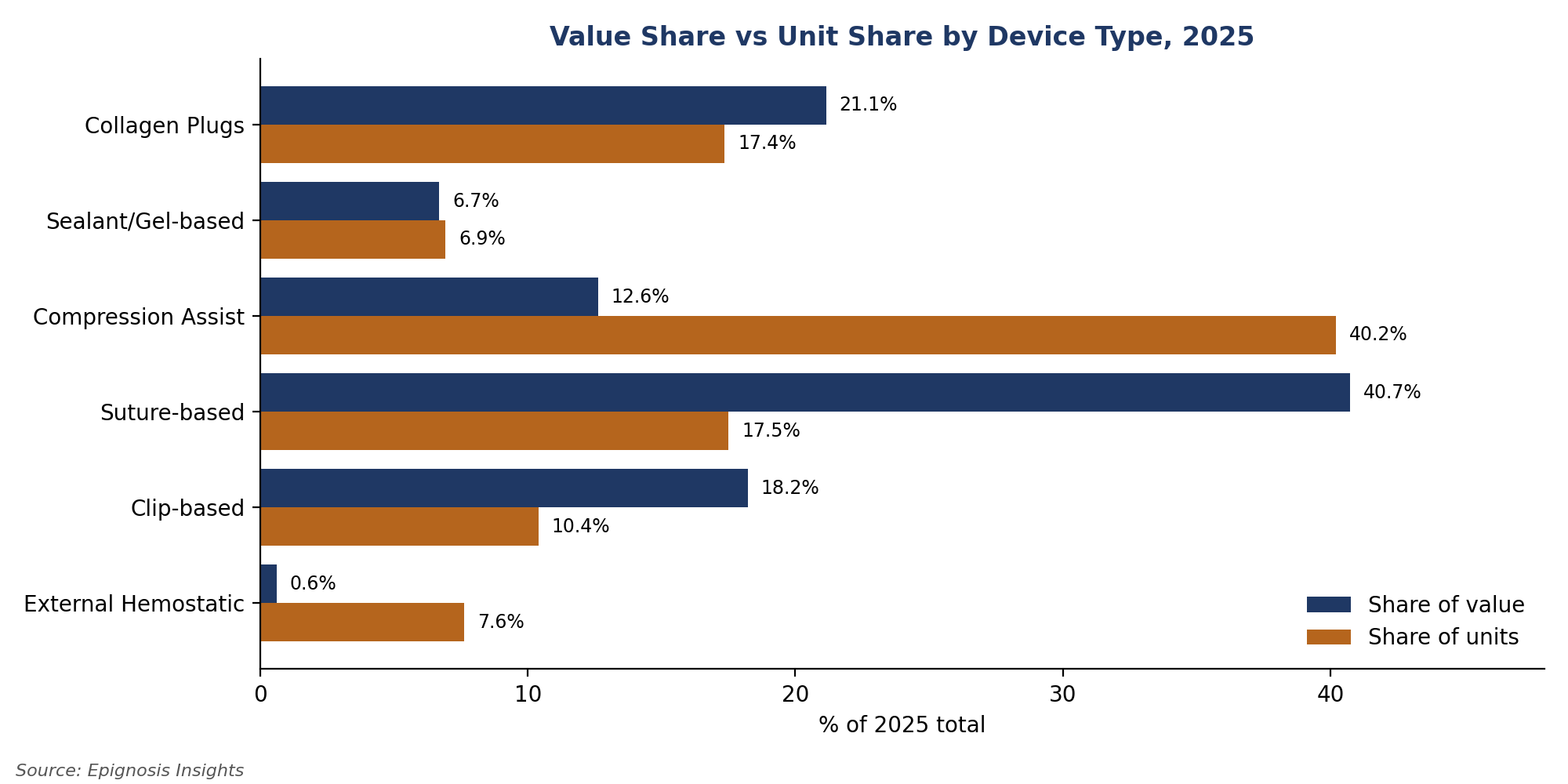
Figure 4: Value Share vs Unit Share by Device Type, 2025
These differences follow directly from pricing. Epignosis Insights estimates the 2024 average selling price of suture-based devices at about US$410 per unit and clip-based devices at US$310, reflecting their mechanical complexity and their use in interventional and large-bore procedures. Collagen plugs average about US$215 and sealant-based devices about US$170. Compression assist devices, which are typically non-invasive bands or pads, average about US$55, while external hemostatic pads average about US$14.
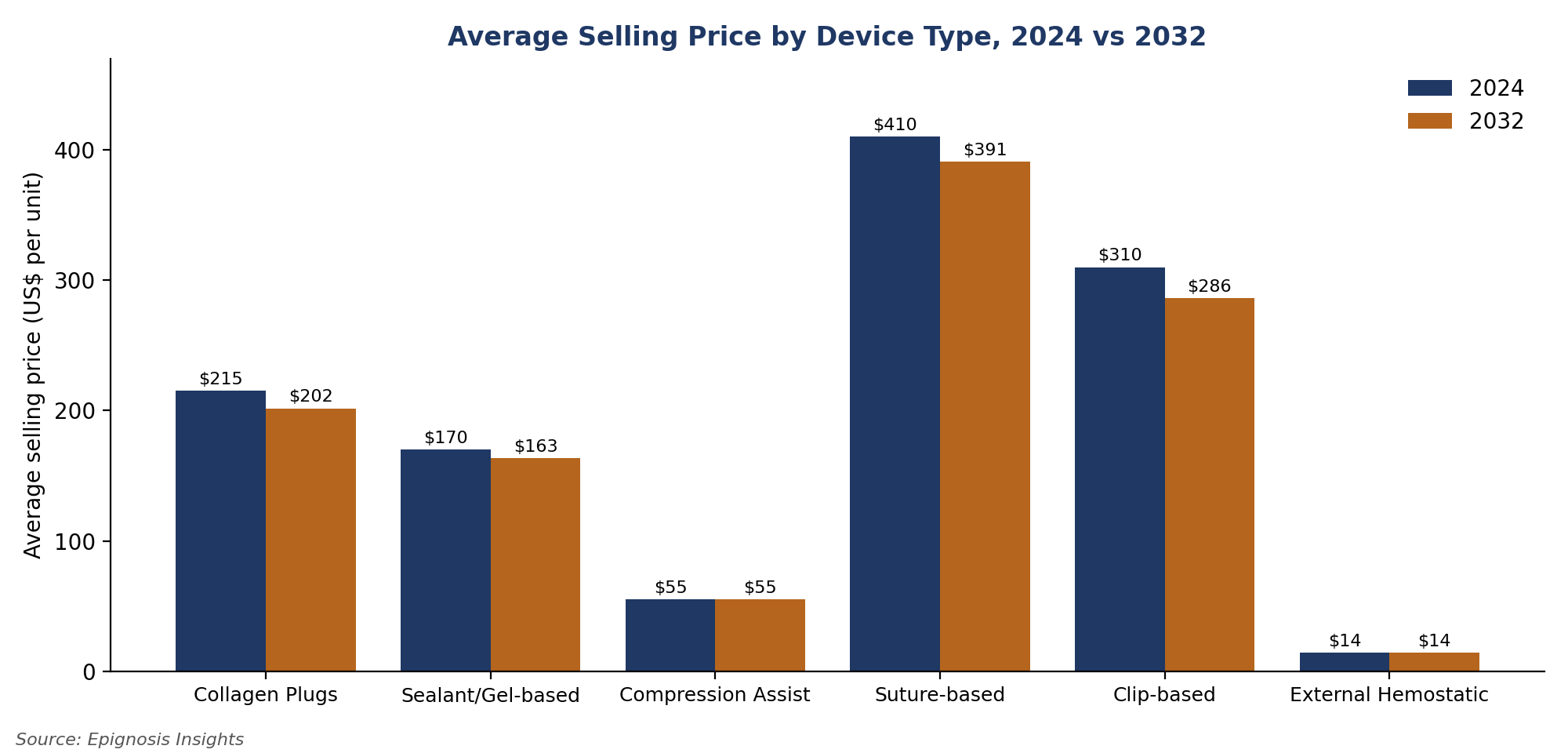
Figure 5: Average Selling Price by Device Type, 2024 vs 2032
Price trends vary by category. Suture-based devices are expected to ease to about US$391 by 2032 and clip-based devices to about US$286, as group purchasing organization contracts, competitive bidding and bundled agreements put pressure on premium devices. Collagen plugs are forecast to decline to about US$202. Compression assist and external hemostatic devices are expected to hold their prices, as they are already low-cost commodities where further discounting is limited. For manufacturers, the key implication is that premium devices must continually demonstrate clinical and workflow advantages to defend their price position.
U.S. Vascular Closure Devices Market: Unit Demand by Device Type
Unit demand is growing fastest in compression assist devices, which are forecast to rise from 1.41 million units in 2024 to 2.55 million by 2032. Collagen plugs are expected to grow from 0.61 million to 1.13 million units, and suture-based devices from 0.62 million to 1.07 million. Clip-based devices increase from 0.37 million to 0.56 million units, and sealant-based devices from 0.25 million to 0.38 million. External hemostatic devices remain broadly stable at around 0.29 million units.
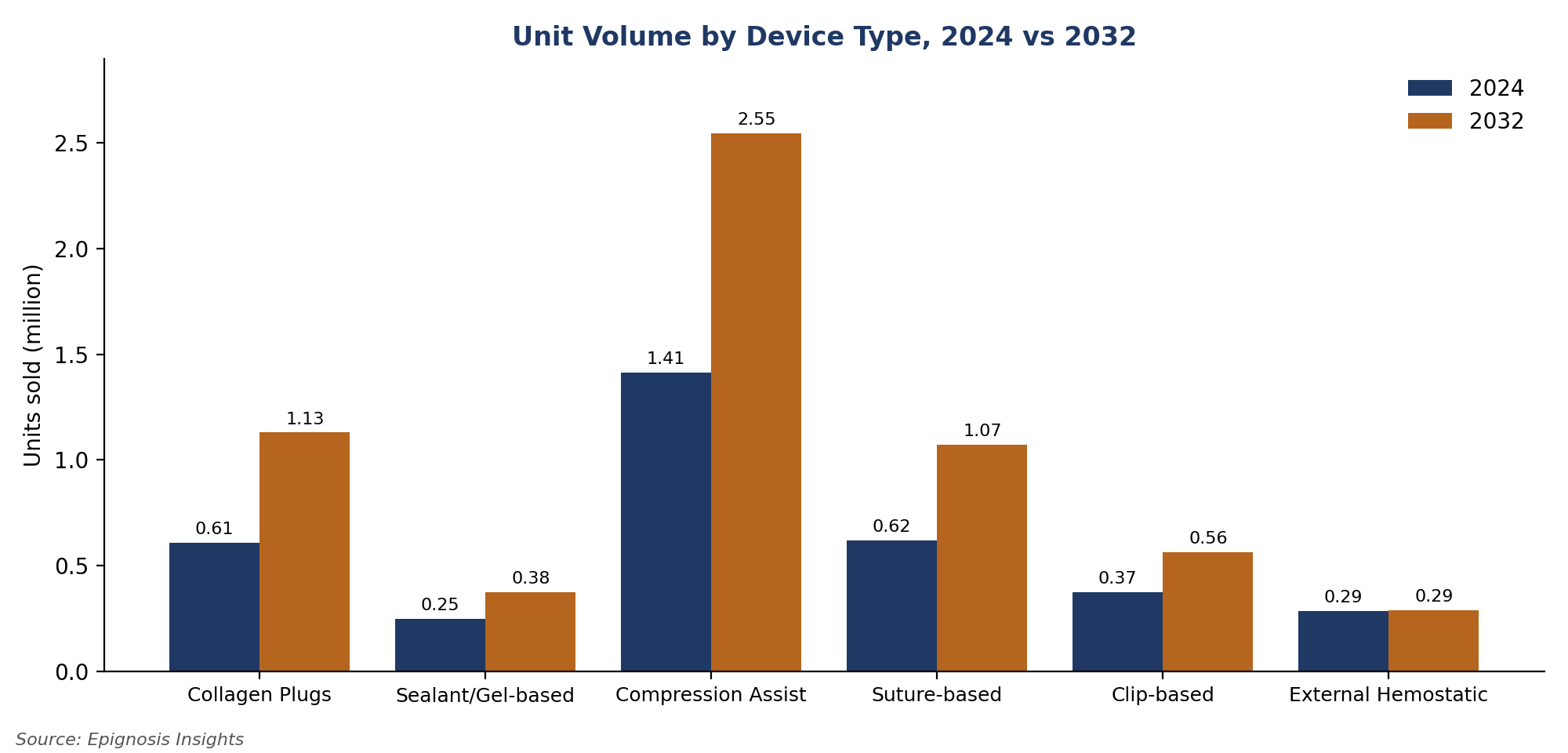
Figure 6: Unit Volume by Device Type, 2024 vs 2032
The unit picture highlights two distinct demand engines. The first is radial access, which almost always uses a compression band rather than an implantable closure device, and which is the main reason compression assist devices dominate unit growth.
The second is femoral access for interventional, structural heart and electrophysiology procedures, where implantable devices, particularly suture-based systems and collagen plugs, remain the standard of care. Manufacturers serving both engines can capture the broadest share of procedure growth, while specialists need to align their portfolios with the engine that best matches their technology.
U.S. Vascular Closure Devices Market: Sources of Growth
Between 2024 and 2032, the U.S. vascular closure devices market is forecast to add US$389 million in annual value. Suture-based devices are the largest contributor, adding US$165 million or 42% of incremental value. Collagen plugs add US$97 million or 25%, compression assist devices US$62 million or 16%, clip-based devices US$46 million or 12%, and sealant-based devices US$19 million or 5%. External hemostatic devices add almost nothing.
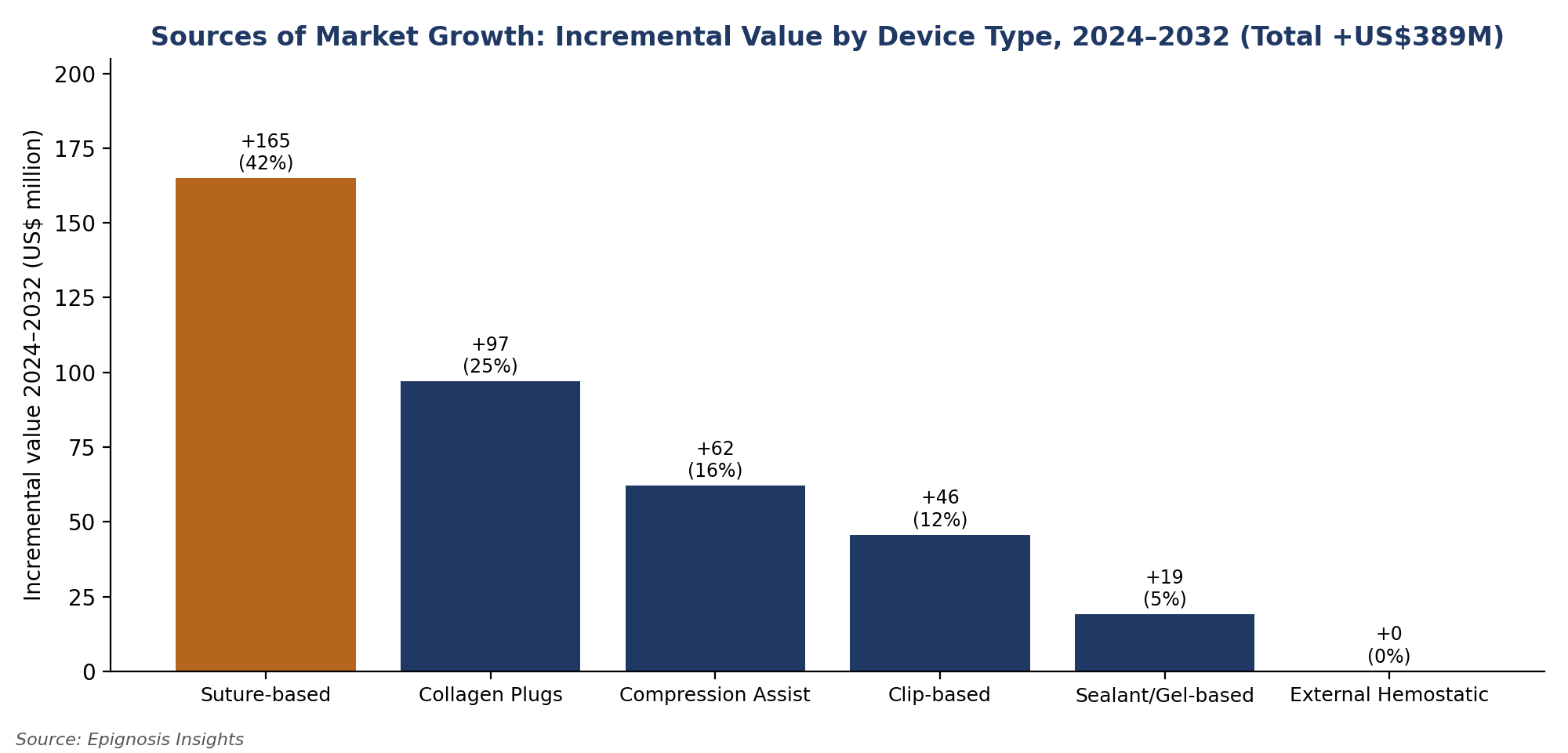
Figure 7: Sources of Market Growth: Incremental Value by Device Type, 2024–2032
This analysis shows that the market's value growth is concentrated in two categories. Suture-based devices and collagen plugs together will generate about two-thirds of the market's new revenue. Although compression assist devices are the fastest growing category in units, their low price point means they contribute much less to value. For companies setting priorities, this indicates that leadership in suture-based and collagen-based femoral closure, including large-bore applications, is likely to determine overall market leadership through 2032.
U.S. Vascular Closure Devices Market: Analysis by Access Type
Femoral access remains the dominant access route for closure device revenue, valued at US$443.0 million in 2024 and forecast to reach US$698.9 million by 2032 at a 5.9% CAGR. Radial access closure was valued at US$181.6 million in 2024 and is projected to reach US$314.6 million by 2032, growing faster at 7.1%. The radial share of market value is therefore expected to rise from 28.1% in 2020 and 29.1% in 2024 to 31.0% by 2032.
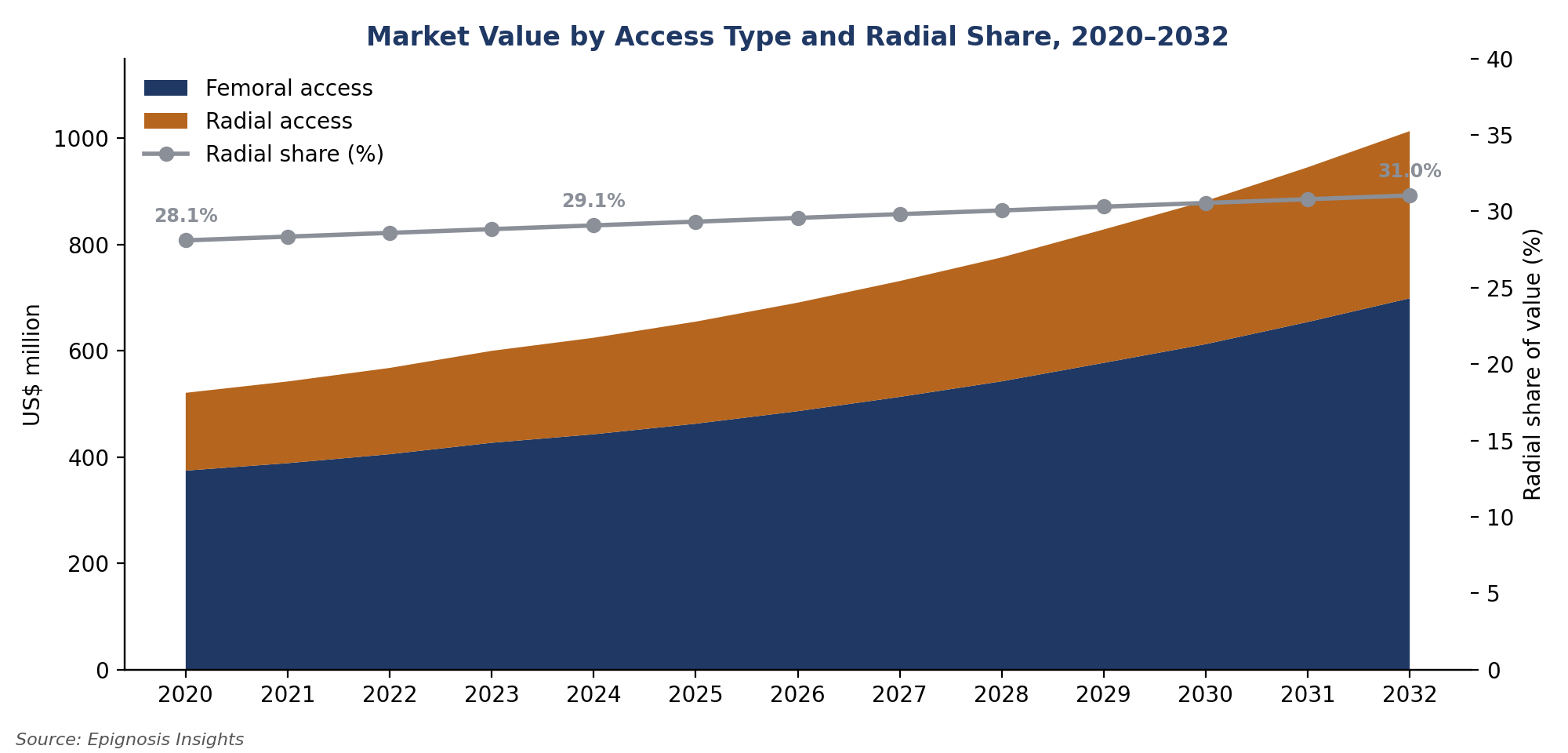
Figure 8: Market Value by Access Type and Radial Share, 2020–2032
The shift toward radial access reflects its lower bleeding risk, greater patient comfort and potential for earlier ambulation and same-day discharge, particularly for diagnostic and routine coronary procedures. However, the transition in the United States has been gradual, and femoral access remains essential for larger sheath procedures, including transcatheter valve therapies, mechanical circulatory support, endovascular aneurysm repair and many electrophysiology procedures, which often use femoral venous access. Femoral closure therefore remains the larger and higher-value segment, even as radial closure gains share steadily.
U.S. Vascular Closure Devices Market: Analysis by Procedure
Interventional cardiology is the largest procedure setting, accounting for US$497.6 million in 2024 and forecast to reach US$782.2 million by 2032 at a 5.8% CAGR. Interventional radiology and vascular surgery is smaller at US$127.0 million in 2024 but is projected to grow faster at 7.8% to US$231.3 million by 2032. Its share of market value rises from 20.3% in 2024 to 22.8% by 2032.
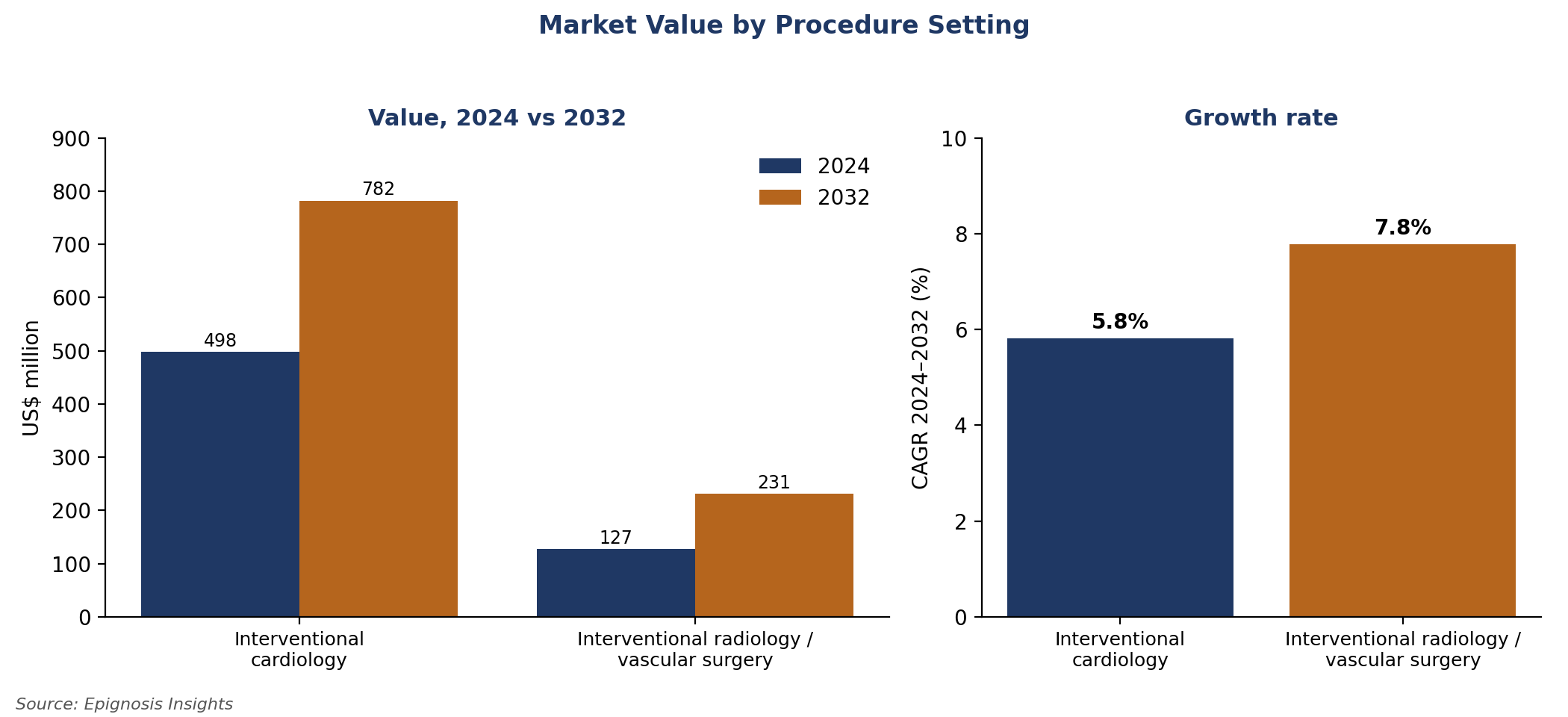
Figure 9: Market Value by Procedure Setting
The faster growth of interventional radiology and vascular surgery reflects increasing volumes of peripheral arterial interventions, endovascular aneurysm repair, venous procedures and interventional oncology. These procedures often involve antegrade access, larger sheaths or patients with complex vascular anatomy, which places a premium on closure devices with broad indications and reliable performance. Vendors that have historically focused on interventional cardiology are therefore expanding their clinical evidence and sales coverage into vascular surgery and interventional radiology suites.
U.S. Vascular Closure Devices Market Dynamics
Structural Heart and Electrophysiology Are Expanding Large-Bore and Venous Closure
The most important growth driver is the expansion of procedures that use large-bore arterial or venous access. Transcatheter aortic valve replacement, left atrial appendage occlusion, mechanical circulatory support and catheter ablation for atrial fibrillation all require secure closure of larger access sites, and many are performed on older patients receiving anticoagulation. In these settings, reliable closure reduces bleeding complications, shortens bed rest and supports same-day or next-day discharge.
Manufacturers are investing heavily to address this opportunity. Teleflex's MANTA device is designed specifically for large-bore femoral arterial closure following procedures using sheaths of 12F to 25F outer diameter. Haemonetics received FDA approval during fiscal 2026 to expand the labeling of its VASCADE MVP XL venous closure system to procedures using 10F to 14F inner diameter sheaths, and acquired Vivasure Medical to add large-bore closure capability. These moves illustrate how the competitive frontier is shifting from routine small-bore closure toward complex and large-bore indications.
Radial Access and Procedure Shifts Constrain Premium Device Growth
The main restraint on value growth is the gradual migration of routine coronary procedures from femoral to radial access, where low-cost compression bands replace implantable closure devices. Every procedure that shifts from femoral to radial access typically replaces a device priced in the hundreds of dollars with one priced in the tens of dollars. This is a key reason why compression assist devices dominate unit growth while blended pricing declines.
Procedure technology changes can also affect demand unexpectedly. In electrophysiology, the rapid adoption of pulsed field ablation has altered procedure workflows and sheath sizes, influencing which closure approaches clinicians prefer. In addition, hospital purchasing organizations continue to negotiate aggressively on high-volume device categories, which limits price increases for premium closure devices. Vendors must therefore justify their devices through measurable workflow and outcome benefits, such as reduced time to ambulation, fewer complications and shorter length of stay.
U.S. Vascular Closure Devices Market: Hospital Economics and Adoption Drivers
Purchasing decisions for vascular closure devices in the United States are increasingly made on economic as well as clinical grounds. Closure devices are generally not paid separately by public or private payers; their cost is absorbed within the hospital's procedure payment. As a result, hospitals evaluate devices according to the savings they create elsewhere in the episode of care, such as shorter bed rest, faster patient turnover in recovery areas, fewer nursing hours spent holding manual compression and a lower rate of access site complications that can extend length of stay.
This economic lens shapes demand in three ways. First, it favours devices with strong evidence of reduced time to ambulation and discharge, especially in high-volume electrophysiology and structural heart programmes where same-day discharge is becoming standard practice. Second, it places pressure on price in commodity categories, where hospitals and group purchasing organizations can switch suppliers with limited clinical risk. Third, it encourages bundled purchasing, in which access sheaths, guidewires, closure devices and compression bands are contracted together, favouring vendors with broad access and closure portfolios.
The continued growth of ambulatory surgery centers and office-based laboratories for peripheral and some cardiac procedures adds a further dimension. These facilities operate with tight cost structures and rapid patient turnover, making dependable closure and early ambulation particularly valuable. Epignosis Insights expects outpatient and same-day discharge settings to account for a rising share of closure device use over the forecast period, reinforcing demand for devices that combine fast hemostasis with simple deployment and predictable outcomes. Vendors that can document workflow savings with real-world data, rather than relying on clinical trial endpoints alone, are best placed to win contracts in this environment.
U.S. Vascular Closure Devices Market: Competitive Landscape
Key companies analyzed within the U.S. vascular closure devices market are: Abbott (Perclose, StarClose), Terumo (Angio-Seal, FemoSeal, TR Band), Haemonetics (VASCADE, including Vivasure Medical), Cordis (MYNX family), Teleflex (MANTA, QuikClot), Merit Medical Systems, and other emerging and specialist manufacturers.
Recent Strategic Developments
The competitive landscape is concentrated among a small number of established vendors, each anchored in different device types. Suture-based and clip-based closure is led by Abbott, collagen-based closure by Terumo, sealant-based closure by Cordis, and large-bore biomechanical closure by Teleflex. Haemonetics has built a strong position in venous closure for electrophysiology and is now extending into large-bore arterial closure through its Vivasure acquisition. Radial compression is a more fragmented segment, with Terumo and Merit Medical among the most established suppliers.
Corporate restructuring has also affected the landscape. Teleflex completed the sale of its OEM business in August 2026 and is selling its Acute Care and Interventional Urology businesses, while its interventional portfolio, which includes MANTA, remains part of its continuing operations. Cordis has operated as an independent company since its separation from Cardinal Health in 2021. These changes underline the need to verify current ownership and product rights when assessing competitors and potential partners.
Epignosis Insights Competitive Assessment Framework (EICAF)
The Epignosis Insights Competitive Assessment Framework (EICAF) for the U.S. vascular closure devices market evaluates companies across 10 weighted parameters. Clinical evidence and complication rates receives the highest weight at 15%, because access site complications have direct consequences for patient safety, length of stay and hospital cost. Portfolio breadth from small to large bore receives 13%, reflecting the value of covering diagnostic, interventional, venous and structural heart procedures.
Ease of use and time to hemostasis receives 12%, hospital contracting and group purchasing access 11%, sales force and clinical support coverage 11%, innovation pipeline 10%, workflow and economic value evidence 9%, pricing competitiveness 8%, manufacturing and supply reliability 6%, and regulatory track record 5%. The total weighting equals 100%.
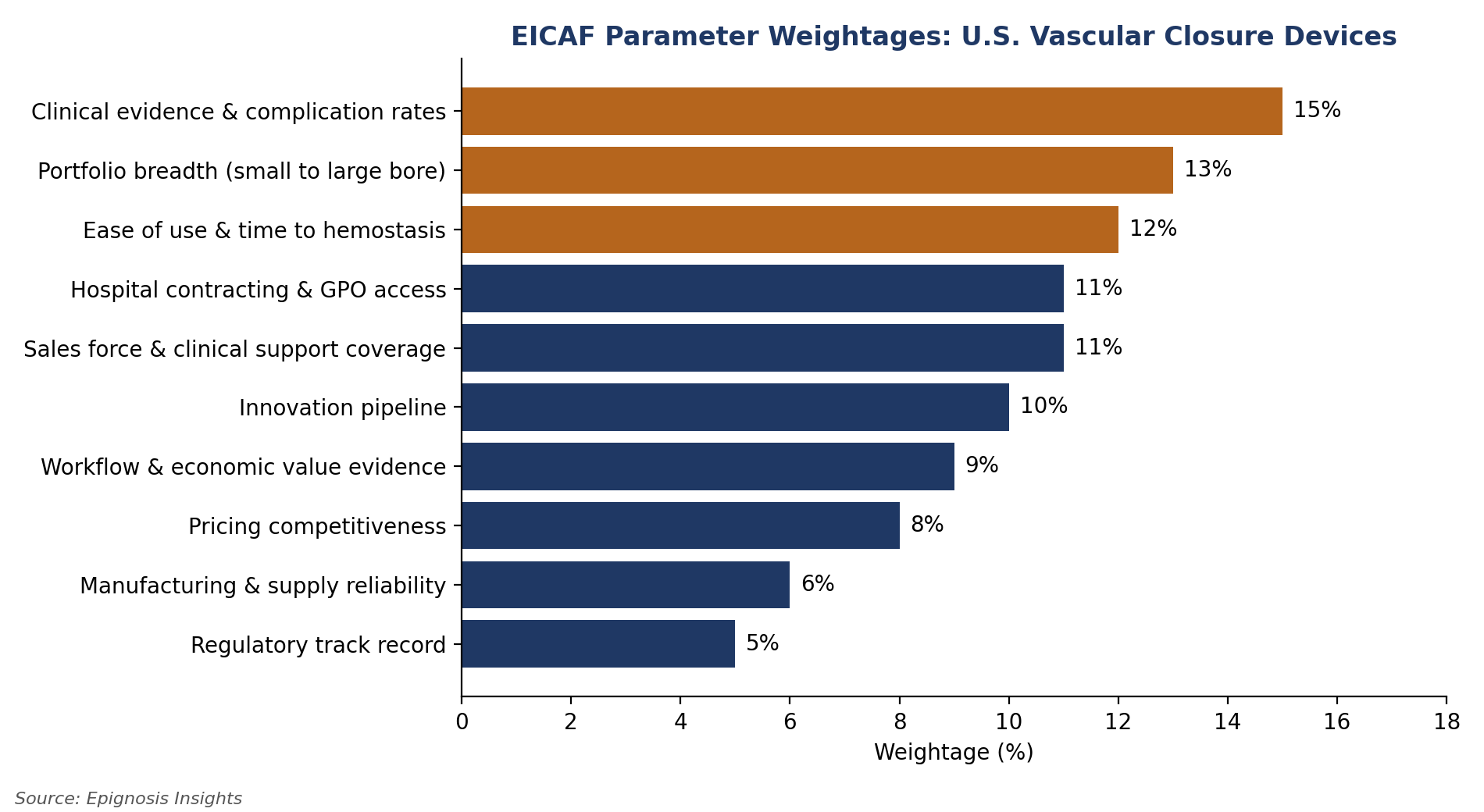
Figure 10: EICAF Parameter Weightages: U.S. Vascular Closure Devices
EICAF Scoring Method
Each company is assigned a score from 1 to 5 against every parameter, with the weighted score calculated as Company Score × Parameter Weightage. The resulting EICAF score allows a structured comparison of competitive capability that does not depend solely on revenue or unit share. This is particularly relevant in vascular closure, where a company with modest overall revenue may hold the leading position in a fast-growing niche such as large-bore or venous closure, while a broad-line vendor may be exposed to price pressure in mature small-bore segments.