Key Findings
- Global pharmaceutical excipients market is projected to reach US$16.34 billion by 2034 from US$9.94 billion in 2025.
- Market revenue is expected to grow at a 5.7% CAGR from 2027 to 2034.
- Global excipient consumption is projected to increase from 1,790 thousand tons in 2025 to 2,637 thousand tons by 2034, a volume CAGR of 4.4%.
- Installed global production capacity is estimated at 2,240 thousand tons in 2025 and is expected to reach 3,081 thousand tons by 2034.
- Average capacity utilization is projected to tighten from 79.9% in 2025 to 85.6% by 2034, leaving less buffer against plant outages.
- Average realized excipient prices are expected to rise from US$5,553 per ton in 2025 to US$6,196 per ton by 2034, supported by a richer mix of functional grades.
- Asia Pacific is expected to expand its share of global demand from 33.5% in 2025 to 38.2% by 2034 as generic and contract formulation volumes concentrate in India and China.
- Parenteral formulations represent the fastest growing route, with a 7.6% CAGR between 2027 and 2034, driven by injectables and biologics.
- The absence of a standalone regulatory pathway for novel excipients remains a structural constraint on innovation, keeping formulators anchored to precedent materials.
- Consolidation is reshaping the supplier base, with integrated portfolios spanning excipients, capsules and formulation services gaining an advantage.
Global Pharmaceutical Excipients Market Outlook
Global Pharmaceutical Excipients Market recorded a consumption volume of 1,723 thousand tons in 2024 and is estimated to reach 2,637 thousand tons by 2034, growing at a volume CAGR of 4.4% between 2025 and 2034.
In value terms, the market is estimated at US$9.94 billion in 2025 and is forecast to reach US$16.34 billion by 2034, expanding at a 5.7% CAGR from 2027 to 2034. Value is growing faster than volume because the demand mix is moving steadily toward higher-value functional excipients, including film coating systems, solubility enhancers, co-processed direct compression grades and parenteral-grade materials, while commodity fillers grow broadly in line with tablet output.
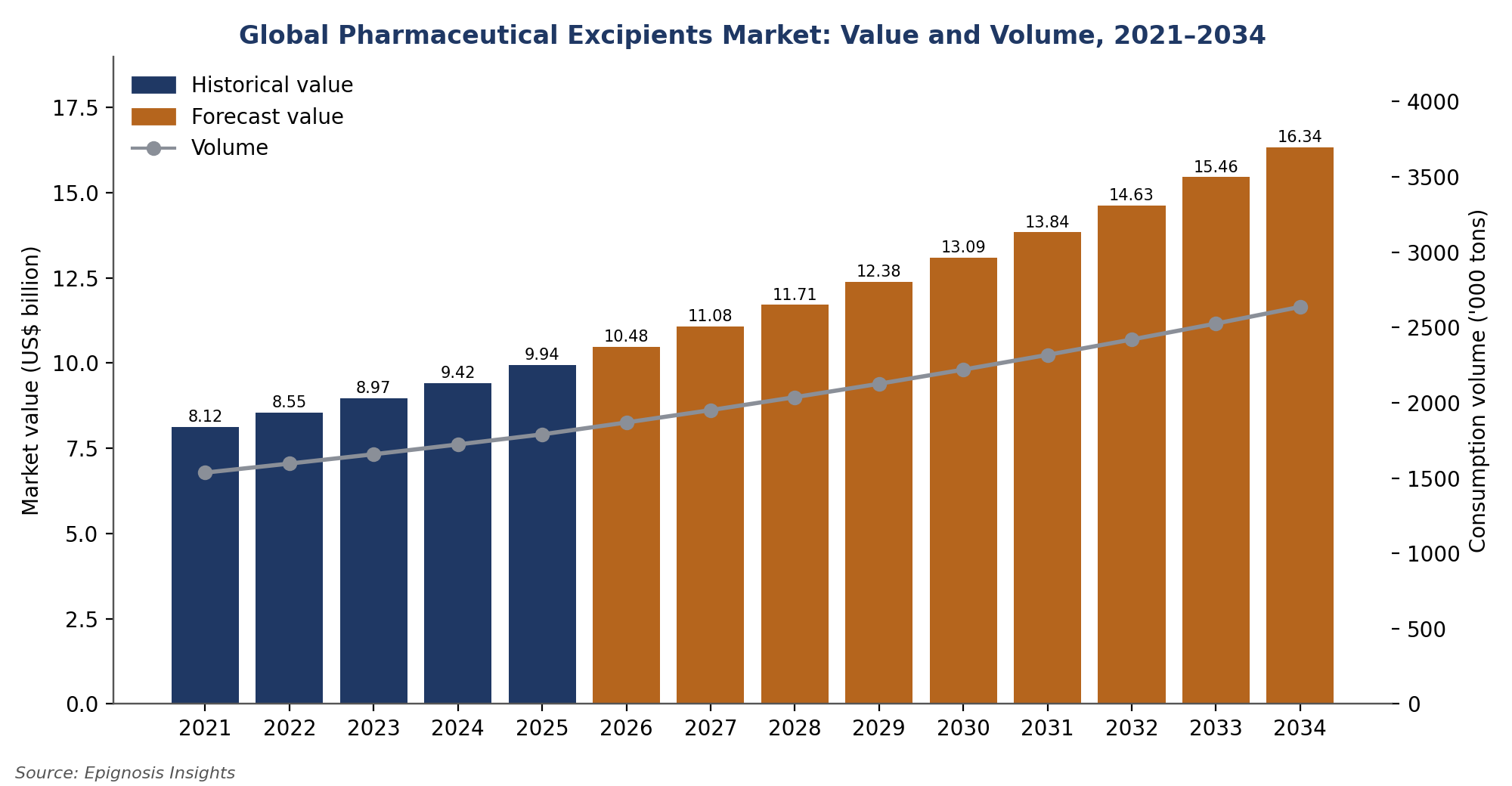
Figure 1: Global Pharmaceutical Excipients Market Value and Volume, 2021–2034
On the supply side, Epignosis Insights estimates global installed excipient production capacity at 2,240 thousand tons in 2025, against output of 1,790 thousand tons, equivalent to an average utilization rate of 79.9%. Capacity is forecast to rise to 3,081 thousand tons by 2034, while demand grows slightly faster, lifting average utilization to 85.6%. This gradual tightening matters more than the headline percentages suggest. Pharmaceutical-grade excipient plants cannot be switched quickly between products or qualified overnight, because every manufacturing change can trigger customer requalification and regulatory notifications. A market running at 85% average utilization therefore has considerably less practical headroom than an industrial chemical market running at the same rate.
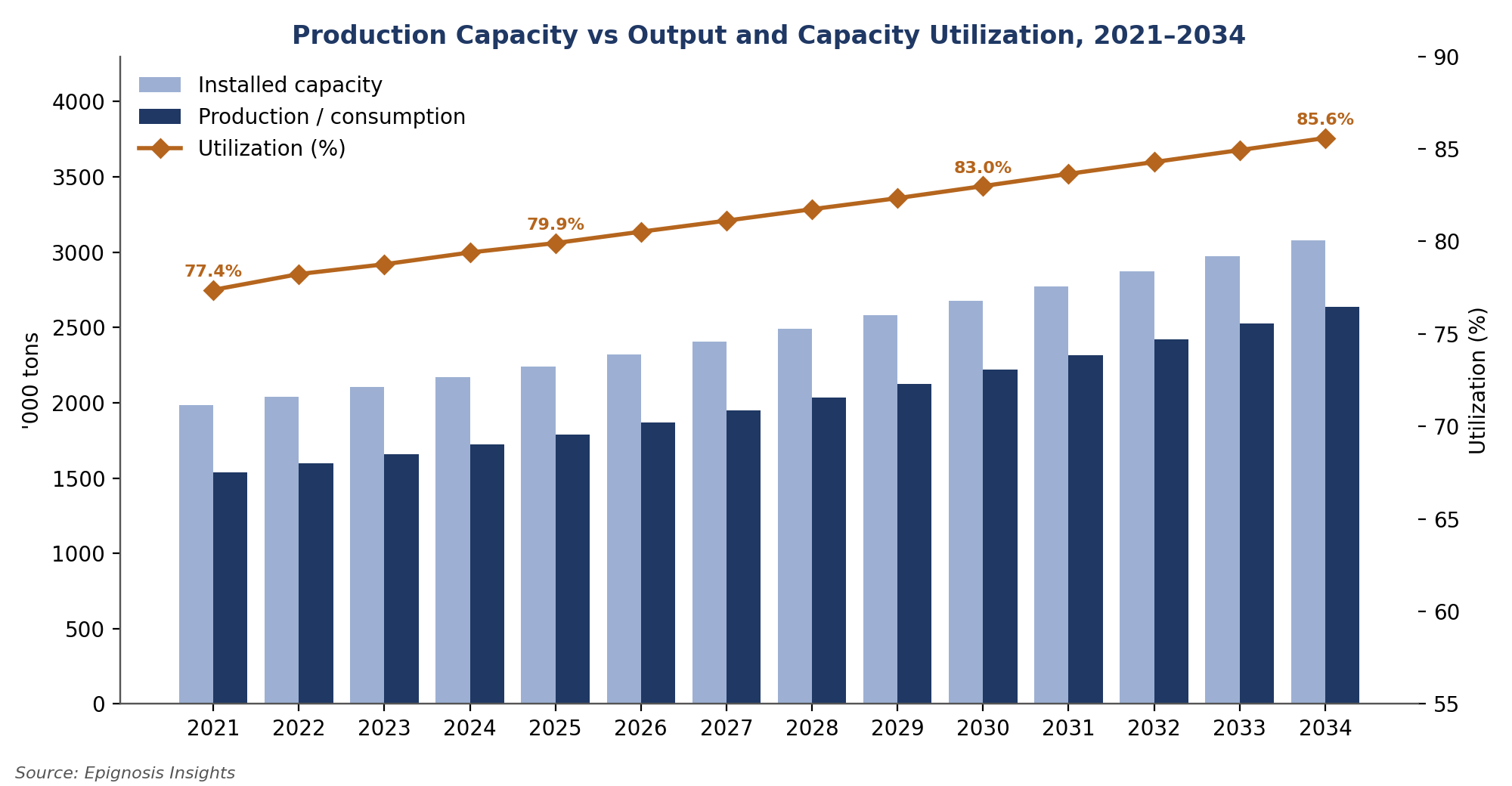
Figure 2: Production Capacity vs Output and Capacity Utilization, 2021–2034
Global Pharmaceutical Excipients Market Dynamics
Formulation Volume Migrating to Asia Is Redrawing the Demand Map
The most significant structural driver for the pharmaceutical excipients market is the continued migration of generic formulation and contract manufacturing volume toward Asia, with India as the most visible example. Excipients are consumed where tablets, capsules and injectables are physically produced, not where drugs are consumed, so the location of formulation capacity determines regional excipient demand. India's position as a formulation exporter has deepened steadily. According to the Economic Survey 2025-26, India's pharmaceutical exports reached about US$30.5 billion in 2024-25, nearly 16 times the US$1.9 billion recorded in 2000-01, with half of that value shipped to highly regulated markets such as the United States and Europe.
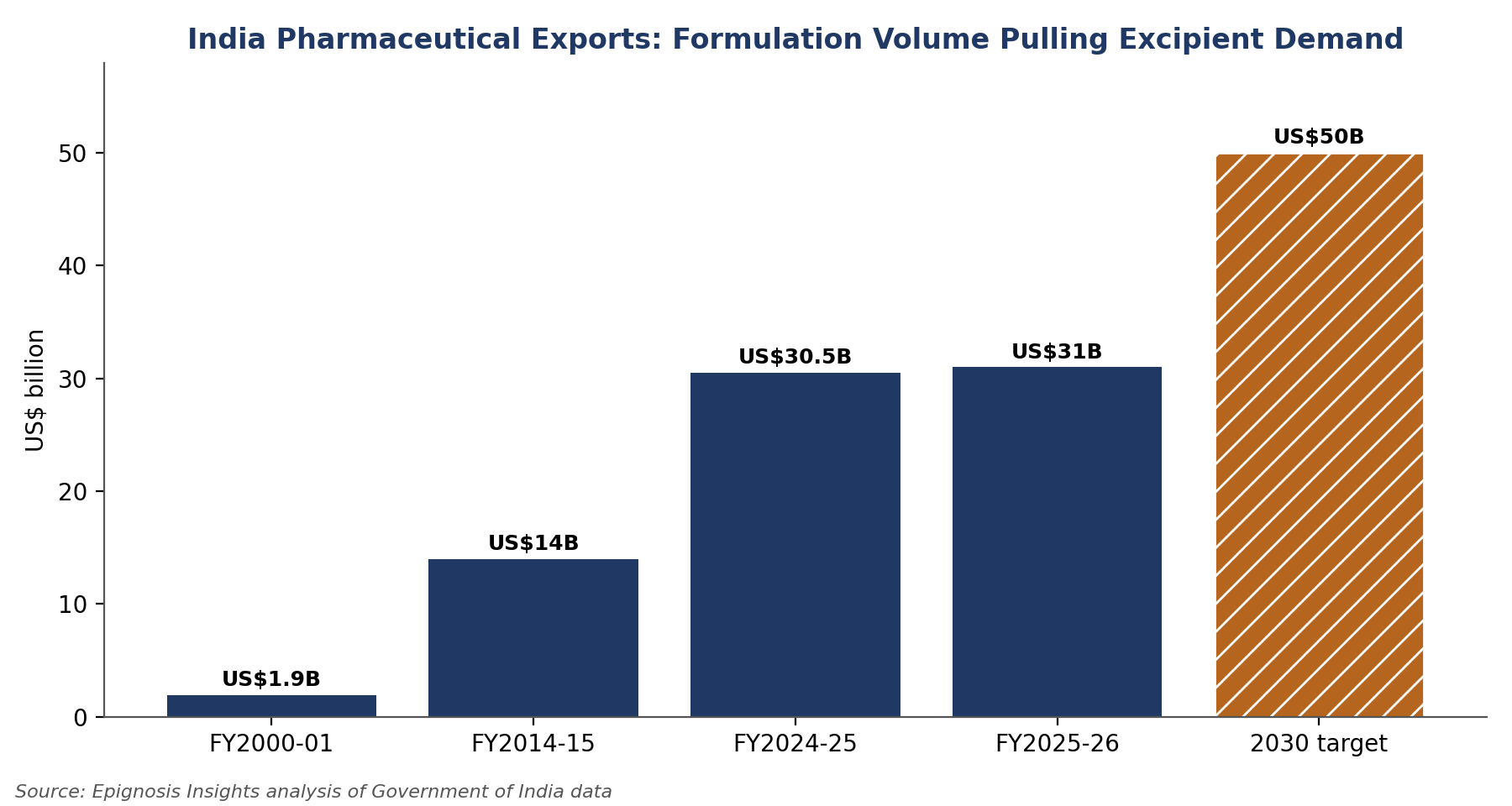
Figure 3: India Pharmaceutical Exports and 2030 Target
Momentum has continued into the current cycle. The
Ministry of Commerce and Industry reported pharmaceutical exports of about US$31 billion in FY2025-26 and has set a target of US$50 billion by 2030, with more than 60% of exports already destined for highly regulated markets. For the excipients market, the regulated-market share is as important as the headline figure. A tablet exported to the United States or Europe must be produced with excipients carrying full compendial compliance, documented supply chains and, increasingly, supplier audit histories. This pulls Indian formulators up the value curve, from locally sourced commodity starch and lactose toward globally qualified grades, co-processed materials and ready-to-use coating systems.
Epignosis Insights estimates that Asia Pacific accounted for 33.5% of global excipient demand by value in 2025 and will reach 38.2% by 2034, while North America and Europe together decline from 56.0% to 50.5%. The shift is not a contraction in Western demand, which continues to grow in absolute terms, but a reflection of where incremental tablet and injectable output is being added. North America retains a disproportionately high share of specialty and parenteral excipient spending because of its concentration of innovator drug development and biologics manufacturing.
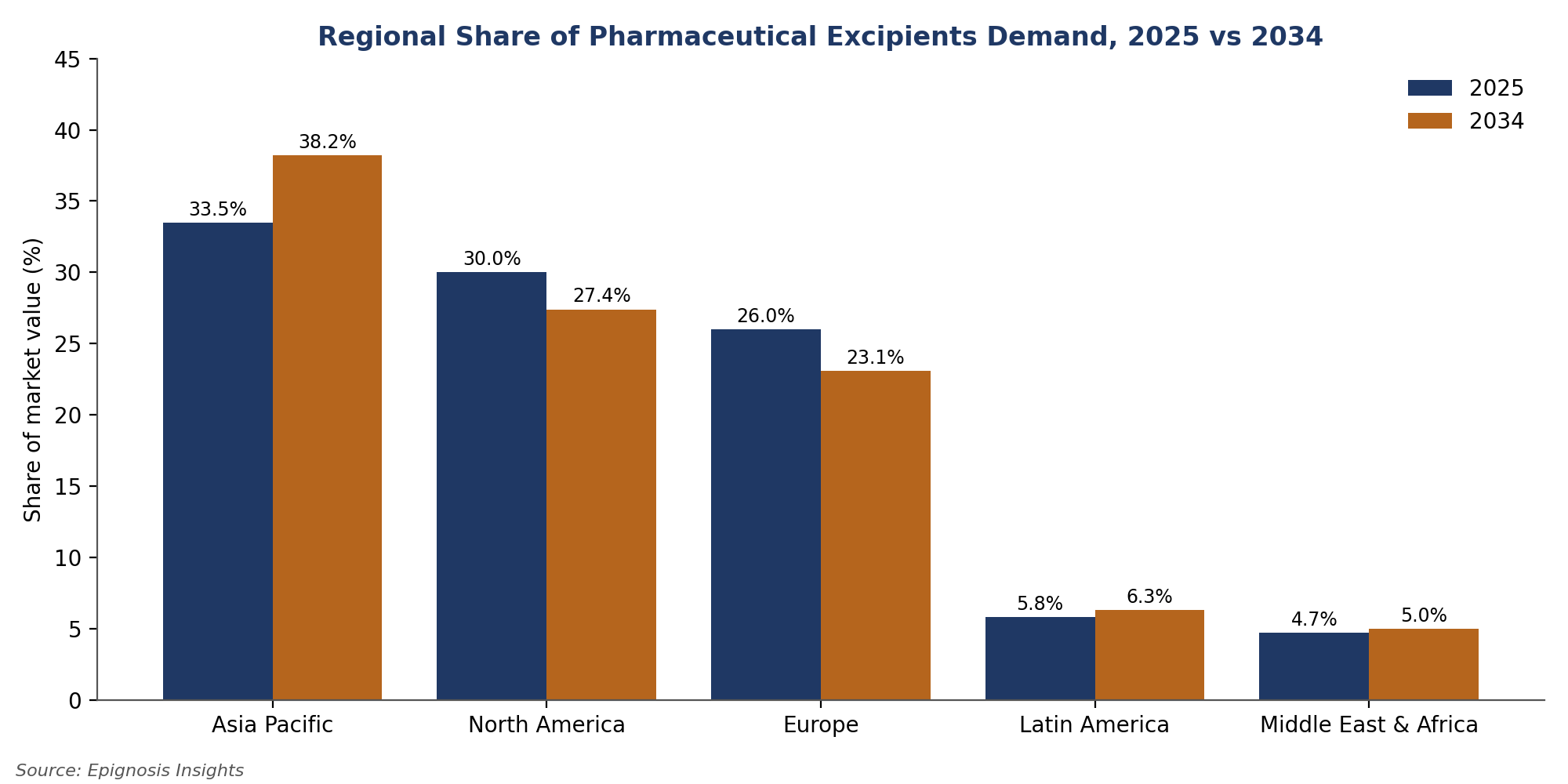
Figure 4: Regional Share of Pharmaceutical Excipients Demand, 2025 vs 2034
This migration also creates a localization opportunity for excipient suppliers. Formulators in India and Southeast Asia increasingly prefer regional supply to reduce freight lead times, currency exposure and the inventory required to buffer long ocean shipments. Global suppliers are responding by placing application laboratories and technical service centres close to formulation clusters, while domestic producers are adding capacity in commodity and semi-functional grades. The competitive implication is that technical support delivered in the formulator's time zone is becoming as important as product quality in winning new formulation projects.
The Novel Excipient Gap Is Constraining Formulation Innovation
The most important restraint on value growth is not demand, but the difficulty of bringing genuinely new excipients into approved medicines. In most major jurisdictions, an excipient is not approved independently. It is evaluated only as part of a specific drug application. A drug developer that chooses a novel excipient therefore takes on regulatory risk for a material it does not own, with the possibility that an entire application could be delayed because of questions about a single inactive ingredient. The rational response for most formulators is to stay within materials that already have precedence of use for the intended route and dose.
The scale of this constraint is visible in survey data.
In a United States Pharmacopeia survey of drug formulators, 84% reported that the existing range of excipients used in approved products had limited their drug development work, and 28% had experienced a drug candidate being discontinued because of excipient limitations. These figures point to a meaningful pool of latent demand for new functional materials, particularly for poorly soluble molecules, high-potency compounds and complex release profiles, that the current regulatory structure is not converting into commercial volume.
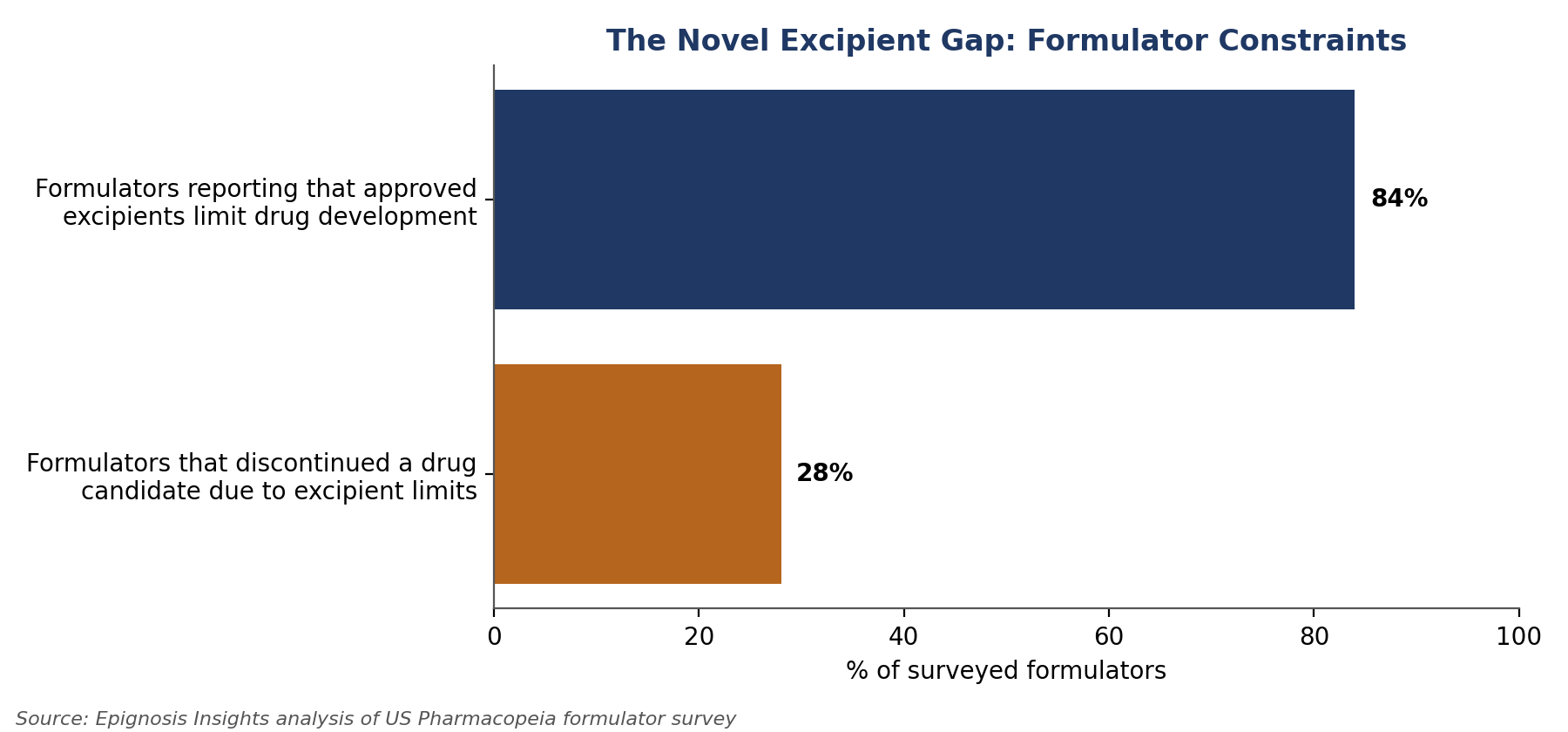
Figure 5: The Novel Excipient Gap: Formulator Constraints
Regulatory efforts to close the gap have so far made limited progress. The US FDA launched a voluntary pilot programme for the independent review of novel excipients, and several suppliers submitted candidates, but industry observers report that the pilot has since been deprioritized without progressing to a formal pathway. The commercial consequence is that excipient innovation is being channelled into routes that avoid the novel excipient label: co-processed combinations of existing materials, new physical grades of established chemistries, higher-purity and low-nitrite versions of familiar polymers, and application know-how that helps formulators extract more performance from approved materials.
For the pharmaceutical excipients market, this produces a distinctive innovation pattern. Value growth comes less from new molecules and more from refinement, purity and service. Suppliers with deep regulatory documentation, extensive precedence-of-use data and strong application laboratories are structurally advantaged, because they can solve formulation problems without asking customers to accept regulatory novelty. Should a standalone review pathway eventually be established in the United States or through international harmonization, Epignosis Insights expects a step change in demand for enabling excipients such as amorphous solid dispersion polymers and advanced lipid systems, which currently face the highest adoption friction.
Global Pharmaceutical Excipients Market: Pricing and Cost Structure Analysis
Pricing in the pharmaceutical excipients market is shaped by two very different cost structures. Carbohydrate-based and inorganic excipients, such as microcrystalline cellulose, lactose, starch, dicalcium phosphate and calcium carbonate, are priced close to their raw material and energy inputs plus a pharmaceutical-grade compliance premium. Petrochemical polymers, oleochemical lipids and protein-based materials carry far higher prices, reflecting more complex synthesis, purification and the value of their functionality in coatings, solubilization and controlled release. Epignosis Insights estimates average 2025 prices at around US$3.89 per kg for inorganic excipients and US$3.93 per kg for carbohydrate-based grades, compared with US$7.95 per kg for oleochemicals, US$9.20 per kg for protein-based materials and US$13.90 per kg for petrochemical polymers.
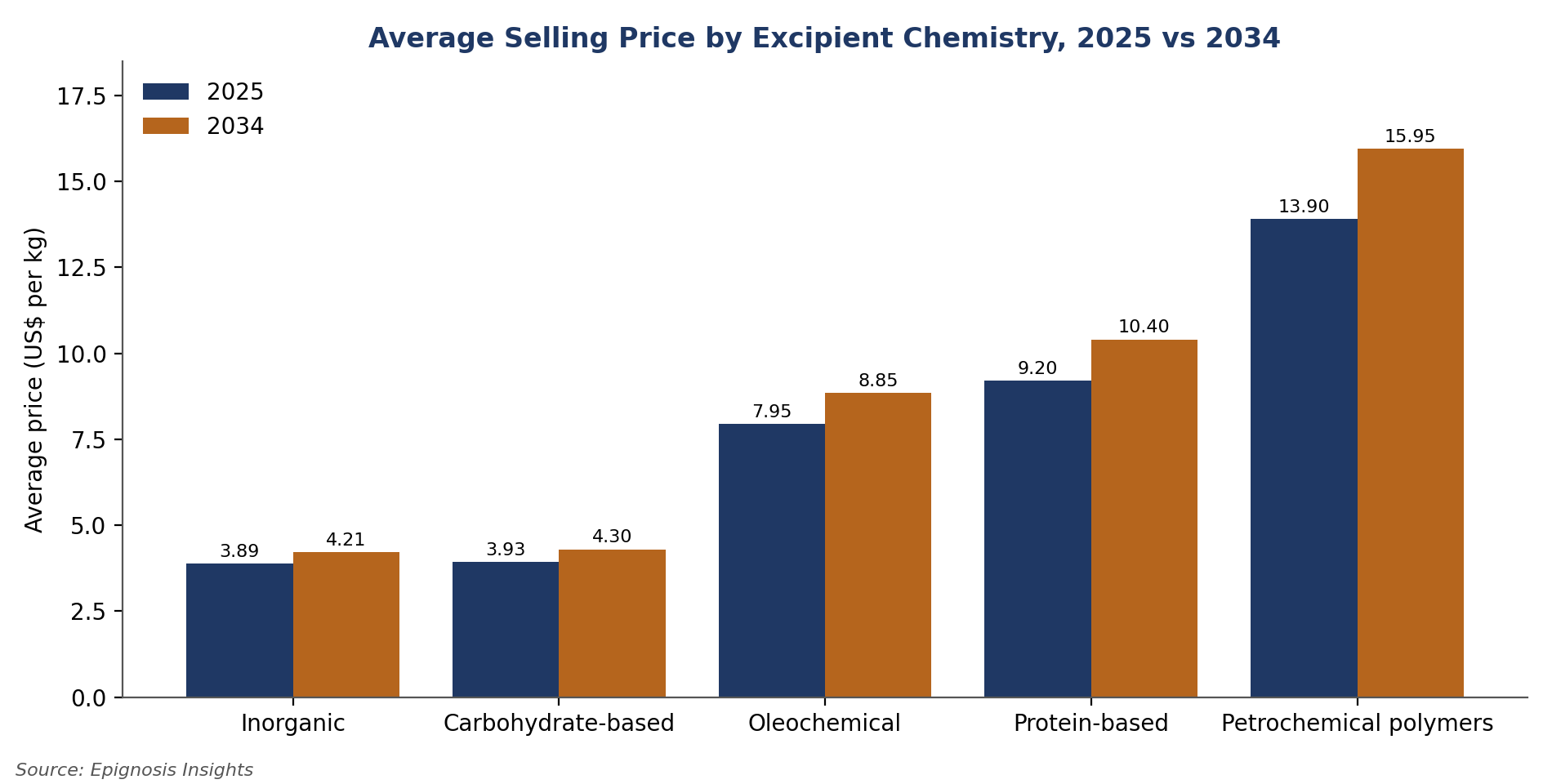
Figure 6: Average Selling Price by Excipient Chemistry, 2025 vs 2034
Cost pressure has recently become visible in supplier pricing. In March 2026, BASF Pharma Solutions announced a global price increase of up to 20% on its pharmaceutical excipients and selected APIs, citing rising energy and raw material costs. An increase of this magnitude from a major polymer and lipid supplier is significant because excipients have historically been treated by formulators as stable, low-attention line items. Price changes of this scale prompt procurement teams to revisit dual-sourcing strategies, though switching is constrained by the cost and time of requalifying an alternative supplier in a registered formulation.
That switching cost is the defining feature of excipient price dynamics. Excipients typically represent a small fraction of a finished drug's cost of goods, yet the excipient grade and supplier are frequently fixed in the regulatory dossier. As a result, demand for established grades is relatively price-inelastic in the short term, allowing incumbent suppliers to pass through cost increases more readily than in comparable industrial markets. The opposite holds at the point of new product development, where formulators actively compare suppliers on price, documentation and technical support before locking in a choice for the life of the product.
Epignosis Insights expects average realized prices to increase from US$5,553 per ton in 2025 to US$6,196 per ton by 2034. The larger part of that increase reflects mix rather than like-for-like inflation: faster growth in coating systems, solubilizers and parenteral-grade materials raises the blended average even where list prices for commodity fillers remain broadly stable. Petrochemical polymer prices are forecast to reach about US$15.95 per kg by 2034, while carbohydrate grades are expected to rise more modestly to about US$4.30 per kg.
Global Pharmaceutical Excipients Market: Production Capacity and Supply Resilience
Epignosis Insights estimates that Asia Pacific held 980 thousand tons of installed excipient capacity in 2025, or about 44% of the global total, followed by Europe at 610 thousand tons and North America at 470 thousand tons. By 2034, Asia Pacific capacity is forecast to reach 1,440 thousand tons, accounting for close to half of all new capacity added globally over the period. Europe's capacity base remains concentrated in high-value polymers, lactose, lipids and specialty cellulosics, while Asian additions are weighted toward microcrystalline cellulose, starches, sugars and inorganic grades serving generic tablet production.
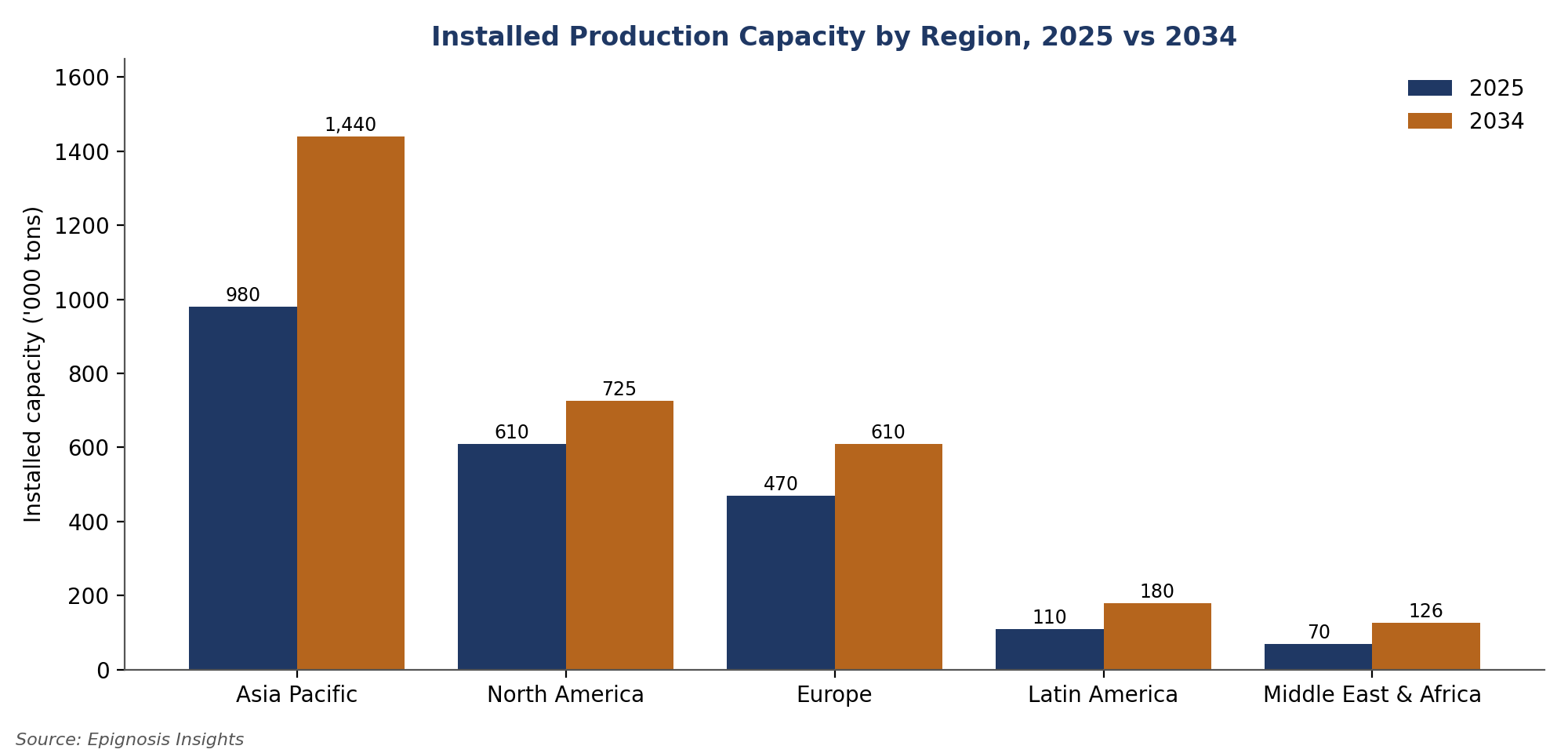
Figure 7: Installed Production Capacity by Region, 2025 vs 2034
The concentration of certain excipients in a limited number of qualified plants creates a supply resilience problem that is often underappreciated. Because each formulator typically registers a specific grade from a specific site, the loss of a single plant can affect customers far beyond its share of global capacity. A clear recent example comes from India's microcrystalline cellulose segment. According to CARE Ratings, Sigachi Industries' Hyderabad facility, with installed capacity of 6,400 tons per annum, was destroyed in a fire on 30 June 2025, reducing the company's operational MCC capacity to 15,300 tons per annum across its Gujarat sites. The company has since restored capacity through debottlenecking and is building a further 12,000 ton per annum unit at Dahej to reach 30,000 tons per annum.
For the wider market, incidents of this kind demonstrate why procurement teams are now placing greater weight on supplier multi-site manufacturing, documented business continuity plans and the ability to supply an identical grade from more than one plant. This is gradually changing how capacity is valued. A tonne of capacity that is qualified across two geographically separate sites commands a higher strategic premium than the same tonne in a single location, and suppliers that can demonstrate this redundancy are increasingly favoured in long-term supply agreements.
Rising utilization adds a further dimension. As average utilization moves toward 85.6% by 2034, the system's ability to absorb a plant outage diminishes. Epignosis Insights therefore expects capacity investment to concentrate in three areas: functional and co-processed grades where demand growth is fastest, regional duplication of high-volume commodity grades close to Asian formulation clusters, and parenteral-grade production, where quality requirements create the longest qualification lead times and the tightest effective supply.
Global Pharmaceutical Excipients Market: Functionality and Formulation Analysis
Fillers and diluents represent the largest functional category, accounting for an estimated 26.5% of 2025 market value. Their scale reflects the simple fact that most of the mass of a typical tablet is filler. Binders follow at 14.0%, coating agents at 13.5% and disintegrants at 10.5%. The categories expected to gain share fastest, however, are coating agents and solubilizers and emulsifiers, which together represent 23.0% of 2025 value. Coating demand is supported by patient-centric design, taste masking, moisture protection and modified-release profiles, while solubilizer demand is linked directly to the growing share of poorly water-soluble molecules in development pipelines.
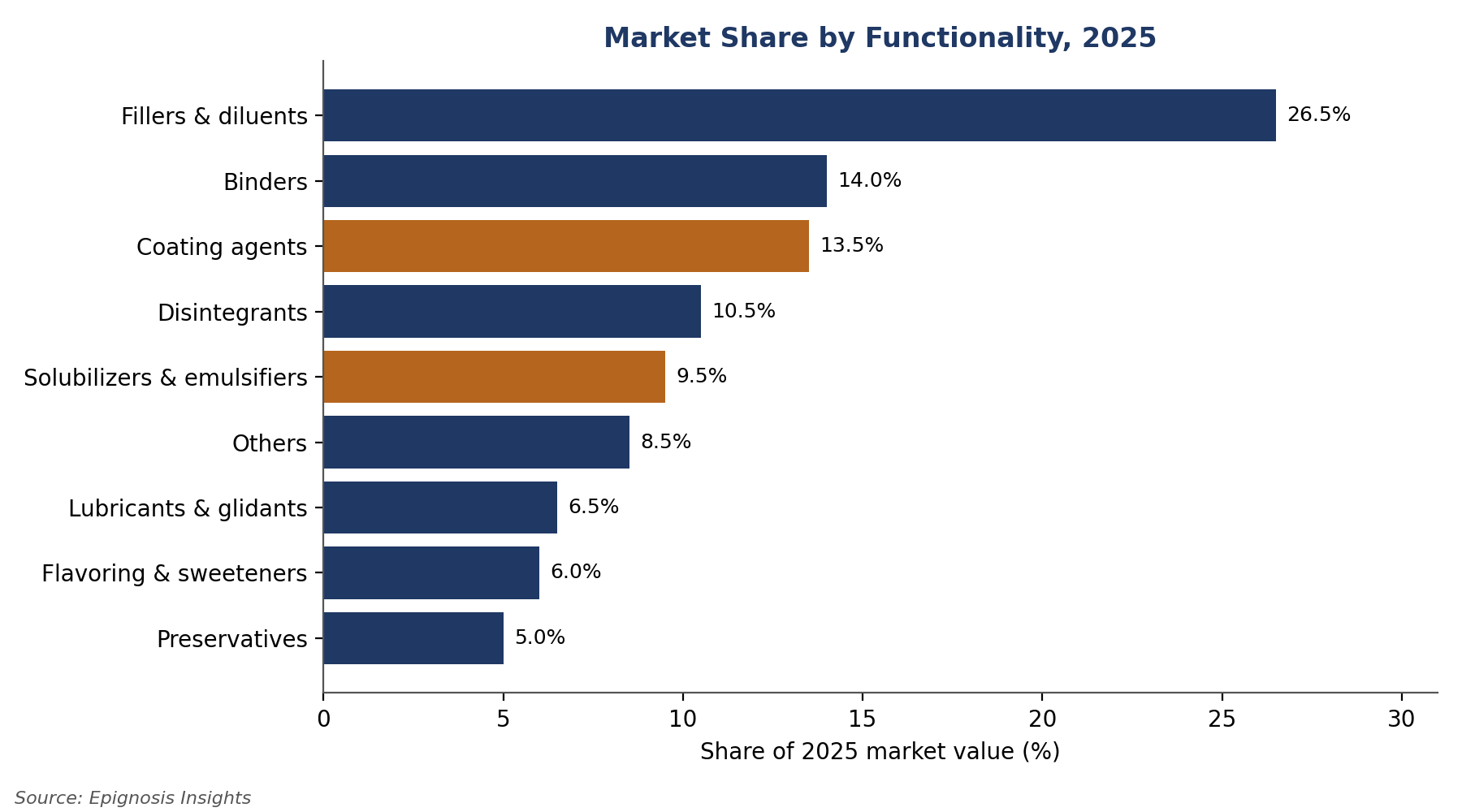
Figure 8: Market Share by Functionality, 2025
By formulation route, oral dosage forms dominate with a 64.0% share of 2025 value, followed by parenteral at 18.5%, topical at 12.0% and other routes, including inhalation, ophthalmic and nasal, at 5.5%. Growth rates invert this ranking. Parenteral excipients are forecast to grow at a 7.6% CAGR between 2027 and 2034, the fastest of any route, while oral excipients grow at 5.2%. The parenteral premium reflects the rapid expansion of biologics, peptide therapeutics and long-acting injectables, all of which require stabilizers, buffers, surfactants, sugars and lipids manufactured to low endotoxin and low bioburden specifications.
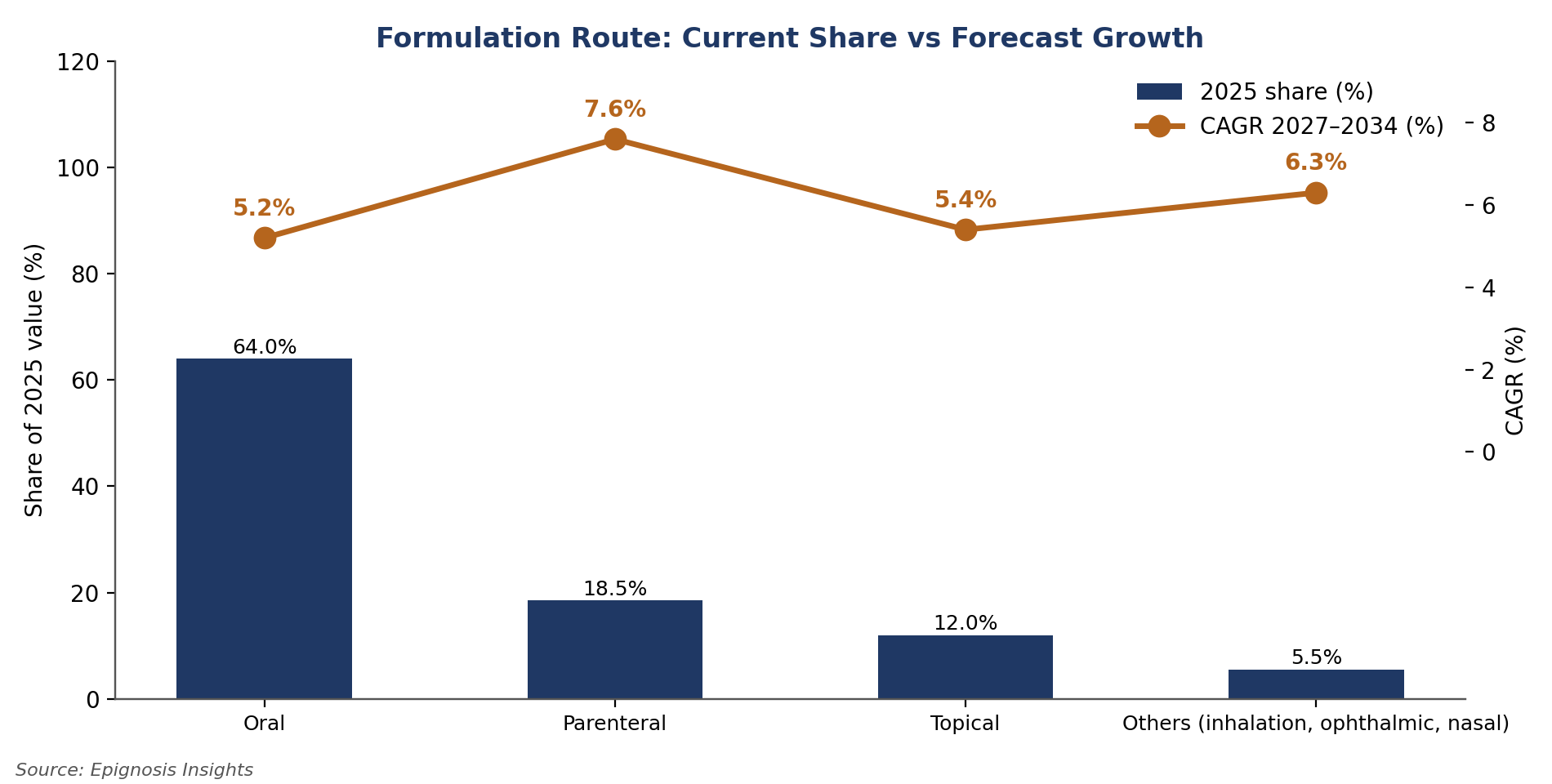
Figure 9: Formulation Route: Current Share vs Forecast Growth
The divergence between oral and parenteral growth has a direct effect on supplier strategy. Oral excipients are a scale business where cost position, capacity and breadth of portfolio drive competitiveness. Parenteral excipients are a quality business where the decisive factors are impurity control, documentation, elemental impurity data and the ability to supply consistent lots for sensitive biologic formulations. Few suppliers lead in both. Other routes, growing at 6.3%, are supported by dry powder inhalation, where inhalation-grade lactose with tightly controlled particle size distribution is a specialized and technically demanding niche.
Global Pharmaceutical Excipients Market: Product Type Analysis
Organic chemicals account for the large majority of excipient value, with carbohydrates forming the single largest chemistry group. Epignosis Insights estimates that carbohydrate-based materials, including lactose, sugars, starches, microcrystalline cellulose and cellulose ethers, represented about 34% of 2025 market value and close to half of global consumption volume. Their dominance reflects their role as the structural backbone of tablets and capsules, where they provide bulk, compressibility and disintegration at a low cost per dose. Petrochemical-derived excipients, including povidones, acrylic polymers, polyethylene glycols and mineral hydrocarbons, account for roughly 30% of value but only about 12% of volume, which illustrates how strongly value in this market is concentrated in functional polymers.
Oleochemicals, including fatty alcohols, glycerin, glycerides and phospholipids, held about 10% of 2025 value and are benefiting from two separate demand streams: lipid-based formulations for poorly soluble oral drugs, and lipid systems for injectable and nanoparticle delivery. Protein-based excipients, led by gelatin, account for about 5% of value and remain closely tied to capsule production, although plant-based capsule shell materials are gradually diversifying this segment.
Inorganic chemicals, including calcium phosphates, calcium carbonate, metal oxides, silicates and halites, represent about 21% of value and close to 30% of volume. These materials serve as fillers, glidants, opacifiers and buffering agents, and are characterized by mature technology, regional production and close linkage to mineral and energy costs. Growth in inorganic excipients is expected to track overall tablet output, while organic functional chemistries capture most of the market's mix-driven value growth over the forecast period.
Global Pharmaceutical Excipients Market: Competitive Landscape
Key companies analyzed within the global pharmaceutical excipients market are: Roquette (including the former IFF Pharma Solutions), BASF Pharma Solutions, Ashland, Evonik Health Care, DFE Pharma, Colorcon, JRS Pharma, MEGGLE, Merck KGaA, Shin-Etsu Chemical, Lubrizol, Croda, Gattefossé, SPI Pharma, Asahi Kasei, Kerry, Wacker Chemie, Avantor, Sigachi Industries, Ideal Cures and others.
Recent Strategic Developments
Consolidation has been the defining competitive theme of the past two years. Roquette completed its acquisition of IFF Pharma Solutions on 1 May 2025, following its 2023 purchase of hard capsule maker Qualicaps, creating one of the broadest portfolios in the industry across cellulosics, alginates, polyols, starches and capsules. SPI Pharma completed its acquisition of Elementis Pharma in June 2026, adding manufacturing capacity in Germany and strengthening its position in digestive health ingredients. Both transactions reflect the same logic: formulators increasingly prefer suppliers that can cover multiple excipient functions and dosage forms through a single qualification relationship.
Portfolio focus is the second theme. Ashland reported in its fiscal 2026 first quarter results that its Life Sciences segment achieved year-over-year growth driven by demand for high-value cellulosic excipients, injectables and tablet coatings, after divesting its nutraceuticals business and exiting lower-margin cellulosic lines. Evonik has continued to invest in oral delivery capability around its EUDRAGIT polymer franchise, opening a joint formulation laboratory with Higuchi in Yokohama in May 2026 to bring application support closer to Japanese formulators. DFE Pharma, meanwhile, launched its EcoLact 2030 programme in February 2026, offering customers verified carbon reduction data across its lactose portfolio, an early sign that sustainability documentation is becoming a procurement criterion for excipients.
Epignosis Insights Competitive Assessment Framework (EICAF)
The Epignosis Insights Competitive Assessment Framework (EICAF) for the global pharmaceutical excipients market evaluates companies across 10 weighted parameters. Regulatory and quality compliance receives the highest weight at 15%, reflecting the importance of compendial compliance, excipient GMP certification, drug master file coverage and audit history in a market where supplier changes require requalification. Manufacturing scale and capacity, supply security and dual sourcing, and product portfolio breadth each receive 12%, recognizing that formulators prize consistent supply across multiple sites and value suppliers able to cover several functional needs. Formulation and technical service and innovation and novel excipient pipeline each receive 10%, geographic reach receives 9%, pricing competitiveness receives 8%, sustainability and carbon transparency receives 7%, and customer intimacy and brand receives 5%. The total weighting equals 100%.
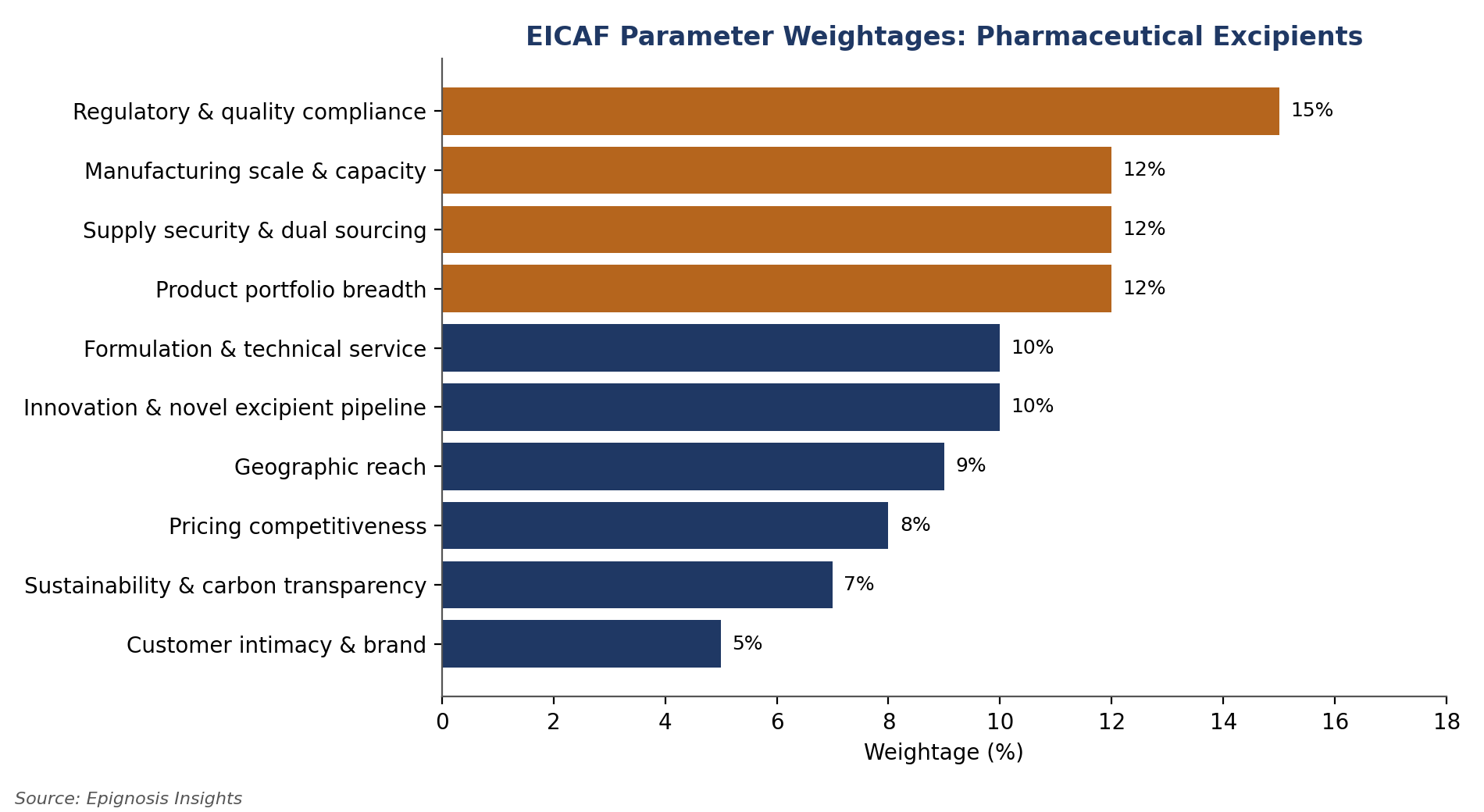
Figure 10: EICAF Parameter Weightages: Pharmaceutical Excipients
EICAF Scoring Method
Each company is assigned a score from 1 to 5 against every parameter, with the weighted score calculated as Company Score × Parameter Weightage. The resulting EICAF score allows a structured comparison of competitive capability that does not rely solely on revenue or market share. This approach is particularly relevant to pharmaceutical excipients because companies compete through distinct models, including broad multi-chemistry portfolios, deep single-chemistry specialization, integrated excipient and capsule offerings, and cost-led regional supply to generic manufacturers. The framework also captures the growing weight of supply resilience and sustainability documentation, which are not reflected in traditional market share analysis.