Key Findings
- Global neuropathic pain treatment market is projected to reach US$8.42 billion by 2030 from US$6.04 billion in 2024.
- Market revenue is expected to grow at a 5.7% CAGR from 2024 to 2030.
- Annual growth is accelerating, from 2.0% in 2021 to 4.3% in 2025 and an expected 7.1% by 2030, as novel non-opioid therapies enter the market.
- Of an estimated 450 million adults with neuropathic pain symptoms worldwide in 2025, only 72 million (16%) receive prescription therapy and about 24 million (5%) achieve meaningful pain relief.
- Global revenue per treated patient is estimated at US$87.5 in 2025, rising to US$98.4 by 2030 as the treatment mix shifts toward branded innovation.
- North America accounts for 42.4% of 2025 market value, while Asia Pacific is the fastest growing major region at a 6.9% CAGR and overtook Europe by value in 2023.
- Generic medicines represent about 88% of prescriptions but only 52% of market value, reflecting the dominance of off-patent gabapentinoids and antidepressants.
- Novel non-opioid agents are forecast to grow from about 1% of market value in 2025 to 13% by 2030.
- Painful diabetic peripheral neuropathy is the largest indication, accounting for 36% of 2025 market value.
- Epignosis Insights tracks 58 clinical-stage neuropathic pain assets, of which 20 target voltage-gated sodium channels.
Global Neuropathic Pain Treatment Market Outlook
Global Neuropathic Pain Treatment Market was valued at US$6.04 billion in 2024 and is estimated at US$6.30 billion in 2025. Epignosis Insights projects the market to reach US$8.42 billion by 2030, expanding at a CAGR of 5.7% between 2024 and 2030. The market has grown from US$5.40 billion in 2020, but the most important feature of this trajectory is not its size. It is the steady acceleration in growth.
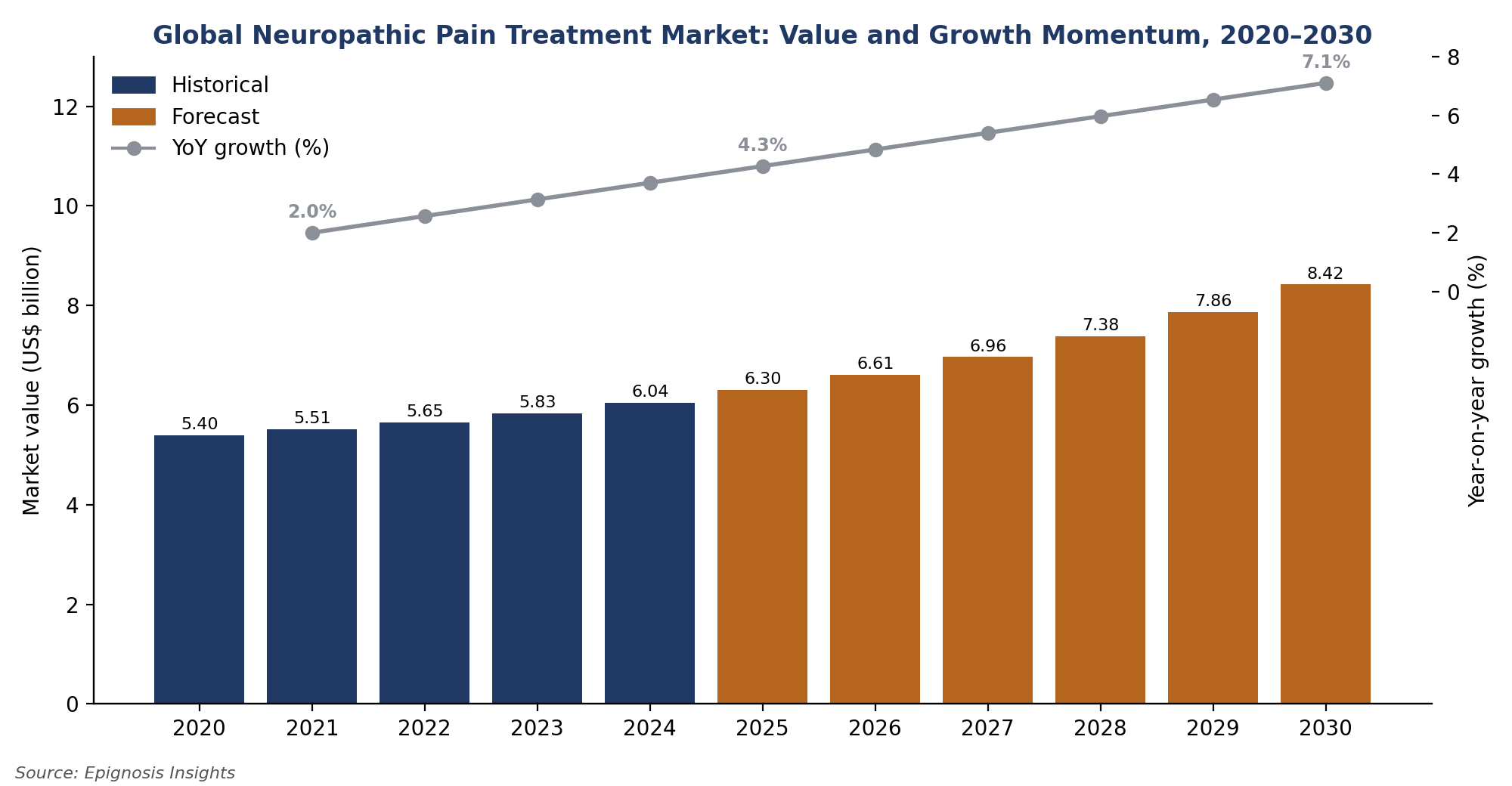
Figure 1: Global Neuropathic Pain Treatment Market: Value and Growth Momentum, 2020–2030
Year-on-year growth was only 2.0% in 2021 and 2.6% in 2022, a period in which the market was held back by generic erosion of its largest branded franchises and by limited therapeutic innovation. Growth has since strengthened every year, reaching 3.7% in 2024 and an estimated 4.3% in 2025. Epignosis Insights expects annual growth to reach 7.1% by 2030. This acceleration reflects a market moving out of a long generic plateau and into a new innovation cycle, as the first wave of mechanistically distinct non-opioid therapies progresses through late-stage development and into launch.
The profile of a market that grows slowly in its early years and faster in its later years is unusual and has practical implications. Companies that judge the category on its historical growth will underestimate the commercial opportunity, while those that plan for the later period of the forecast will be better positioned when new therapies reach patients. The shift also changes the composition of value. Revenue growth in the first half of the decade came mainly from volume expansion in Asia Pacific, while growth in the second half will increasingly come from higher-value branded therapies in North America and Europe.
Global Neuropathic Pain Treatment Market: Regional Landscape
North America is the largest regional market, valued at US$2.57 billion in 2024 and projected to reach US$3.52 billion by 2030 at a 5.4% CAGR. Asia Pacific follows at US$1.70 billion in 2024, growing to US$2.55 billion by 2030, and Europe at US$1.65 billion, growing to US$2.20 billion. Latin America and the Middle East and Africa together account for less than 2% of global value.
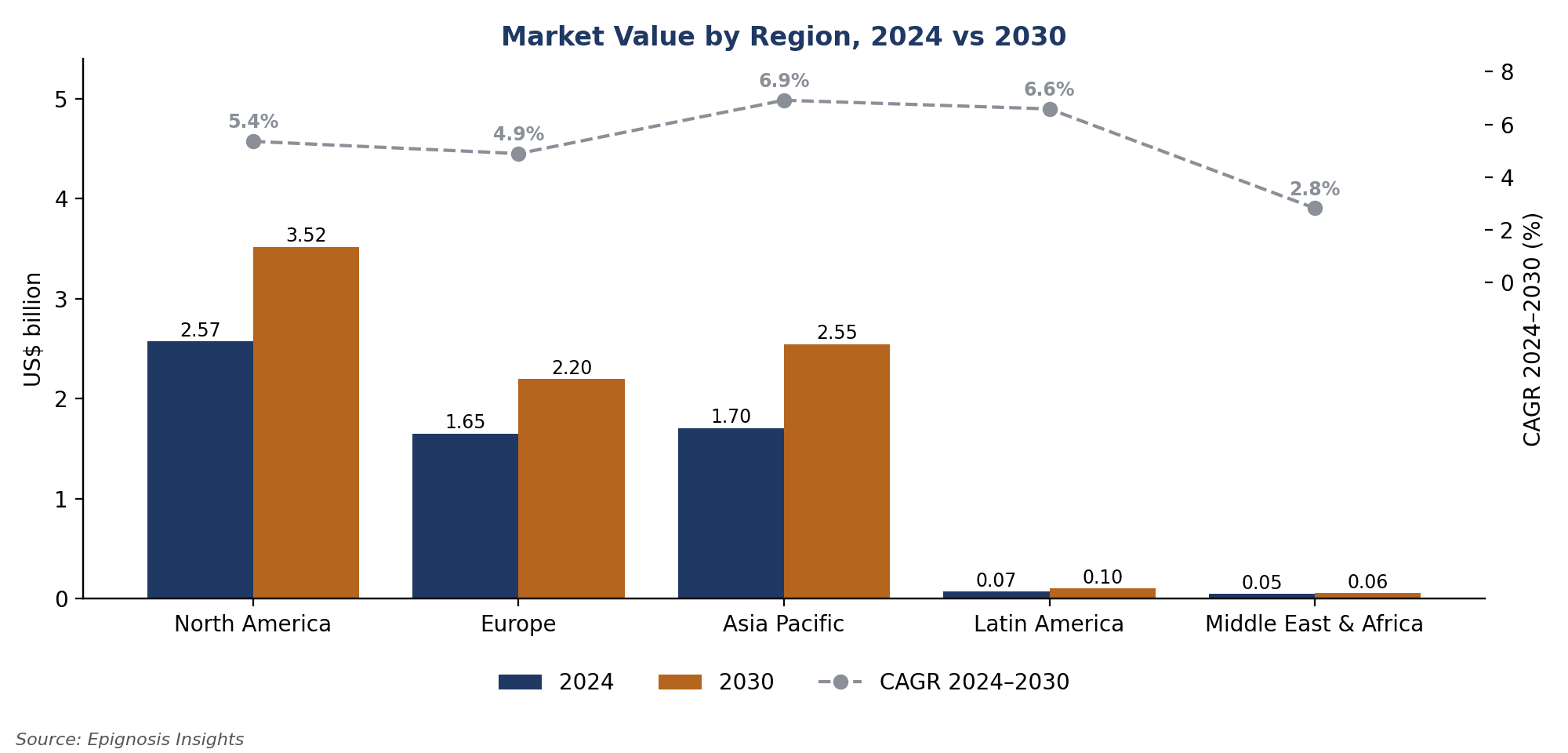
Figure 2: Market Value by Region, 2024 vs 2030
Growth rates differ markedly between regions. Asia Pacific is the fastest growing major region at a 6.9% CAGR between 2024 and 2030, followed closely by Latin America at 6.6%. North America grows at 5.4% and Europe at 4.9%. The Middle East and Africa is the slowest growing region at 2.8%, constrained by limited specialist pain services and low reimbursement coverage for chronic pain medicines.
These differences are steadily reshaping the regional balance of the market. North America's share of global value is forecast to edge down from 42.4% in 2025 to 41.8% by 2030. Europe's share declines from 27.1% to 26.1%. Asia Pacific, by contrast, rises from 28.5% to 30.2%. Asia Pacific overtook Europe by value in 2023, a milestone that reflects rising diagnosis rates for diabetic neuropathy, expanding reimbursement in China, broader specialist access in India and Southeast Asia, and the strong position of region-specific therapies such as mirogabalin in Japan.
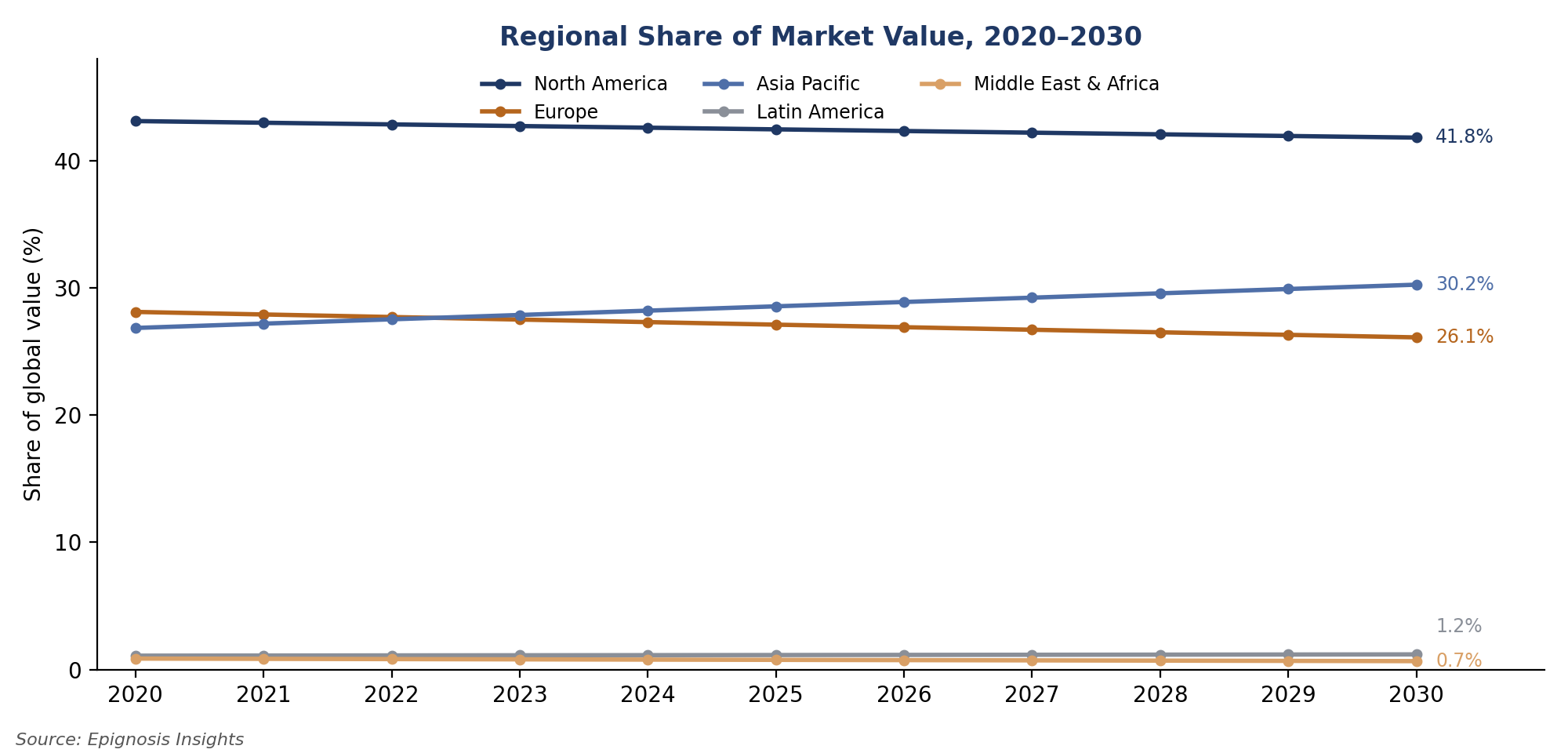
Figure 3: Regional Share of Market Value, 2020–2030
The regional picture also reveals a two-speed market. In North America and Europe, value growth will increasingly depend on the uptake of premium-priced new therapies and on label expansions for established branded products. In Asia Pacific, growth is still primarily driven by more patients being diagnosed and treated, with prices largely set by generic competition. Suppliers therefore need distinct strategies for each region rather than a single global approach.
Global Neuropathic Pain Treatment Market: Patient Funnel and Treatment Gap
The scale of unmet need in neuropathic pain is best understood through the patient funnel. According to the International Association for the Study of Pain, around 7–10% of adults in the general population live with neuropathic pain, meaning that as many as one in ten adults may be affected. On that basis, Epignosis Insights estimates that about 450 million adults worldwide experienced neuropathic pain symptoms in 2025.
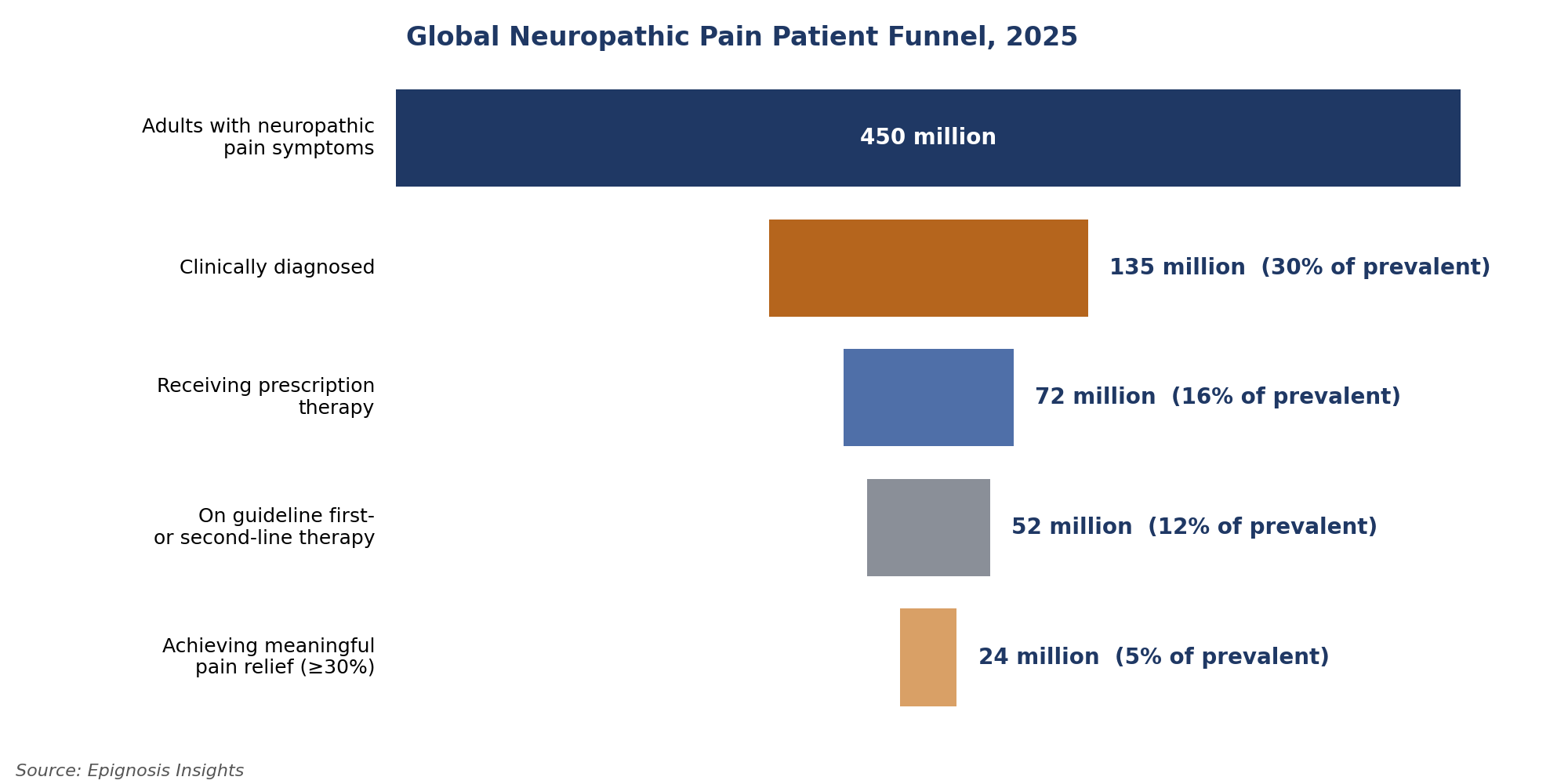
Figure 4: Global Neuropathic Pain Patient Funnel, 2025
Only a minority of these people move through the care pathway. Epignosis Insights estimates that 135 million, or 30% of the prevalent population, are clinically diagnosed. Of those, 72 million receive prescription therapy, equivalent to 16% of all people with neuropathic pain. About 52 million are treated with guideline-recommended first- or second-line medicines, and only around 24 million, or 5% of the prevalent population, achieve meaningful pain relief, defined as a reduction of at least 30% in pain intensity.
Each stage of the funnel identifies a different commercial and clinical opportunity. The gap between prevalence and diagnosis is driven by under-recognition in primary care, where neuropathic pain is often confused with musculoskeletal pain. The gap between diagnosis and treatment reflects patient reluctance, concerns about side effects and the cost of medicines in self-pay markets. The largest gap, however, is between treatment and relief. Existing first-line medicines provide meaningful relief to only a minority of patients, and many discontinue because of dizziness, sedation or weight gain. This efficacy and tolerability gap is the central reason why the industry is investing heavily in new mechanisms.
Global Neuropathic Pain Treatment Market: Treated Patients and Revenue per Patient
Epignosis Insights estimates that 72.0 million patients received prescription therapy for neuropathic pain in 2025, a figure projected to rise to 85.6 million by 2030. Asia Pacific has by far the largest treated population at 44.0 million patients, followed by Europe at 12.0 million and North America at 9.5 million. Latin America and the Middle East and Africa together account for 6.5 million treated patients.
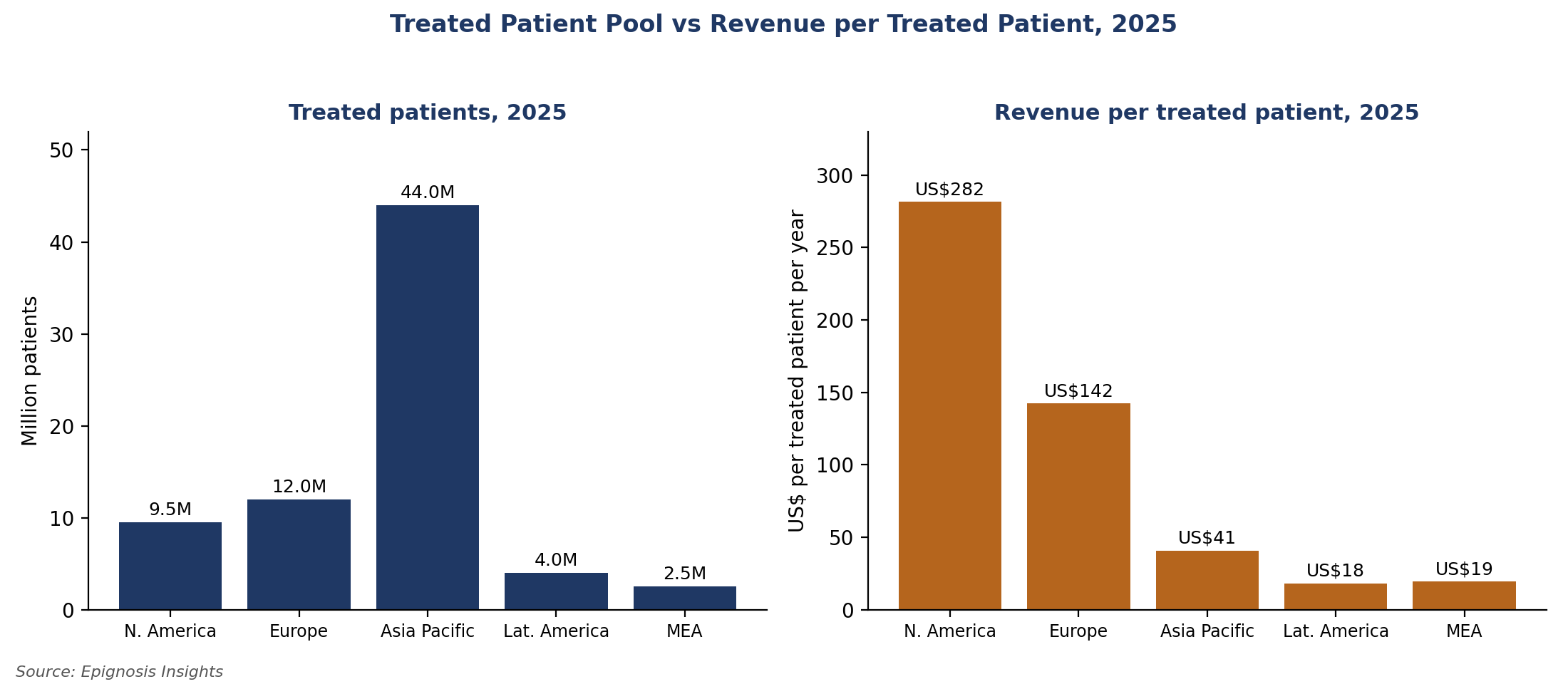
Figure 5: Treated Patient Pool vs Revenue per Treated Patient, 2025
The distribution of value is very different from the distribution of patients. North America generates an estimated US$282 per treated patient per year, almost seven times the Asia Pacific level of US$41. Europe sits at US$142, while Latin America and the Middle East and Africa generate around US$18 to US$19 per treated patient. North America therefore produces more than 42% of global revenue from only about 13% of the world's treated patients.
This metric is one of the most useful ways to understand the commercial structure of the market. Revenue per treated patient reflects three factors together: the price of medicines, the share of branded versus generic therapy, and the duration of treatment. In North America, higher list prices, greater use of branded topical and novel agents and longer treatment persistence all contribute. In Asia Pacific, almost all prescriptions are filled with low-cost generics, and many patients receive short treatment courses.
At the global level, revenue per treated patient is forecast to rise from US$87.5 in 2025 to US$98.4 by 2030. This increase is meaningful because it reverses a long period of decline driven by generic erosion. It signals that new branded therapies are beginning to lift the average value of each treated patient, even as treated volumes continue to expand fastest in lower-priced regions.
Global Neuropathic Pain Treatment Market Dynamics
Non-Opioid Innovation Is Reopening a Stagnant Category
The most important driver of the market's accelerating growth is the return of genuine innovation. For roughly two decades, neuropathic pain treatment relied on medicines originally developed for epilepsy and depression, supplemented by topical agents and, controversially, opioids. Concern about opioid dependence has created strong demand from physicians, payers and regulators for effective non-opioid alternatives, and that demand is now being met by a new generation of targeted therapies.
Voltage-gated sodium channel inhibitors are at the forefront. Vertex has stated that it expects to complete enrollment in both Phase 3 studies of suzetrigine in diabetic peripheral neuropathy by the end of 2026, and it has raised its estimate of the US population with diabetic peripheral neuropathy from about 2 million to about 2.5 million. Lexicon Pharmaceuticals completed an End-of-Phase 2 meeting with the FDA in January 2026 for pilavapadin, an inhibitor of AAK1, with the agency raising no objections to two placebo-controlled Phase 3 registrational studies of a 10 mg daily dose.
These programmes matter beyond their individual commercial potential. They validate new biological targets, attract investment into the category and give physicians the prospect of options that avoid both the central nervous system side effects of gabapentinoids and the dependence risk of opioids. Epignosis Insights expects novel non-opioid agents to grow from about 1% of market value in 2025 to 13% by 2030, making them the single largest source of incremental value over the forecast period.
Generic Dominance Continues to Cap Revenue per Prescription
The most significant restraint on market value is the dominance of low-cost generic medicines. Pregabalin, gabapentin, duloxetine, amitriptyline and many topical lidocaine products are now widely available as generics. Epignosis Insights estimates that generics account for about 88% of neuropathic pain prescriptions but only 52% of market value. Branded and protected therapies, at only 12% of prescriptions, generate 48% of value.
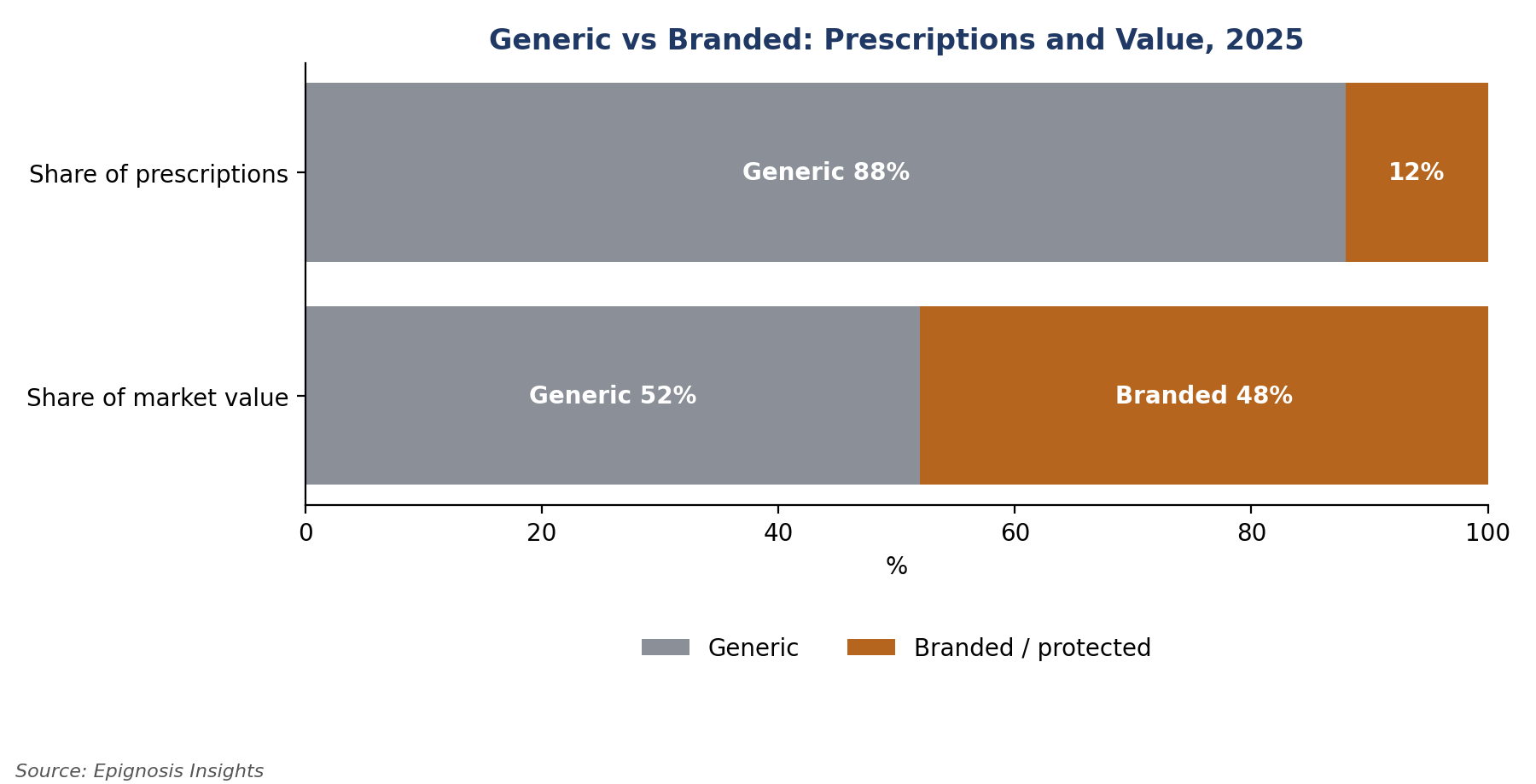
Figure 6: Generic vs Branded: Prescriptions and Value, 2025
This structure creates a demanding environment for new entrants. Payers can point to inexpensive generic first-line therapies and often require patients to fail one or more of them before reimbursing a new branded medicine. Step therapy, prior authorization and formulary placement therefore play a decisive role in the commercial success of innovation. New therapies will need clear evidence of superior efficacy, better tolerability or reduced abuse potential, together with health economic data, to justify premium pricing against well-established generic standards of care.
Global Neuropathic Pain Treatment Market: Drug Class Landscape
Gabapentinoids are the largest drug class, accounting for an estimated 38% of 2025 market value. This class includes pregabalin and gabapentin, which are first-line therapies in most treatment guidelines, and mirogabalin, which has an established position in Japan and parts of Asia. Serotonin-norepinephrine reuptake inhibitors and tricyclic antidepressants follow at 22%, with duloxetine the most widely used branded and generic agent. Topical agents, including lidocaine plasters and high-concentration capsaicin, account for 14%, opioids and tramadol for 12%, sodium-channel anticonvulsants such as carbamazepine and oxcarbazepine for 6%, and other therapies for 7%.
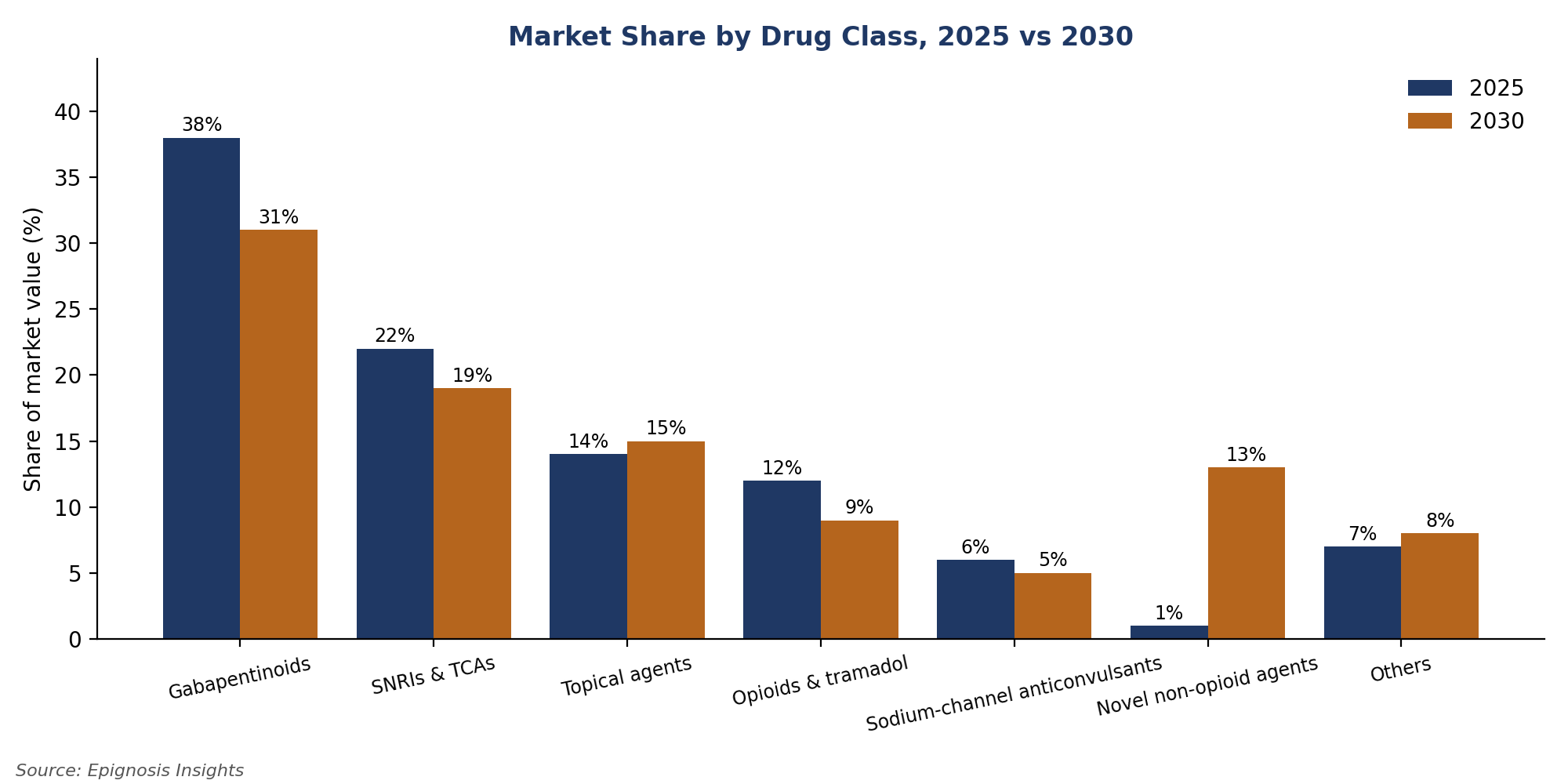
Figure 7: Market Share by Drug Class, 2025 vs 2030
By 2030, the class structure is expected to change substantially. Gabapentinoids are forecast to fall to 31% of value and SNRIs and TCAs to 19%, as generic pricing continues to erode their value and new agents take share. Opioids and tramadol are expected to decline from 12% to 9%, reflecting prescribing restrictions and clinical guidance that discourages their use in chronic neuropathic pain. Topical agents are expected to grow slightly to 15%, supported by their favourable systemic safety profile and new indication data. The most dramatic change is the rise of novel non-opioid agents from 1% to 13%.
Topical therapies deserve particular attention because they offer a different value proposition from oral medicines. Grünenthal has continued to expand access to its high-concentration capsaicin patch Qutenza, licensing exclusive rights in South Korea and Australia in early 2026 and presenting Phase III data in post-surgical neuropathic pain at the IASP World Congress in October 2026. Locally acting treatments are attractive for elderly patients and those taking multiple medicines, because they avoid many of the drug interactions and central side effects associated with systemic therapy.
Global Neuropathic Pain Treatment Market: Indication Landscape
Painful diabetic peripheral neuropathy is the largest indication, representing an estimated 36% of 2025 market value. Its scale reflects the global rise in diabetes and the fact that neuropathy develops in a substantial proportion of people with long-standing diabetes. Painful radiculopathy and sciatica account for 18%, postherpetic neuralgia for 12%, and chemotherapy-induced peripheral neuropathy and post-surgical or post-traumatic neuropathic pain for 9% each. Central neuropathic pain, including pain after spinal cord injury, stroke and multiple sclerosis, and trigeminal neuralgia each represent 6%, with other indications accounting for 4%.
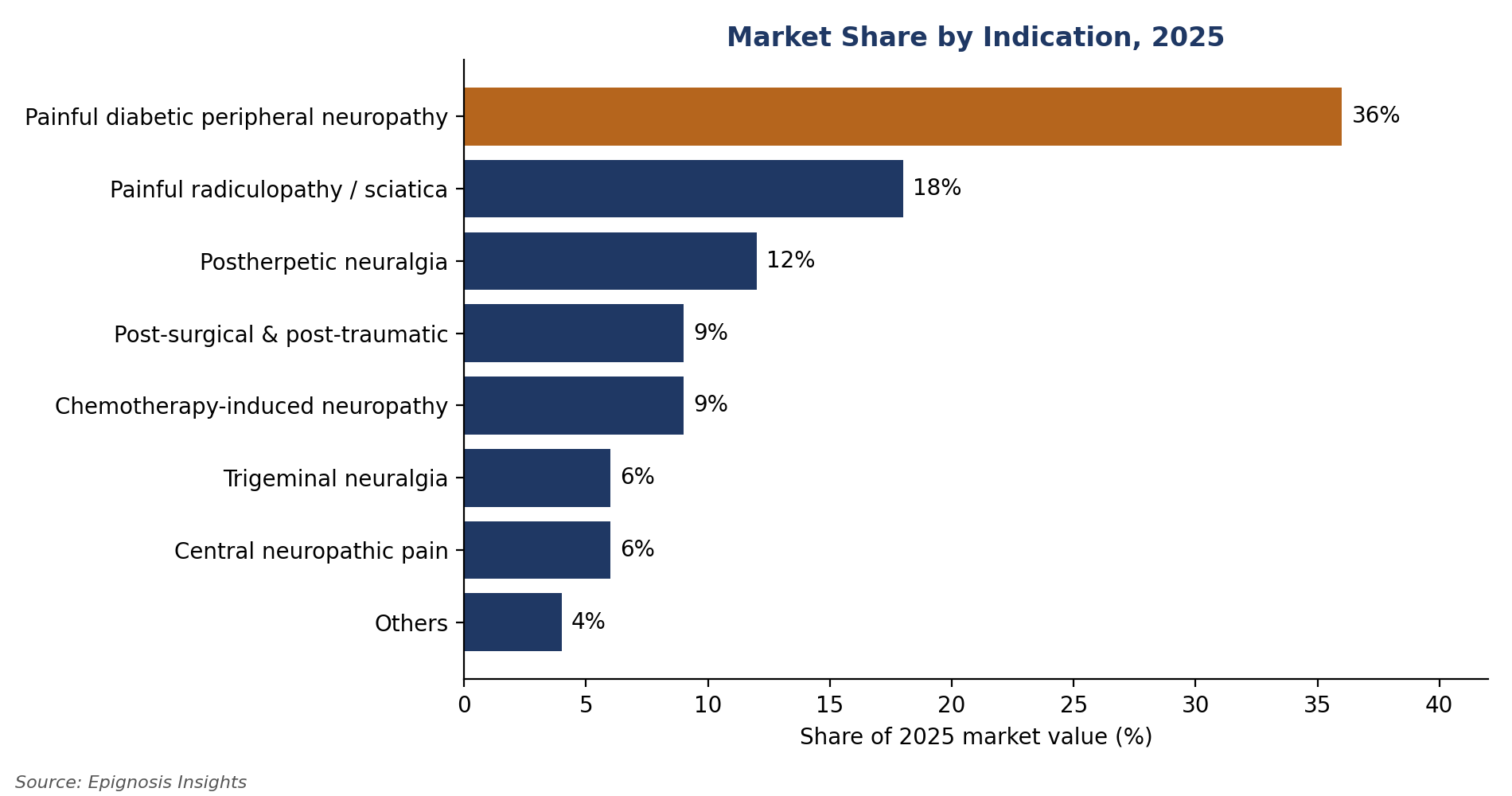
Figure 8: Market Share by Indication, 2025
Indication strategy has become a central element of competition. Most late-stage programmes begin in diabetic peripheral neuropathy because it offers a large, well-defined patient population and an established regulatory pathway. Once approved in one indication, companies typically pursue label expansion into postherpetic neuralgia, chemotherapy-induced neuropathy or post-surgical pain. Chemotherapy-induced neuropathy is a particularly important growth area, because rising cancer survival rates mean more patients live with long-term treatment side effects and because there are currently few approved options for this condition.
Central neuropathic pain and trigeminal neuralgia remain the most underserved indications. Patients often respond poorly to standard therapies, and trigeminal neuralgia in particular relies heavily on older sodium-channel anticonvulsants with significant tolerability limitations. These smaller indications are attractive for specialty developers because they combine high unmet need with the potential for focused, specialist-led commercialization.
Global Neuropathic Pain Treatment Market: Clinical Pipeline Analysis
Epignosis Insights tracks 58 clinical-stage assets in neuropathic pain as of 2026. Of these, 28 are in Phase 1, 22 in Phase 2, 7 in Phase 3 and 1 is filed or registered in at least one major market. Voltage-gated sodium channel inhibitors, targeting NaV1.7 or NaV1.8, form the largest group with 20 assets across all phases. TRP channel modulators account for 8 assets, kinase and other novel central nervous system targets such as AAK1 for 7, and gene, cell and biologic therapies for another 7. Repurposed and reformulated agents represent 10 assets and are disproportionately represented in late-stage development.
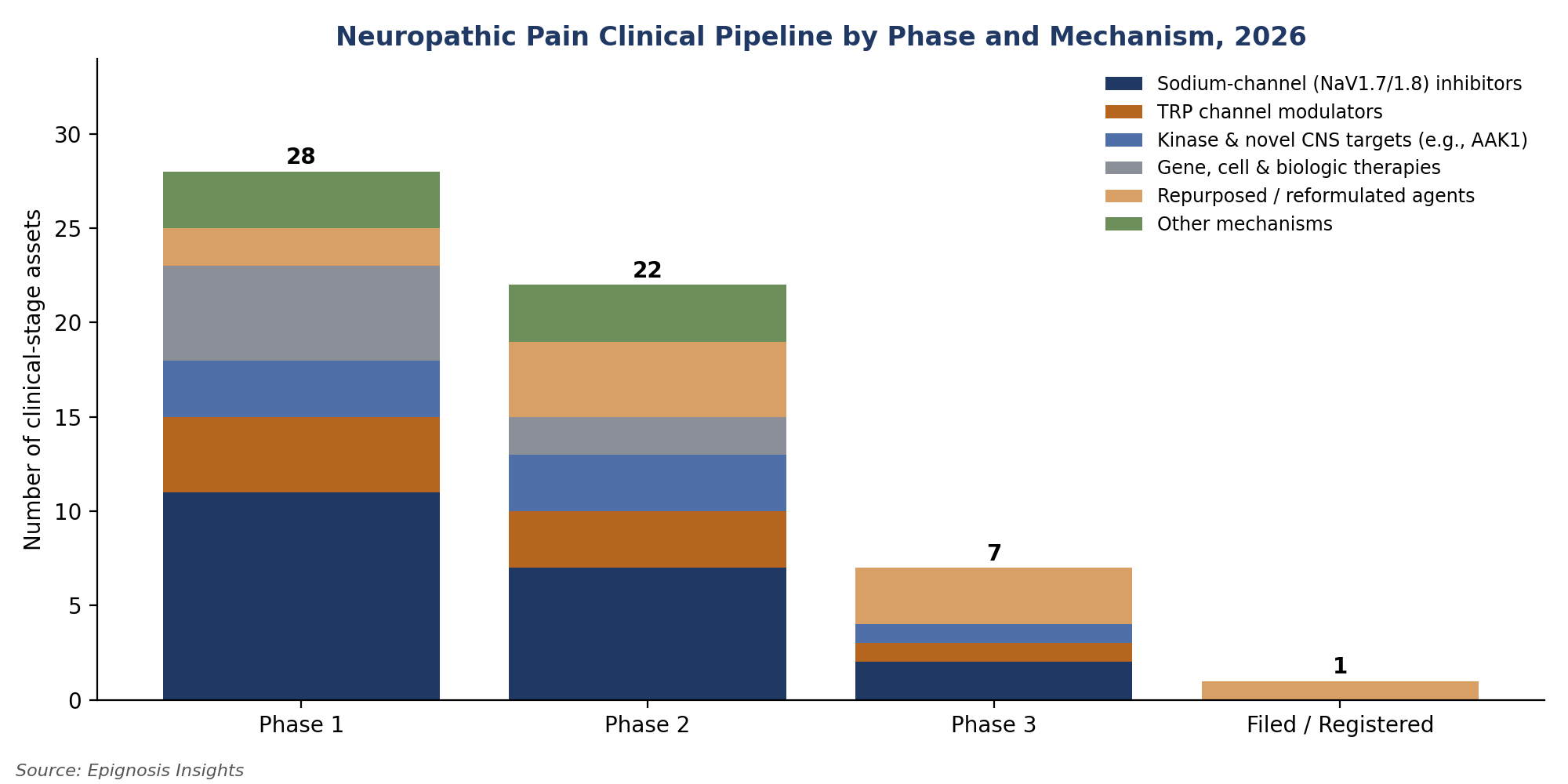
Figure 9: Neuropathic Pain Clinical Pipeline by Phase and Mechanism, 2026
The shape of the pipeline is revealing. Novel mechanisms dominate the early phases, while reformulations and repurposed medicines make up a large share of Phase 3 and filed programmes. This reflects the high attrition rate of new mechanisms in pain, where placebo responses are large and translating preclinical efficacy into consistent clinical benefit has historically been difficult. It also means that the next few years will be a period of important readouts that will determine whether sodium-channel and other novel approaches can deliver across multiple neuropathic pain indications.
Gene and cell therapies, including approaches designed to silence pain-signalling genes in peripheral neurons, remain early but represent a long-term opportunity to deliver durable relief from a single treatment. Their commercial impact before 2030 is expected to be limited, but they are attracting investment as a potential solution for refractory patients.
Global Neuropathic Pain Treatment Market: Competitive Landscape
Key companies analyzed within the global neuropathic pain treatment market are: Viatris, Eli Lilly and Company, Grünenthal (including Averitas Pharma), Daiichi Sankyo, Vertex Pharmaceuticals, Lexicon Pharmaceuticals, Keenova Therapeutics, Teva Pharmaceuticals, Sun Pharmaceutical Industries, Zydus Lifesciences, Lupin, Dr. Reddy's Laboratories, Cipla, Aurobindo Pharma and others.
Recent Strategic Developments
The competitive landscape combines established originators whose leading products are now largely genericized, a growing group of generic manufacturers, and innovators developing new mechanisms. Corporate restructuring has also affected the field. Mallinckrodt and Endo completed their merger in August 2025, and the combined branded business now operates as Keenova Therapeutics, while the generics and sterile injectables operations have been spun off as Par Health. Companies that previously held branded topical pain products have therefore changed structure, and buyers and partners need to track which entity now holds each product.
Business development is also active around established products. Out-licensing of regional rights, as seen with Grünenthal's agreements for Qutenza, allows originators to extend the reach of their brands into markets where they lack a direct commercial presence. Meanwhile, generic manufacturers in India continue to supply a large share of global gabapentinoid and antidepressant volume, competing on cost, scale and regulatory approvals across multiple markets.
Epignosis Insights Competitive Assessment Framework (EICAF)
The Epignosis Insights Competitive Assessment Framework (EICAF) for the global neuropathic pain treatment market evaluates companies across 10 weighted parameters. Portfolio efficacy and differentiation receives the highest weight at 15%, because demonstrated clinical benefit over generic standards of care is the foundation of commercial success. Clinical pipeline strength receives 14%, reflecting the importance of upcoming readouts in determining future leadership. Market access and reimbursement receives 12%, given the role of step therapy and formulary placement. Commercial reach and prescriber coverage and safety and tolerability profile each receive 11%, lifecycle and IP protection 10%, geographic footprint 9%, pricing and cost-effectiveness 8%, and manufacturing and supply and patient support and digital engagement 5% each. The total weighting equals 100%.
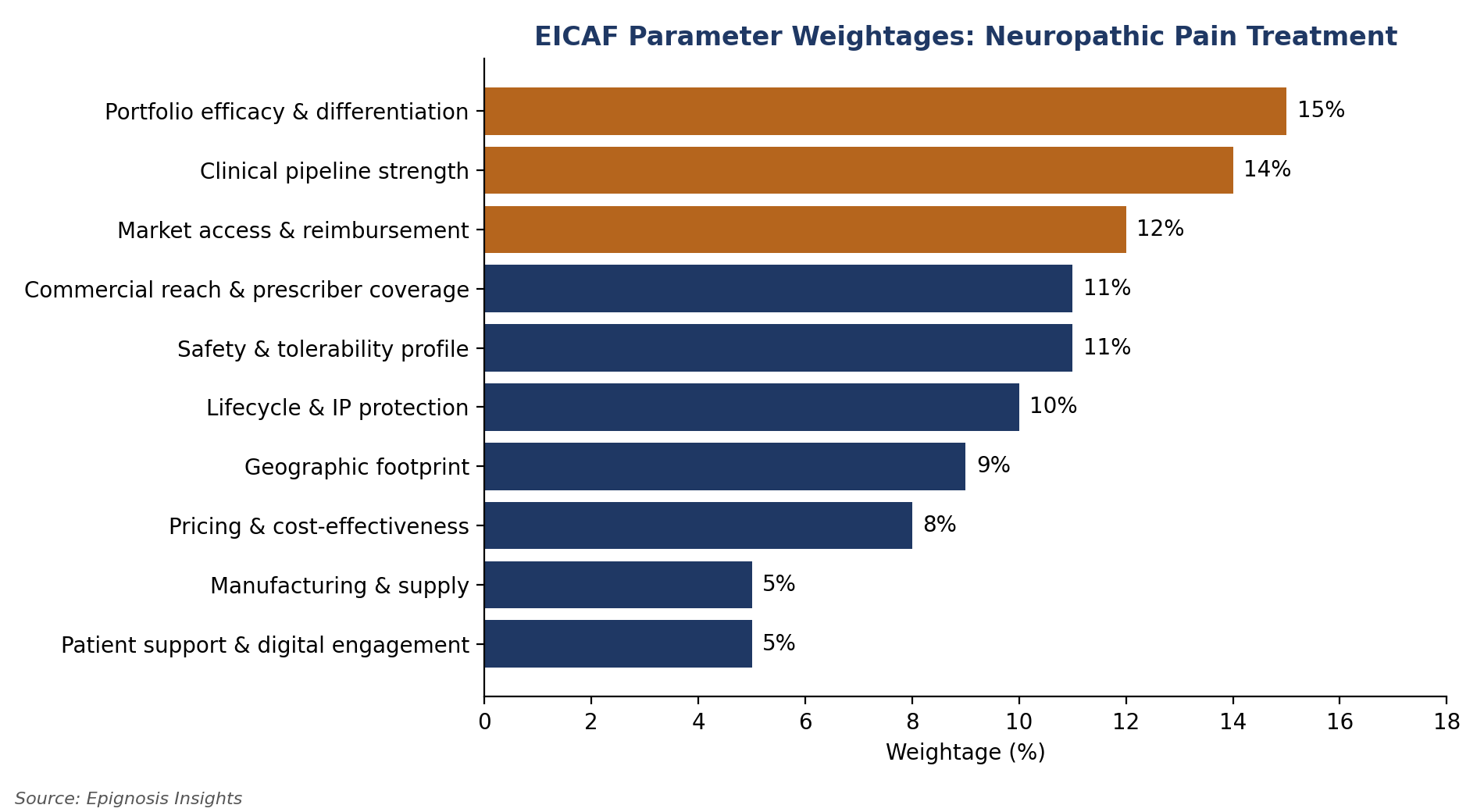
Figure 10: EICAF Parameter Weightages: Neuropathic Pain Treatment
EICAF Scoring Method
Each company is assigned a score from 1 to 5 against every parameter, with the weighted score calculated as Company Score × Parameter Weightage. The resulting EICAF score allows a structured comparison of competitive capability that does not depend solely on current revenue. This is particularly important in neuropathic pain, where companies with modest current sales may hold the most valuable pipeline assets, while companies with large current revenue may be exposed to continued generic erosion.