Europe Natural Gas Price Tracker
Weekly Edition | Week 46, 2026 (5–11 November 2026)


Weekly Edition | Week 46, 2026 (5–11 November 2026)
Europe’s wholesale Natural Gas Market spent Week 46 unwinding a large share of the geopolitical risk premium built up during late October, before staging a partial mid-week recovery. Based on the daily settlement compilation maintained by Epignosis Insights, the Dutch TTF front-month contract fell to a four-week low of €82.3/MWh on 9 November, recovered to €84.3/MWh on 10 November and moved back above €87/MWh intraday on 11 November. The week averaged approximately €84.4/MWh, 6.4% below the Week 45 average of €90.2/MWh and almost 19% below the €103.9/MWh settlement recorded on 30 October, the highest level since the 2022 energy crisis. Despite the correction, prices remain roughly 2.7 times their level a year ago.
Epignosis Insights’ central reading of the week is that the sell-off was driven by expectations rather than physical supply. Underground storage is being drawn at a record early-season pace, Qatari LNG remains under force majeure, Norwegian flows are running below capacity, and Europe must still outbid Asia for flexible cargoes. With inventories roughly 17 percentage points below the five-year norm, the market remains structurally exposed, and Epignosis Insights retains a base-case December front-month range of €78–95/MWh, with risks skewed to the upside.
Table 1 summarises the core indicators tracked by Epignosis Insights for the week, comparing the latest readings with the previous week.
| Indicator | Week 45 (2–6 Nov) | Week 46 (9–11 Nov) | Change |
| TTF front-month, weekly average (€/MWh) | 90.2 | 84.4 | −6.4% |
| TTF weekly low settlement (€/MWh) | 85.6 | 82.3 | −3.9% |
| TTF weekly high settlement (€/MWh) | 94.9 | 86.5* | −8.8% |
| TTF front-month, latest (USD/MMBtu) | 28.0 | 28.3* | +1.1% |
| EU storage fill, end of period (%) | 73.0 | 72.0 | −1.0 pp |
| Henry Hub, latest (USD/MMBtu) | 3.0 | 3.2 | +6.7% |
| TTF / Henry Hub multiple (x) | 9.3 | 8.8 | −0.5x |
Table 1: Europe natural gas weekly price snapshot. *11 November indicative. Source: Epignosis Insights.
The week opened on a soft footing. Monday’s session extended the previous week’s steep slide as hopes of a diplomatic settlement in the Middle East gathered momentum, and OilPrice.com reported that signals from US President Donald Trump that further strikes on Iran were not planned at this stage encouraged traders to strip out risk premium. Market commentary from UK energy consultancy Prestige Business Solutions noted that front-quarter European gas contracts had given up close to 13% over the week, while LNG sendout was running near 54 mcm/day on a heavy, almost entirely US-sourced arrivals programme into north-west Europe. The same report recorded EU carbon allowances (Dec-26) firming to €87.65/t, a reminder that coal-switching economics continue to underpin gas-fired generation demand.
Sentiment turned on Tuesday and Wednesday. Renewed tanker attacks in the Strait of Hormuz undermined confidence in a durable agreement, and The Wall Street Journal reported on 11 November that European prices had climbed back above €85/MWh as concern over accelerating storage withdrawals resurfaced. Epignosis Insights notes that the week’s trading range of roughly €82–87/MWh was considerably narrower than Week 45’s €85–95/MWh band, suggesting the market is searching for a new equilibrium rather than resuming a one-directional trend.
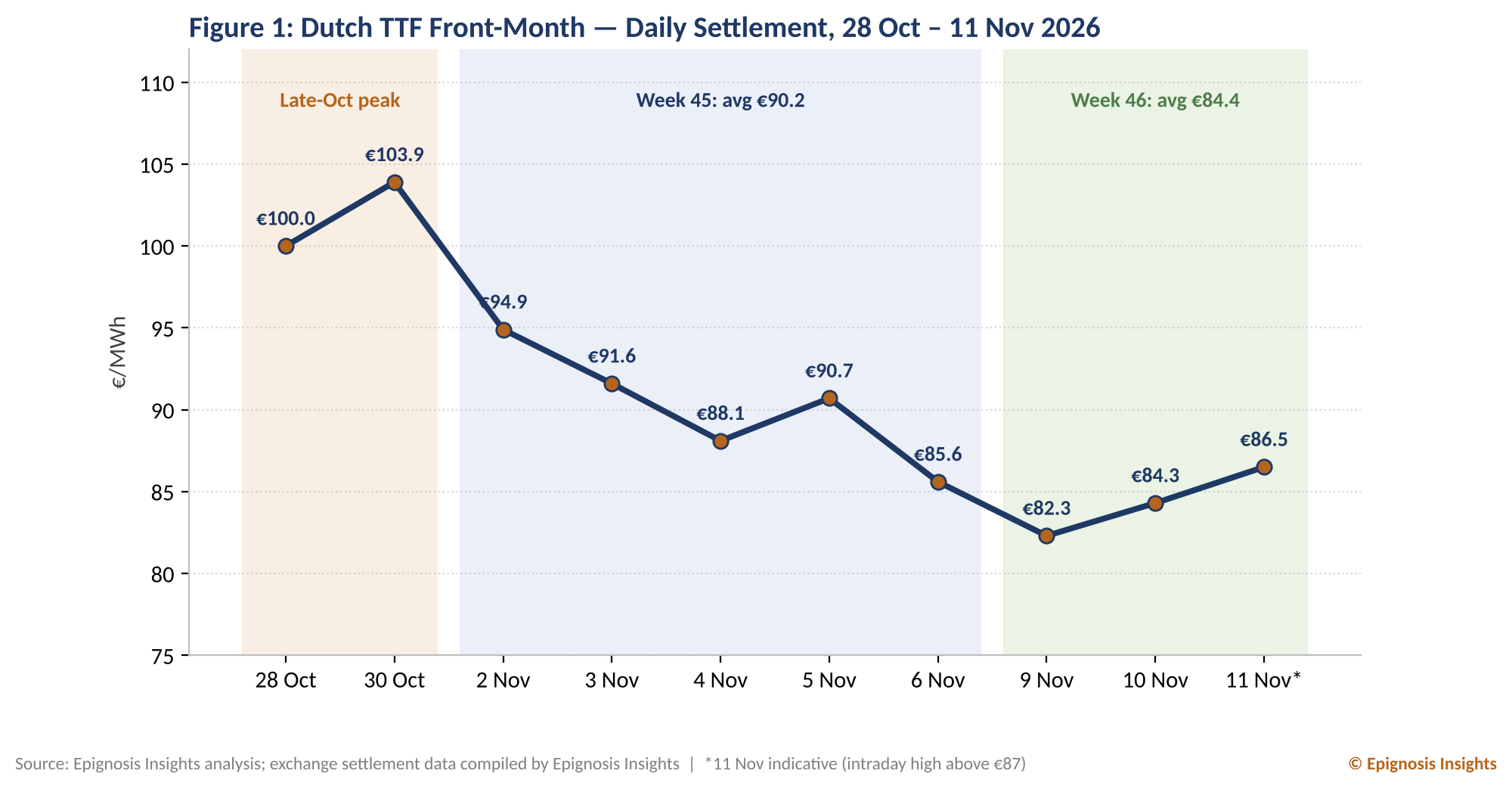
Figure 1: Dutch TTF front-month daily settlement, 28 October – 11 November 2026 (Source: Epignosis Insights)
Viewed over a longer horizon, the current level remains exceptional. Epignosis Insights’ indicative monthly averages show TTF trading near €29–33/MWh between November 2025 and February 2026, when the market was pricing a record global LNG supply wave. The disruption of Gulf LNG exports from March reversed that narrative, and prices climbed in stages through the injection season to a monthly average of about €93/MWh in October. Equinor’s third-quarter 2026 results provide producer-side confirmation of the shift: the Norwegian company realised a European gas price of USD 20.0/MMBtu in the quarter, up from USD 15.8/MMBtu in the second quarter and about 75% higher year on year, lifting adjusted operating income to USD 12.35 billion.
The month-to-date November average of roughly €87/MWh sits modestly below October, but Epignosis Insights does not interpret this as the start of a sustained downtrend. Corrections in May and June 2026 proved temporary once physical supply constraints re-asserted themselves, and the fundamental drivers behind the autumn rally have not yet reversed.
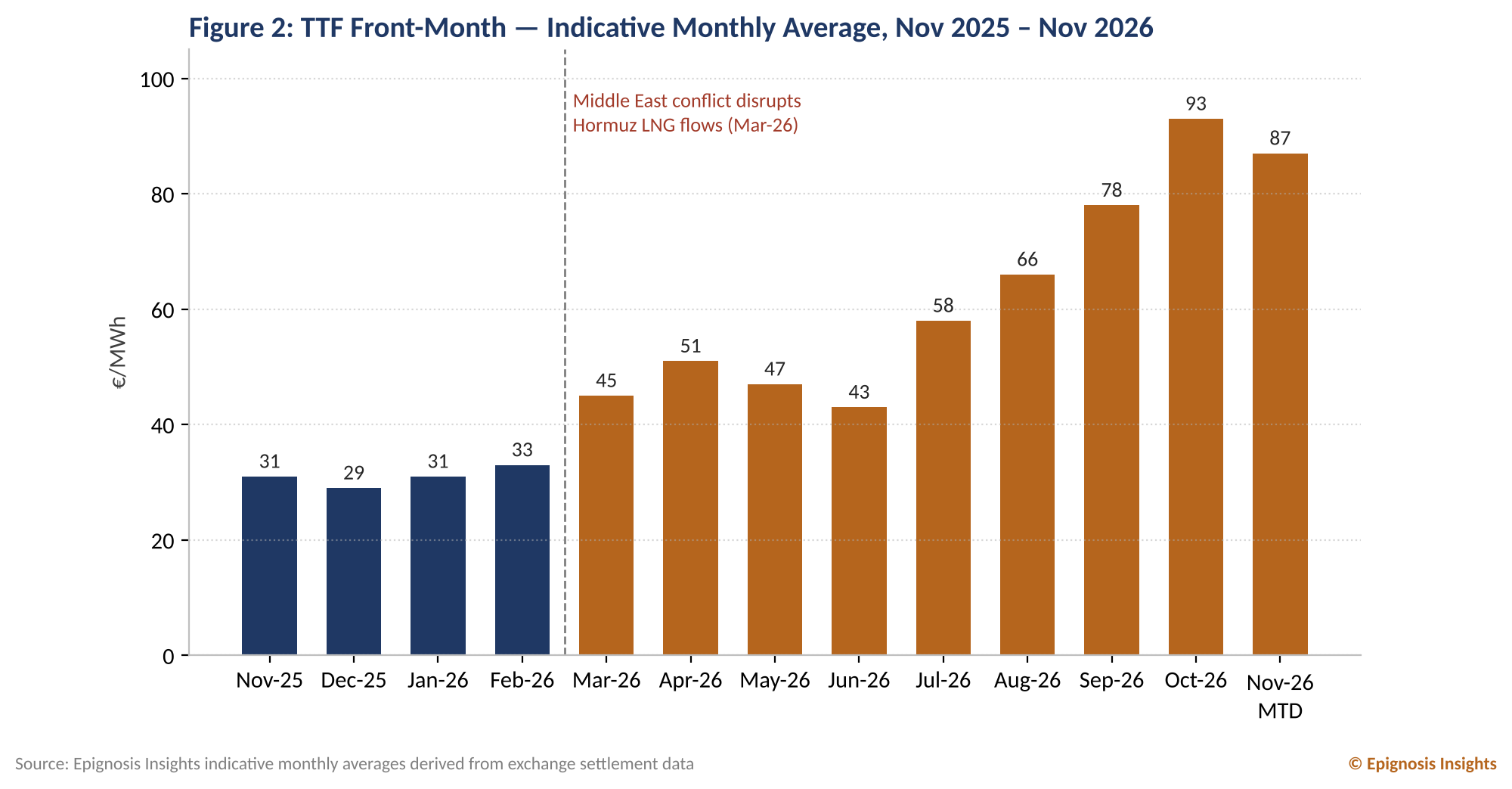
Figure 2: TTF front-month indicative monthly average, November 2025 – November 2026 (Source: Epignosis Insights)
Storage is the single most important variable in this week’s tracker. Daily data published by Gas Infrastructure Europe through its AGSI+ transparency platform show that EU inventories peaked at only 74.96% of working capacity on 27 October, before heating demand tipped the system into net withdrawals. By gas day 7 November, stocks had fallen to 72.65%, with withdrawals of about 4.1 TWh/day against injections of just 0.35 TWh/day. Epignosis Insights estimates the EU fill level at close to 72% on 10 November, compared with roughly 82.5% a year earlier and a five-year seasonal norm of around 90%.
Market intelligence firm Kpler highlighted that storage flipped from average daily net injections of 0.06 bcm/d to withdrawals of 0.13 bcm/d in the week to 3 November, as weaker pipeline supply and stronger demand increased the call on inventories. That pipeline weakness has a clear origin: ENGIE’s EnergyScan market tracker recorded unplanned Norwegian maintenance cutting supply to 297 mcm/day in late October, and flows have remained below capacity since.
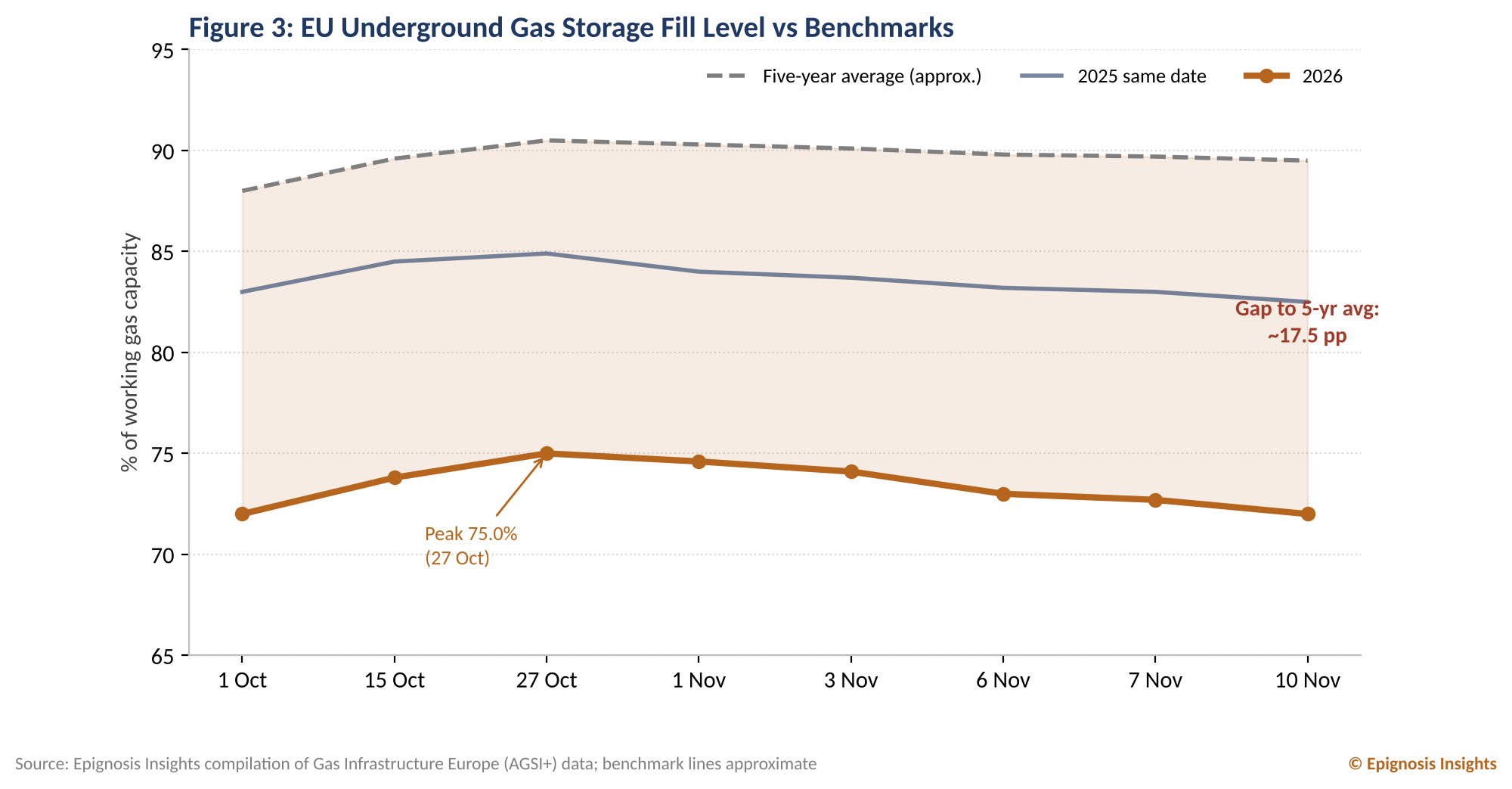
Figure 3: EU underground gas storage fill level versus 2025 and the five-year average (Source: Epignosis Insights)
Country-level data reveal an uneven picture. On 1 November, Germany’s storage was only 61.1% full and the Netherlands 65.7%, while Italy (91.0%) and Poland (99.3%) entered winter comfortably stocked. Epignosis Insights considers north-west Europe, home to the TTF and THE hubs, the most price-sensitive region this winter because its storage deficit coincides with the highest exposure to spot LNG. Rystad Energy had already flagged in September that Germany was particularly exposed, with fill levels then around 55%.
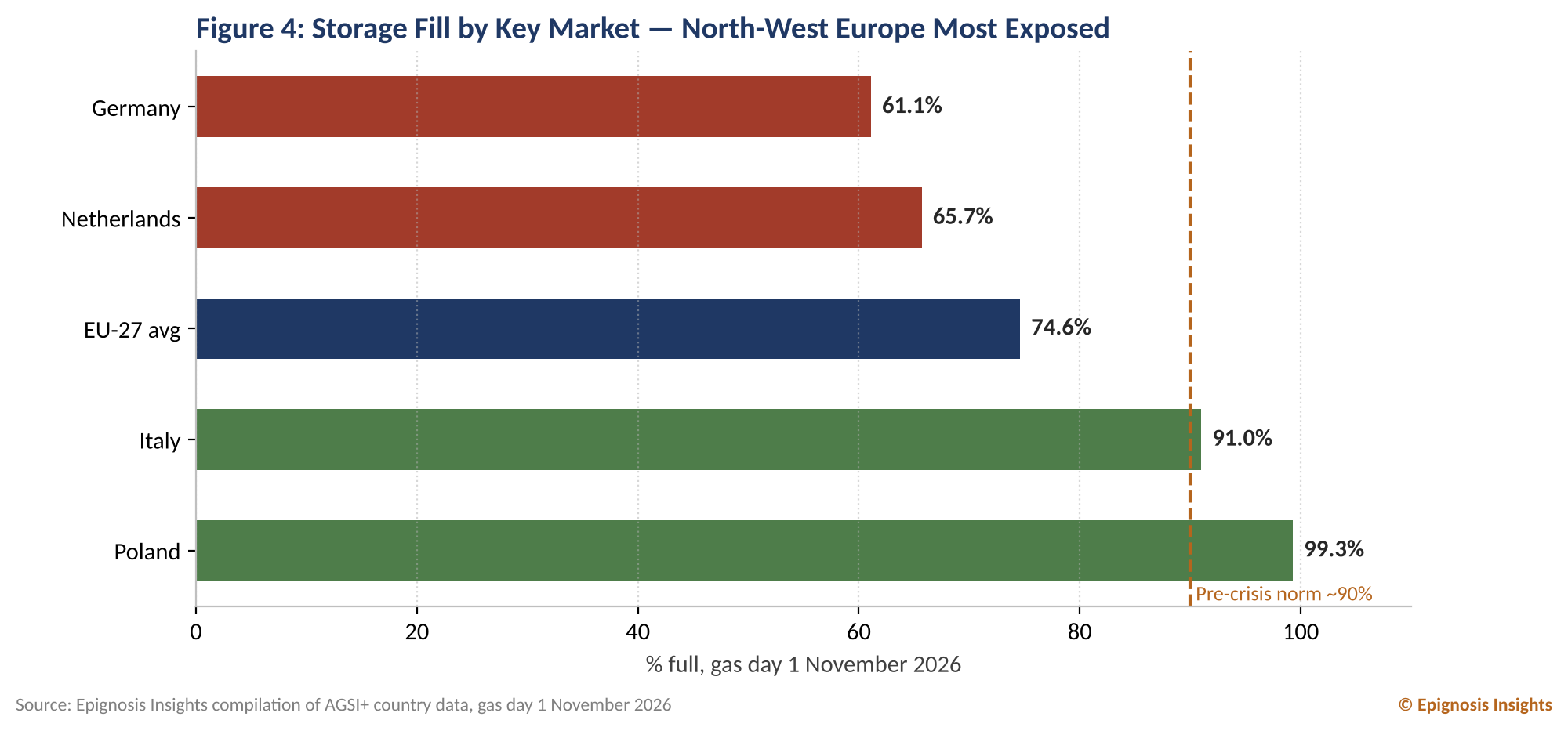
Figure 4: Storage fill by key market, gas day 1 November 2026 (Source: Epignosis Insights)
On the global stage, the weekly price survey published by Japan’s state-backed JOGMEC showed TTF (December delivery) falling to USD 28.0/MMBtu on 6 November from USD 34.0/MMBtu a week earlier, an 18% drop, while the Asian JKM marker eased to the low USD 32s/MMBtu and US Henry Hub edged up to USD 3.0/MMBtu on stronger LNG feedgas demand. The resulting Asia premium of roughly USD 3.8/MMBtu matters for Europe: when JKM trades above TTF, flexible Atlantic Basin cargoes are drawn east unless European prices rise to compete. The EU’s own LNG benchmark compiled by the Agency for the Cooperation of Energy Regulators (ACER) moved to a €4.87/MWh premium over TTF on 4 November, weakening regasification economics.
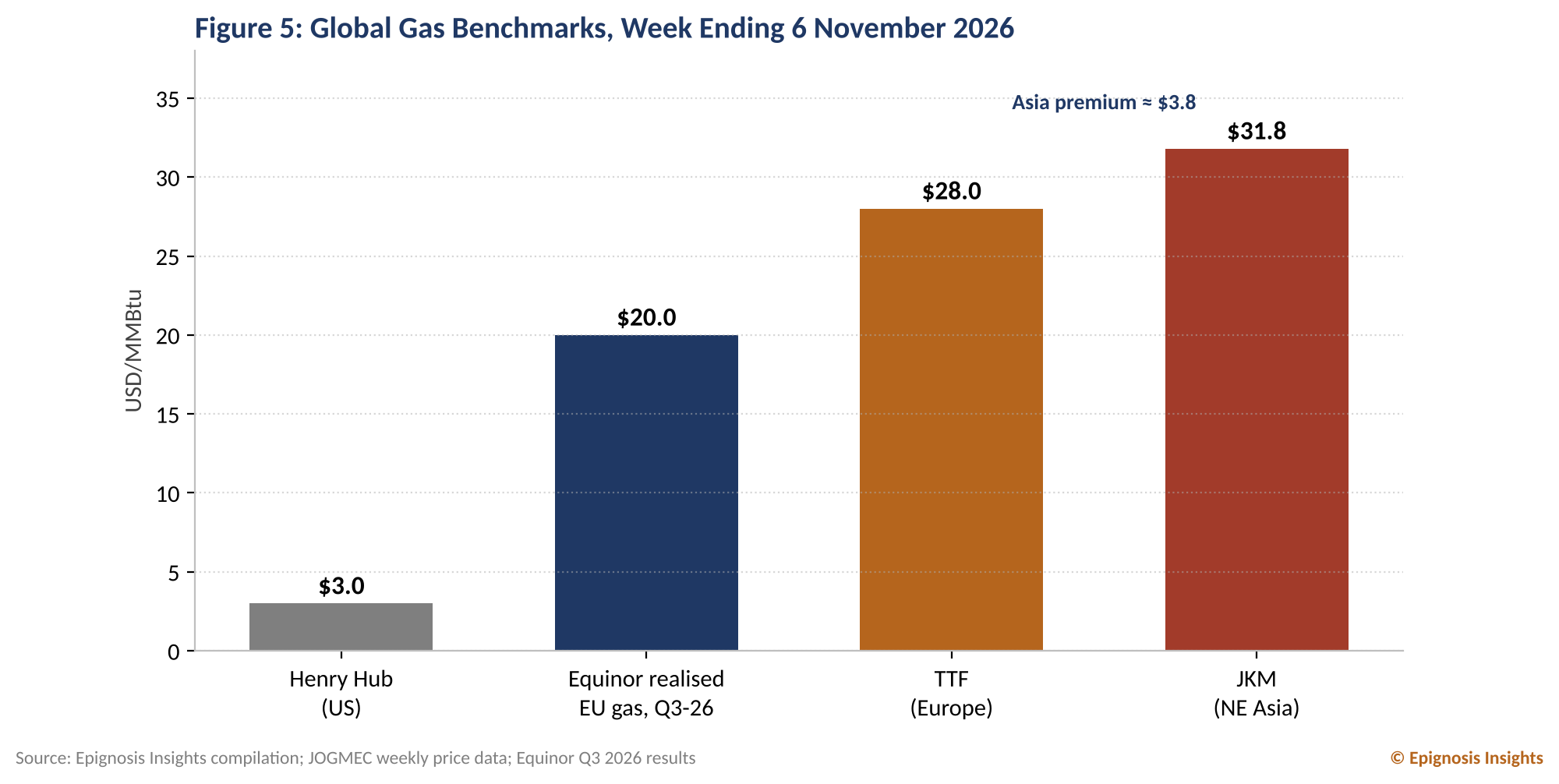
Figure 5: Global gas benchmarks, week ending 6 November 2026 (Source: Epignosis Insights)
Supply-side constraints remain severe. QatarEnergy has extended force majeure on deliveries until at least the end of December 2026, and LNG transits through the Strait of Hormuz remain well below pre-war volumes. Europe has consequently leaned even harder on the United States; the Institute for Energy Economics and Financial Analysis (IEEFA) forecasts that around two-thirds of Europe’s 2026 LNG imports will be US-sourced. Asian buyers are active as well: Japan’s Ministry of Economy, Trade and Industry (METI) reported that LNG inventories held for power generation fell by 0.23 million tonnes in the week to 1 November, to 1.92 million tonnes, signalling that North Asian restocking demand could intensify as temperatures fall. Meanwhile, the US Energy Information Administration (EIA) put domestic gas inventories at 3,801 Bcf, 1.4% above the five-year average, keeping US export feedgas comfortably supplied.
The regulatory backdrop adds a further layer of tightness for early 2027. Under the European Commission’s REPowerEU Gas Regulation (EU/2026/261), which entered into force on 3 February 2026, short-term Russian LNG contracts have been prohibited since 25 April 2026, long-term Russian LNG contracts will be banned from 1 January 2027, and long-term pipeline imports will end by 30 September 2027. With Russian cargoes still arriving under long-term contracts during 2026, the January cut-off removes a source of supply at the midpoint of winter. Epignosis Insights expects member-state discussions on storage-target flexibility and voluntary demand reduction to intensify should cold weather accelerate withdrawals in December.
Figure 6 summarises the Epignosis Insights price-formation framework for the current week. Four bullish forces dominate: constrained Gulf LNG output, below-capacity Norwegian pipeline flows, weather-driven demand (including periods of low wind generation) and intensifying Asian competition. Two bearish forces have offset them in recent sessions: diplomatic de-escalation signals and a heavy US cargo arrivals schedule. Policy and carbon-coal switching economics act as structural modifiers rather than week-to-week drivers.
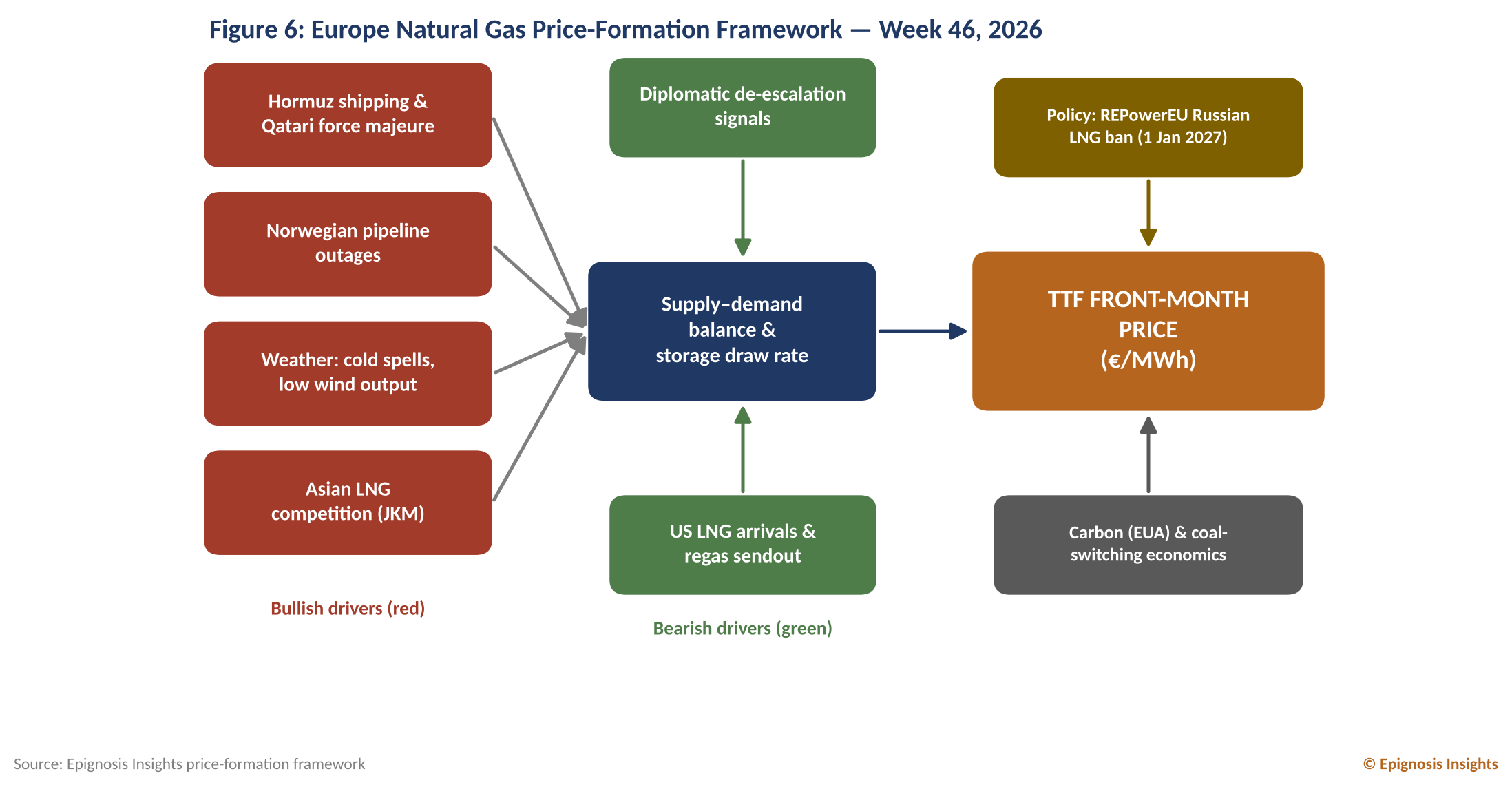
Figure 6: Europe natural gas price-formation framework, Week 46 2026 (Source: Epignosis Insights)
Weather deserves particular attention. Bloomberg has reported that seasonal models broadly favour a mild winter, supported by a strong El Niño, while forecaster MetDesk has warned that an early polar-vortex disruption could bring colder conditions to northern Europe in December. Epignosis Insights’ view is that, in a low-storage environment, short cold spells matter more for price than seasonal averages.
Institutional outlooks reinforce the case for caution. The International Energy Agency’s Global Gas Security Review 2026, published on 3 November, projects that global LNG supply will fall by 3% (almost 20 bcm) in 2026, the steepest annual contraction on record, and simulates that EU storage could drop below 10% of working capacity by end-March 2027 in a worst case combining cold weather and continued Hormuz disruption. Wood Mackenzie, using current forward prices and ten-year normal weather, expects European storage to finish winter only 17% full. ENTSOG’s Winter Supply Outlook 2026/27 concludes that infrastructure remains flexible enough to meet demand, but under cold conditions keeping a 30% end-of-winter buffer could require curtailment equivalent to around 7% of consumption.
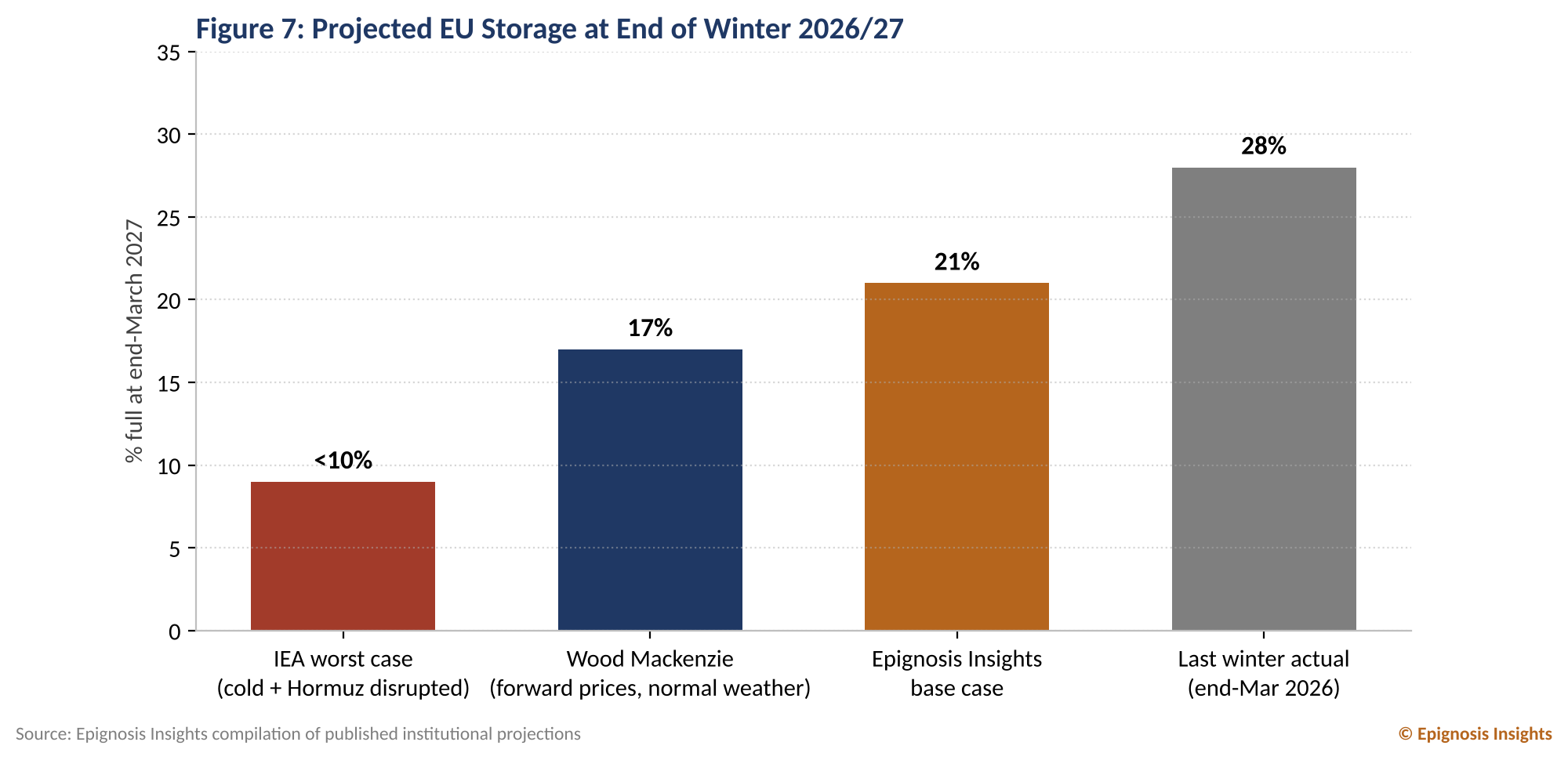
Figure 7: Projected EU storage at end of winter 2026/27 (Source: Epignosis Insights)
Published price forecasts span an unusually wide range. Morgan Stanley’s bear case of around €50/MWh assumes Qatari flows normalise and the winter is mild, while Energy Aspects’ bull case reaches €210/MWh if storage is forced to a 16% buffer without Hormuz normalisation. Epignosis Insights’ own scenario set places the December front-month in a base-case band of €78–95/MWh (central €86/MWh), a bear case of €55–70/MWh contingent on a credible Hormuz reopening plus mild weather, and a bull case of €110–135/MWh triggered by a sustained cold snap. On storage, the Epignosis base case points to an end-March fill of about 21%, below last winter’s 28% exit level.
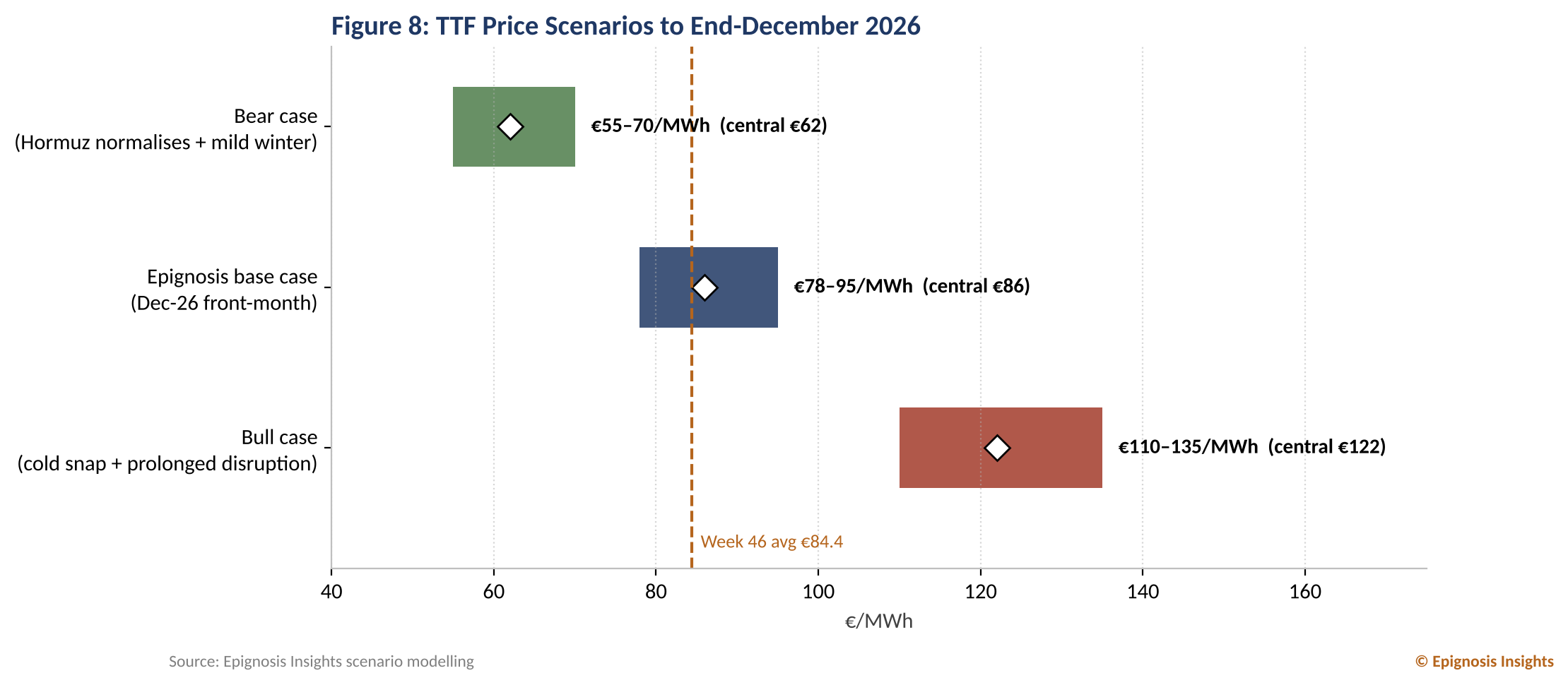
Figure 8: TTF price scenarios to end-December 2026 (Source: Epignosis Insights)
For industrial gas buyers, Epignosis Insights recommends layering hedges into Q1 2027 on price dips toward the low-€80s rather than chasing rallies, given the asymmetric upside risk. Utilities and suppliers should stress-test retail tariffs against a €120/MWh-plus spike scenario and review interruptible-supply arrangements with large customers. For traders, the JKM–TTF spread and the January 2027 Russian LNG cut-off are the two catalysts most likely to reprice the front of the curve. Policymakers face a narrowing window: demand-reduction or storage-flexibility measures will be more effective if signalled before, rather than during, the first severe cold spell.
Epignosis Insights will continue to monitor daily TTF settlements, AGSI+ storage flows, LNG arrival schedules and weather-model updates, and will report material changes in next week’s edition.