Enterprise AI Agents Market Outlook: Adoption Trends Across Industries
Enterprise AI Agents Market report covering market size, growth, trends, key players, applications, technologies, and opportunities shaping the future of AI.


Enterprise AI Agents Market report covering market size, growth, trends, key players, applications, technologies, and opportunities shaping the future of AI.
Enterprise AI agents, meaning software that can plan and execute multi-step work across business systems with limited human intervention, moved from conference demonstrations to contracted revenue during the past twelve months. The clearest proof is not in forecasts but in public company disclosures: Salesforce, ServiceNow and Microsoft now each report agent-related metrics in their quarterly results, and large enterprises in banking, healthcare and retail are naming the agents they run in production.
The same evidence also shows how early the market is. Official statistics place overall business AI use at roughly one firm in five in both the European Union and the United States, and U.S. Census Bureau research finds that most adopting firms use AI in three or fewer business functions. The gap between leading adopters and the median firm is the defining feature of this market in 2026, and it is where the commercial opportunity sits.
Much of the public commentary on AI agents blends three different things: general use of generative AI tools, copilots that assist a person inside an application, and genuine agents that execute workflows. This report uses the four-level ladder in Figure 1 to keep those categories apart. Official statistics mostly measure the lower rungs; vendor disclosures and named deployments are the best available evidence for the upper rungs.
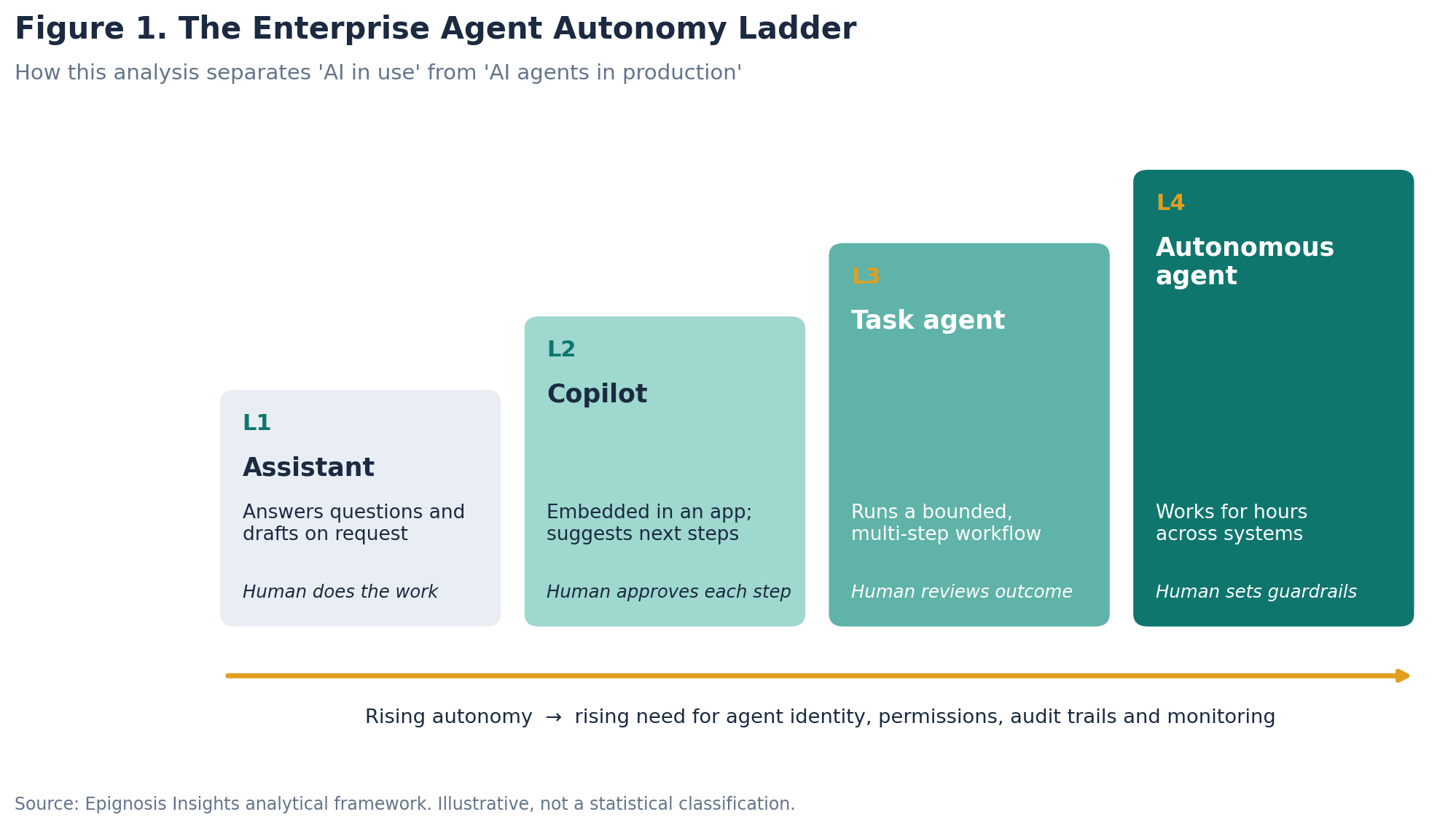
Figure 1: Enterprise agent autonomy levels
Measurement also matters. A Federal Reserve note published in April 2026 compared three U.S. surveys and found widely different pictures depending on who is asked: about 18% of firms had adopted AI at year-end 2025 on the Census Bureau's measure, while a survey of senior executives estimated that 78% of the labor force works at firms that have adopted AI. Both can be true, because large firms employ most workers. The Census Bureau also broadened its AI question in November 2025, so readings before and after that date should not be compared directly.
Worker-level surveys offer a different view. The same Federal Reserve note reported that work-related generative AI use among individuals in the Real-Time Population Survey stood at about 41% as of November 2025, with the strongest growth in the most recent quarter. The Census Bureau's 2026 AI supplement similarly found that workers use AI in work tasks at 23% of firms, or 41% on an employment-weighted basis.
The Adoption Baseline: What Official Statistics Show
The European Union offers the most consistent long-run series. Eurostat reports that the share of EU enterprises with at least ten employees using AI rose from 7.7% in 2021 and 8.1% in 2023 to 13.5% in 2024 and 20.0% in 2025. The 6.5 percentage-point increase in a single year is the largest in the series and coincides with the spread of generative and agentic tools into mainstream business software.
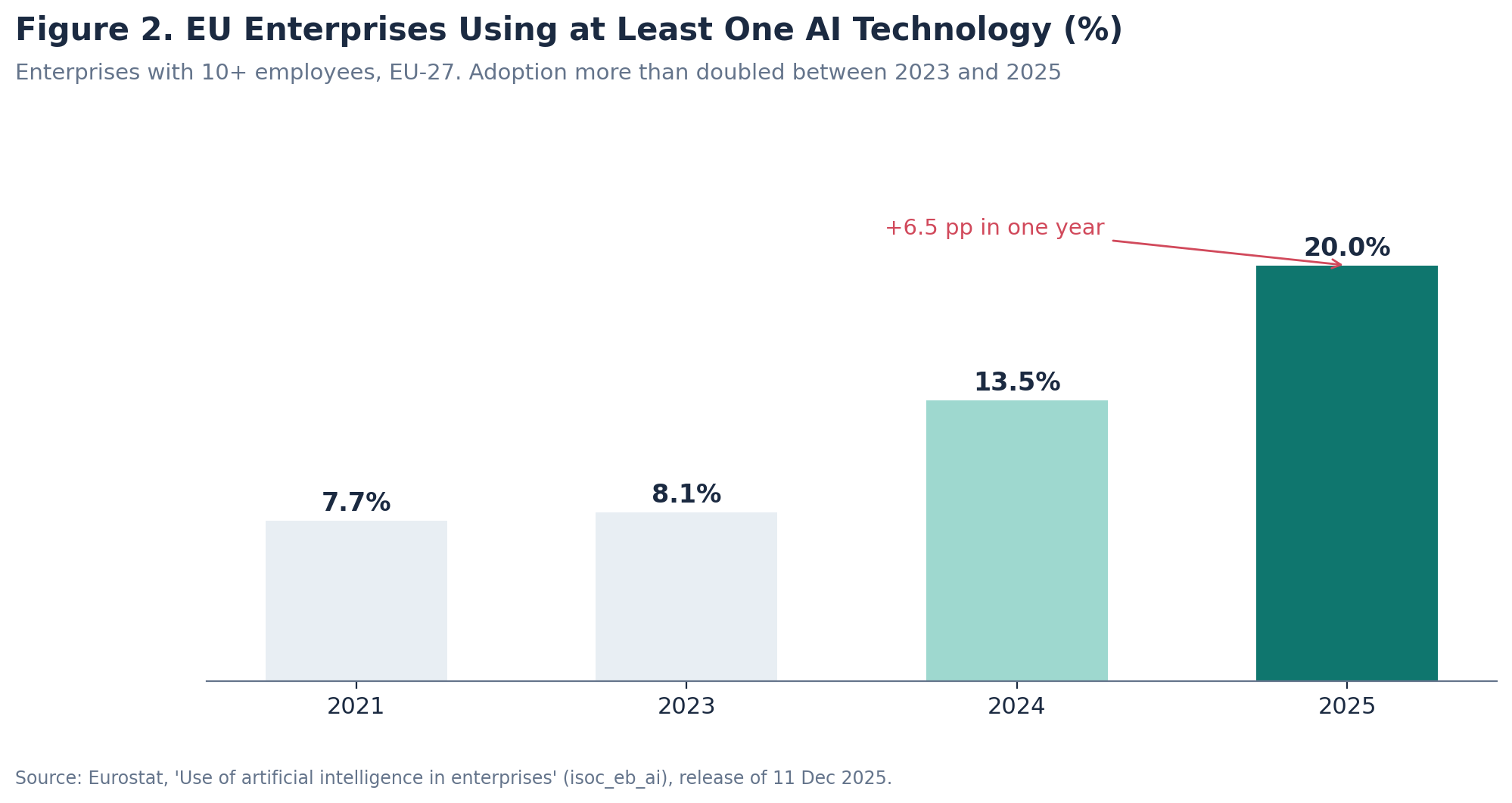
Figure 2: EU enterprise AI adoption, 2021 to 2025
In the United States, the Census Bureau's biweekly Business Trends and Outlook Survey shows AI use hovering between 17% and 20% of businesses from mid-December 2025 to early May 2026, with 20% to 23% expecting to use AI within six months. The reading for the period ending 3 May 2026 was 19.8%.
The BTOS draws on a sample of about 1.2 million businesses and collects data every two weeks. Its updated AI supplement measures AI use across 15 business functions, including finance, human resources, customer service, marketing, information technology and research and development, and also asks about AI-related changes such as staff training, workflow adjustments and technology investment. Sector gaps in the survey are wide: in May 2026, the Information (39.7%) and Finance and Insurance (33.9%) sectors were well above the national rate, while Retail Trade was below it.
Firm size is the most consistent divider. Eurostat reports that 55.0% of large enterprises, 30.4% of medium-sized enterprises, and 17.0% of small enterprises used AI in 2025. The U.S. pattern is similar: 37% of firms with at least 250 employees and 32% of those with 100 to 249 employees reported AI use, and use grew among firms with 20 or more employees while remaining statistically flat among smaller ones.
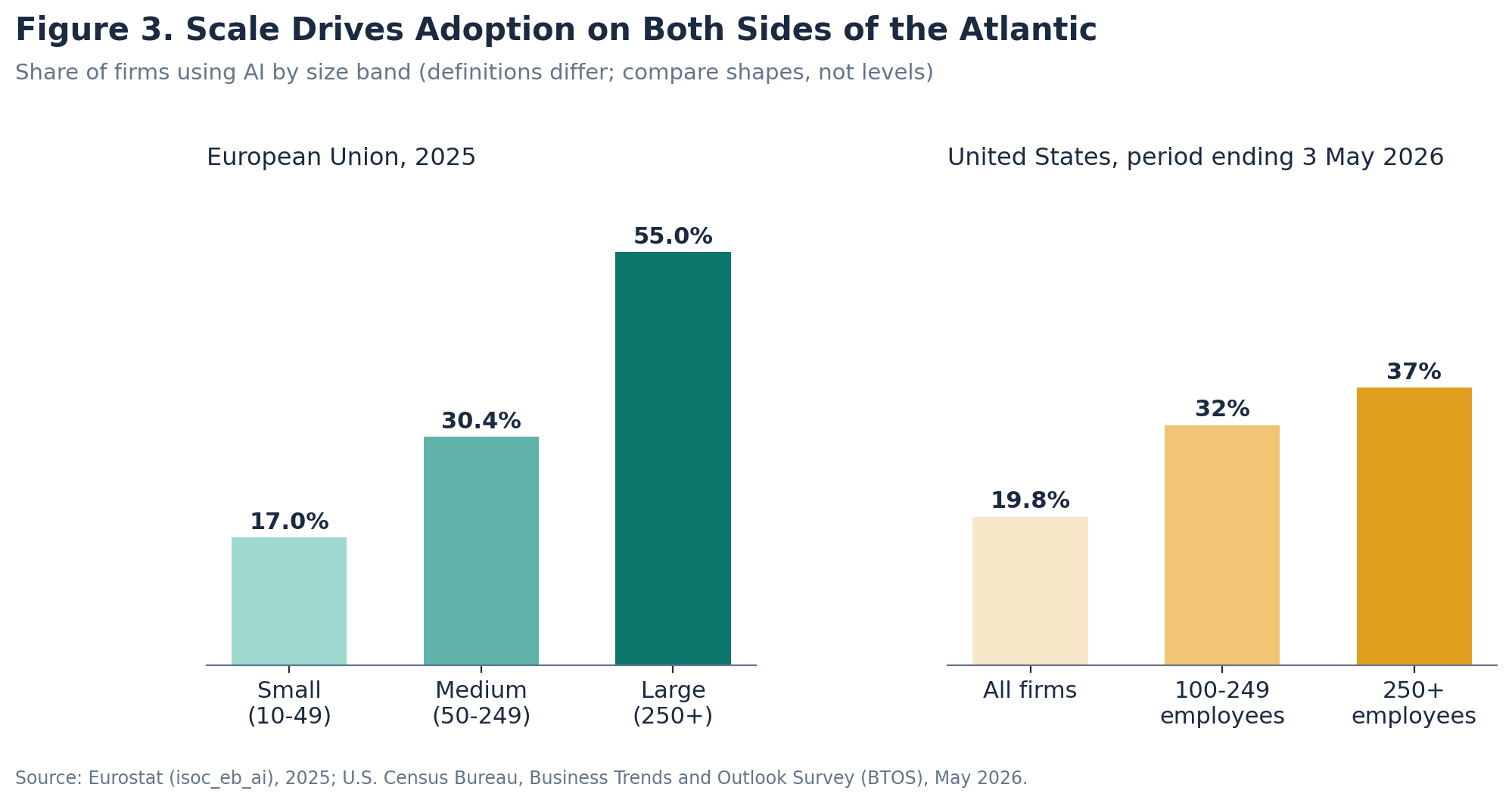
Figure 3: AI adoption by firm size, EU and U.S.
The type of AI in use also matters for agents, which largely rely on language technologies. Eurostat found no single dominant AI technology in 2025. Still, the most common was text mining, used by 11.75% of EU enterprises, followed by AI that generates images, video, or audio (9.55%) and AI that generates written or spoken language or code (8.76%). These language-based capabilities are the foundation on which workflow agents are being built, so their spread is a reasonable leading indicator of the addressable base for agent products.
Large firms are also using more AI technologies at once. In 2025, 44.0% of large EU enterprises used at least two AI technologies and 33.6% used at least three. Among small enterprises, the equivalent shares were 10.6% and 6.5%, and among medium-sized enterprises, 20.8% and 13.7%.
The purpose of AI use differs by sector. Eurostat reports that enterprises in accommodation (58.8%) and retail trade (48.2%) mainly used AI for marketing or sales. In comparison, the information and communication sector mainly used it for research and development or innovation (42.5%). In electricity, gas, steam and water supply, the leading use was ICT security (32.0%).
Because no neutral body yet measures spending on AI agents, the most reliable demand signal is what publicly listed vendors disclose in regulated filings. Three disclosures stand out in the most recent reporting cycle (Figure 4).
Salesforce. For the quarter ended 31 July 2026, Agentforce annual recurring revenue exceeded $1.5 billion, up more than 240% year on year, and combined Agentforce and Data 360 ARR reached nearly $3.9 billion. Salesforce also reported 3.2 billion Agentic Work Units in the quarter, up 97% sequentially. The company notes that, from this quarter, Agentforce ARR includes Slackbot and Headless 360, so the growth rate is not strictly like-for-like.
ServiceNow. For the quarter ended 30 June 2026, ServiceNow said agentic deployments of its AI grew ninefold in nine months, and its AI annual contract value passed $1 billion, keeping the company on track for a $1.5 billion target by the end of 2026.
Microsoft. Microsoft reported more than 30 million paid Microsoft 365 Copilot seats at the end of fiscal 2026, with net seat additions more than doubling quarter on quarter. Earlier in the fiscal year, it said over 80% of the Fortune 500 had active agents built with its low-code tools, and it introduced Agent 365 to extend identity, security and management controls to agents.
The vendors have also reported how customers are buying. ServiceNow ended the second quarter with 658 customers paying more than $5 million in annual contract value, up about 23% year on year, and launched Otto, a unified AI experience combining Now Assist and Moveworks that routes work to agents. Salesforce said bookings of its premium Agentforce editions for sales and service more than doubled quarter on quarter, and its Data 360 platform ingested 104 trillion records in the quarter. Microsoft reported that partners including Adobe, Databricks, SAP, ServiceNow and Workday were integrating Agent 365, its control plane for managing agents across clouds.
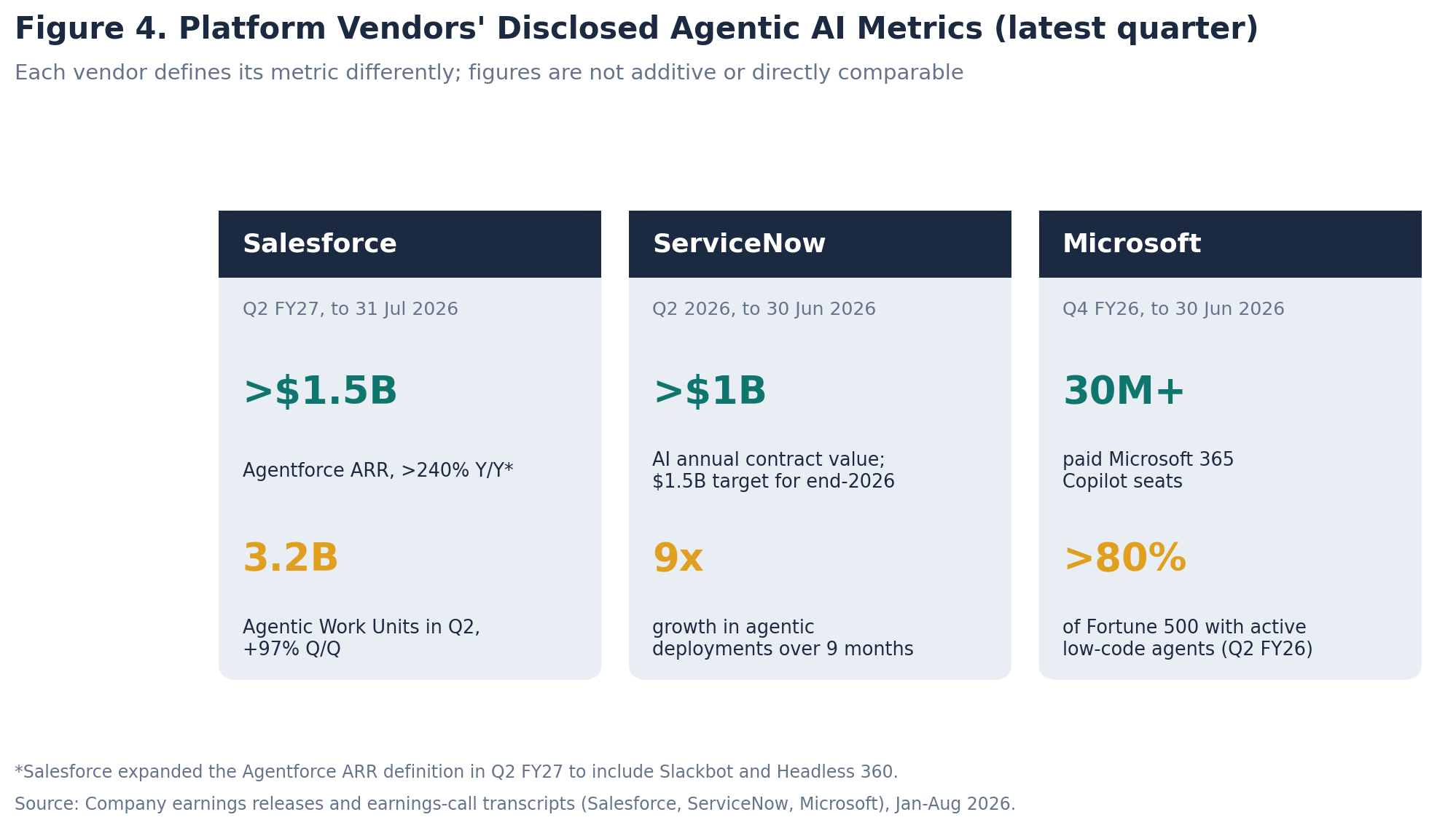
Figure 4: Disclosed agentic metrics from three platform vendors
Official data rank sectors by breadth of adoption, while company disclosures show where the most advanced agents are running. Figure 5 summarises the official sector data.
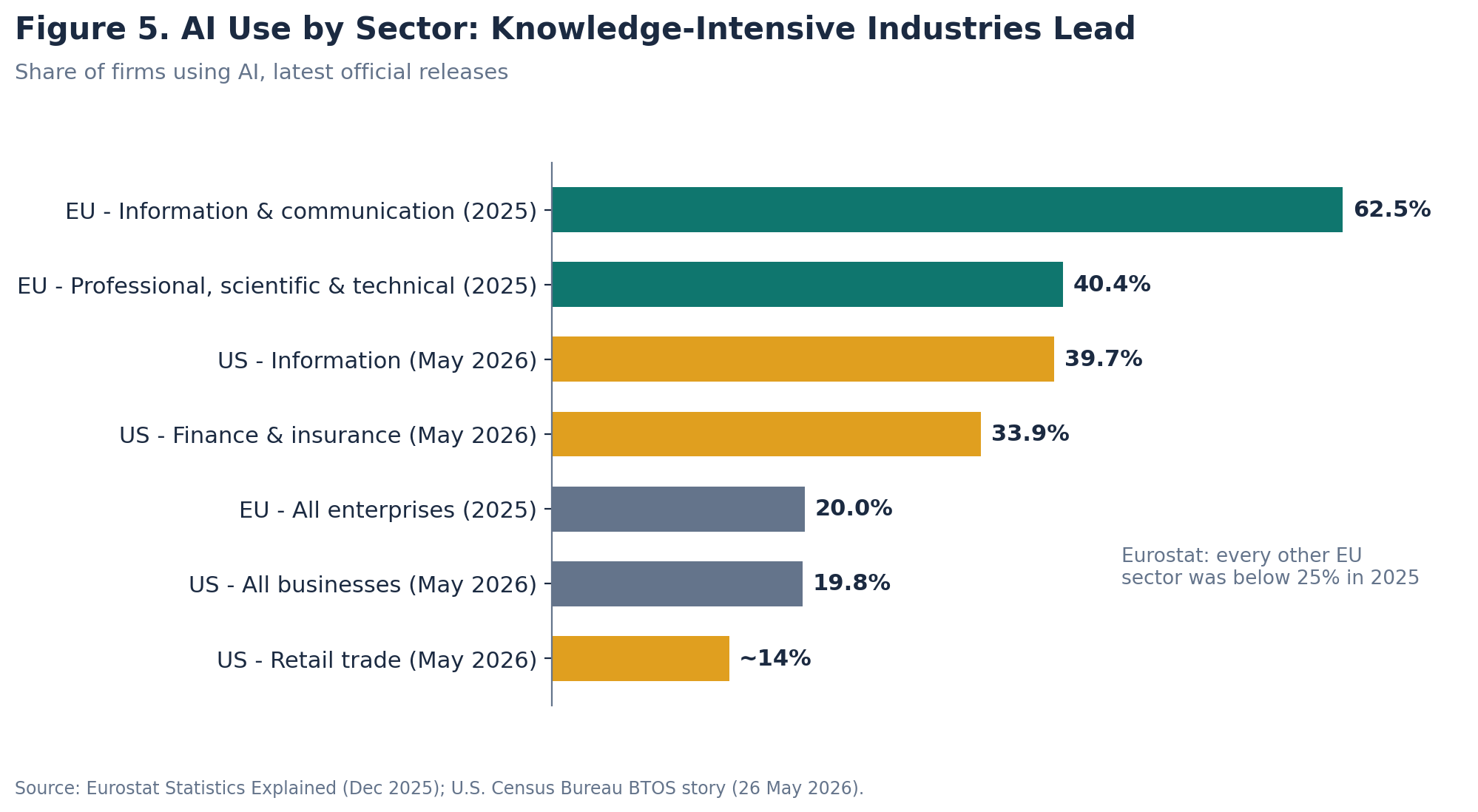
Figure 5: AI use by sector, EU (2025) and U.S. (May 2026)
These sectors lead in every official measure. In the EU, 62.5% of information and communication enterprises and 40.4% of professional, scientific and technical firms used AI in 2025; every other sector was below 25%. In the U.S., the Information sector's rate was 39.7% in May 2026. Census research shows use in very large Information, Professional Services, and Finance firms reaching 50% to 60%. Software development is the most mature agent use case: Microsoft reports that GitHub Copilot has 50 million users.
Developer platforms are growing alongside end-user tools. In its fiscal fourth-quarter 2026 call, Microsoft said its Foundry platform for building AI applications and agents had reached 100,000 customers, with revenue more than doubling year on year, and that GitHub had 225 million users.
Finance and insurance recorded a 33.9% AI use rate in the U.S. in May 2026, well above the national average. It is also the sector producing the clearest public statements about autonomous agents. JPMorgan Chase's chief analytics officer told CNBC in June 2026 that the bank would deploy long-running agents that can work for hours without intervention during 2026, and said AI tools in private banking contributed to a 20% increase in gross sales. Regulatory intensity is high: credit and insurance use cases fall within areas the EU treats as high-risk, and NIST's 2026 listening sessions specifically targeted finance.
JPMorgan also said AI systems in private banking screen market activity, client positions, and research overnight so bankers can spend more time with clients, and that these tools could eventually let individual bankers expand client coverage by as much as 50%. Its executives have said the bank will offer retraining and redeployment for staff whose roles change.
Official cross-industry statistics say little about healthcare, but the vendor evidence is unusually concrete because a single electronic health record supplier embeds agents in daily workflows. Epic reported at HIMSS 2026 that more than 85% of its customers use Epic AI. Customer results it published include Summit Health cutting medication prior-authorization submission time by 42%, with 92% of AI-generated responses accepted without edits, and a sustained 58% reduction in billing-related patient messages at Rush University Medical Center. Epic has said its revenue-cycle AI will move toward autonomous coding, starting with emergency department and radiology visits. These are vendor-reported outcomes.
Other published examples include Ochsner Health, where patients rescheduled more than 14,900 appointments through Epic's patient assistant, saving almost 750 hours of staff time, and clinicians at several organizations completing discharge summaries 20% to 30% faster. Epic has also launched Agent Factory, a platform for health systems to build and monitor their own agents, and said more than 150 AI features were in development for 2026.
Retail illustrates the gap between leaders and the average firm. U.S. retail trade firms reported about 14% AI use in May 2026, below the national rate. At the top of the sector, however, Walmart has organized its approach around four 'super agents' for shoppers, associates, suppliers and developers. On its first-quarter call in May 2026, Walmart said weekly active users of its Sparky shopping agent rose more than 100% in a single quarter. Industry plumbing is forming around this: Google unveiled the Universal Commerce Protocol at NRF in January 2026, an open standard co-developed with retailers including Shopify, Etsy, Walmart and Wayfair and backed by payment providers.
Walmart's four super agents are Sparky for customers, an associate agent that brings schedules and sales data together for store teams, Marty for suppliers, sellers and advertisers, and a developer agent for building and testing software. In March 2026, Walmart also said it would make Sparky available inside third-party AI assistants. In U.S. Census data, about 17% of retail firms expected to use AI within six months, compared with about 14% in May 2026.
Manufacturing adoption is moderate and still weighted toward commercial functions. Eurostat finds that EU manufacturers using AI applied it mostly to marketing and sales (30.4%) and to business administration (27.1%), not yet primarily to production. On the shop floor, industrial vendors are moving from assistants to agents: Siemens unveiled nine industrial copilots at CES 2026 and reported that PepsiCo, using its digital-twin tools with AI agents to simulate changes, achieved a 20% throughput increase on initial deployment.
Siemens has also reported that its Industrial Copilot is being rolled out globally at thyssenkrupp Automation Engineering, where engineers noted improvements in code quality and development speed, and it introduced its Eigen Engineering Agent at Hannover Messe 2026. The nine copilots announced at CES cover product lifecycle management, manufacturing execution, simulation and low-code development.
Public-sector evidence is mostly at the copilot rung. The largest named deployment in Microsoft's latest results was NHS England, at 505,000 Microsoft 365 Copilot seats. Agentic use in government faces the strictest accountability requirements, and many public-service use cases sit within the EU AI Act's high-risk categories.
The Census Bureau's 2026 AI supplement provides the most detailed public view of functional deployment. Among U.S. firms using AI, the most common functions were sales and marketing (52%), strategy and business development (45%), and IT (41%). Scope, however, remains limited: 57% of users apply AI in three or fewer business functions, 66% use it only to augment tasks, and AI-related employment decreases were reported by just 2% of firms. The researchers also found a positive link between firm performance and the breadth of AI use.
At the task level, writing, document analysis, and information search were the leading uses of generative AI, and 65% of firms limited use to three or fewer tasks. The researchers found that adoption spreads both top-down and bottom-up: in some firms, workers use AI in their tasks without formal firm-level adoption, while in others, the firm has adopted AI in a business function without workers using it in daily tasks. Very large firms in the Information, Professional Services and Finance sectors reported use rates of 50% to 60%.
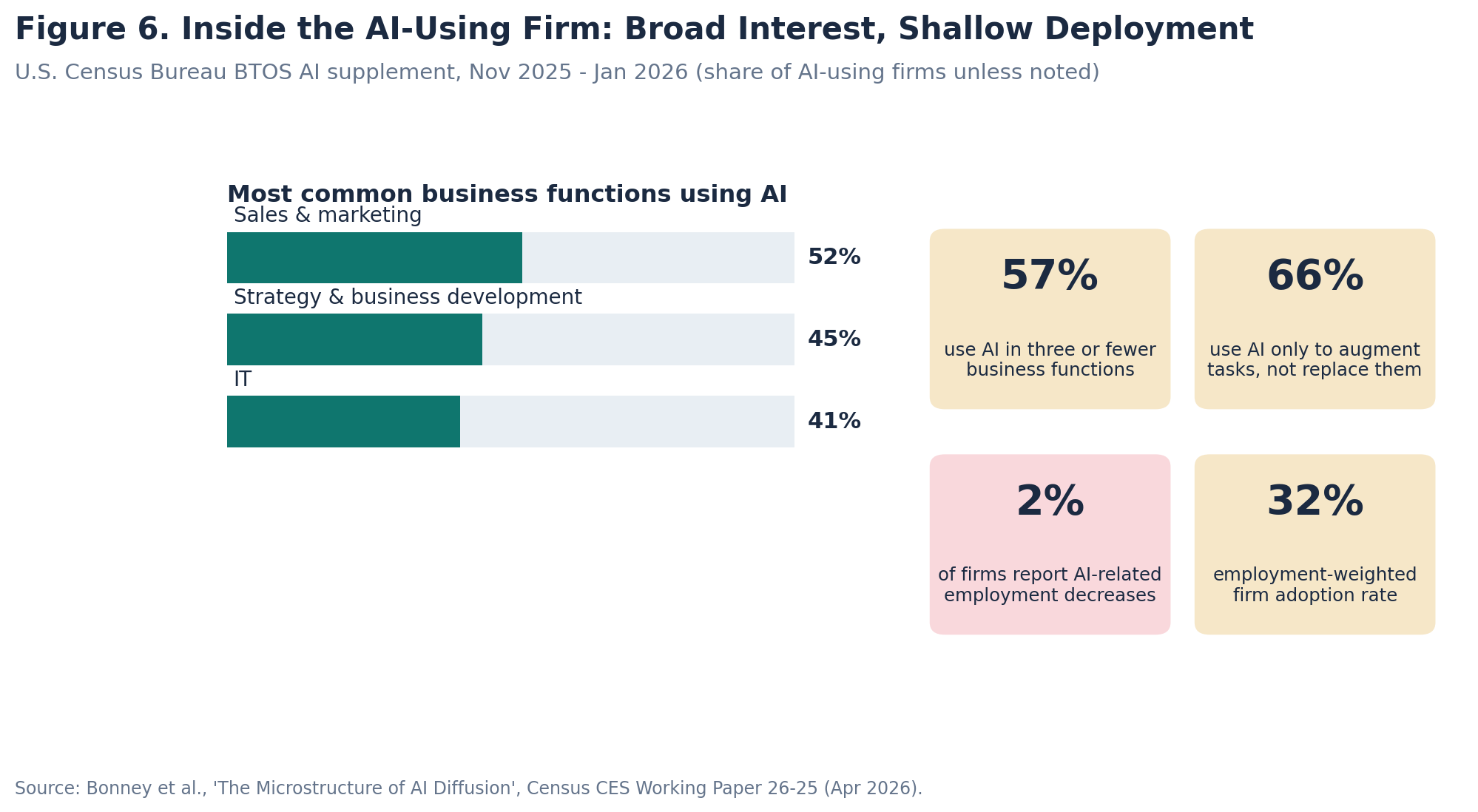
Figure 6: Functional breadth and depth of AI use among U.S. firms
Adoption varies sharply within Europe. Denmark (42.0%), Finland (37.8%) and Sweden (35.0%) led in 2025, while Romania (5.2%), Poland (8.4%) and Bulgaria (8.5%) trailed. Growth was broad-based, with 26 EU countries recording higher shares than in 2024 and the largest gains in Denmark, Finland and Lithuania.
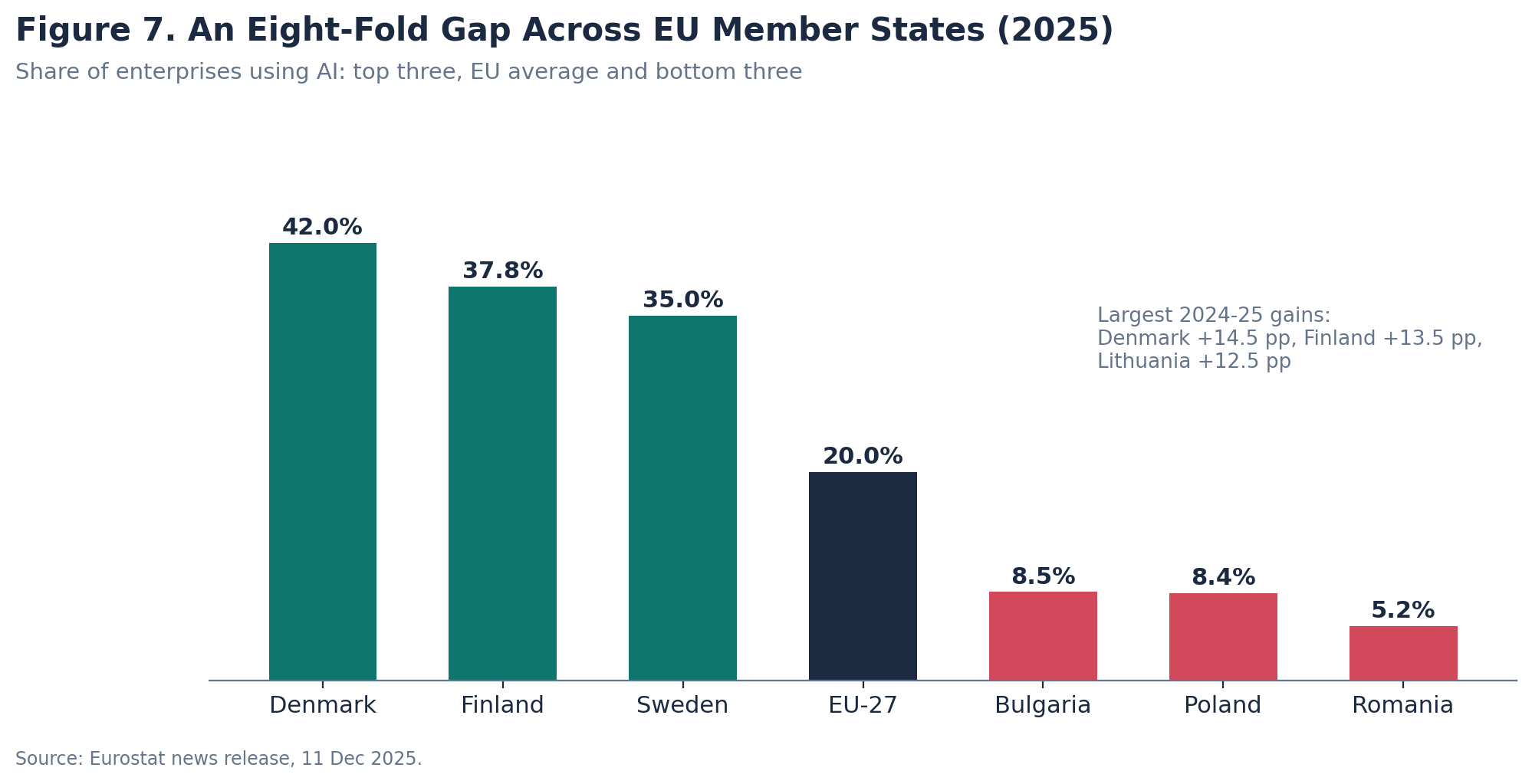
Figure 7: AI adoption spread across EU member states, 2025
Agents act, not just advise, so identity, permissions, and accountability are now central purchase criteria. Three developments define the environment (Figure 8).
NIST's National Cybersecurity Center of Excellence also published a concept paper in February 2026 proposing that existing identity standards such as OAuth 2.0 and OpenID Connect be applied to AI agents, treating them as distinct non-human identities. Separately, Google's Agent2Agent (A2A) protocol, which lets agents from different vendors communicate, was transferred to the
On the EU side, the Digital Omnibus on AI entered into force on 27 July 2026. In addition to deferring high-risk obligations, it postponed the watermarking obligations for AI system providers under Article 50(2) to 2 December 2026. It added a new prohibition on AI systems used to generate non-consensual intimate imagery and child sexual abuse material. The Agentic AI Foundation is also running a global events program in 2026, including MCP developer summits in New York, Shanghai, Tokyo, Toronto and Nairobi.
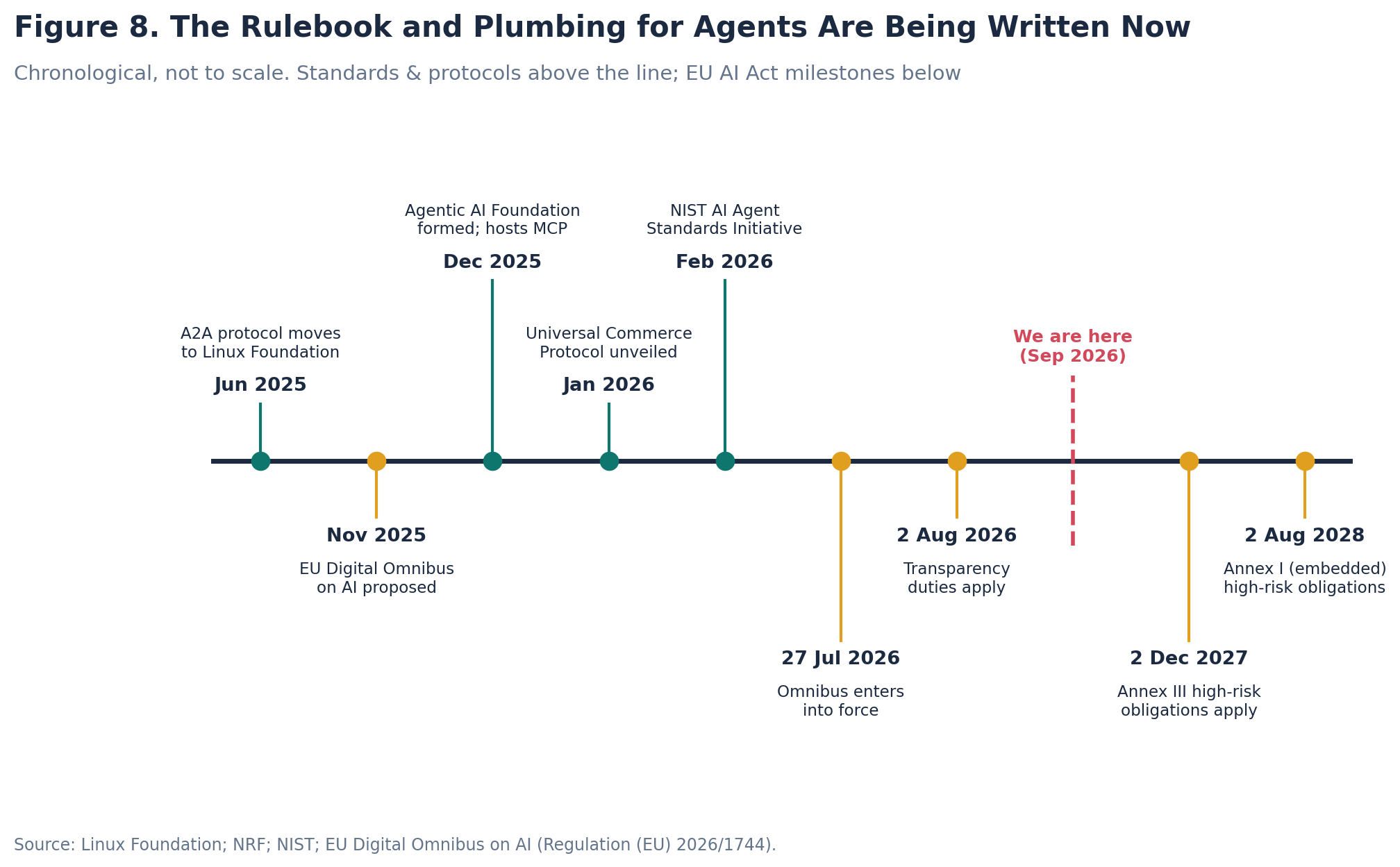
Figure 8: Standards and regulatory milestones shaping agent adoption
Public sources point to a consistent set of constraints. They are summarised below.
| Barrier | Public evidence |
| Security and identity | JPMorgan cited security as the hurdle for long-running agents; NIST's NCCoE has proposed identity standards for agents. |
| Shallow integration | 57% of U.S. AI users apply it in three or fewer functions (Census) |
| Small-firm uptake | Use among U.S. firms with fewer than 20 employees did not change significantly (Census) |
| Regulatory uncertainty | Staggered EU AI Act dates; NIST guidance still in development. |
| Metric inconsistency | Vendors define ARR, ACV, and usage units differently. |
This outlook does not include a market-value forecast, because consistent public spending data on AI agents is not yet available. It summarises current trends and the data releases to watch.
Current trends. Adoption breadth is rising steadily from a base of about one firm in five. Use within large firms is rising faster, as shown by vendor deployment and usage metrics. Governance, identity, and interoperability standards are being developed in parallel.
Most active functions. IT service management, software development, customer service, sales support, and healthcare revenue-cycle administration currently show the most public deployment activity.
Data releases to watch. Eurostat's next enterprise AI release (planned for December 2026), further Census Bureau BTOS AI supplements, quarterly vendor disclosures, and NIST's forthcoming agent guidance.
Related Insights on Enterprise AI Agents