Global Adiabatic Coolers Market
Analysis by Type (Pad Based, Spray Based, Hybrid), Capacity (Low Capacity up to 10 TR, Medium Capacity 10 TR to 50 TR, High Capacity above 50 TR), End User and Region

Analysis by Type (Pad Based, Spray Based, Hybrid), Capacity (Low Capacity up to 10 TR, Medium Capacity 10 TR to 50 TR, High Capacity above 50 TR), End User and Region
The Global Adiabatic Coolers Market was valued at US$919.7 million in 2024 and US$976.6 million in 2025, and it is projected to cross the US$1 billion threshold in 2026 at US$1,042.8 million. By 2032, the market is expected to reach US$1,586.3 million, registering a CAGR of 7.2% during the 2026 to 2032 forecast period. The market adds approximately US$609.7 million in annual revenue between 2025 and 2032, and its 2032 value will be roughly 1.8 times the 2023 level of US$867.6 million.
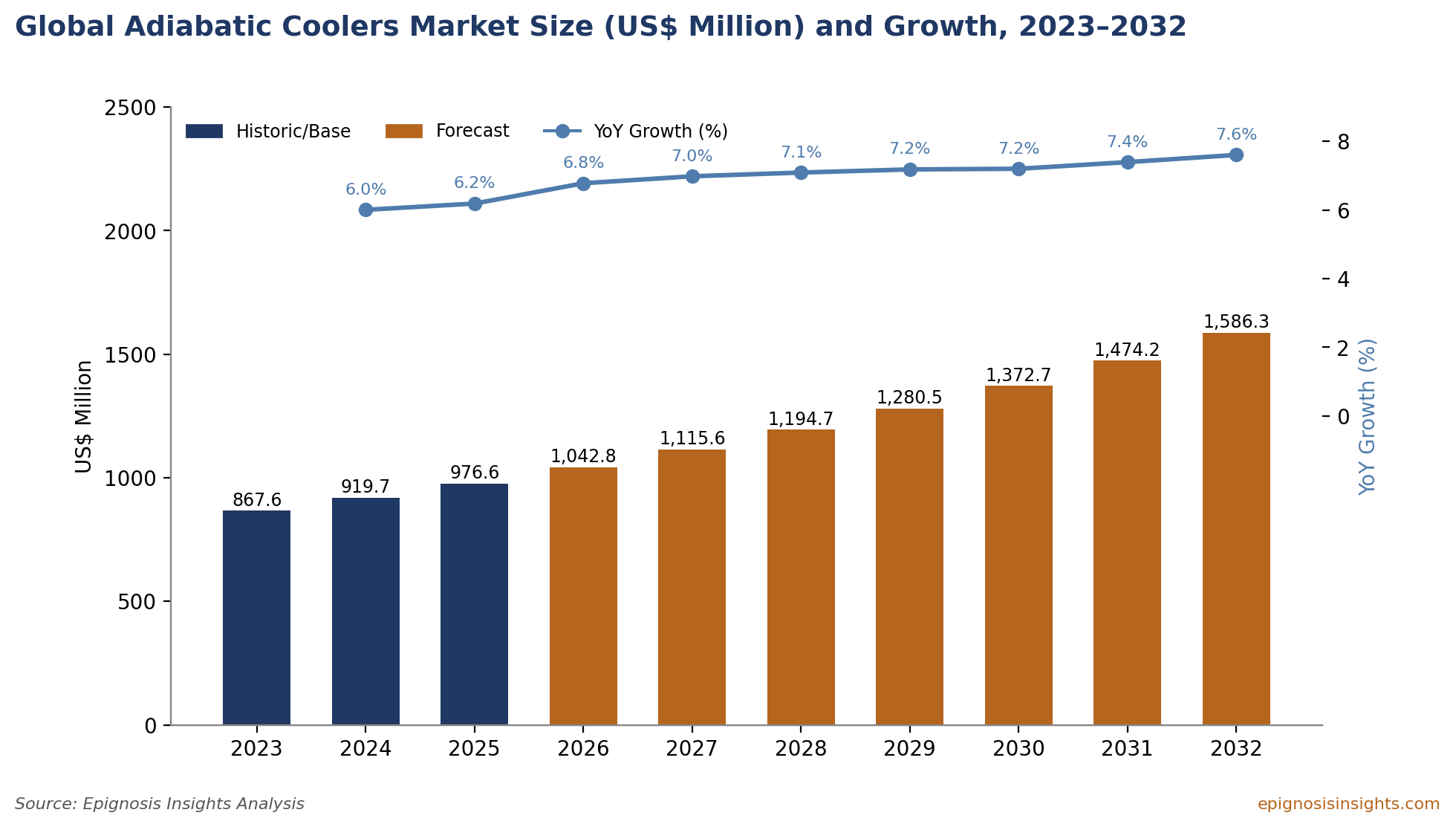
Figure 1: Global Adiabatic Coolers Market Size (US$ Million) and Year-on-Year Growth, 2023–2032
A defining feature of the outlook is the steady acceleration of growth. Annual growth rises from 6.0% in 2024 and 6.2% in 2025 to 6.8% in 2026, 7.0% in 2027 and 7.6% by 2032. Very few industrial equipment categories show this pattern of continuously increasing growth over a seven-year horizon. It reflects a market that is moving from an engineered niche product, specified mainly in hot and dry climates, towards a mainstream heat rejection technology that is evaluated alongside cooling towers, dry coolers and chillers on almost every medium and large project.
Adiabatic coolers are closed-circuit fluid coolers that operate dry for most of the year and use evaporative pre-cooling of the inlet air only when ambient temperatures rise above a set point. This operating principle allows them to deliver much of the efficiency of an evaporative system while consuming a fraction of the water of an open cooling tower, and without exposing the process fluid to the atmosphere. Because water use is intermittent, adiabatic systems also avoid many of the aerosol and Legionella risks associated with continuously wetted cooling towers. These characteristics explain why the category is gaining share in applications where both energy and water use are scrutinised.
The fastest change in the demand environment for adiabatic coolers is coming from data centres. According to the International Energy Agency, global data centre electricity consumption reached approximately 415 TWh in 2024, equal to about 1.5% of world electricity use, and is projected to more than double to around 945 TWh by 2030. The United States accounted for about 45% of data centre electricity use in 2024, followed by China at 25% and Europe at 15%. Since almost all electricity consumed by IT equipment is ultimately released as heat, this growth translates directly into a larger heat rejection requirement.
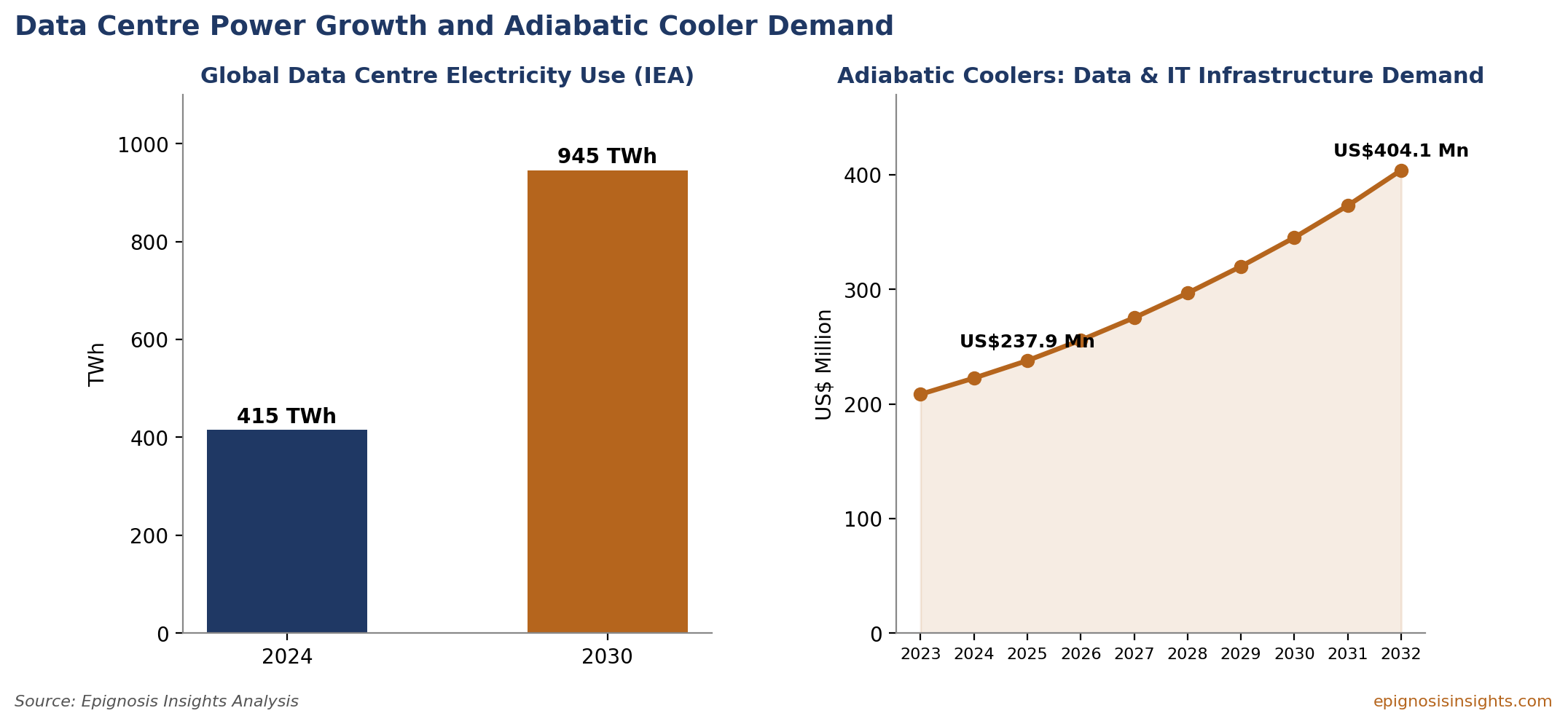
Figure 2: Global Data Centre Electricity Use (TWh) and Adiabatic Cooler Demand from Data and IT Infrastructure (US$ Million)
For the adiabatic coolers market, data centres are particularly attractive because they combine large, continuous heat loads with growing pressure to reduce both power usage effectiveness and water usage effectiveness. The Epignosis Insights forecast shows the data and IT infrastructure end user segment increasing from US$237.9 million in 2025 to US$404.1 million by 2032, a CAGR of 7.9%. The segment's share of total market value rises from 24.4% to 25.5%, making it the end user that gains the most share over the forecast period. The shift toward liquid cooling for high density AI racks is also relevant, since warmer facility water loops allow closed-circuit coolers to run in dry mode for a larger share of the year and use adiabatic assistance only during peak conditions.
The second structural driver is the rising scarcity and visibility of water. Analysis from the World Resources Institute's Aqueduct Water Risk Atlas shows that 25 countries, home to one quarter of the world's population, face extremely high water stress each year, and that around half of the world's population experiences highly water-stressed conditions for at least one month of the year. In many of these regions, open cooling towers are becoming harder to permit, more expensive to operate and more exposed to reputational risk.
Regulation is reinforcing this trend in Europe. Commission Delegated Regulation (EU) 2024/1364 requires operators of data centres with installed IT power demand of at least 500 kW to report key performance indicators, including energy consumption, temperature set points, waste heat utilisation and water usage, to a common European database. By making water consumption a reported metric alongside energy, the regulation encourages operators to select cooling equipment that reduces water use without sacrificing efficiency. Adiabatic coolers fit this requirement well, since they can be tuned to prioritise lower water use or lower energy use depending on site conditions and seasonal priorities. Similar disclosure expectations from corporate sustainability programmes are spreading the same logic to food processing, pharmaceutical and industrial facilities.
Adiabatic cooling depends on the evaporation of water, so its benefit declines as ambient humidity rises. In temperate climates such as most of Europe, humid conditions that limit performance occur for only a small number of hours each year. In hot and humid locations such as the Gulf coast, Southeast Asia and parts of South America, however, extended humid periods reduce the pre-cooling effect precisely when cooling demand is highest. This is one reason why regions with severe water stress do not automatically represent large markets. The Middle East and Africa accounts for less than 1% of global adiabatic cooler value in 2025 despite extreme water scarcity, because coastal humidity, very high design temperatures and a long-standing preference for chillers and seawater systems limit the fit of conventional single-stage designs.
Operational barriers are also important. Pre-cooling pads and spray nozzles require water quality management to prevent scaling and fouling, and pads must be maintained and periodically replaced. Upfront equipment cost is typically higher than that of a comparable cooling tower, and adiabatic units often require a larger footprint than an evaporative tower of the same duty, which can be a constraint in retrofit projects. Suppliers are responding through two-stage designs, combined dry and adiabatic operating modes, corrosion-resistant materials and automated controls that optimise water and fan energy use in real time.
Pad based adiabatic coolers are the dominant technology, valued at US$668.0 million in 2025 and projected to reach US$1,085.1 million by 2032 at a 7.2% CAGR. Their share of market value holds steady at 68.4% throughout the forecast period. In a pad based design, water trickles over a wetted media through which inlet air is drawn, so the air is cooled before it reaches the coil while water does not contact the heat exchanger directly. The pad also acts as an air filter. These characteristics reduce aerosol formation, protect coils from scale and extend equipment life, which explains why pad based systems are the default choice for industrial, food processing and commercial applications.
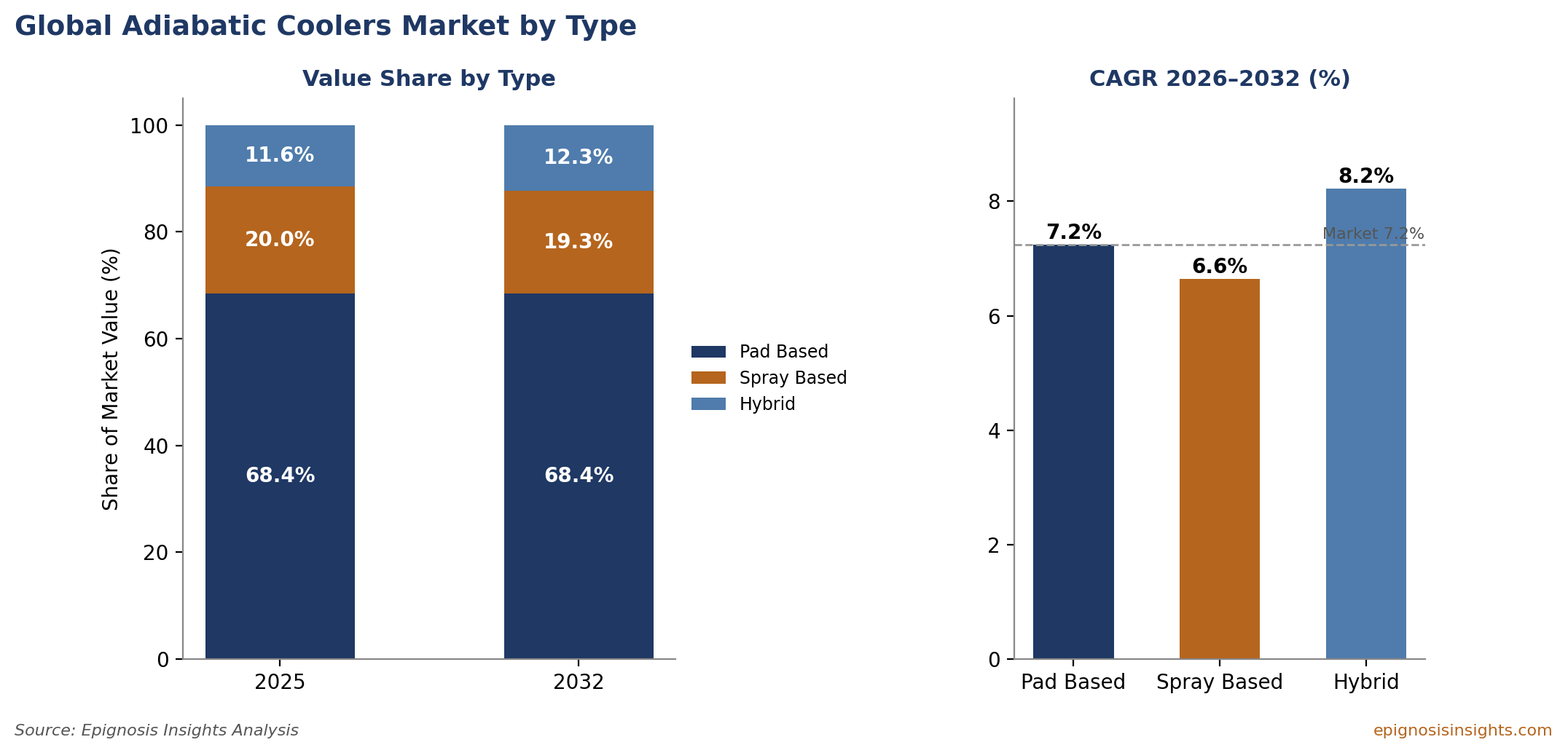
Figure 3: Global Adiabatic Coolers Market by Type – Value Share (2025 vs. 2032) and CAGR (2026–2032)
Spray based coolers, valued at US$195.6 million in 2025, use nozzles to atomise water into the air stream ahead of the coil. They offer a lower initial cost, a smaller pressure drop and the ability to switch pre-cooling on and off rapidly, but they require tighter water quality control and are more prone to scaling if water treatment is inadequate. Spray based systems grow at the slowest rate among types, at 6.6%, and their share declines from 20.0% in 2025 to 19.3% by 2032. The segment remains important in North America, where it represents a higher share of regional demand than in any other region.
Hybrid coolers are the fastest growing type, expanding from US$112.9 million in 2025 to US$195.5 million by 2032 at an 8.2% CAGR, with their share rising from 11.6% to 12.3%. Hybrid units combine dry, adiabatic and in some cases evaporative modes within a single unit, enabling operators to switch between water-saving and energy-saving operation according to ambient conditions and site priorities. Product launches illustrate where the market is heading. SPX Technologies introduced its OlympusV Max cooling solution in 2025, a unit designed for large data centre customers that can run fully dry or in adiabatic mode so that users can balance water and power use. Baltimore Aircoil Company has similarly positioned its TrilliumSeries adiabatic cooler alongside its hybrid and dry cooling ranges as part of a portfolio that allows data centre customers to optimise both power usage effectiveness and water usage effectiveness.
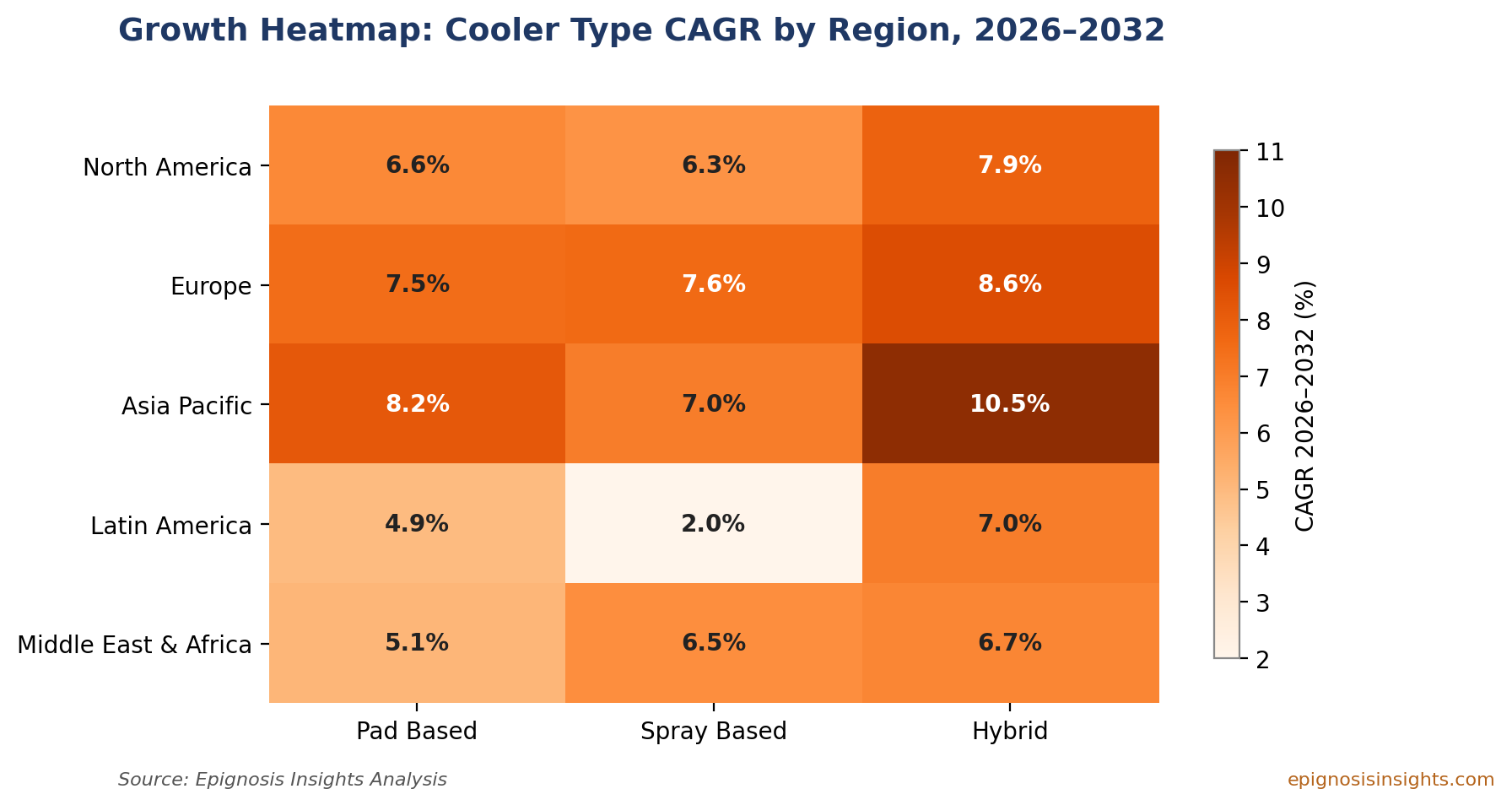
Figure 4: Growth Heatmap – Cooler Type CAGR by Region, 2026–2032
The regional growth heatmap shows that hybrid technology leads growth in every region. Asia Pacific records the highest hybrid growth rate at 10.5%, followed by Europe at 8.6% and North America at 7.9%. In Latin America, spray based coolers grow at only 2.0%, indicating that buyers in the region are moving directly toward pad based and hybrid systems. In Europe, spray based coolers grow slightly faster than pad based units, at 7.6% compared with 7.5%, reflecting their use in compact retrofit installations where low weight and pressure drop are priorities.
Capacity selection is closely linked to application and price point. Medium capacity coolers in the 10 TR to 50 TR range, roughly 35 kW to 176 kW of heat rejection, form the core of the market at US$545.3 million in 2025, equal to 55.8% of value. This class serves standard manufacturing lines, food and beverage plants, logistics hubs, hospitals and mid-sized data halls, and it grows at a 7.1% CAGR to US$877.1 million by 2032.
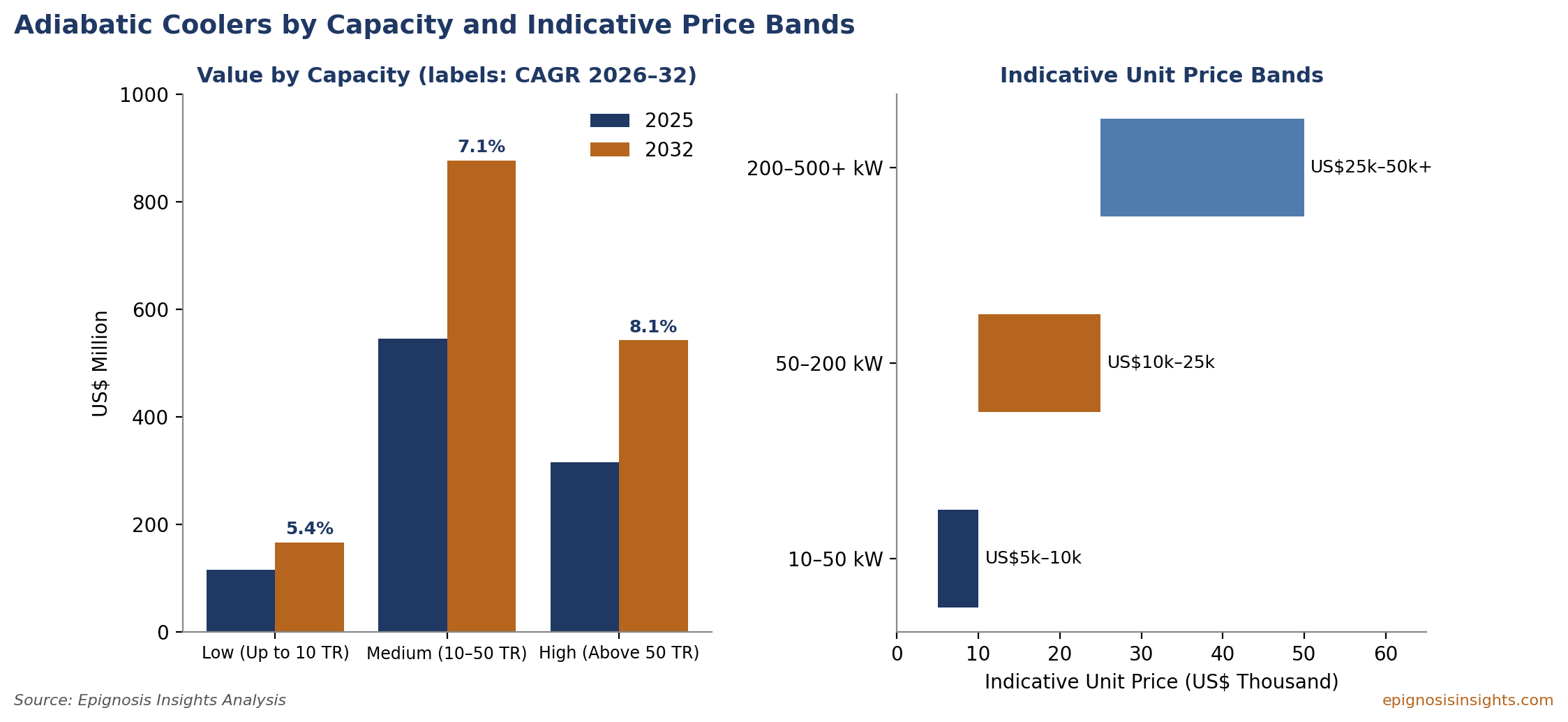
Figure 5: Adiabatic Coolers Market by Capacity (US$ Million) and Indicative Unit Price Bands (US$ Thousand)
High capacity coolers above 50 TR, equivalent to more than about 176 kW, are the fastest growing class at an 8.1% CAGR, increasing from US$315.8 million in 2025 to US$542.7 million by 2032. Their share rises from 32.3% to 34.2%, driven by hyperscale and colocation data centres, power generation auxiliaries, automotive plants and large process industries that deploy multiple large units per site. Low capacity units up to 10 TR are the smallest and slowest growing class, rising at 5.4% from US$115.5 million to US$166.5 million, with their share declining from 11.8% to 10.5%. These units serve small server rooms, compact industrial equipment and niche commercial applications.
Indicative pricing compiled by Epignosis Insights shows unit prices of approximately US$5,000 to US$10,000 for 10 kW to 50 kW coolers, US$10,000 to US$25,000 for 50 kW to 200 kW coolers and US$25,000 to more than US$50,000 for units of 200 kW to over 500 kW. Price per kilowatt of capacity therefore falls significantly as unit size increases, from roughly US$200 to US$500 per kW in the smallest band to around US$100 to US$125 per kW at the top end. This scale economy is one reason why value growth is concentrated in the high capacity class: large projects buy many units, and multi-unit specifications often include premium features such as variable speed EC fans, advanced controls and corrosion-resistant coils that lift average selling prices.
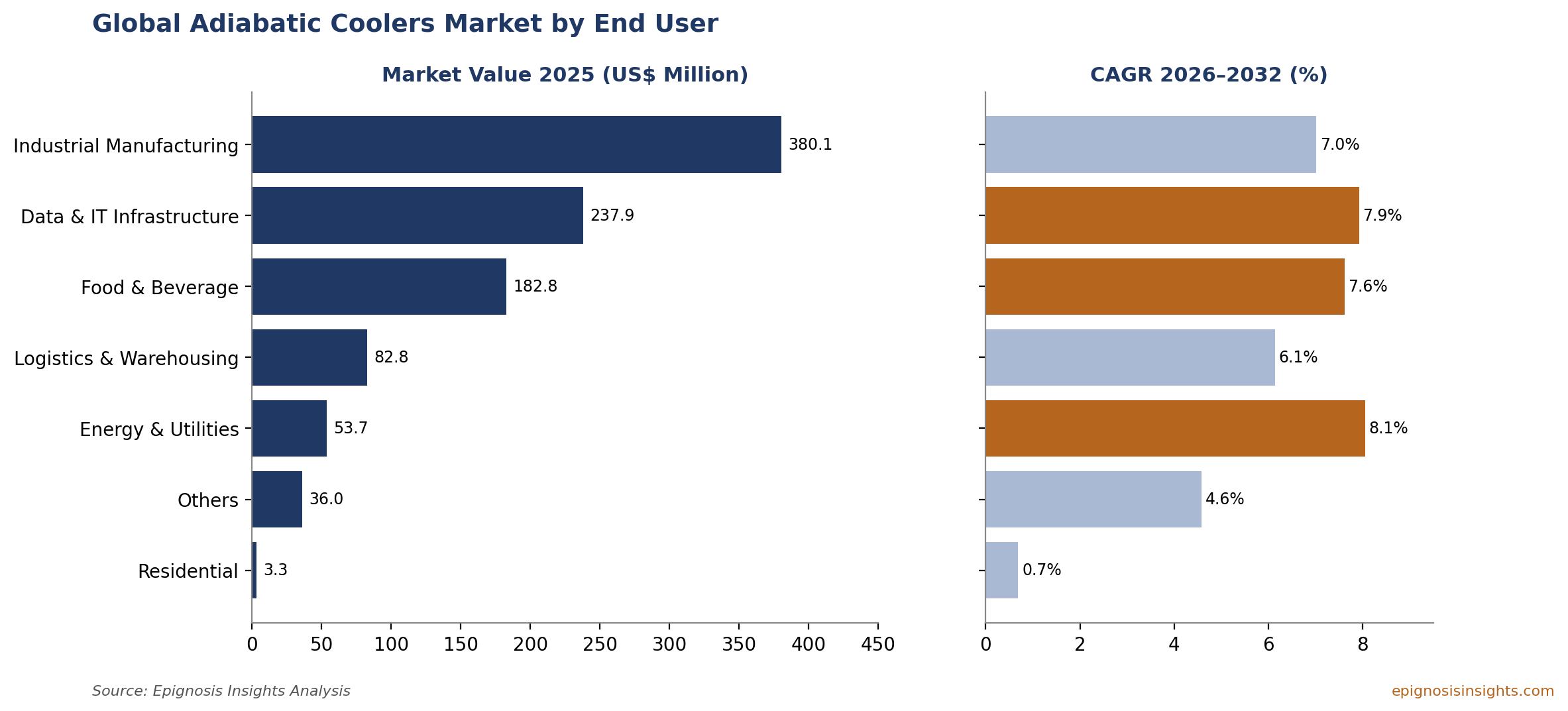
Figure 6: Growth Heatmap – Capacity Class CAGR by Region, 2026–2032
The capacity heatmap highlights how differently the regions are evolving. In North America, low capacity units grow at only 3.7%, while high capacity units grow at 7.7%, a gap that reflects the concentration of new demand in large data centre and industrial projects. Asia Pacific shows the strongest growth across all three classes, with high capacity units reaching a 9.0% CAGR, while Europe's high capacity class grows at 8.8%. In Latin America and the Middle East and Africa, growth is more evenly spread but lower in absolute terms.
Industrial manufacturing is the largest end user, valued at US$380.1 million in 2025, equivalent to 38.9% of the market. The segment covers process cooling for plastics and injection moulding, machine tools, chemical processing, metal treatment and production hall climate control. It grows at a 7.0% CAGR to US$608.4 million by 2032 and contributes the largest single increment of new revenue, approximately US$228.3 million over the period. The segment's growth is supported by the replacement of ageing open cooling towers, tighter rules on Legionella control and the expansion of manufacturing capacity in Asia and North America.
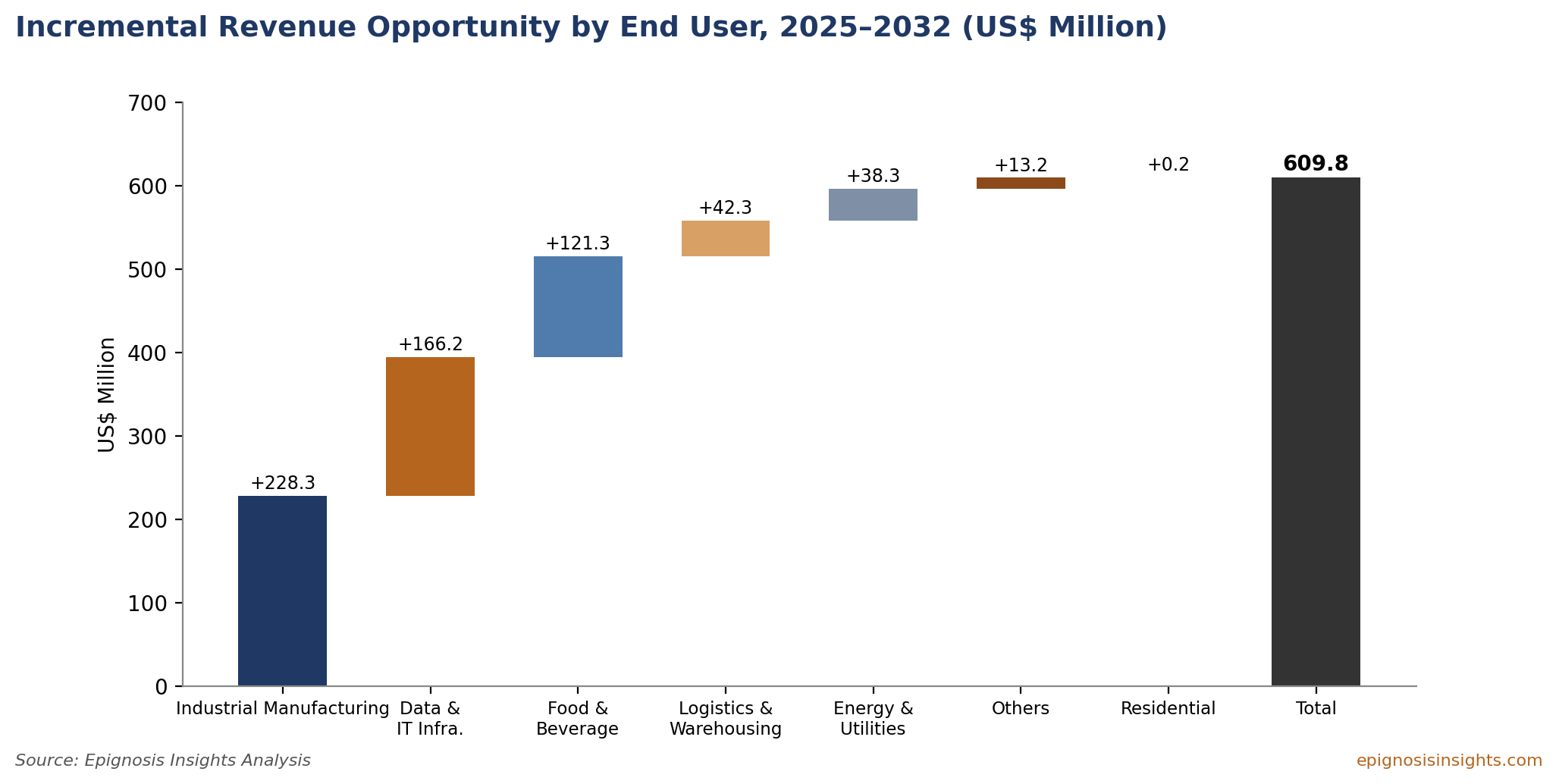
Figure 7: Global Adiabatic Coolers Market by End User – 2025 Value and 2026–2032 CAGR
Food and beverage is the third largest end user at US$182.8 million in 2025 and one of the fastest growing at a 7.6% CAGR, reaching US$304.1 million by 2032. Breweries, dairies, bottling plants and cold storage facilities require reliable process cooling and refrigeration condenser cooling, and they are increasingly sensitive to water consumption because water is also a key ingredient and cleaning medium. Adiabatic coolers allow these plants to reduce overall site water use while maintaining hygienic closed-loop process circuits.
Energy and utilities is a smaller segment at US$53.7 million in 2025, but it records the highest growth rate among end users at 8.1%, rising to US$92.0 million by 2032. Applications include auxiliary cooling for gas turbines and engines, cooling for battery energy storage systems and inverters, and district cooling networks. The expansion of grid-scale battery storage and distributed generation creates a large number of mid-sized cooling requirements in locations where water supply is limited.
Logistics and warehousing, valued at US$82.8 million in 2025, grows at 6.1%, with its share easing from 8.5% to 7.9%. Large distribution centres use adiabatic systems to cool open-plan areas and refrigeration plants at low operating cost. The others category, covering greenhouses, hospitals, laboratories and commercial buildings, grows at 4.6%, while the residential segment remains negligible at US$3.3 million in 2025 and grows at less than 1%, confirming that adiabatic coolers are essentially a commercial and industrial technology.
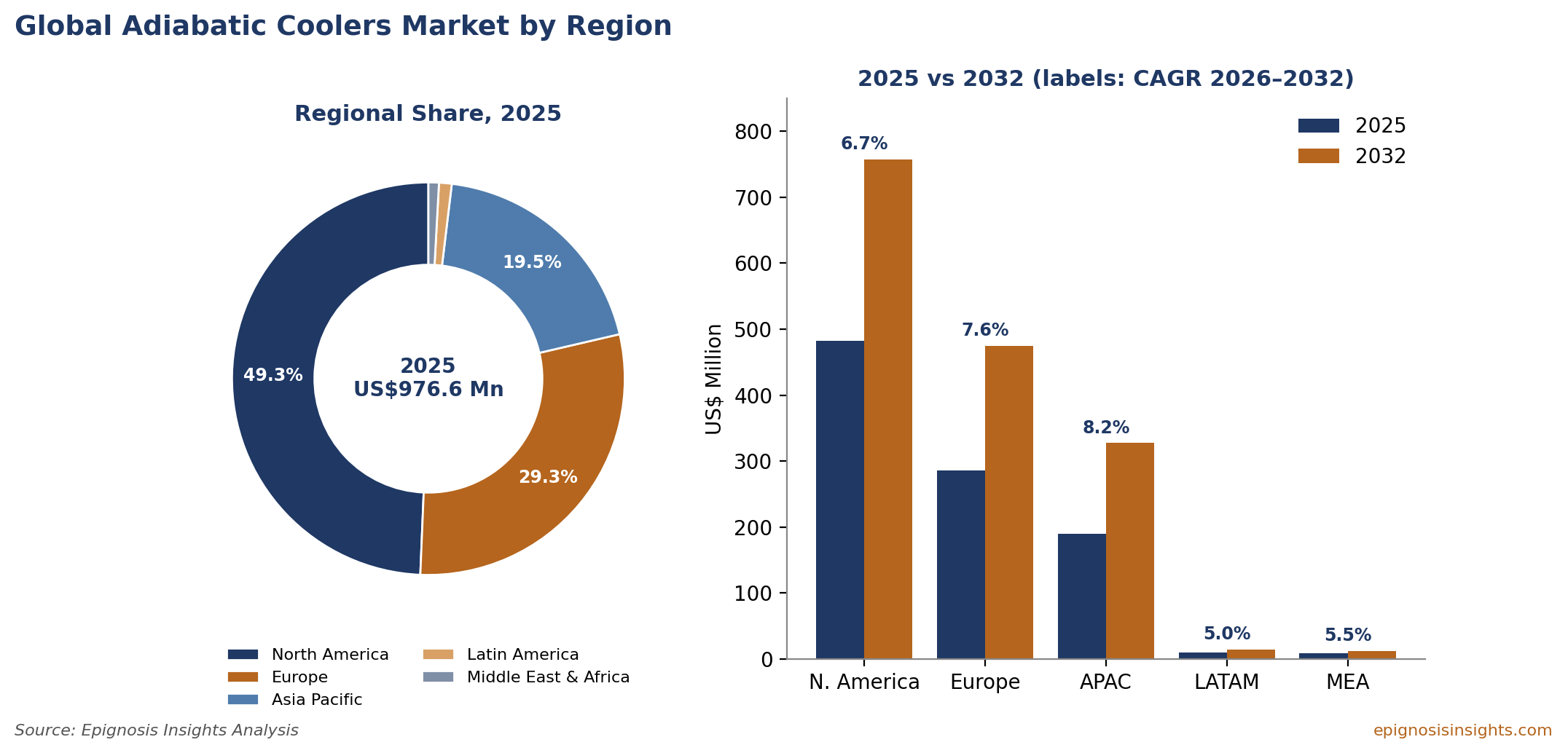
Figure 8: Incremental Revenue Opportunity by End User, 2025–2032 (US$ Million)
The incremental opportunity analysis provides a different perspective from growth rates. Of the US$609.8 million in additional annual revenue generated between 2025 and 2032, industrial manufacturing contributes 37%, data and IT infrastructure 27% and food and beverage 20%. Together, these three end users account for 85% of all new revenue, which indicates where suppliers should concentrate product development, application engineering and sales coverage.
North America is the largest regional market, valued at US$481.9 million in 2025 and projected to reach US$757.6 million by 2032 at a 6.7% CAGR. The U.S. accounts for approximately 95% of regional value at US$459.5 million in 2025, making it by far the largest country market in the world. Adiabatic cooling is well established in the U.S. Southwest and in data centre clusters, and the country is home to the leading suppliers. Canada, valued at US$20.4 million in 2025, grows faster at 8.4%, supported by data centre investment that benefits from its cooler climate, while Mexico grows at 9.1% from a very small base.
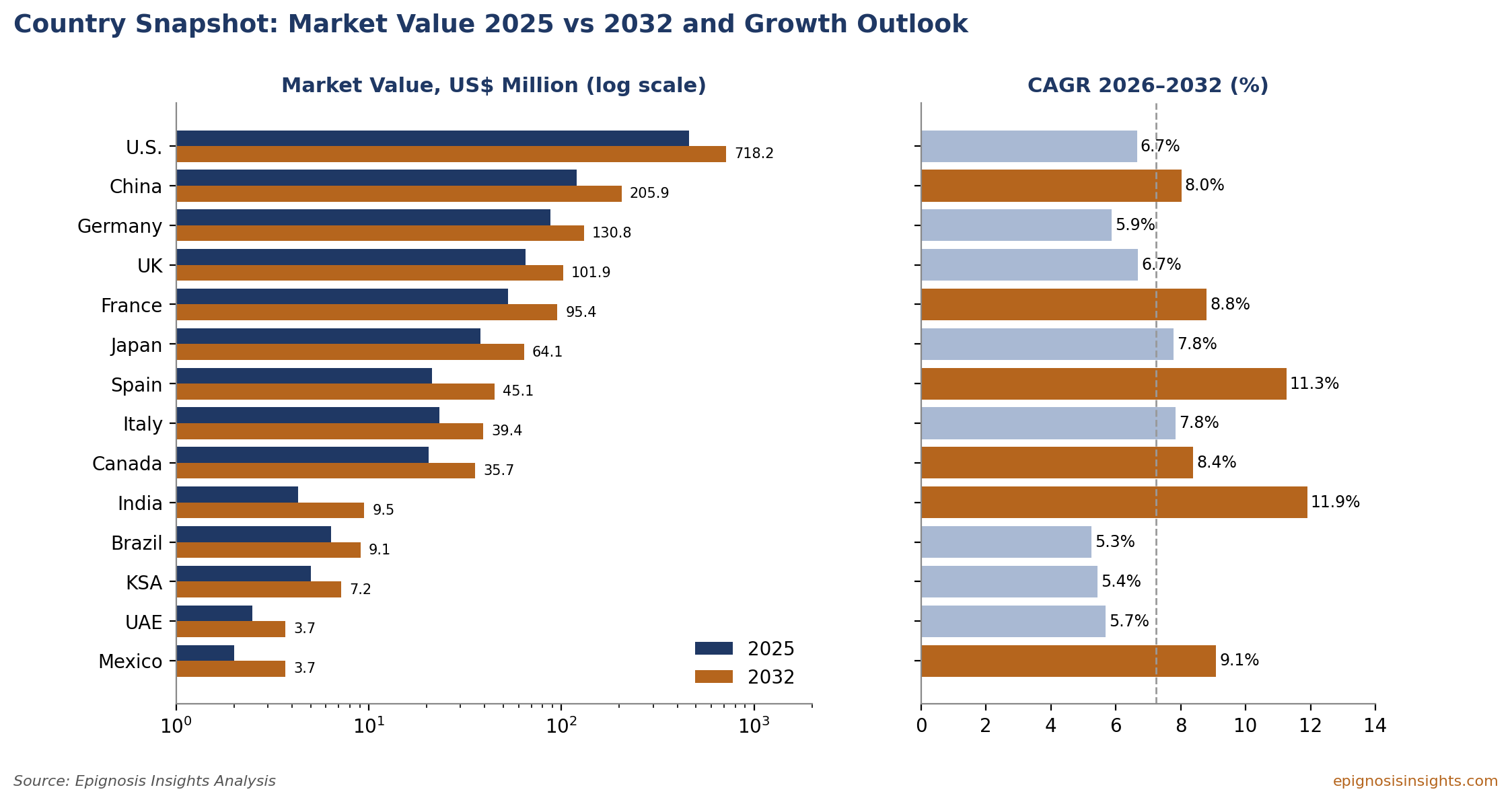
Figure 9: Global Adiabatic Coolers Market by Region – 2025 Share and 2025 vs. 2032 Value
Europe is the second largest region at US$286.1 million in 2025, growing at a 7.6% CAGR to US$474.7 million by 2032. Its share of global value rises from 29.3% to 29.9%. Germany is the largest European market at US$88.0 million, but it grows at 5.9%, below the regional average. The UK, valued at US$65.0 million, grows at 6.7%. The fastest growing European markets are Spain at 11.3% and France at 8.8%. Spain's hot and dry summers, growing data centre investment around Madrid and Aragon, and pressure on water resources make it one of the most attractive markets for adiabatic technology globally, with its market more than doubling from US$21.4 million in 2025 to US$45.1 million by 2032.
Asia Pacific is valued at US$190.0 million in 2025 and is the fastest growing region at an 8.2% CAGR, reaching US$327.5 million by 2032, while its global share increases from 19.5% to 20.6%. China dominates the region with US$120.5 million in 2025 and an 8.0% CAGR, followed by Japan at US$38.1 million growing at 7.8%.
India is still a small market at US$4.3 million in 2025, but it is the fastest growing country market globally at an 11.9% CAGR, reaching US$9.5 million by 2032 as data centre construction, pharmaceutical manufacturing and food processing expand. The rest of Asia Pacific, including Southeast Asia and Australia, grows at 8.6%.
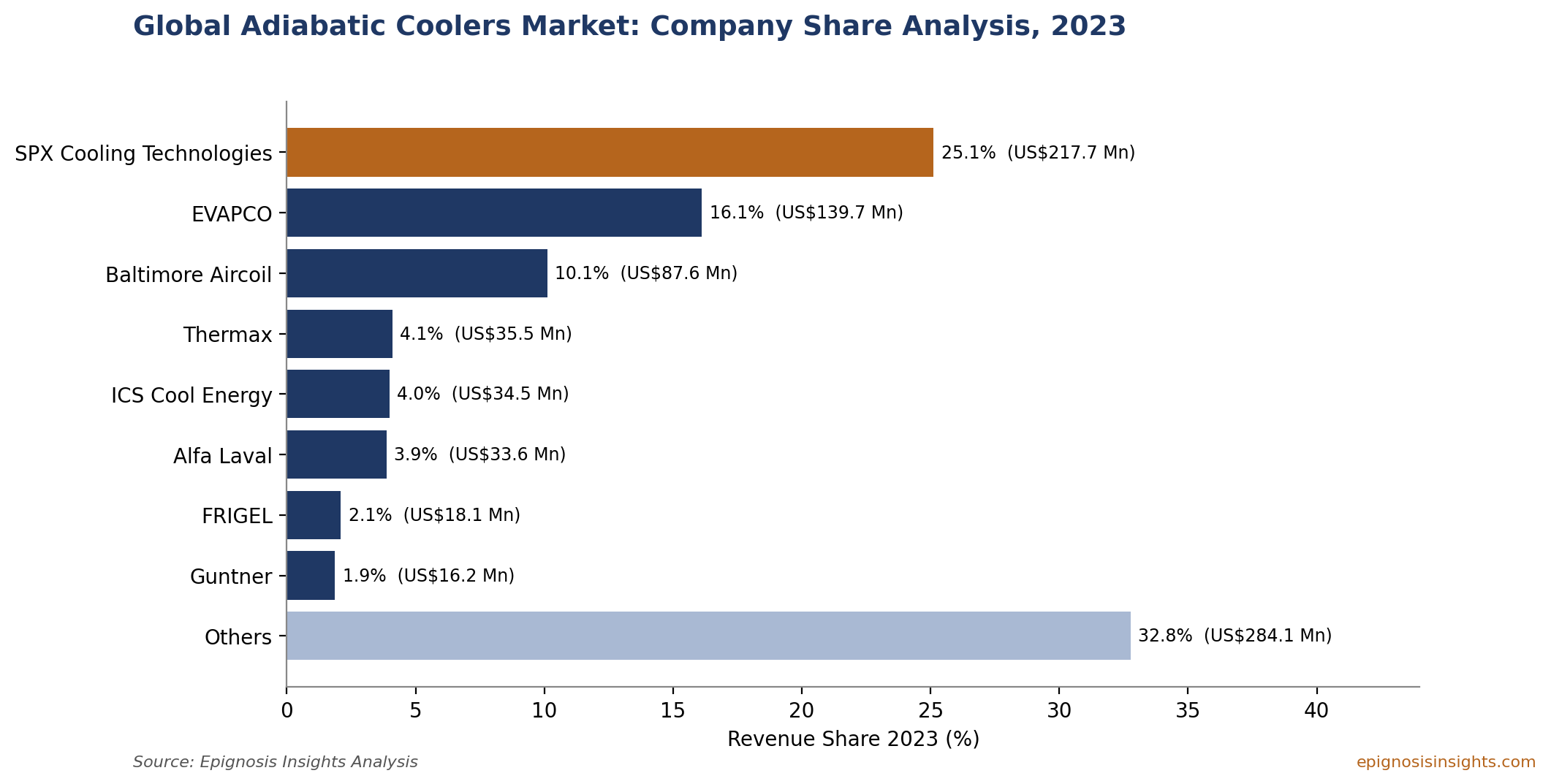
Figure 10: Country Snapshot – Market Value 2025 vs. 2032 and CAGR 2026–2032
Latin America and the Middle East and Africa remain small markets, valued at US$10.2 million and US$8.4 million respectively in 2025. Latin America grows at 4.9%, led by Brazil at US$6.4 million, while the Middle East and Africa grows at 5.4%, led by Saudi Arabia at US$5.0 million and the UAE at US$2.5 million. For suppliers, these regions are best approached through distributors and project partnerships rather than direct investment, with a focus on two-stage and hybrid designs suited to high temperature conditions.
Key companies analyzed within the global adiabatic coolers market are: SPX Cooling Technologies, EVAPCO, Baltimore Aircoil Company, Thermax, ICS Cool Energy, Alfa Laval, FRIGEL, Güntner and others.
The market is moderately concentrated at the top. SPX Cooling Technologies led the market in 2023 with a 25.1% share, equivalent to approximately US$217.7 million in adiabatic cooler revenue, followed by EVAPCO at 16.1% or US$139.7 million and Baltimore Aircoil Company at 10.1% or US$87.6 million. Together, these three North American-headquartered heat rejection specialists accounted for approximately 51.3% of global revenue, reflecting the size of the U.S. market and their long-standing relationships with consulting engineers and mechanical contractors. A second tier, consisting of Thermax at 4.1%, ICS Cool Energy at 4.0%, Alfa Laval at 3.9%, FRIGEL at 2.1% and Güntner at 1.9%, brings the eight profiled companies to approximately 67.2% of the market. The remaining 32.8% is held by a fragmented group of regional manufacturers and specialist fabricators.
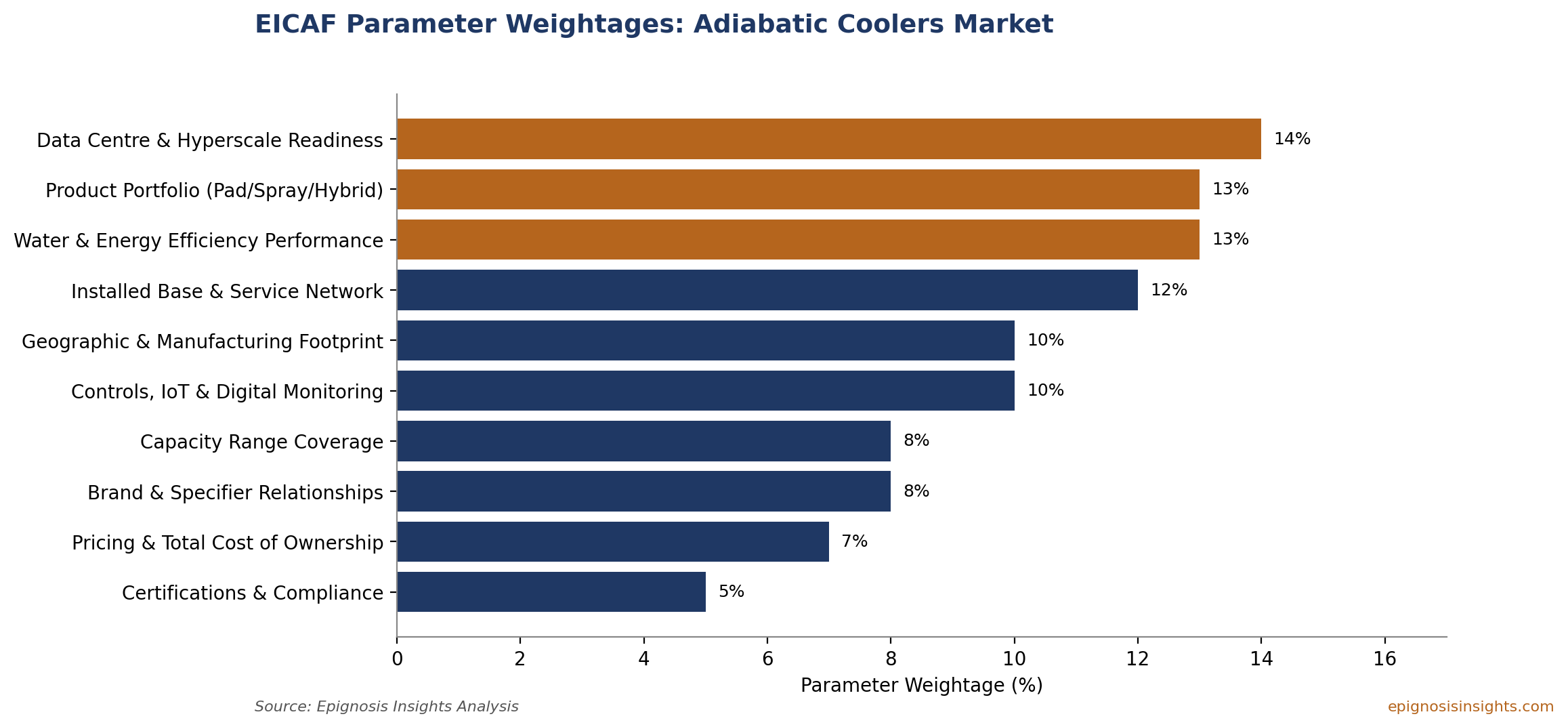
Figure 11: Global Adiabatic Coolers Market – Company Share Analysis, 2023
Competitive models differ considerably. The leading U.S. specialists compete on breadth of heat rejection portfolios that span cooling towers, closed-circuit coolers, adiabatic and hybrid units, combined with large installed bases and service networks. European suppliers such as Güntner and Alfa Laval are strong in refrigeration and process heat exchange and benefit from the region's emphasis on water efficiency. FRIGEL focuses on closed-loop process cooling for plastics processing, while ICS Cool Energy combines equipment with temporary cooling and rental services. Thermax brings strong positions in India and emerging markets, where price competitiveness and local manufacturing matter. As data centre projects grow in size, the ability to deliver large volumes of standardised high capacity units on short lead times is becoming an additional differentiator.
The Epignosis Insights Competitive Assessment Framework EICAF for the global adiabatic coolers market evaluates companies across 10 weighted parameters covering technology, application focus, efficiency performance, service capability and reach. Data centre and hyperscale readiness receives the highest weighting at 14% because data centres are the end user gaining the most market share and typically award multi-unit, high capacity contracts. Product portfolio breadth across pad, spray and hybrid designs and water and energy efficiency performance each receive 13%, reflecting the central role of the water-energy trade-off in purchasing decisions. Installed base and service network receives 12%, while geographic and manufacturing footprint and controls, IoT and digital monitoring each receive 10%. Capacity range coverage and brand and specifier relationships each receive 8%, pricing and total cost of ownership receives 7%, and certifications and compliance receives 5%. The total weighting equals 100%.
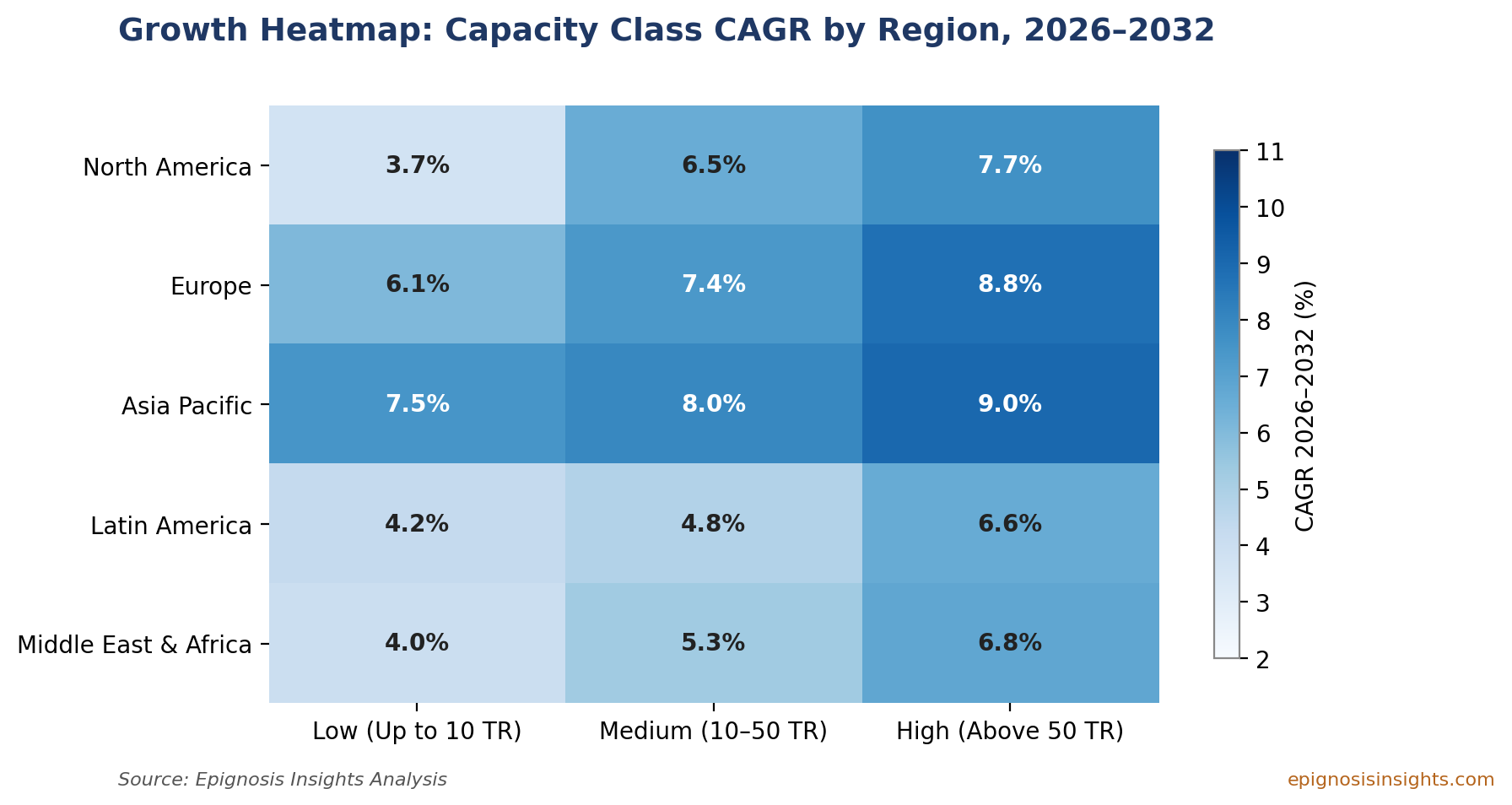
Figure 12: EICAF Parameter Weightages for the Global Adiabatic Coolers Market
Each company is assigned a score from 1 to 5 against every parameter, with the weighted score calculated as Company Score × Parameter Weightage. The resulting EICAF score allows suppliers with very different business models, from diversified heat rejection specialists to process cooling and refrigeration-focused manufacturers, to be compared on a consistent basis. It also distinguishes current market share from forward-looking capability, which is important in a market where data centre readiness and hybrid technology are likely to reshape competitive positions by 2032.