
U.S. Vascular Closure Devices Market to Surpass US$1 Billion by 2032 as Unit Sales Approach 6 Million: Epignosis Insights
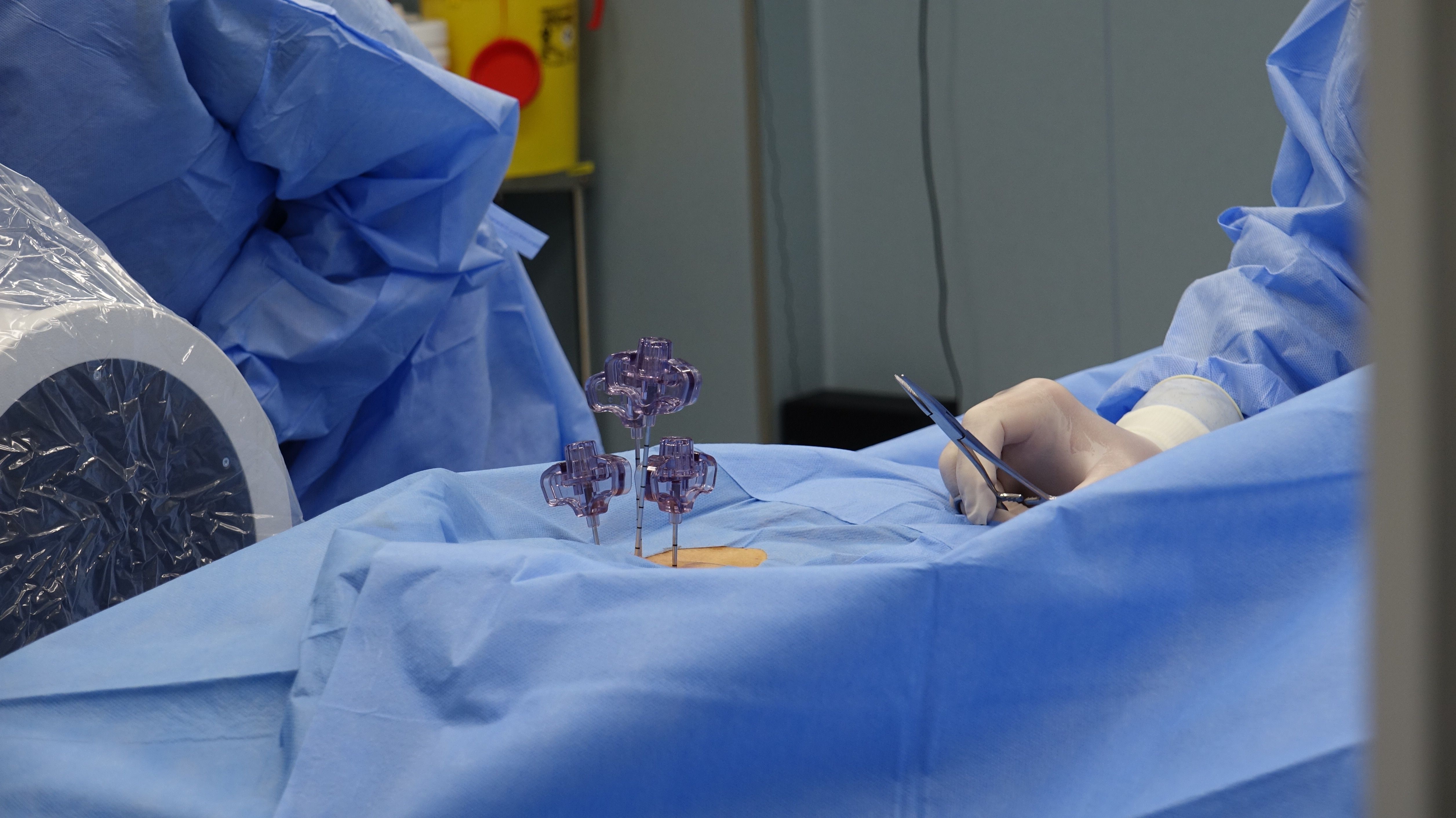
Epignosis Insights, a market research and brand intelligence consultancy, has released its latest report on the U.S. Vascular Closure Devices Market. The study estimates that the market was valued at US$624.6 million in 2024 and will reach US$1,013.5 million by 2032, growing at a compound annual growth rate (CAGR) of 6.2%. Over the same period, unit sales are projected to rise from 3.55 million devices to 5.98 million devices.
The report examines the market through value, unit volume, average selling price, price-mix and growth-contribution indicators, with detailed analysis by device type, access route and procedure setting. Companies are benchmarked using the Epignosis Insights Competitive Assessment Framework (EICAF).
Key Highlights of the Report
- Market value is forecast to increase from US$624.6 million in 2024 to US$1,013.5 million by 2032.
- Unit sales are projected to grow at a 6.7% CAGR to 5.98 million devices by 2032.
- The blended average selling price is expected to ease from about US$176 to US$170 per unit.
- Active approximators account for 58.9% of 2025 value, led by suture-based devices.
- Suture-based devices will contribute 42% of the market's incremental value through 2032.
- Radial access closure is the faster growing access segment at a 7.1% CAGR.
Growth Accelerating Through the Decade
The report finds that market growth is set to strengthen steadily. After annual growth of 4.1% in 2024, Epignosis Insights expects growth of 4.9% in 2025, rising to 7.2% by 2032. The acceleration reflects the expansion of structural heart, electrophysiology and peripheral vascular procedures that require secure closure of larger and venous access sites.
"Vascular closure is moving from a convenience product to a workflow tool," said a spokesperson for Epignosis Insights. "As more procedures shift toward same-day discharge, hospitals are judging closure devices on how quickly patients can walk and go home, not just on unit price. That is reshaping both demand and competition."
Units Growing Faster Than Value
Unit sales are forecast to grow at 6.7% annually, faster than value at 6.2%. This gap is driven by product mix. Compression assist devices, which typically cost around US$55, represent 40.2% of units sold in 2025 but only 12.6% of value. Suture-based devices, averaging about US$410 per unit, represent 17.5% of units but 40.7% of value.
Pricing Outlook
Epignosis Insights expects premium devices to face gradual price pressure. The average selling price of suture-based devices is forecast to ease from about US$410 in 2024 to US$391 by 2032, while clip-based devices are expected to decline from about US$310 to US$286 and collagen plugs from US$215 to US$202. Compression assist and external hemostatic devices are expected to hold their prices. The report notes that group purchasing contracts and bundled agreements will continue to shape pricing, making clinical and workflow evidence increasingly important for premium devices.
Hospital Economics
Because closure devices are generally not paid separately, hospitals evaluate them on the savings they create across the procedure, including shorter bed rest, faster recovery-room turnover and fewer access site complications. This favours devices that can document real-world workflow benefits.
Device Type Insights
Active approximators were valued at US$386.0 million in 2025, while passive approximators reached US$264.9 million. Passive approximators are growing faster, at 6.9% annually compared with 5.8%, led by compression assist devices at 7.6% and collagen plugs at 7.2%. Suture-based devices remain the largest single category at US$266.7 million in 2025.
Access and Procedure Insights
Femoral access closure was valued at US$443.0 million in 2024 and is expected to reach US$698.9 million by 2032. Radial access closure is growing faster, rising from US$181.6 million to US$314.6 million and increasing its share of value from 29.1% to 31.0%.
Interventional cardiology accounts for most of the market, at US$497.6 million in 2024, but interventional radiology and vascular surgery is growing faster at 7.8% annually, reaching US$231.3 million by 2032.
Large-Bore and Venous Closure Drive Innovation
The report highlights large-bore and venous closure as the most dynamic area of competition. Structural heart procedures, mechanical circulatory support and catheter ablation require reliable closure of larger access sites, and manufacturers are expanding indications and acquiring specialist technologies to address this need.
Competitive Landscape
The report profiles Abbott, Terumo, Haemonetics, Cordis, Teleflex and Merit Medical Systems, among others. Under the EICAF methodology, clinical evidence and complication rates carries the highest weighting at 15%, followed by portfolio breadth from small to large bore at 13% and ease of use and time to hemostasis at 12%.
Report Coverage
- By Type: Passive Approximators (Collagen Plugs, Sealant or Gel-based, Compression Assist), Active Approximators (Suture-based, Clip-based), External Hemostatic Devices
- By Access: Femoral, Radial
- By Procedure: Interventional Cardiology, Interventional Radiology/Vascular Surgery
- Indicators: Value, Units, ASP, Price-Mix, Growth Contribution, 2020–2032
About Epignosis Insights
Epignosis Insights is a Pune-based market research and brand intelligence consultancy delivering data-driven insights to support smarter business decisions. The firm provides B2B market reports, brand tracking studies, pricing trackers, product and innovation research, and customer experience research across healthcare, medical devices, chemicals, consumer goods, energy and technology.