
U.S. Power Transformer Market: How Grid Modernization and AI Data Centers Are Driving Long-Term Growth
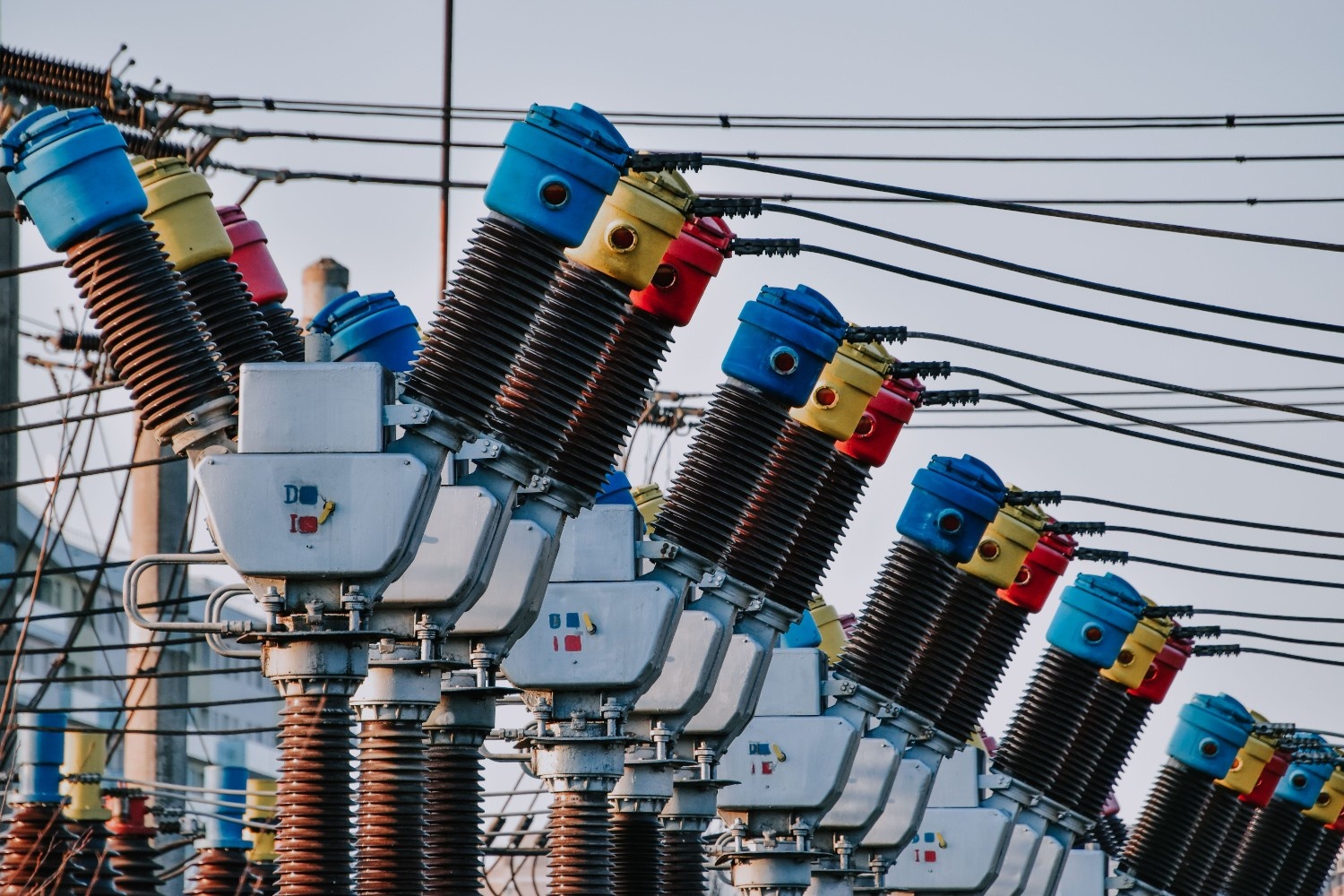
U.S. Power Transformer Market is estimated to reach a volume of 3,275 units by 2033 with a CAGR of 3.7% during the forecast period.
The adoption of smart transformer technologies is increasingly distinguishing the U.S. power transformer market, as utilities are placing a greater emphasis on asset intelligence, operational efficiency, and predictive maintenance to enhance grid reliability. Unlike conventional transformers, smart transformers feature advanced online monitoring systems, IoT-enabled sensors, fiber-optic temperature monitoring, dissolved gas analysis (DGA) sensors, moisture detection, load monitoring, and remote diagnostics, all of which continuously evaluate the health of the equipment.
The U.S. Department of Energy reports that power transformer failures represent a significant portion of high-impact transmission outages, and the unexpected replacement of transformers can cost utilities between USD 2–10 million per unit when accounting for emergency procurement, transportation, installation, and outage expenses. Consequently, utilities are transitioning from traditional time-based maintenance to condition-based maintenance (CBM). This shift enables them to leverage real-time operational data to optimize maintenance schedules and extend the service life of transformers.
Research conducted by the Electric Power Research Institute (EPRI) highlights that predictive maintenance programs can lead to a reduction in unplanned equipment failures by 30–50%, decrease maintenance costs by 10–40%, and enhance asset availability by up to 20%. The integration of Supervisory Control and Data Acquisition (SCADA) systems, digital substations, and cloud-based analytics allows utilities to remotely monitor transformer performance, detect insulation deterioration early, and minimize risks of outages.
As extreme weather events, cyber-physical risks, and increasing electricity demand exert more pressure on transmission infrastructure, utilities are investing in digitally connected transformer fleets that facilitate automated diagnostics and quicker fault responses. Additionally, regulatory focus on grid resilience and reliability is driving the deployment of intelligent monitoring solutions across both new installations and existing transformer assets. These technological advancements are enhancing lifecycle management while mitigating operational risks and total ownership costs.
As the digital transformation of the grid accelerates, the integration of smart transformer technologies is positioned to become a significant growth catalyst for the U.S. power transformer market, bolstering utility asset management strategies and supporting the modernization of essential transmission infrastructure.
Key Highlights
- 101–300 MVA held the largest market share of 40%, driven by extensive deployment in transmission substations and grid modernization projects.
- Up to 100 MVA accounted for 30% of the market, supported by regional substations, renewable energy interconnections, and industrial applications.
- 301–600 MVA represented 21% of total market demand, benefiting from extra-high-voltage transmission expansion and utility-scale renewable projects.
- Above 600 MVA captured 9% of the market, primarily driven by HVDC converter stations, nuclear power plants, and major transmission corridors.
- Transformers rated 301 MVA and above are expected to record the fastest growth through 2033, supported by AI data center developments, HVDC investments, and long-distance transmission expansion.
Analyst View
“High capital investment requirements present a significant challenge in the procurement process within the U.S. power transformer market. Utilities must navigate the delicate balance between long-term infrastructure needs and budget constraints, alongside regulated capital expenditure plans. Large power transformers are carefully engineered assets that necessitate extensive design customization and multiple steps, including factory acceptance testing (FAT), transportation via specialized heavy-haul equipment, civil works, installation, commissioning, and grid integration before they can be operational.
Depending on their voltage class and power rating, individual transformer projects can demand total investments of several million dollars, prompting stringent technical and financial evaluations in procurement decisions. Analysts note that utilities are increasingly shifting towards lifecycle cost analysis (LCCA) rather than concentrating solely on the initial purchase price. This change reflects a growing recognition that operating efficiency, maintenance costs, expected service life, and reliability play a critical role in determining total ownership costs.
According to the U.S. Energy Information Administration (EIA), investor-owned electric utilities allocated more than $179 billion in capital expenditures during 2024, with a substantial portion directed towards enhancing transmission and substation infrastructure. The Edison Electric Institute further projects that U.S. electric companies will invest nearly $200 billion annually by the end of the decade, highlighting ongoing efforts in grid modernization and electrification.
However, the procurement of large transformers often requires multi-year budget approvals, leading to longer procurement cycles and delayed investment decisions. Utilities assess supplier financial stability, manufacturing capacity, warranty support, and long-term service agreements prior to contract awards, which helps mitigate procurement risks associated with critical grid assets. As transmission infrastructure becomes more strategic, capital allocation is increasingly focused on high-efficiency, digitally-enabled transformers that promise superior operational performance over many years. As a result, prudent investment discipline and lifecycle value optimization are poised to remain essential procurement priorities that will influence purchasing decisions across the U.S. power transformer market throughout the forecast period.”
About Research
The U.S. Power Transformer Market is projected to experience ongoing growth through 2033, fueled by several factors including the modernization of transmission grids, the need to replace aging transformer assets, the integration of renewable energy sources, and the increasing electricity demand driven by AI-led data centers and industrial electrification. Industry analysts anticipate that utilities will continue to focus on acquiring high-capacity, digitally enabled power transformers as a means to improve grid reliability, enhance operational efficiency, and manage asset lifecycles effectively.
While challenges such as supply chain constraints, extended manufacturing lead times, and significant capital investment requirements may temporarily hinder deliveries, the expected rise in federal infrastructure funding, ongoing transmission expansion initiatives, and increased investments in domestic manufacturing are likely to bolster long-term market growth, stimulate technological advancement, and enhance procurement activities within the U.S. power transformer sector.