
Coffee Price Volatility Reshapes Ready-to-Drink Coffee Strategy as Global Brands Expand Functional Portfolios
Sustained volatility in green coffee prices is forcing ready-to-drink coffee manufacturers to rework pricing and portfolio strategy, even as consumer demand for the category continues to expand. Arabica coffee futures on the Intercontinental Exchange, which traded near 2 dollars per pound in early 2024, climbed to an all-time high of 4.41 dollars per pound in February 2025 before easing to approximately 3.24 dollars per pound by late August 2026, a level still well above pre-2024 norms.
The price swing has been driven by drought-reduced yields in Brazil, a production shortfall in Vietnamese robusta supply, and speculative buying in futures markets. United States tariffs of up to 50 percent on coffee imports from Brazil, Mexico, and Vietnam, introduced in May 2025, added another layer of cost for manufacturers in a category where roughly 99 percent of domestically consumed coffee is imported.
Consumer-facing prices have followed. United States Bureau of Labor Statistics consumer price index data showed packaged coffee prices up between 17 and 21 percent year over year at points in 2026, among the fastest increases recorded in nearly three decades. Average grocery prices for roasted ground coffee reached a record per-pound level earlier in the year.
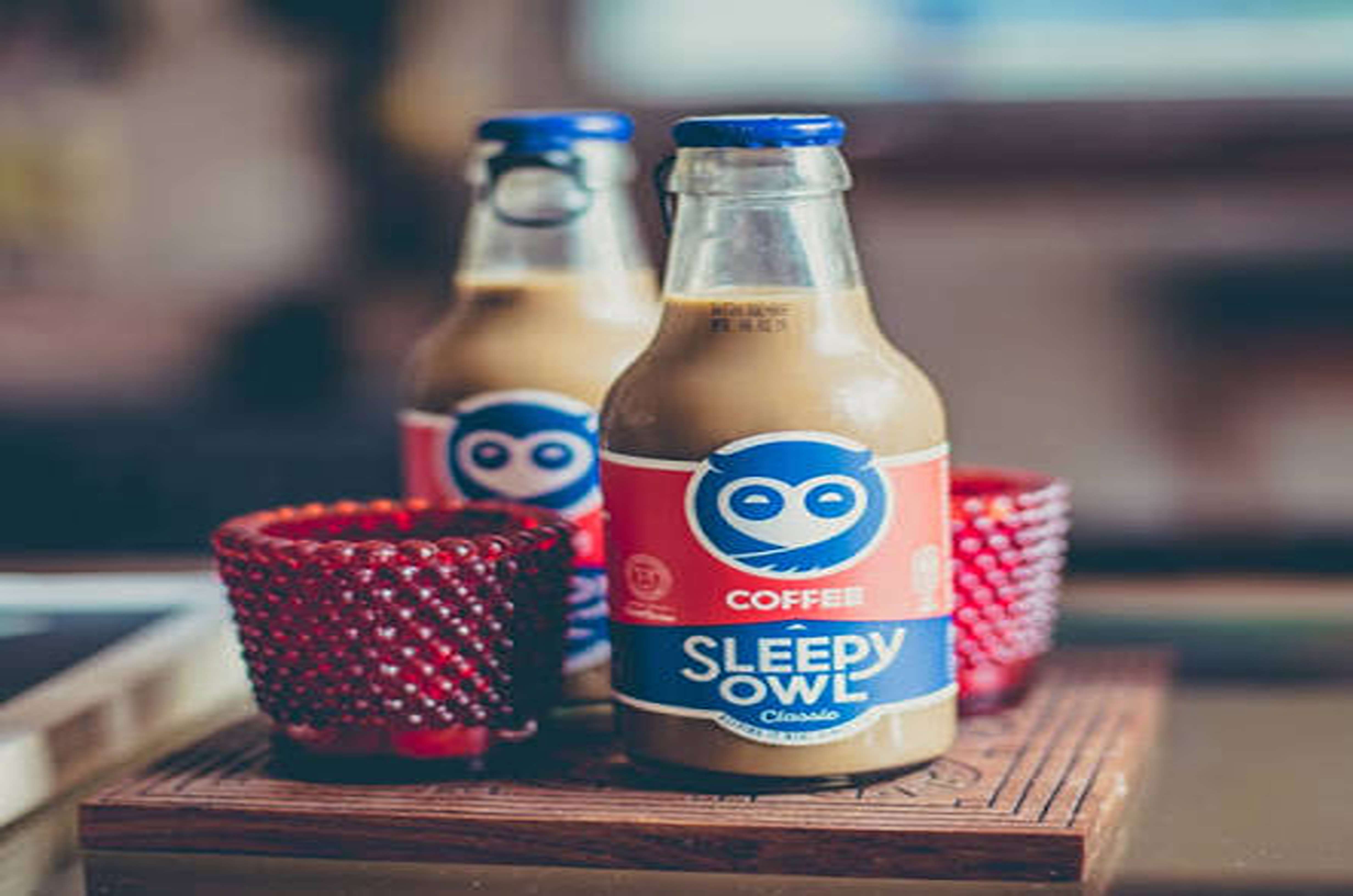
Rather than applying uniform price increases across all products, manufacturers are increasingly shifting their sales mix toward premium, higher-margin formats where consumers are less price-sensitive. Cold brew and protein-fortified ready-to-drink coffee, both associated with premium positioning, have continued to gain share even as commodity costs remain elevated. Glass-bottled products, which the industry associates with the premium tier of the category, have been positioned explicitly around perceived quality to support pricing despite rising input costs.
Large beverage and food companies are also using structural moves to manage this environment.
Nestle S.A. consolidated its Nescafe, Nespresso, and licensed Starbucks at-home coffee businesses into a single global coffee pillar in 2026, positioning ready-to-drink as a growth driver across all three brands, backed by Nespresso's first United States ready-to-drink launch. Danone S.A. completed an approximately $1 billion acquisition of Huel, reinforcing its broader push into functional nutrition beverages, including its Oikos Protein Shakes ready-to-drink coffee line.
Industry projections generally place the global ready-to-drink coffee market in a range of approximately 30 to 40 billion dollars in 2026, with most forecasts pointing toward continued mid-to-high single digit annual growth through the early 2030s despite the elevated cost environment. Analysts note that companies with diversified sourcing, flexible packaging strategy, and a growing share of premium and functional products are best positioned to sustain margin through continued commodity volatility.
Beverage manufacturers and retailers seeking to stress-test their pricing strategy against continued volatility in green coffee costs can request a custom pricing and margin analysis scoped to their product portfolio. Companies evaluating changes to packaging or channel strategy in response to input-cost pressures can also request a tailored competitive benchmarking study.
Organizations interested in a detailed briefing on ready-to-drink coffee pricing trends or a custom research engagement can contact the research team to discuss scope and timelines.