
Global PVC Prices Diverge Sharply by Region in 2026 as Europe Holds Premium and US Prices Surge, New Epignosis Insights Tracker Finds
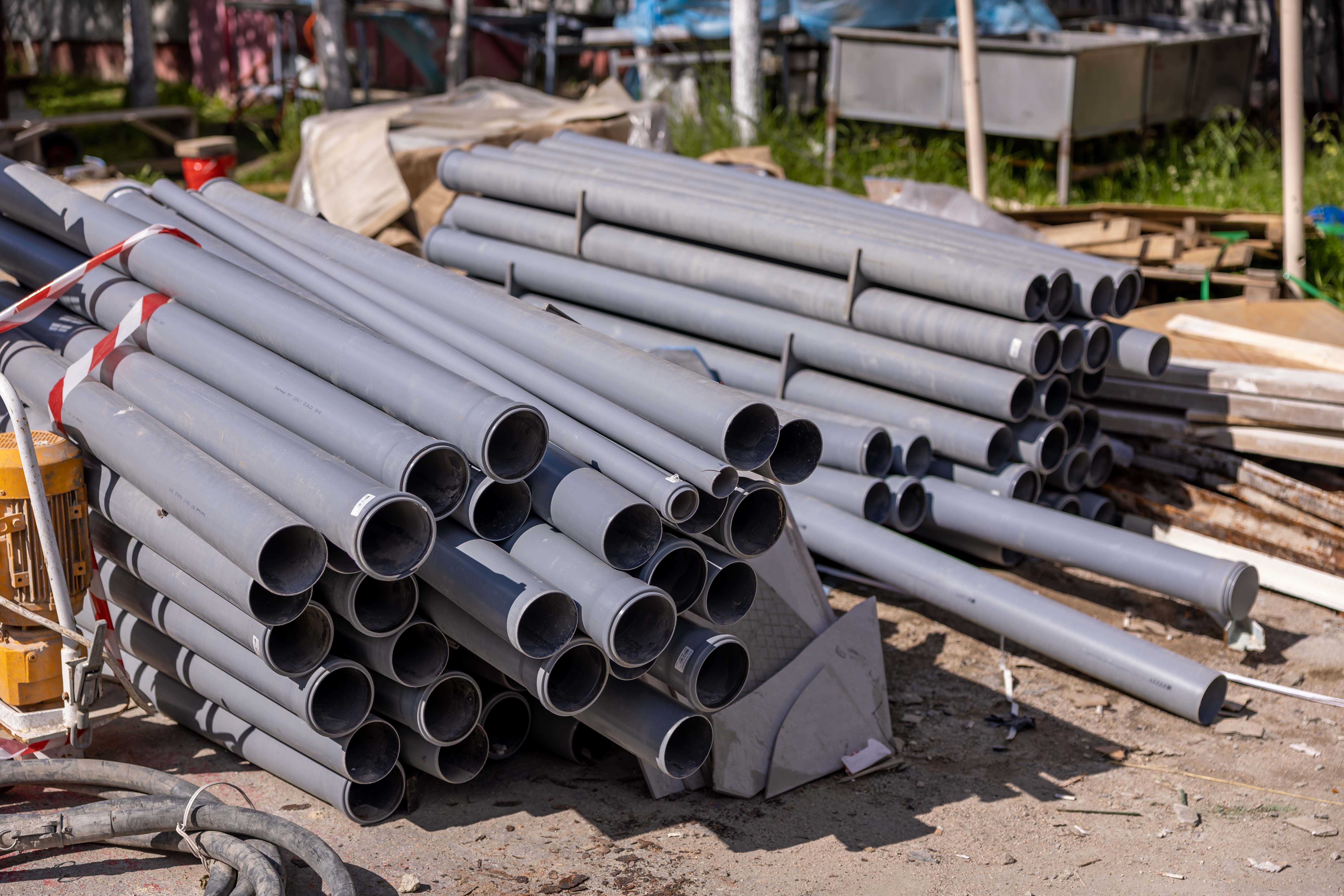
Epignosis Insights today published its Global PVC Price Tracker for August 2026, revealing that regional polyvinyl chloride (PVC) resin prices are diverging at their widest gap in over a year even as the global average holds in a narrow band. The monthly pricing report tracks PVC resin costs across Europe, North America, Asia-Pacific and Latin America, and finds that regional price spreads not the global average are now the more decision-relevant metric for procurement and trading teams worldwide.
Global PVC Price Average Steadies Near USD 0.93 Per Kilogram
According to the tracker, the global average PVC price eased from a Q3 2025 peak of roughly USD 0.95 per kilogram to about USD 0.92/kg by year-end 2025, before recovering modestly to USD 0.93/kg in the first quarter of 2026 as importers turned cautious ahead of pending trade-policy decisions. While this global figure looks stable on the surface, Epignosis Insights' analysis shows the calm average is masking sharply different regional stories that matter far more to buyers making sourcing decisions today.
Europe Holds the Highest PVC Prices as US Market Surges 16% in a Single Quarter
Europe has held the highest regional PVC price all year, moving from USD 1.22/kg in Q1 2025 to a peak of USD 1.31/kg in Q3, and recovering to USD 1.30/kg by Q1 2026 a premium of roughly 30 to 40 percent over the global average, driven largely by elevated regional energy costs and constrained producer operating rates. Germany, representative of the wider Western European market, priced PVC resin at USD 940 to 946 per metric tonne through the first half of 2026.
The United States recorded the sharpest sequential price move of any market tracked in the report, with PVC resin climbing from USD 557 per metric tonne in Q1 2026 to between USD 624 and 644 per metric tonne by June a gain of 12 to 16 percent in a single quarter. Epignosis Insights attributes the US surge to firm order volumes from pipe, fittings and broader infrastructure-linked buyers, which encouraged domestic suppliers to hold higher offer levels. By contrast, Brazil remained the lowest-priced market tracked, at USD 444 to 460 per metric tonne, while India, at USD 846 per metric tonne, priced closer to the European tier than to its Asian neighboursa pattern the report links to import-dependency and India's anti-dumping duty regime on PVC resin imports.
"PVC pricing in 2026 is a story of regional divergence, not a single global trend. Buyers relying on global benchmark data alone risk materially misjudging their actual regional procurement costs, whether they are sourcing in Rotterdam, Houston, or Mumbai."
Energy Costs and Feedstock Economics Are the Primary Driver
The report traces the regional price gap back to PVC's dual feedstock structure: the polymer is produced by combining ethylene, typically cracked from naphtha or ethane, with chlorine derived from the energy-intensive electrolysis of salt. Because chlor-alkali production is highly electricity-dependent, regional energy price differentials particularly Europe's elevated natural gas costs relative to the US Gulf Coast and Middle East translate almost directly into the regional PVC price spreads documented in the tracker. Producers with access to advantaged, low-cost feedstock, including US ethane crackers and Middle East associated gas, are increasingly translating that structural cost advantage into new capacity, most notably a roughly USD 1.99 billion PVC production complex under construction at Ruwais, Abu Dhabi.
Construction Demand and China's Real Estate Sector Remain the Key Swing Factors
Construction applications, including pipes, fittings and window profiles, account for close to four-fifths of global PVC consumption, making the market unusually sensitive to real estate cycles. The tracker identifies China's prolonged real estate slowdown as the single largest drag on global demand sentiment, while noting that progress in Russia-Ukraine peace negotiations has raised cautiously optimistic expectations of post-war, reconstruction-linked PVC demand across Europe. Trade policy is also playing a growing role in regional pricing, with India's five-year anti-dumping duties on PVC resin imports and evolving US tariff schedules both identified as first-order inputs to regional price forecasts, alongside traditional supply-demand fundamentals.
Outlook: Regional Price Spreads to Remain the Defining Story Through Year-End
Looking to the second half of 2026, Epignosis Insights expects the global average PVC price to remain within a USD 0.90 to 0.98 per kilogram band, with continued regional divergence rather than a convergence back to a single global trend. Any genuine stabilisation in Chinese construction activity is flagged as the single most impactful catalyst for a broader global price recovery, given Asia-Pacific's outsized share of global PVC consumption.
The full Global PVC Price Tracker report, including detailed regional charts, a feedstock value-chain analysis and a quarterly forecast, is available from Epignosis Insights.