
Food Processing Automation Market to Reach USD 29.7 Billion by 2033 as Labor Shortages and Food Safety Rules Drive Adoption
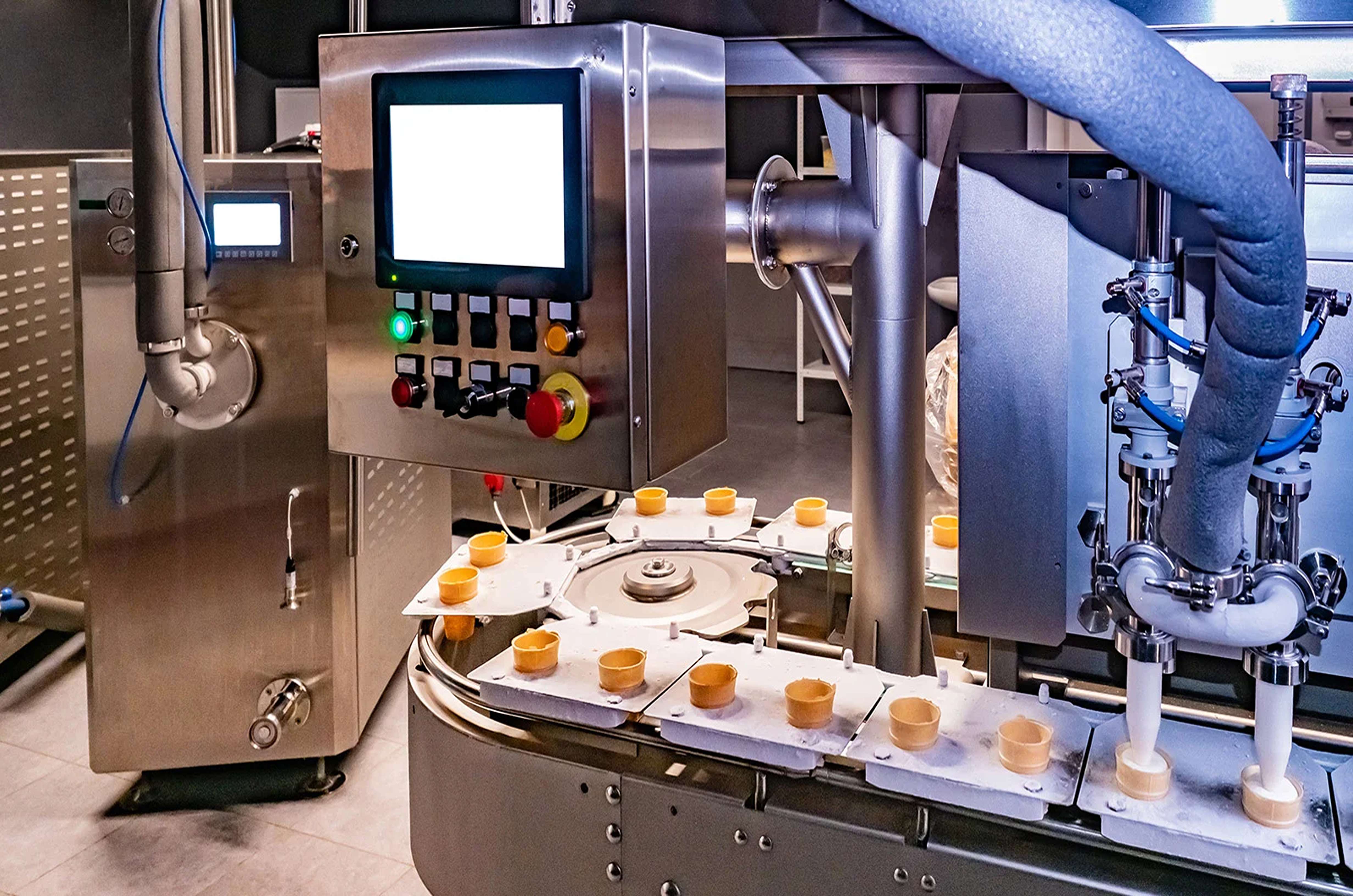
The global food processing automation market is valued at approximately USD 14.3 billion in 2026. It is projected to reach around USD 29.7 billion by 2033, expanding at an approximate 11% compound annual growth rate, according to a new market analysis covering robotics, machine vision, control systems, sensors, and manufacturing software across the food and beverage sector.
The growth rate significantly outpaces overall food and beverage capital expenditure, which has been expanding at roughly 3% annually, indicating that automation spending is being prioritized ahead of other categories rather than simply following the industry's general investment cycle.
Workforce Pressure Is the Primary Driver
Industrial robot installations in the United States rose approximately 11% in 2025 to around 38,000 units, with food industry adoption climbing roughly 30% as processors struggled to keep production lines adequately staffed, according to data from the International Federation of Robotics. Robot density in U.S. manufacturing now stands at approximately 307 units per 10,000 employees, ranking the country eighth globally, still behind South Korea, Germany and Japan.
Food manufacturing carries one of the oldest workforces of any manufacturing subsector, with a large share of production employees aged 55 or older. As retirements accelerate, younger workers are increasingly choosing warehousing, logistics, and retail roles that offer comparable wages and more flexible schedules, intensifying recruitment pressure on food processors and pushing automation from a discretionary upgrade to an operational requirement.
Regulation Is Raising the Automation Baseline
Regulatory change is compounding the labor-driven shift. The U.S. Food and Drug Administration's Section 204 food traceability rule requires processors, distributors and packers handling high-risk foods to capture and share detailed supply chain data so contaminated products can be traced and recalled quickly, a requirement that is difficult to meet through manual, paper-based recordkeeping at scale. In the European Union, the recast Machinery Regulation is tightening safety, cybersecurity and documentation requirements for automated and robotic production equipment, adding a compliance dimension that vendors must now design into control systems from the outset.
Segment and Technology Trends
Robotic arms and machine vision or AI inspection systems are the fastest-growing automation components. In contrast, programmable control systems and sensors remain the highest-volume category deployed across new and retrofit production lines. Packaging and palletizing continue to represent the largest application category by installed value, while quality inspection, sorting, and grading are growing the fastest as vision-guided systems extend automation further into primary processing.
Collaborative robots, which operate safely alongside workers without the safety cages required by traditional industrial robots, are expanding access to automation beyond large multinational processors. Entry pricing of roughly USD 25,000 to 40,000 installed, combined with Robotics-as-a-Service financing models that convert large capital purchases into recurring operating expenses, is enabling small and mid-size food manufacturers to achieve payback within approximately 18 months in labor-constrained operations.
Aftermarket and Software Revenue Gaining Ground
Equipment suppliers are increasingly structuring revenue around ongoing service, spare parts and subscription software rather than one-time equipment sales alone. This shift reflects processor demand for predictive maintenance, remote diagnostics and continuous compliance documentation that a single hardware purchase cannot provide on its own. Suppliers able to combine robotics, controls and vision hardware with an integrated software and analytics layer are increasingly differentiated from vendors offering strong individual components that still require significant third-party systems integration to function as a single line.
The shift toward phased automation investment is also notable. Rather than committing to a single large capital project, a growing share of processors are first instrumenting lines with sensors and historian software, using the resulting operational data to identify and prioritize the highest-value automation targets before deploying robotics or vision systems, backed by a quantified business case. This phased approach is particularly suited to mid-size processors managing automation investment across multiple budget cycles.
Processors and equipment suppliers evaluating capital allocation across robotics, machine vision, control systems and software integration can request additional segment-level data and country-specific investment scoring through the research desk listed below.