
Europe Waste to Energy Market Growth Outlook: How Residual Waste and Energy Security Will Shape the Market
Executive Summary
Europe Waste to Energy Market is estimated to reach a value of 67,796 million by 2033 with a CAGR of 13.1% during the forecast period.
Energy security is strengthening the strategic role of waste derived energy across Europe as countries seek to reduce exposure to imported fuels while maintaining reliable domestic energy supply. The Europe waste to energy market benefits from the fact that residual municipal waste is generated locally and can provide a relatively predictable feedstock for continuous energy production. This creates an important distinction from imported fossil fuels, where supply disruptions, geopolitical developments and international price movements can directly affect energy costs.
The European Union imported around 58% of its energy in 2023, highlighting the region's continued exposure to external energy supply. At the same time, waste incineration plants across Europe already generate substantial quantities of electricity and useful heat, with CEWEP estimating that European WtE plants can supply approximately 189 TWh of energy annually by 2035 under increased utilization and energy recovery. The strongest opportunity exists in countries where WtE facilities are integrated with district heating networks because waste can simultaneously provide a disposal service and displace natural gas or other fossil fuels used for heat generation.
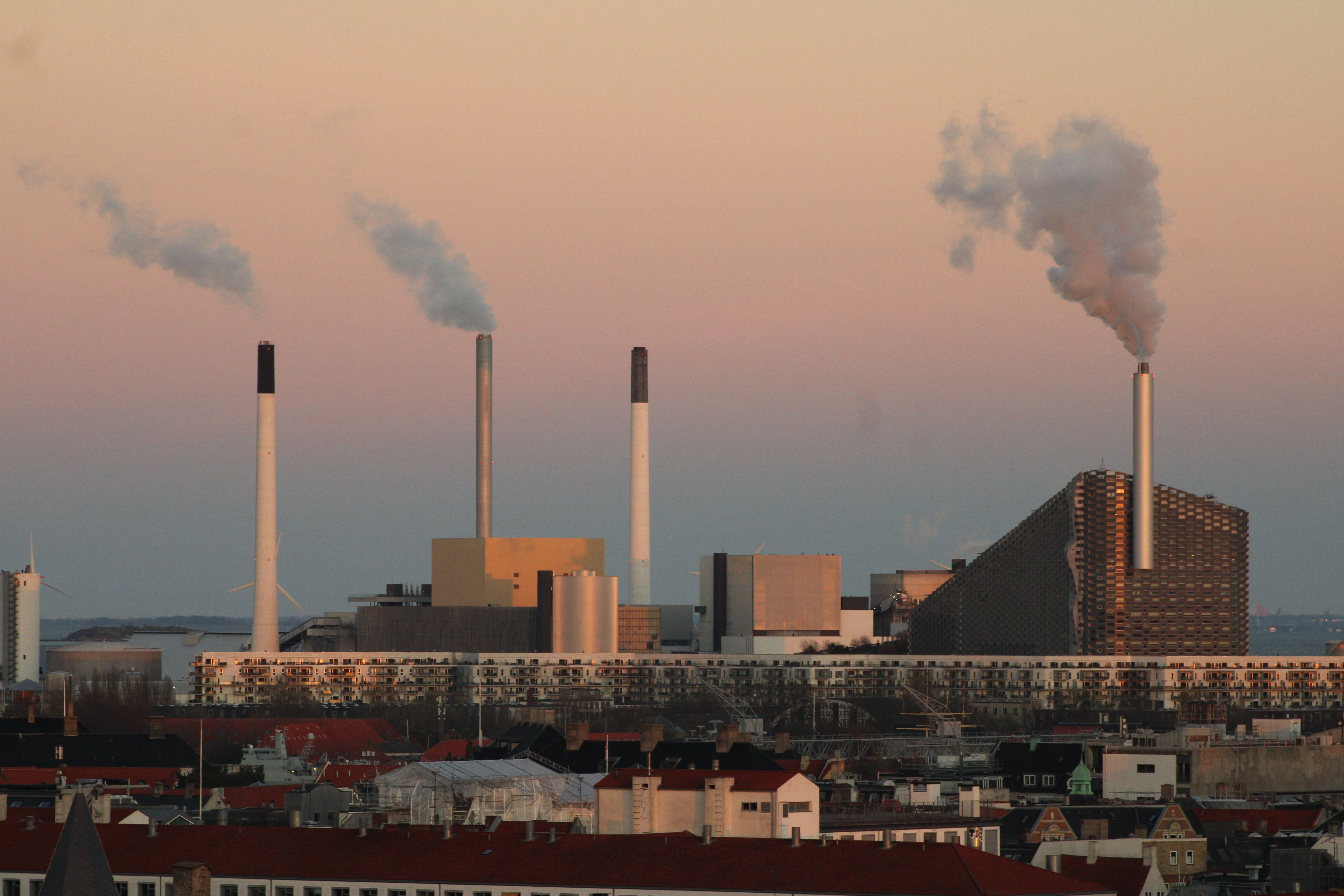
Sweden, Denmark and Finland demonstrate this model through extensive district heating infrastructure and established energy recovery systems. For the Europe waste to energy market, energy security is therefore creating value beyond traditional waste treatment economics. Municipalities can reduce dependence on landfill while energy utilities gain access to a locally available fuel source. However, WtE cannot fully replace conventional energy sources because feedstock availability is constrained by waste generation and increasingly aggressive recycling policies.
The most attractive projects will consequently be those that maximize energy recovered per tonne while maintaining high plant availability and securing long term waste supply agreements. Combined heat and power configurations are particularly attractive because they diversify energy output and reduce dependence on volatile electricity prices.
Investment is also shifting toward plant modernization, higher efficiency steam cycles, heat recovery systems and digital optimization that can increase useful energy output without proportionally increasing waste throughput. As European countries continue strengthening energy resilience, the Europe waste to energy market is positioned to benefit from the convergence of waste management, domestic energy production and decarbonization objectives.
Key Highlights
- Incineration leads with 72%, supported by its ability to process large volumes of mixed residual waste and established commercial infrastructure across Europe.
- Anaerobic digestion accounts for 12%, with stronger adoption in markets prioritizing separately collected organic waste and biomethane production.
- Landfill gas recovery holds 7%, primarily reflecting existing landfill infrastructure where methane capture remains economically viable during landfill transition.
- Refuse derived fuel processing represents 5%, benefiting from demand for standardized waste derived fuels in industrial boilers and selected thermal energy applications.
- Gasification captures 2%, remaining concentrated in specialized projects where prepared feedstock and higher value syngas applications can justify additional processing requirements.
- Pyrolysis accounts for 2%, with adoption focused on niche waste streams and projects targeting syngas, fuels or carbon rich outputs rather than conventional electricity generation.
Analyst View
“Long project development timelines create significant financing exposure in the Europe waste to energy market, particularly because projects require coordinated permitting, environmental approvals, municipal contracts, financing and construction before revenue generation begins. A large WtE facility can require approximately 4 to 7 years from initial planning to commercial operation, increasing exposure to interest rate changes, construction inflation and regulatory revisions. Delays can also raise development costs and postpone contracted waste treatment revenues. Policy changes during this period may alter emission requirements, landfill taxation or energy support mechanisms, affecting project economics. Developers with secured feedstock agreements, fixed price EPC contracts and long term energy offtake arrangements can reduce these risks substantially.”
About Research
The Europe waste to energy market is expected to expand as municipalities face increasing pressure to divert residual waste from landfill while improving domestic energy recovery. The core hypothesis is that treatment capacity shortages, stricter landfill restrictions and demand for locally generated electricity and heat will outweigh the volume pressure created by higher recycling rates. Market growth is likely to concentrate in countries where residual waste remains available, district heating infrastructure is established and alternative disposal options are economically constrained. High efficiency incineration is expected to retain its dominance because of its ability to process heterogeneous waste streams at scale, while anaerobic digestion, gasification and pyrolysis should gain selective opportunities through organic waste recovery and specialized feedstocks. Project economics are hypothesized to increasingly depend on multiple revenue streams, including gate fees, electricity, heat and recovered materials. Regulatory compliance, financing costs and permitting timelines will remain key variables determining whether planned capacity additions translate into operational assets.