
New Epignosis Insights Report Maps How 28 Major Economies Actually Pay
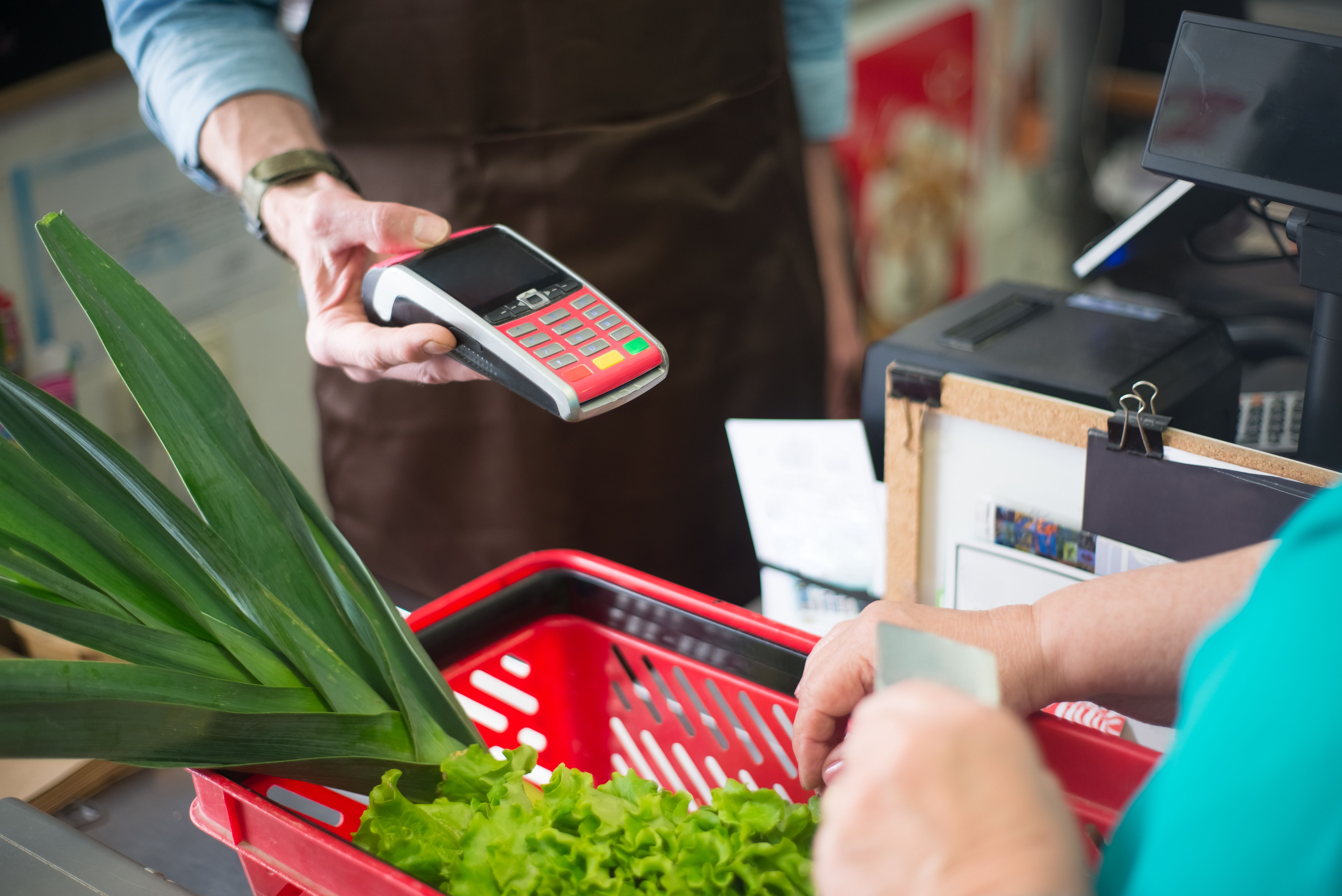
Epignosis Insights, a Global Market Research and publishing firm, today released a new Customer Experience Report, “Cashless Payments Market: A Global Customer Experience Report,” examining how cashless payment preferences have evolved across the world's major economies and what that evolution means for how consumers actually pay.
Global Digital Payment Value Set to Nearly Double by 2030
The report finds that Global Digital Payment transaction value has grown from $1.7 trillion in 2014 to $18.7 trillion in 2024, and is projected to reach $33.5 trillion by 2030 as more economies digitize checkout experiences. Digital payments now account for 66% of global e-commerce transaction value, up from 34% a decade ago, and 38% of in-store payments, up from just 3% over the same period. “The payment method a consumer in Nairobi trusts by default bears almost no resemblance to the one a consumer in Amsterdam or Seoul reaches for,” the report notes, framing its core finding: the shift away from cash is universal, but the specific rail consumers trust is deeply local.
Digital Wallets Emerge as the “Everything Method”
The report identifies the rise of the digital wallet as the defining trend in global payment experience design. Wallets accounted for 54% of global e-commerce transaction value in 2022, rising to 56% in 2025, and are projected to reach 61% by 2027; at the point of sale, wallet share is projected to nearly double from 32% in 2022 to 46% by 2027. The report attributes this to wallets' structural flexibility funding transactions via cards, bank transfers, or stored value behind a single simple interface a pattern it says has no clear historical precedent in payments.
Government-Built Instant Payment Rails Reshape India and Brazil
The report highlights India's Unified Payments Interface and Brazil's Pix as two of the world's most consequential cashless payment experiences, both built by national governments rather than private wallet providers. UPI accounted for over 50% of India's e-commerce transaction value in 2024, the report finds, while Brazil's Pix supported more than 41 billion transactions in 2023 alone and is expected to drive almost half of the country's transactional revenue growth through 2027 evidence, the report argues, that customer experience quality can outweigh direct monetization as a driver of payments-market transformation.
“Customer trust in a payment method is built locally, one rail at a time, and no amount of global scale substitutes for getting that local default right.”
Mobile Money, Card Loyalty, and Europe's Bank-Transfer Belt
The report highlights Kenya's M-PESA, finding it holds 90.8% of the country's mobile money market and reaches 86.6% of the population a model since exported to Tanzania, Mozambique, Ghana, Egypt, and Ethiopia. At the same time, cards remain the default customer experience in several mature economies: contactless payments represented over 70% of UK in-store card transactions, Japanese consumers pay by credit card 55% of the time online, and Australian consumers use contactless for roughly 80% of point-of-sale card payments. A third pattern runs through Northern and Western Europe, where bank-transfer schemes such as the Netherlands' iDEAL and Belgium's Bancontact capture roughly two-thirds to three-quarters of online shoppers respectively.
Asia's Wallet Ecosystems Diverge Sharply by Country
Asia hosts the world's most concentrated digital wallet ecosystems, though structure varies widely: China's Alipay and WeChat Pay together account for 84% of online payments, while South Korea's market remains fragmented among KakaoPay, Toss, and Naver Pay, with the sector reaching an estimated $44.4 billion in transaction value in 2025. Across Southeast Asia, GoPay, OVO, GrabPay, and GCash have built comparable super-app-adjacent wallet ecosystems embedded inside broader consumer platforms rather than standing alone.
A 28-Country Map of How the World Actually Pays
The report's centerpiece is a chart mapping the dominant cashless payment method across 28 major global economies into five structural categories: card-led, digital-wallet-led, bank-transfer-led, government-built instant payment rails, and mobile-money-led markets. The clustering pattern is itself a key finding, the report says: card dominance persists mainly in mature Anglophone and East Asian economies, digital wallets lead where a dominant domestic or cross-border platform has taken hold, bank-transfer schemes cluster tightly across Northern and Western Europe, and mobile money remains concentrated in Sub-Saharan Africa, where it solved a market failure that other regions never faced at the same scale.
Implications for Payment and Customer Experience Strategy
The report argues against any single global checkout template, finding that payment providers and merchants achieving the highest checkout conversion and repeat-usage rates are consistently the ones that treat localization, not global rollout, as the starting point. Citing McKinsey's payments research, the report notes industry revenue is projected to grow at an average annual rate of roughly 4% through 2029, with growth increasingly concentrated in lower-fee digital wallet and account-to-account methods rather than traditional card interchange meaning the customer experience advantage is shifting toward whichever rail reduces friction at checkout.