
How Experiential Flagship Stores Are Redefining Customer Engagement in the Asia Premium Personal Care Market
Executive Summary
Asia Premium Personal Care Market is estimated to reach a value of USD 137 billion by 2033 with a CAGR of 9.1% during the forecast period.
The Asia Premium Personal Care Market is undergoing a significant shift in retail strategy as luxury beauty brands place greater emphasis on experiential flagship stores that merge with omnichannel commerce. This approach aims to enhance customer engagement, boost conversion rates, and improve lifetime customer value. Instead of merely serving as sales outlets, flagship stores are transforming into immersive brand experience centers. These locations feature AI-powered skin diagnostics, personalized consultations, fragrance discovery zones, refill stations, beauty cafés, livestream studios, and bespoke product customization services. This strategy aligns with changing consumer preferences, as premium shoppers increasingly demand personalized experiences prior to making high-value purchases.
In the Asia-Pacific region, online channels represent around 30–35% of beauty and personal care sales, one of the highest rates of digital penetration globally. Consequently, brands are working to seamlessly link physical stores with mobile applications, loyalty programs, virtual consultations, and click-and-collect services. China serves as the benchmark for omnichannel luxury beauty, where social commerce, livestream shopping, and digital payment systems allow consumers to transition smoothly between online and offline purchasing.
Meanwhile, Japan and South Korea are investing in technology-driven retail concepts that integrate clinical skin analysis, digital product recommendations, and appointment-based beauty services to enhance customer retention. Luxury brands are also expanding their flagship stores into high-end shopping districts across cities like Singapore, Bangkok, Seoul, Shanghai, and Tokyo. These stores serve as venues for launching exclusive collections, limited-edition products, and VIP membership experiences, all reinforcing premium brand positioning.
Omnichannel customers typically show higher purchase frequency and greater average order values compared to single-channel shoppers, as integrated digital ecosystems promote repeat purchases through personalized recommendations and targeted loyalty rewards. Additionally, the consumer data gathered through omnichannel interactions allows brands to optimize inventory, tailor product assortments, and expedite product development based on real-time purchasing insights.
As competition intensifies among premium beauty brands in Asia, experiential retail is emerging as a crucial strategic differentiator rather than just a marketing tactic. Brands that can provide consistent luxury experiences across physical boutiques, e-commerce platforms, social commerce, and digital beauty ecosystems will be better equipped to foster consumer loyalty, justify premium pricing, and achieve long-term value creation in the Asia Premium Personal Care Market.
Key Highlights
- Bottles accounted for the largest share (31.8%) of the Asia Premium Personal Care Market, supported by strong demand for premium skincare, haircare, and fragrance products.
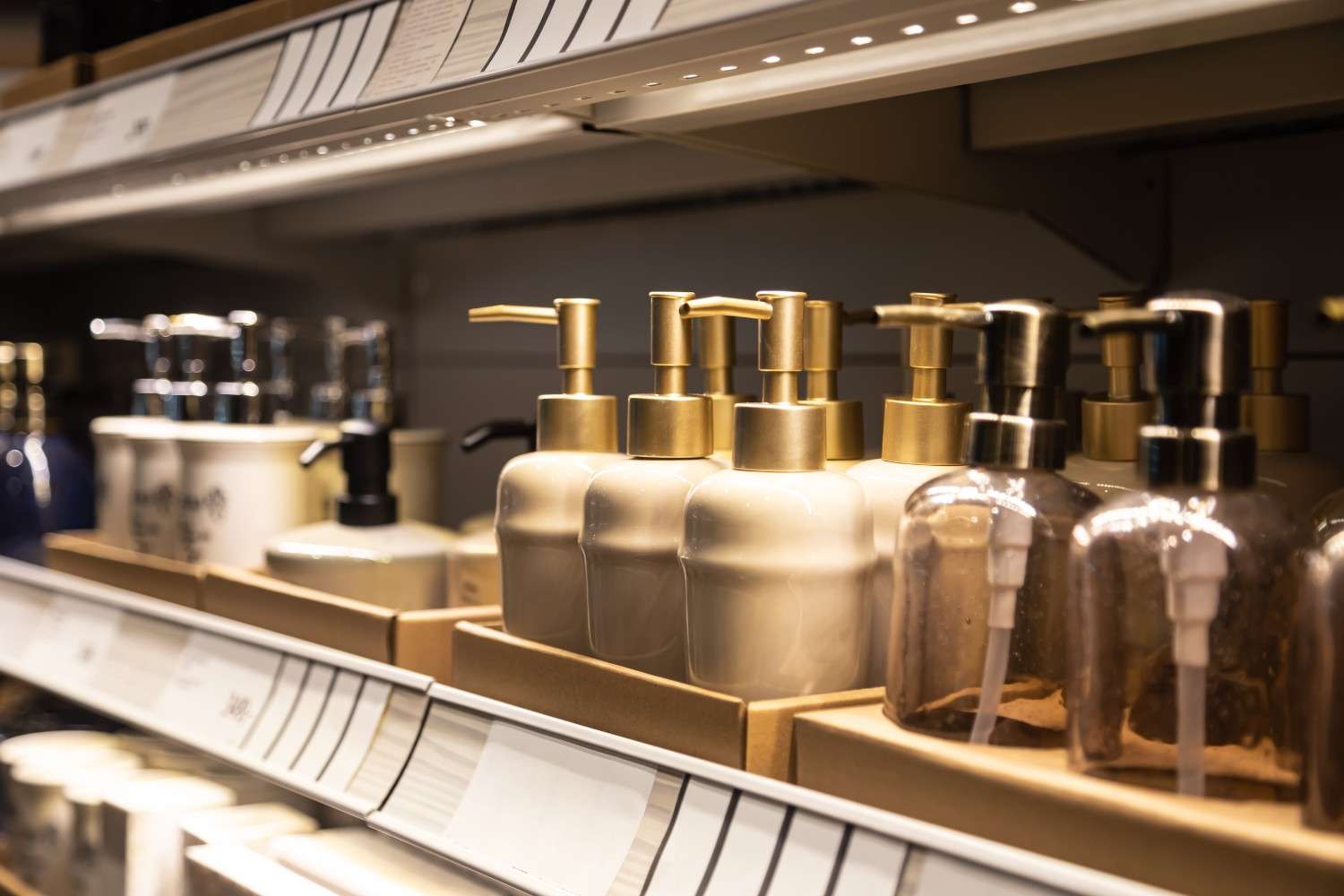
- Pumps & Dispensers represented 24.6% of the Asia Premium Personal Care Market, reflecting increasing consumer preference for hygienic, precise, and premium dispensing systems.
- Tubes held an 18.4% share, driven by the popularity of facial cleansers, sunscreens, and dermatologist-recommended skincare products.
- Jars captured 12.7% of the Asia Premium Personal Care Market, primarily used for premium anti-aging creams, moisturizers, and overnight treatment products.
- Refill Packs accounted for 7.3%, highlighting the growing adoption of sustainable and circular packaging strategies among luxury beauty brands.
- Travel-Sized Packaging contributed 5.2%, supported by travel retail, product sampling, premium gifting, and rising demand for portable beauty solutions across the Asia Premium Personal Care Market.
Analyst View
“The rapid growth of medical aesthetics in Asia presents a lucrative opportunity for the Asia Premium Personal Care Market, particularly in the realm of clinical-grade skincare tailored for pre- and post-procedure care. With the rising popularity of treatments such as laser resurfacing, chemical peels, microneedling, botulinum toxin injections, dermal fillers, and radiofrequency skin tightening, consumer demand is shifting toward products that promote skin recovery, reinforce the skin barrier, and reduce irritation. As a result, premium brands are now offering dermatologist-developed formulations that include ceramides, peptides, growth factors, panthenol, hyaluronic acid, and ingredients that support the microbiome, all of which have been clinically tested for sensitive and compromised skin.
Additionally, hospitals, dermatology clinics, and aesthetic centers are emerging as significant distribution channels, moving beyond the traditional beauty retail landscape. This shift is fostering collaborations between cosmetic companies and medical professionals, enhancing product credibility and fostering patient trust. As consumers increasingly perceive skincare as an integral part of aesthetic treatments rather than merely a standalone beauty regimen, brands that offer clinically validated, science-backed products are poised to gain stronger pricing power and foster long-term customer loyalty in the Asia Premium Personal Care Market.”
About Research
The analysis of the Asia Premium Personal Care Market is grounded in the belief that rising disposable incomes, a trend towards premiumization in beauty consumption, and an increasing consumer preference for science-backed and personalized products will drive sustained market growth throughout the forecast period. It posits that the demand for premium skincare, haircare, fragrances, and clinical beauty products will surpass that of mass-market categories as consumers place greater importance on product efficacy, ingredient transparency, and dermatologically validated formulations.
The study also highlights the ongoing influence of K-Beauty, J-Beauty, and C-Beauty innovations, the growth of omnichannel retail, cross-border e-commerce, AI-driven beauty personalization, and the adoption of biotechnology-derived active ingredients as significant factors shaping competitive dynamics. Furthermore, it takes into account demographic shifts, urbanization trends, patterns of premium consumer spending, regulatory developments, sustainability initiatives, innovations in luxury packaging, the adoption of medical aesthetics, manufacturing capacity expansion, and strategic investments by both global and regional beauty companies.
To provide a comprehensive understanding, macroeconomic indicators such as GDP growth, inflation, currency fluctuations, and consumer confidence have been assessed to gauge their effect on premium discretionary spending. The research also assumes a stable supply of raw materials, continued penetration of digital commerce, and rising investments in localized R&D as well as premium product innovation, all while considering evolving consumer preferences and regional variations in purchasing behavior across major Asian economies.