
Apple's Brand Health Hits New Highs: NPS Climbs to 70 as Unaided Awareness and Top-of-Mind Recall Strengthen
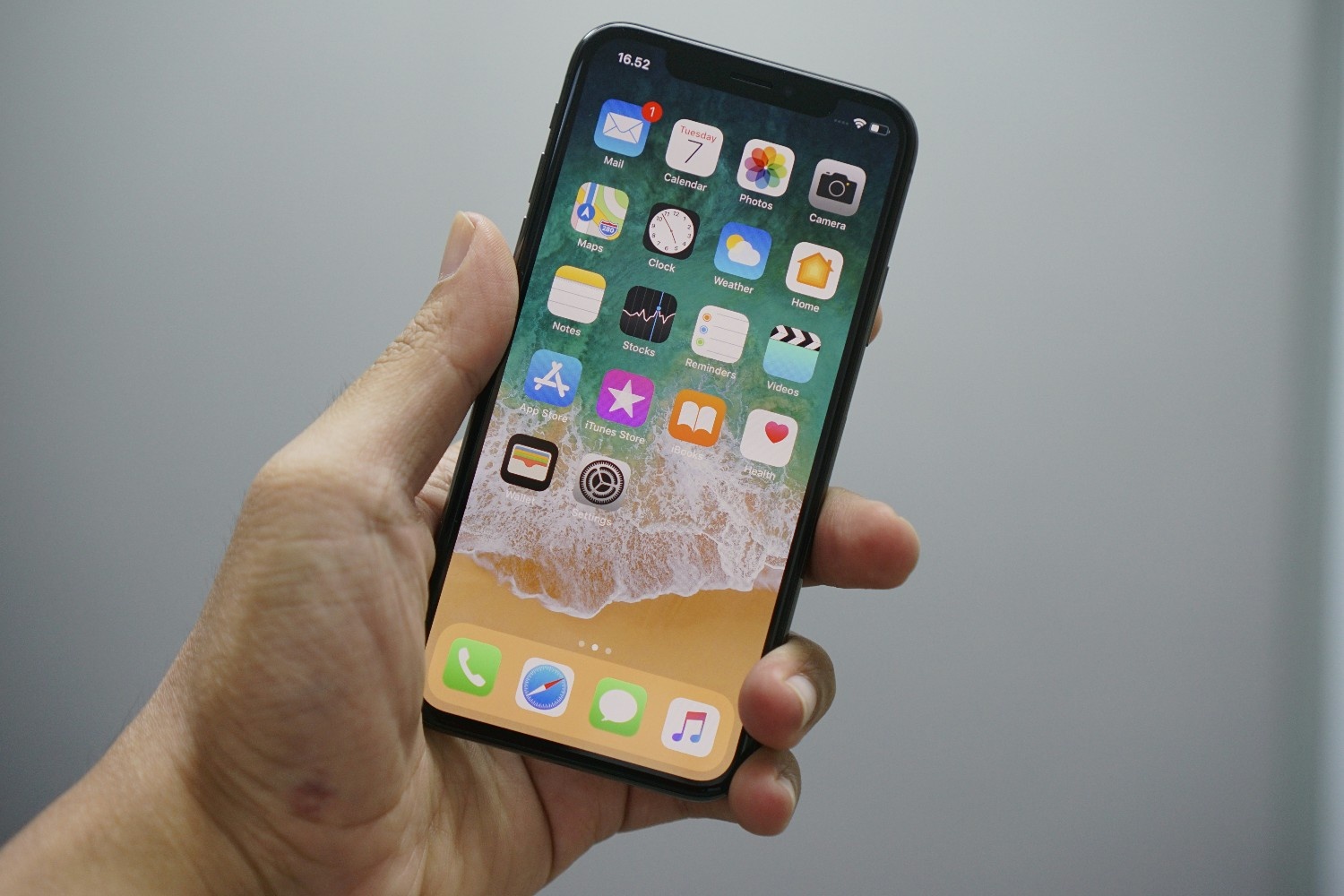
A new brand health tracking report on Apple Inc. shows the company's Net Promoter Score (NPS) rising to 70 in Q2 2026, up from 61 a year earlier, alongside sustained gains in unaided brand awareness and category-leading top-of-mind recall, according to the latest quarterly tracking wave covering consumer perception, awareness and loyalty metrics.
Key Findings
Apple's brand awareness remains near-ceiling at 95% aided recognition, while unaided (top-of-mind) awareness has climbed steadily from 46% to 51% over six tracking quarters, signaling that Apple is increasingly the reflexive brand association consumers make with the technology category rather than one they simply recognize when prompted. Within the smartphone category specifically, Apple commands 34% of top-of-mind mentions, more than 12 percentage points ahead of Samsung at 22%, with Google, Xiaomi and OnePlus trailing further behind.
On brand perception, Apple scores strongest on Innovation (8.9/10) and Design (9.2/10), both well above the industry average of roughly 7.0-7.2, reinforcing its position as a premium, design-led technology leader. Quality (8.7/10) and Trust (8.3/10) also outperform category norms. The report flags Value for Money (6.1/10) and Sustainability (7.0/10) as the two attributes where Apple trails the broader industry average, representing a watch-point for the brand's otherwise dominant perception profile.
Net Promoter Score Reaches Multi-Quarter High
Apple's NPS of 70 places the brand well ahead of the consumer electronics industry benchmark, which typically ranges between 30 and 45. The respondent base breaks down to 72% Promoters, 20% Passives and just 8% Detractors, reflecting a customer base that is not merely satisfied but actively advocating for the brand. Regionally, North America posts the strongest NPS at 74, followed by Europe at 68 and Asia Pacific at 65, while Greater China trails the portfolio at 58 amid intensifying competition from domestic players and broader macroeconomic headwinds.
Generational and Regional Nuance
The tracking data also reveals demographic divergence: consumers aged 18-24 report the highest Design and Innovation perception scores of any age group, consistent with Apple's continued strength among younger, first-time smartphone buyers, while respondents aged 45 and older weight Trust and Customer Service more heavily in their overall brand evaluation. NPS among the youngest cohort is also more volatile quarter to quarter, a pattern typical of a segment with less-established brand loyalty and greater relative price sensitivity. The report identifies Greater China as the most significant regional brand health risk in the current wave, given its comparatively lower NPS relative to other major markets, while Latin America's score of 60 similarly reflects a market where premium pricing continues to constrain penetration against more price-accessible Android alternatives.
Competitive Landscape
The report situates Apple's performance against four key category peers. Samsung remains the closest global competitor on scale, trailing on top-of-mind recall but narrowing the perception gap on value for money through aggressive flagship pricing and trade-in incentives. Google's footprint is smaller but notable for gains tied to AI and software integration, an area increasingly influential in how consumers define brand innovation. Xiaomi and OnePlus compete primarily on price-value positioning, and their continued growth in emerging markets is cited as a longer-term watch-point for Apple's premium strategy, even though neither currently challenges Apple's category leadership on awareness or advocacy metrics.
“Apple's brand health data tells a consistent story: exceptional loyalty and advocacy among existing customers, a commanding top-of-mind position, and perception scores that outpace the industry on innovation, design and quality. The value-for-money and sustainability gaps, along with regional softness in Greater China, are the clearest areas to watch, but they do not currently threaten the brand's overall leadership position.”
— Senior Research Analyst, Epignosis Insights
Strategic Implications
The report's authors note that Apple's brand equity is built primarily on product-level attributes rather than price-value positioning, a coherent strategy for a premium brand but one that leaves comparatively little cushion if perceived innovation or design leadership were to erode. Recommended areas of focus include clearer communication of total cost of ownership and ecosystem value to address the value-for-money gap, more visible marketing of existing environmental initiatives to close the sustainability perception gap, and continued monitoring of the Greater China market, where advocacy levels trail the global average.
Why Brand Health Tracking Matters
Continuous brand health tracking gives marketing and executive teams an early-warning system for shifts in consumer sentiment long before those shifts show up in sales or market share data. By combining awareness, perception and advocacy metrics into a single quarterly framework, companies can isolate exactly which lever visibility, attribute perception, or customer satisfaction is driving a change in brand equity, and respond with targeted messaging rather than broad-based campaigns. For a brand of Apple's scale, even small percentage-point shifts in metrics such as unaided awareness or Net Promoter Score can translate into meaningful downstream impact on consideration, retention and premium pricing power.
About the Report
The Brand Health Tracking Report on Apple Inc. covers four measurement pillars brand awareness, top-of-mind recall, consumer perception and Net Promoter Score across a six-quarter tracking window from Q1 2025 through Q2 2026, benchmarked against key competitors including Samsung, Google, Xiaomi and OnePlus.
About Epignosis Insights
Epignosis Insights is a strategic consulting and market intelligence firm delivering data-driven analysis across brand, marketing and consumer research. The firm helps clients track brand equity, benchmark competitive positioning and translate tracking data into actionable marketing strategy.