
Winning in the U.S. Wearable Medical Devices Market
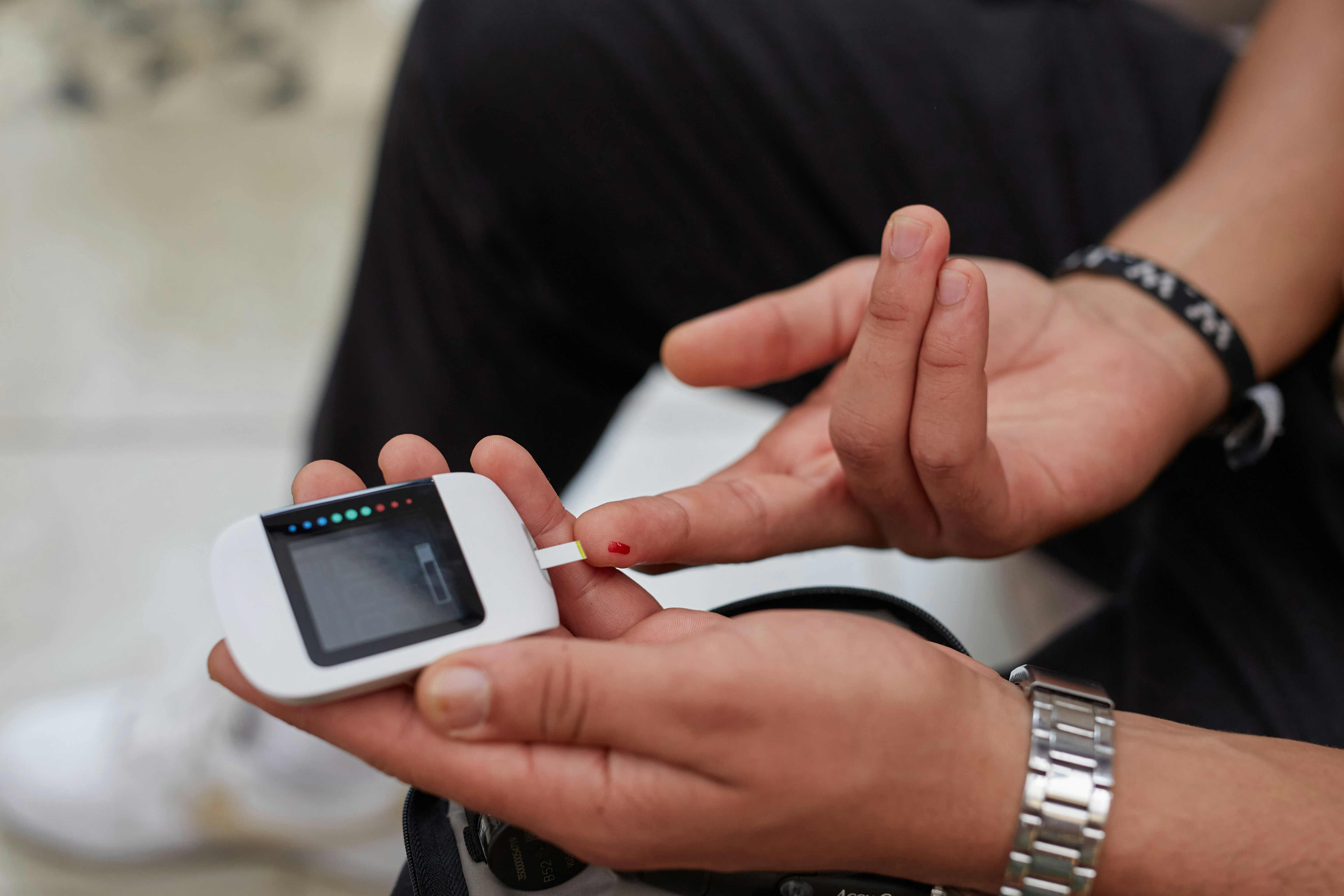
The U.S. wearable medical devices market has outgrown the simple playbook of “build a sensor, ship a device.” Globally, the wearable medical devices market was valued at roughly $110 billion in 2025 and is projected to climb from $120.7 billion in 2026 to $505.3 billion by 2034, a 20% compound annual growth rate, according to Epignosis Insights. Capturing a durable share of that growth increasingly requires treating the wearable business as three interlocking disciplines product strategy, clinical validation, and commercial expansion rather than a single engineering problem. Companies that sequence these three deliberately, rather than bolting clinical and commercial work onto a finished device, are the ones building defensible positions in this market.
Pillar one: product strategy built around segmentation, not just sensors
The first strategic decision is where a product sits on the consumer-to-clinical spectrum, and that decision should be made explicitly rather than left to emerge from engineering choices. Consumer-grade devices still account for the large majority of category revenue about 76.4% of the global wearable medical devices market in 2025, per Epignosis Insights while the strap, clip, and bracelet form factor alone holds roughly 54.5% of revenue share and is projected to keep growing fastest. That concentration matters strategically: a company chasing the mainstream volume opportunity is competing on form factor, battery life, and price, while a company aiming at the clinical segment is competing on measurement accuracy and regulatory defensibility. Few organizations can win both games with one product architecture. The more durable pattern emerging in this market is a tiered product strategy a clinically validated core platform that feeds a broader, lower-cost consumer line, so that the clinical investment amortizes across a much larger addressable base instead of sitting isolated in a niche SKU.
Pillar two: clinical validation as a design input, not a compliance afterthought
Clinical validation has become a genuine competitive differentiator rather than a regulatory checkbox. The FDA has now authorized more than 1,300 AI-enabled medical devices, with radiology accounting for over 75% of that total evidence that the agency has built real institutional muscle for evaluating algorithm-driven devices, and that the review pathway, while still rigorous, is no longer a mysterious black box for well-prepared applicants. The strategic implication is that companies should treat clinical evidence generation as a design input from day one: choosing sensors, sampling rates, and algorithms with the eventual 510(k) or De Novo submission in mind, rather than retrofitting a consumer product with validation studies after the fact. Organizations that build their evidence package alongside their product roadmap consistently reach market with a defensible claim faster than those that treat clinical work as a separate, later-stage workstream, and they arrive with data that can also support payer conversations which is where the third pillar becomes decisive.
Pillar three: commercial expansion through the reimbursement pathway
Even a well-validated device needs a commercial engine, and in 2026 that engine runs increasingly through Medicare's remote monitoring codes rather than direct-to-consumer sales alone. CMS's 2026 Physician Fee Schedule Final Rule raised reimbursement for Remote Patient Monitoring, Chronic Care Management, Advanced Primary Care Management, and Behavioral Health Integration by roughly 7% to 21%, and for the first time in five years increased payment rates for these time-based services. The rule also introduced two new billing codes that materially lower the barriers providers have complained about for years: CPT 99445, reimbursed at about $52.11, now covers device supply and data transmission for as few as two to fifteen days of readings in a month, replacing the old rule that required sixteen days of data before a device could be billed at all; and CPT 99470, reimbursed at roughly $26.05, now covers ten to nineteen minutes of clinical management time, closing the gap below the previous twenty-minute billing threshold. For device makers, this is not background policy noise it is a direct expansion of the addressable patient population, since providers can now build sustainable monitoring programs around patients with lower-frequency or shorter-duration engagement than the prior rules allowed. Companies that design their commercial strategy around this reimbursement architecture, and that equip provider partners to bill correctly against it, convert clinical validation into recurring revenue far faster than those relying on consumer retail alone.
Taken together, these three pillars describe a sequencing problem more than a technology problem. Product strategy sets the segmentation choice that everything else follows from; clinical validation, designed in from the start, produces evidence that clears both regulatory and payer bars; and commercial expansion converts that evidence into a reimbursed, scalable revenue model rather than a one-time device sale. In a U.S. wearable medical devices market moving toward half a trillion dollars in global value by the early 2030s, the winners will not simply be the companies with the most accurate sensors they will be the ones that align product, clinical, and commercial strategy into a single coherent plan from the outset.