
How Wearable Tech Data Is Quietly Becoming a Research Goldmine
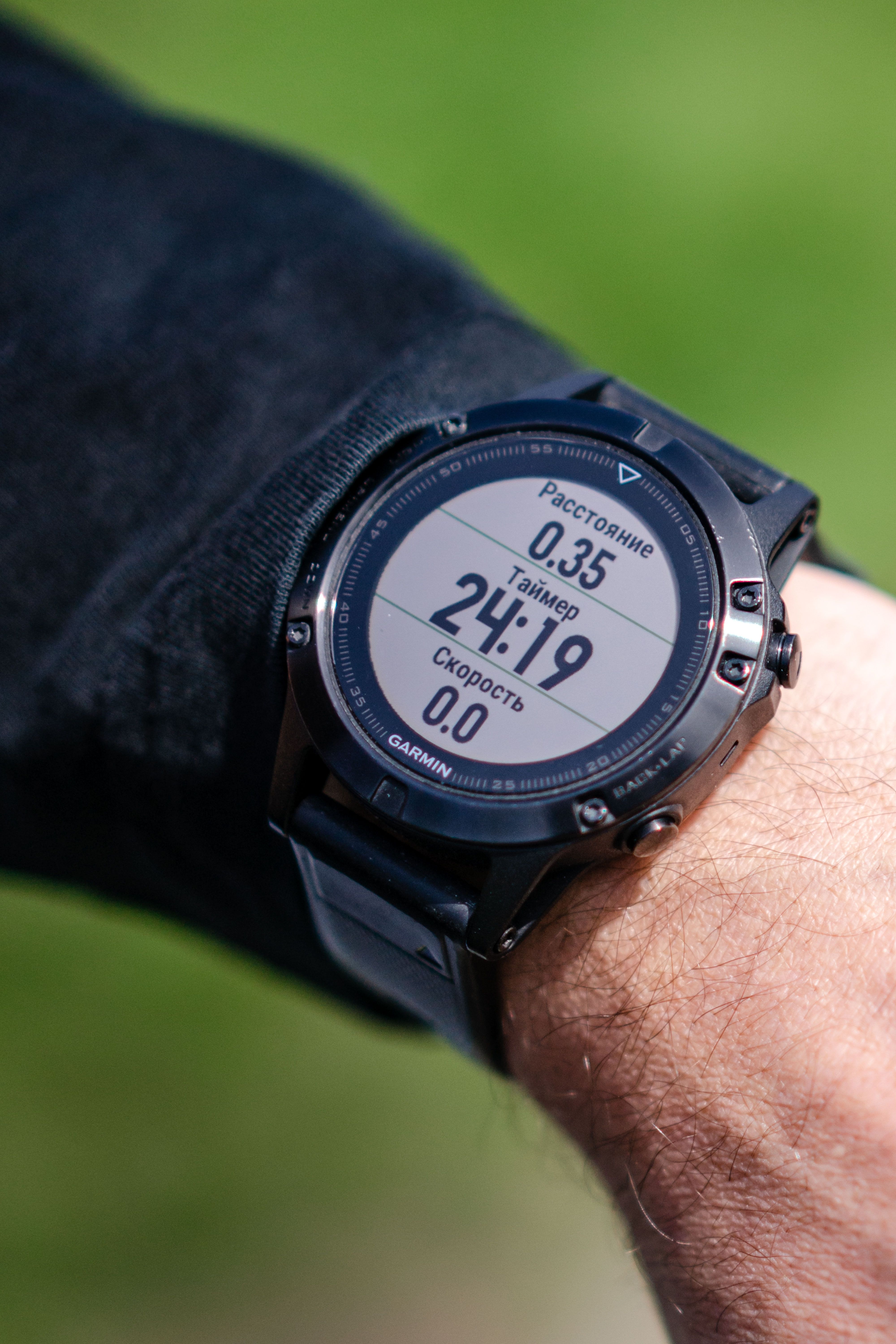
The smartwatch on your wrist was built to count steps. It has quietly turned into one of the largest instruments ever used to study the human body. Every heartbeat, sleep cycle, and oxygen reading it logs now feeds government cohorts, hospital studies, and corporate research programs that would have taken decades to assemble through traditional clinical trials. What began as a consumer convenience is now a data infrastructure that regulators, universities, and companies are actively mining.
From Step Counter to Scientific Instrument
For most of the last decade, wearables were sold on convenience: steps, calories, sleep scores. That framing has changed. The U.S. Food and Drug Administration approved 17 AI- and machine-learning-enabled wearable medical devices between 2022 and 2024 alone, concentrated in cardiovascular and anesthesiology monitoring. That approval pace signals a regulator treating wearables less as gadgets and more as diagnostic-grade instruments worth formal clinical review.
Government Agencies Are Building Population-Scale Datasets
The clearest evidence of this shift sits inside the National Institutes of Health's All of Us Research Program. Its wearables dataset, described in Nature Medicine, now contains Fitbit data from more than 59,000 participants collected over 14 years, comprising over 39 million step observations and 31 million sleep observations. Nearly half of participants who contributed device data also linked electronic health records, genomic data, and physical measurements, letting researchers connect everyday activity patterns directly to clinical outcomes rather than relying on self-reported surveys.
Separate analysis of the same program's Fitbit cohort, published in the Journal of Medical Internet Research, tracked minute-level activity data from 13,947 adults across a seven-year span to study adherence to national physical activity guidelines. This is longitudinal, objectively measured behavioral data at a scale no single hospital study could fund on its own, and it exists because a federal agency chose to treat consumer wearables as a research pipeline rather than a side channel.
Companies Are Turning Their Install Base Into Clinical Evidence
Device makers are running the same playbook internally. Apple's Heart and Movement Study, run with Brigham and Women's Hospital and the American Heart Association, has enrolled more than 250,000 participants across all 50 states, with data drawn from 15 iPhone models and 13 Apple Watch models. One published analysis in the study examined 72 million pulse-oximetry readings from 33,080 participants to map how blood oxygen varies by age, sex, and altitude.
A separate release found that participants who consistently closed their Activity rings were 48% less likely to report poor sleep quality and 73% less likely to show elevated resting heart rate compared with infrequent ring-closers. Apple has since folded this work into a broader Apple Health Study that, combined with its Women's Health and Hearing studies, spans more than 350,000 participants. No recruitment drive, in-person visit, or paper diary could produce a cohort this size this fast; the hardware already sitting on people's wrists did it passively.
What Consulting Firms and Industry Data Are Seeing
Consulting research backs up the adoption curve behind these datasets. Deloitte's Connectivity and Mobile Trends research found that roughly six in 10 U.S. households now own a smartwatch or fitness tracker, and 87% of owners use the device to track health metrics such as heart rate, sleep, and workout duration. Deloitte separately projects the global wearables and sensors market accelerating from $314 billion in 2025 to $358 billion the following year, driven largely by clinical-grade features rather than fitness novelty.
McKinsey's Future of Wellness research, surveying 5,000 consumers across the US, UK, and China, found more than 75% of respondents open to using a wearable in the future, with roughly a third of existing owners saying they now use their device more than they did a year earlier. The Consumer Technology Association, the industry body representing over 2,200 member companies, has gone as far as publishing formal technical standards defining sleep-tracking and step-counting terminology for wearable makers — a sign that the category has matured enough to need shared measurement definitions, the same way clinical instruments do.
Why This Matters Beyond the Wrist
Put together, these numbers describe something bigger than a gadget trend. A federal research program, a consumer electronics company, and two global consulting firms are independently converging on the same conclusion: continuous, passively collected wearable data now rivals purpose-built clinical studies in scale and, in some cases, in scientific rigor. For researchers, it means access to cohorts in the hundreds of thousands without the years of recruitment that traditional trials require. For companies, it means every device sold is also a data point volunteered. The step counter never stopped being a step counter — it just quietly became a research instrument millions of people carry into their labs, hospitals, and daily lives without ever setting foot in one.