
Sustainable Materials Replacing Traditional Plastics
The plastics-alternatives conversation has a credibility problem. Every year brings a new headline material, mushroom leather, seaweed film, algae resin, and every year most of them stall somewhere between a pilot line and a retail shelf. The honest way to evaluate this space is not to ask whether a material can technically replace plastic. It is to ask whether it can replace plastic at the volume, cost, and performance a real supply chain requires. Looked at that way, the picture in 2026 is more interesting, and more mixed, than the marketing suggests.
Recycled PET is winning on emissions, not yet on price
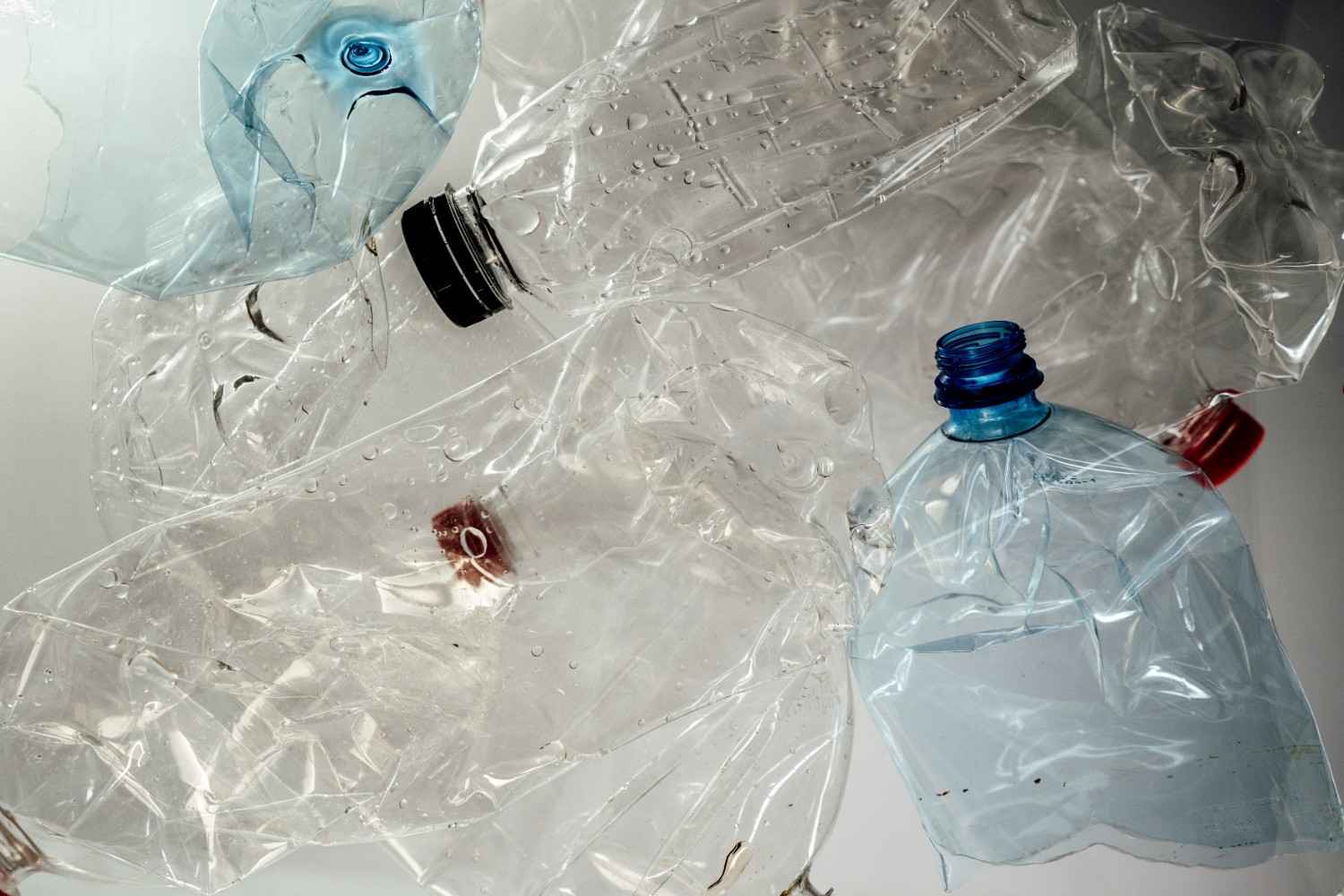
Recycled PET is the closest thing this category has to a mainstream success, because it does not ask converters to retool their lines. It runs through the same equipment as virgin PET. The emissions case is strong: producing rPET generates roughly 0.45 kilograms of CO2 per kilogram of material, against 2.15 kilograms for virgin PET, a reduction of about 79%. But the economics are counterintuitive. As of early 2026, virgin PET resin has been trading at roughly $0.55 to $0.75 per pound, while food-grade rPET runs $0.65 to $0.90 per pound, because demand from brands chasing recycled-content mandates is outrunning the supply of clean, collected bottle stock. Recycled is currently the more expensive choice in much of the market, which is the opposite of what most buyers assume.
CASE STUDY — Beverage industry rPET adoption
A 2024 survey found 79% of younger consumers actively seek out sustainable packaging, and 72% said they would pay a 5 to 10% premium for products in rPET packaging. That consumer pull has moved through to procurement: 58% of food and beverage companies now say they prioritize rPET in packaging redesigns, even while paying more for it than virgin resin. The lesson is that the business case for recycled plastic today is being built on brand and regulatory pressure, not on a cost advantage, which is a fragile foundation until collection infrastructure catches up with demand.
Agricultural waste materials are the quiet volume story
Bagasse, the fibrous leftover from sugarcane processing, gets far less attention than lab-grown materials, but it is already displacing polystyrene at meaningful scale in food packaging.
It composts in around 60 days, tolerates hot and cold food equally well, and uses a waste stream that already exists in large volumes across Asia and Latin America, so it does not compete with food production the way some bio-based plastics do.
CASE STUDY — Bagasse packaging in quick-service restaurants
The global bagasse packaging market was valued at $4.2 billion in 2024. A study by the Sustainable Food Service Packaging Committee that year found that fast-food chains switching from polystyrene to bagasse-based containers cut their waste management costs by 20%, because bagasse is accepted by more municipal composting and organic-waste programs than polystyrene, which most facilities cannot process at all. That operating-cost reduction, not the sustainability messaging, is what has driven the fastest adoption.
Novel biomaterials are real, but still priced like specialty chemicals
Mycelium packaging and seaweed-based films represent the more experimental end of the category, and their trajectory looks more like early-stage materials science than a packaging swap. Ecovative Design has been supplying mycelium-based protective packaging to electronics and food brands since scaling operations in 2024, but production volumes remain small relative to foam and polystyrene. Seaweed materials are earlier still, dependent on outside capital to get from lab to commercial line.
CASE STUDY — Kelpi and the L'Oréal accelerator
In 2026, seaweed-packaging startup Kelpi was selected from nearly 1,000 applicants worldwide for L'Oréal's Sustainable Innovation Accelerator programme, part of a broader $115 million push by the Plastic Pollution Coalition's member network into biomaterial packaging replacements. The selection matters less for the funding amount than for what it signals: a major consumer goods company is willing to co-develop a seaweed-based material through its own supply chain rather than wait for the material to arrive at commercial maturity on its own. That kind of anchor customer is usually what separates a material that scales from one that stays a demo.
Where mass-market claims outrun reality
Not every sustainability commitment survives contact with its own supply chain, and this category has a genuine transparency problem worth naming directly rather than glossing over.
CASE STUDY — LEGO's renewable plastic target
In 2023, LEGO set a target to source 50% of its brick plastic from renewable materials by 2026. As of early 2026, roughly 78% of its bricks were still made from fossil-based plastic, down only modestly from 88% in 2023, despite the company testing more than 600 alternative materials and paying up to 70% more for certified renewable resin. Much of the reported progress relies on a supply-chain accounting method called mass balance, which lets a batch of bricks made mostly from fossil plastic carry a renewable-content claim if renewable material was purchased anywhere in the same production pool. Critics, including the nonprofit Beyond Plastics, have argued this overstates what is actually inside any given brick. LEGO's experience is a useful corrective: even a company spending hundreds of millions of dollars a year on the problem has found that swapping a durable, precision-molded plastic is far harder than swapping a flexible film or a single-use container.
The pattern across all of these examples is consistent. Materials that fit into existing infrastructure, recycled PET, bagasse, are scaling fastest, even where the economics are still unfavorable. Materials that require new supply chains, mycelium, seaweed, need an anchor customer willing to co-invest before they can compete on cost. And materials being asked to replace rigid, high-performance plastic, like LEGO's bricks, are moving slower than any announcement suggests. The companies making real progress are the ones being specific about which of these three categories they are actually in.