
Green Ammonia: The Fertilizer Industry’s Decarbonization Challenge
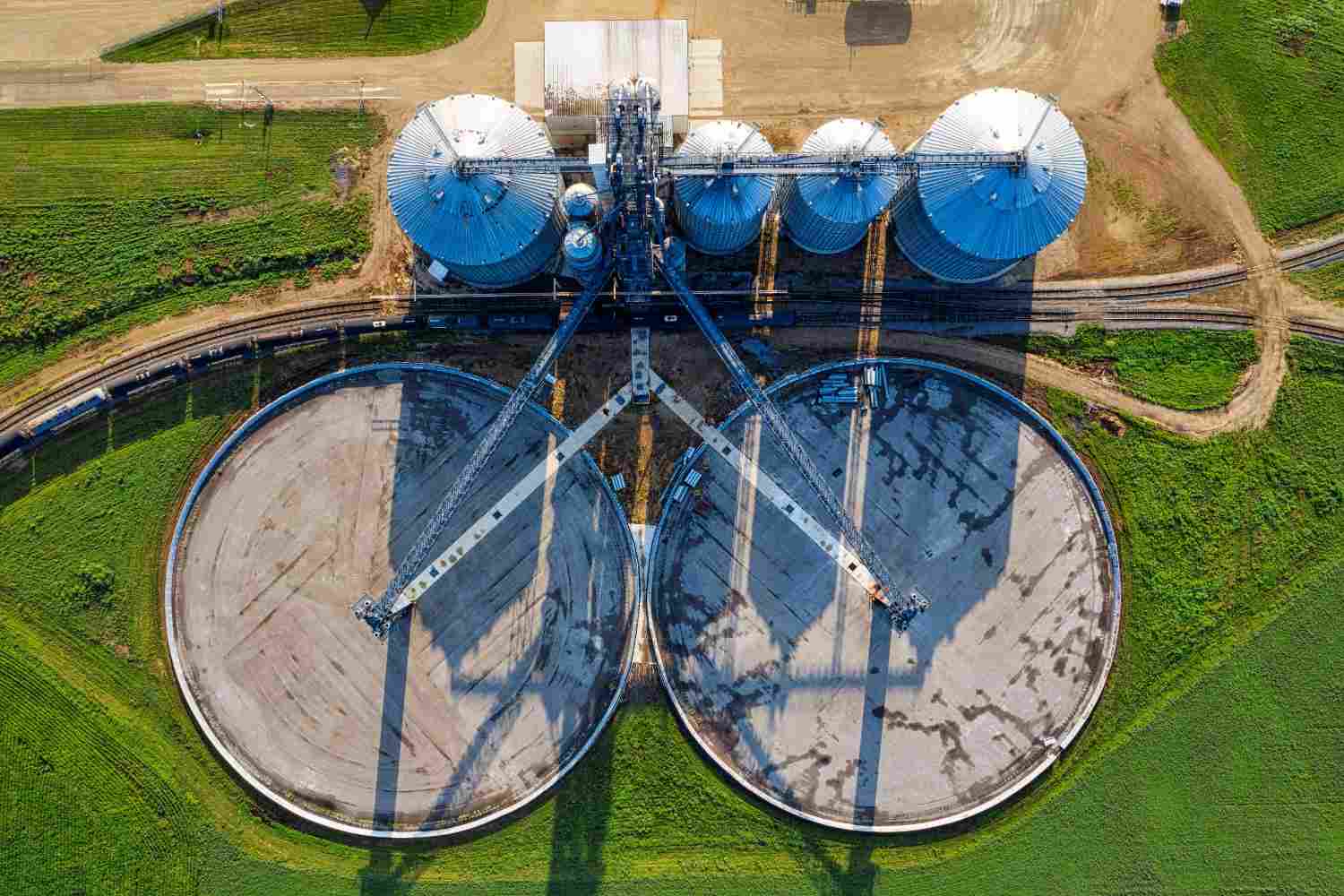
Ammonia is the chemical backbone of nitrogen fertilizer, and it is also one of heavy industry’s most carbon-intensive molecules. Replacing fossil hydrogen with electrolytic hydrogen is chemically straightforward: the Haber-Bosch loop does not care where its hydrogen comes from. The obstacles are economic and commercial. Who pays the premium, who signs a ten-year offtake contract, and which governments will turn embedded carbon into a real cost? The answers are now emerging, unevenly, across markets.
The Scale of the Emissions Problem
A Molecule Dirtier Than Steel
The International Energy Agency puts direct emissions from ammonia production at around 450 Mt CO₂ a year, a footprint the agency equates to South Africa’s entire energy system. At roughly 2.4 tonnes of CO₂ per tonne of product, ammonia is nearly twice as emissions-intensive as crude steel and four times as intensive as cement on a direct basis.
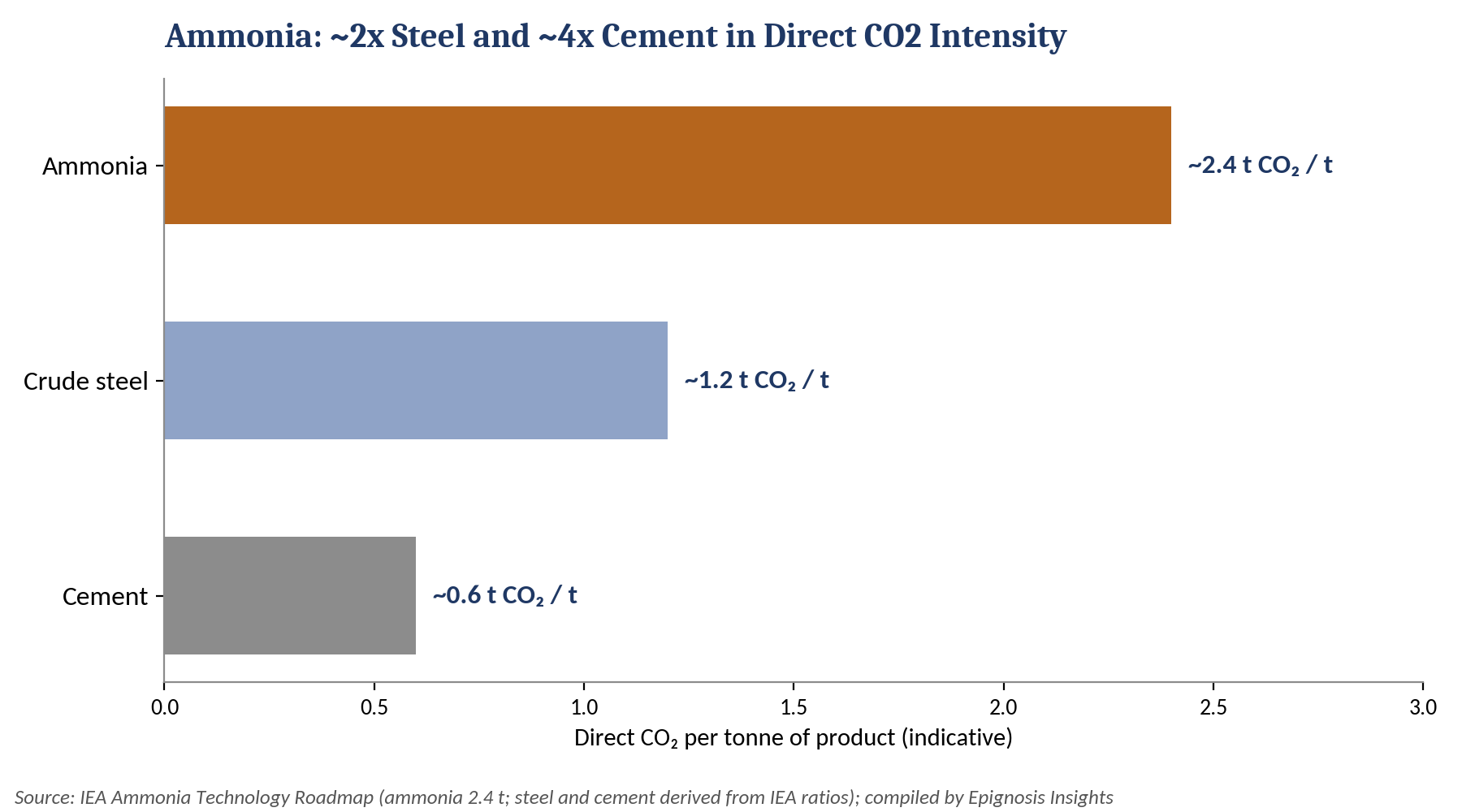
Figure 1: Direct CO₂ intensity, ammonia versus steel and cement
Where the Carbon Sits
Almost all of that carbon originates in making hydrogen through steam methane reforming or coal gasification, not in the nitrogen synthesis itself. That makes the decarbonization lever unusually concentrated: change the hydrogen source and most process emissions disappear, whether through renewable electrolysis (green) or fossil reforming with carbon capture (blue).
The catch is scale: a green plant needs large volumes of firm, low-cost renewable power and storage to keep a synthesis loop that prefers steady operation running around the clock, which pushes the best projects toward regions with exceptional solar and wind resources.
The Cost Gap That Stalls Adoption
Production Premiums Versus Willingness to Pay
The World Economic Forum’s Net-Zero Industry Tracker, produced with Accenture, estimates that low-emission production raises costs by 40% to more than 120% depending on route and region, and that low-emission ammonia still makes up less than 1% of global supply. Against that, the Hydrogen Council’s November 2025 roadmap argues scale-up needs buyer premiums of 20–40%, and that because fertilizer is a small slice of retail food costs, switching would lift food prices by only 1–3%. The gap between what green molecules cost and what buyers will pay remains the core bottleneck.
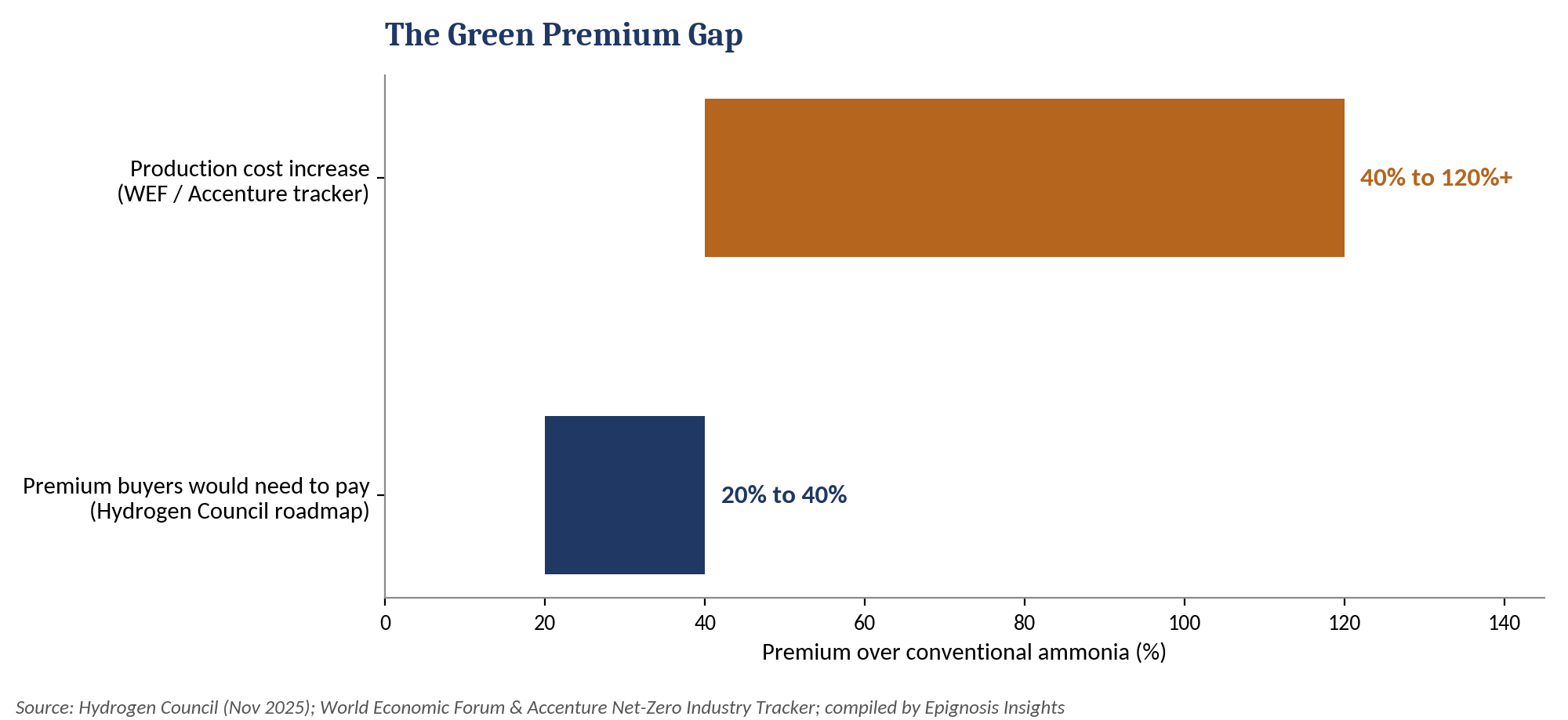
Figure 2: Required buyer premium versus production cost increase
Projects Sliding Right
Developers are feeling that gap. S&P Global Commodity Insights reported that Fertiglobe pushed the investment decision on its 100 MW Ain Sokhna green ammonia project in Egypt beyond the first half of 2025 and trimmed its low-carbon pipeline from four projects to three, with its CEO saying demand “is delayed.” Argus Media reported that North Ammonia paused its 150,000 t/yr Eydehavn plant in Norway, which had targeted a 2025 decision, citing insufficient political backing.
Where Policy Is Moving the Needle
India’s Auction Benchmark
India has taken the opposite approach: guarantee the buyer first. Solar Energy Corporation of India ran 13 auctions under the SIGHT scheme for 724,000 t/yr of green ammonia supplied to fertilizer plants on ten-year contracts. Winning tariffs started at ₹49.75 per kg, giving the industry a public, contract-backed price benchmark that most merchant markets still lack. The design matters as much as the price: a state intermediary signs with producers and fertilizer units on both sides, removing the counterparty risk that has stranded projects elsewhere. Lenders can underwrite a ten-year payment stream in a way they cannot underwrite a memorandum of understanding.
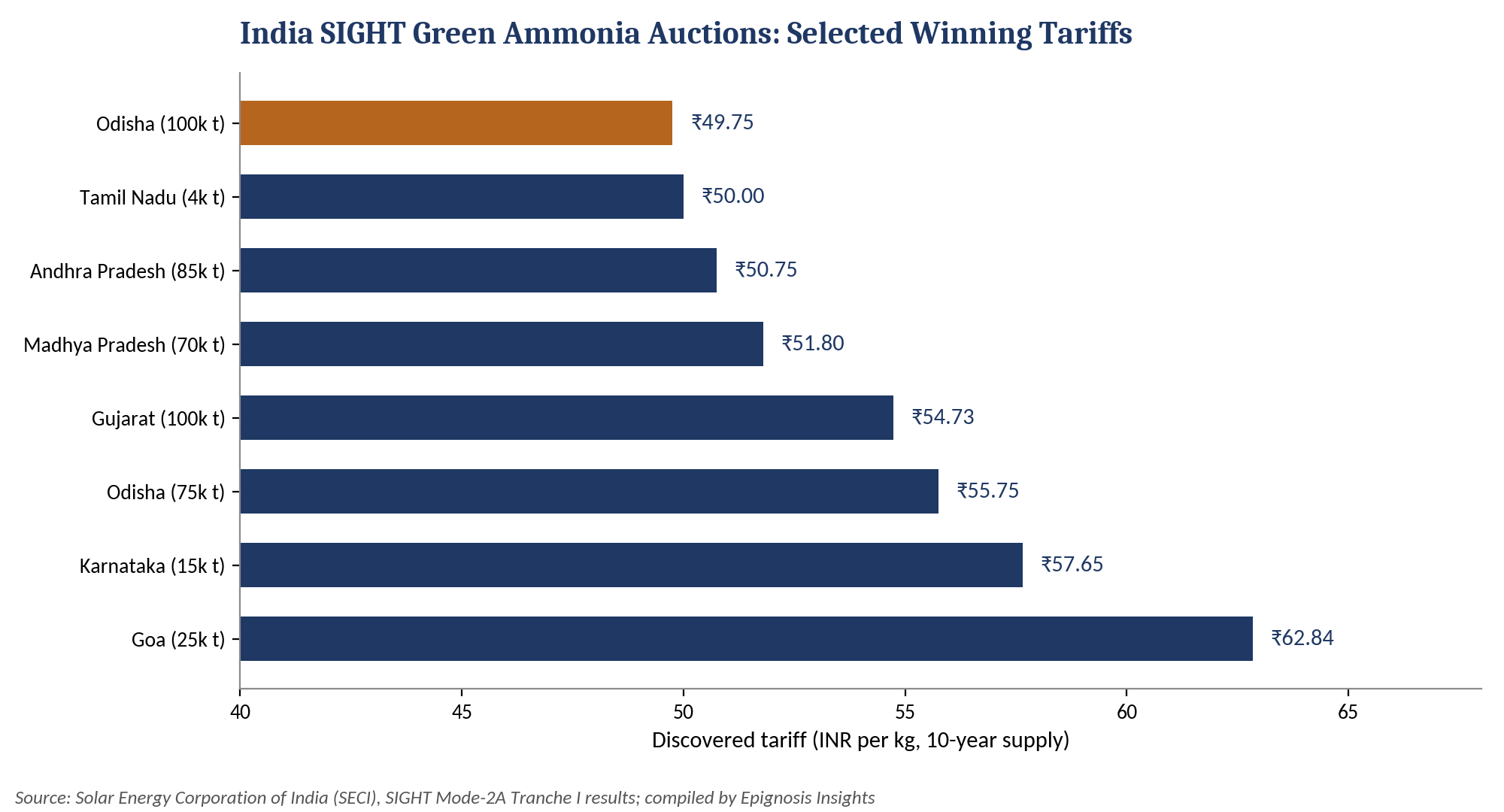
Figure 3: Selected SECI green ammonia auction results
Europe’s Carbon Border
The European Commission’s Carbon Border Adjustment Mechanism, which covers fertilizers, entered its definitive phase on 1 January 2026, meaning importers must now pay for emissions embedded in goods entering the EU. For exporters of conventional nitrogen products, grey ammonia’s carbon footprint has become a line item on the invoice rather than a reputational footnote. Producers with lower-carbon supply chains now have a measurable price advantage when selling into one of the world’s largest import markets, which strengthens the investment case for retrofits at export-oriented plants.
How Incumbents Are Responding
Yara International’s 2025 Sustainability Report shows Scope 1 and 2 emissions of 15.3 Mt CO₂e, down from 16.1 Mt in 2024, against 7.07 Mt of ammonia produced, while the company works toward an absolute cut of more than 30% by 2030. Progress at incumbents is coming mainly from efficiency gains and carbon capture at existing plants, with electrolysis added in staged retrofits rather than greenfield megaprojects.
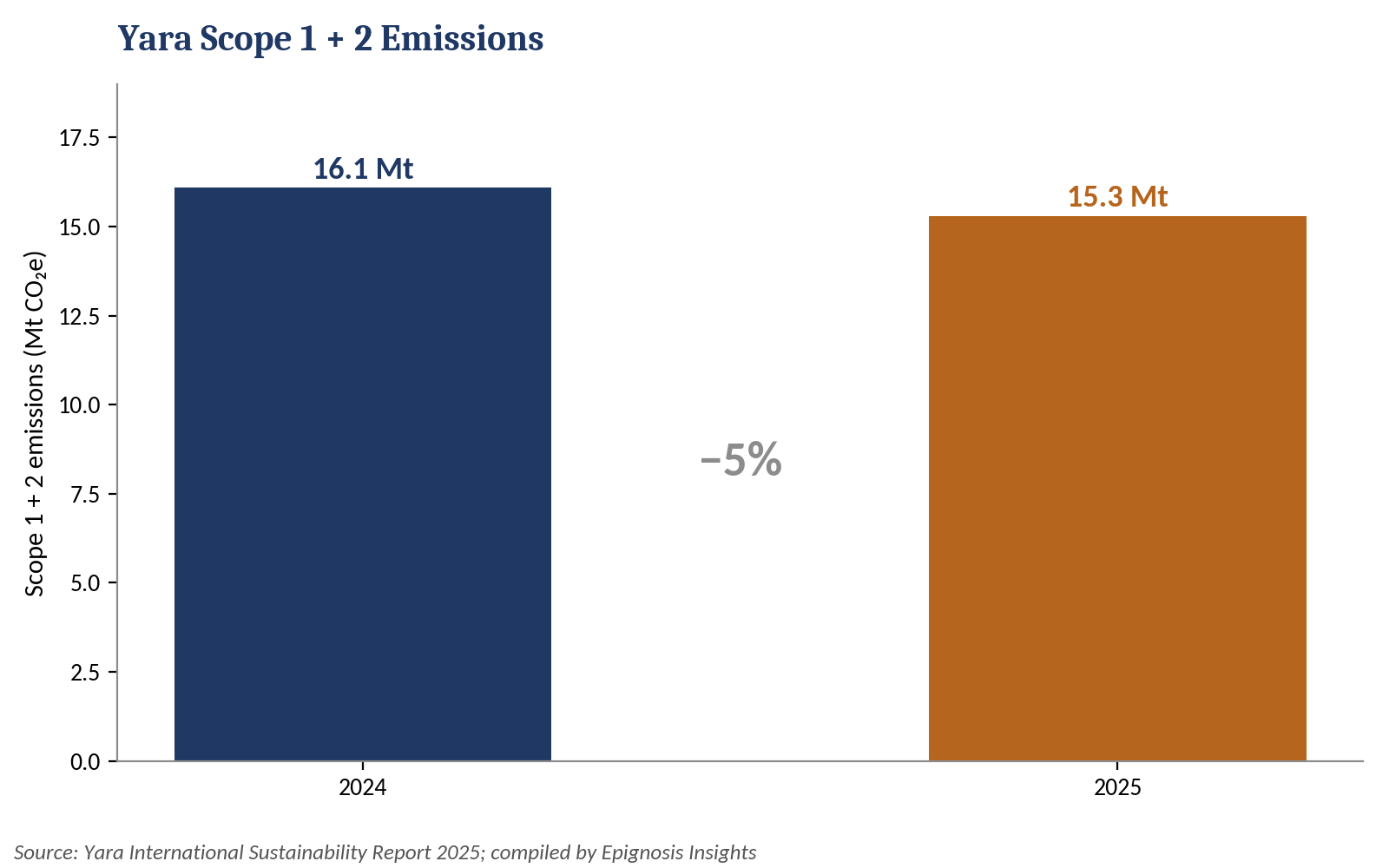
Figure 4: Yara Scope 1 + 2 emissions, 2024–2025
The Epignosis Insights View
Three implications stand out. First, near-term green volumes will flow through policy-backed procurement such as India’s auctions, not open merchant markets. Second, blue ammonia is likely to carry most early abatement in gas-rich regions because its premium sits at the lower end of the cost range. Third, signed offtake, not electrolyzer cost, has become the binding constraint, so producers that lock in fertilizer buyers first will set the industry’s pace. For fertilizer buyers, the practical step is to begin carbon accounting at the product level now, because border levies and supplier contracts will increasingly price emissions tonne by tonne.