
Automotive-Grade Semiconductors: Why Reliability Standards Are So Different

A smartphone processor that fails after three years is an inconvenience. A brake-control microcontroller that fails after three years is a recall, a liability case and potentially a fatality. That difference in consequence explains why automotive-grade semiconductors are engineered, tested and sourced under rules that look almost alien to the consumer electronics world. The distinction is not marketing language; it reshapes cost structures, supplier relationships and how quickly the industry can respond when supply breaks.
A Different Definition of “Working”
The Temperature Envelope
The Automotive Electronics Council (AEC), the industry body behind the AEC-Q100 qualification standard for integrated circuits, defines four ambient temperature grades. Grade 0 parts must operate from −40°C to +150°C, the envelope for engine-mounted and exhaust-adjacent electronics, while Grade 1 covers −40°C to +125°C. Commercial chips are typically specified from 0°C to +70°C. A Grade 0 device therefore has to function across a 190-degree span, roughly 2.7 times the commercial window, while also absorbing vibration, humidity and thousands of thermal cycles.
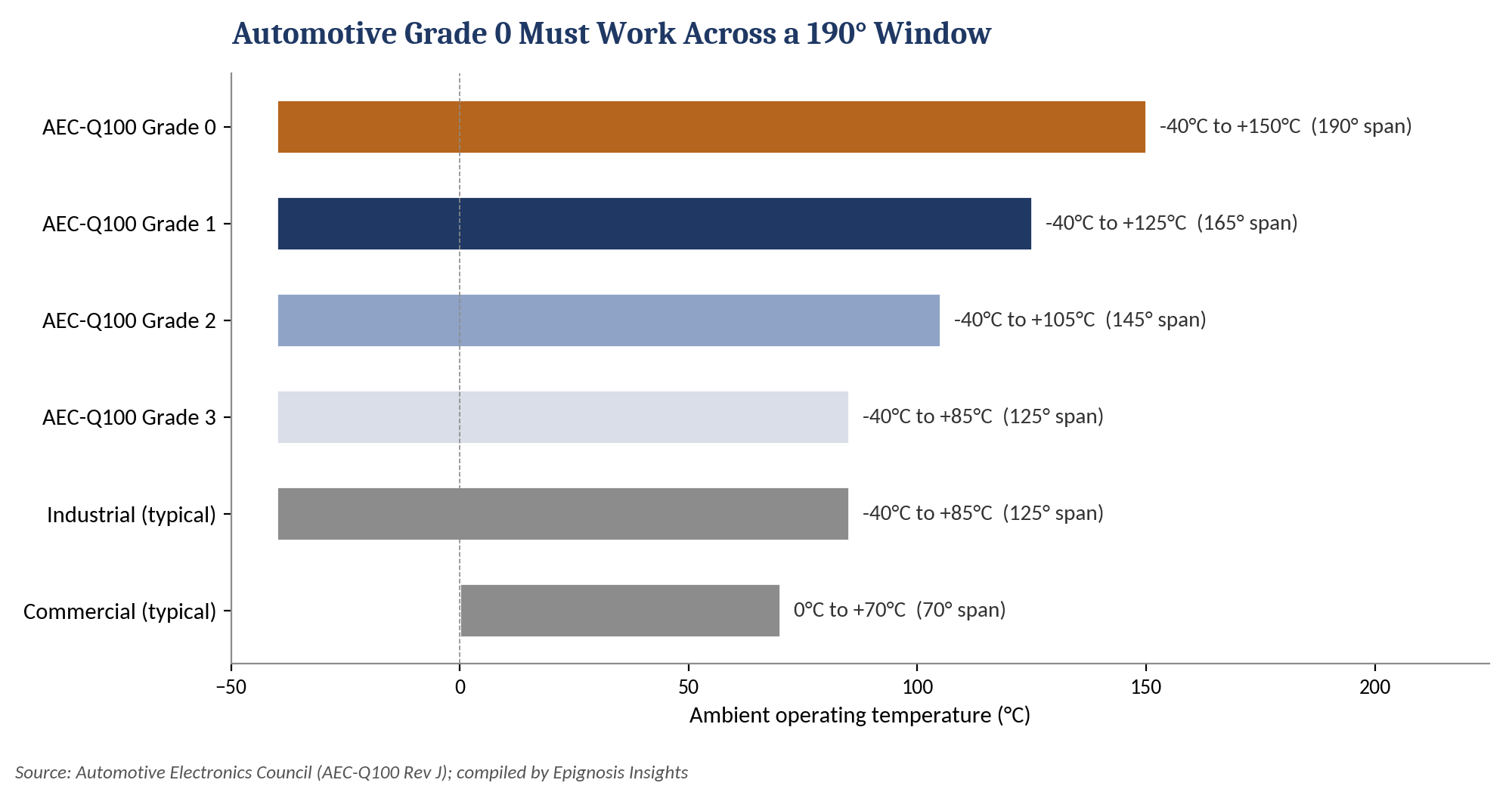
Figure 1: Ambient operating ranges by qualification grade
Lifetime and Defect Expectations
Consumer devices are designed around replacement cycles of a few years. Vehicles routinely stay on the road for 15 years or more, and their electronics must survive that span without drift that compromises a safety function. Suppliers therefore run zero-defect programmes in which every field return is traced to root cause and fed back into the fab, the test flow and the screening limits for the next lot.
Qualification Is a Moat, Not a Checkbox
Stress Testing Under AEC-Q100
AEC-Q100 is a failure-mechanism-based stress suite rather than a simple pass mark. Typical requirements include 1,000 hours of high-temperature operating life at the grade’s maximum temperature and temperature cycling across the full range, run on multiple production lots. Any change to fab site, assembly material or process can trigger requalification, which is why automotive product change notices are long, slow and closely scrutinised by tier-one suppliers.
Functional Safety Layers On Top
Qualification proves a part survives; ISO 26262 asks whether the system stays safe when it does not. For ASIL D, the highest automotive safety integrity level, the International Organization for Standardization’s framework targets a random hardware failure rate below 10 FIT, meaning fewer than ten failures per billion device-hours, along with single-point fault coverage of at least 99%. Chips for braking, steering and airbag control therefore carry lockstep cores, error-correcting memory and built-in self-test logic that would be wasted silicon in a laptop.
When Reliability Rules Meet Supply Shocks
The 2021 Inventory Collapse
Rigorous qualification makes supply chains brittle. The U.S. Department of Commerce’s survey of more than 150 companies found that median buyer inventory of hard-to-source chips fell from 40 days in 2019 to fewer than five days in 2021, with legacy logic and analog parts used in cars among the most acute gaps. Automakers could not substitute a commercial equivalent: anything unqualified was simply off the table.
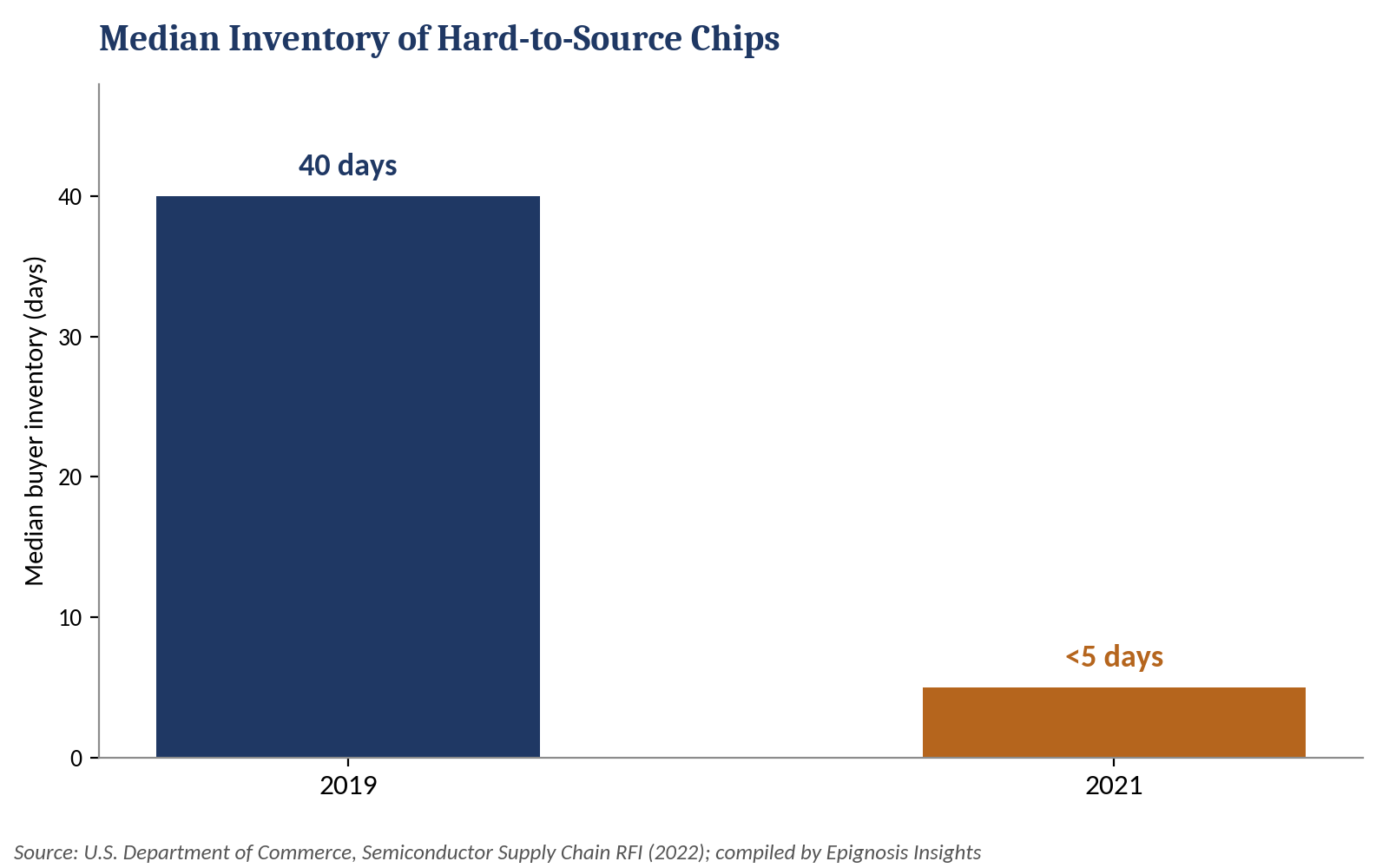
Figure 2: Median buyer inventory of hard-to-source chips
Nexperia and the Requalification Trap
The pattern repeated in October 2025. Reuters noted that Nexperia, with roughly $2 billion in annual sales, makes basic transistors and diodes that cost only a few cents each, yet the dispute over its control threatened vehicle output worldwide. The European Automobile Manufacturers’ Association (ACEA) warned that remaining stocks would last only a few weeks, while homologating new suppliers would take several months. That weeks-versus-months mismatch is a direct product of automotive reliability rules.
Why Chipmakers Still Chase the Segment
Revenue Concentration
Despite the burden, qualification creates sticky, long-lived revenue. Infineon’s fiscal 2025 annual report shows its Automotive segment generated €7.40 billion, about 50% of group revenue of €14.66 billion. NXP’s full-year 2025 results show automotive revenue of $7.12 billion against total revenue of $12.27 billion, roughly 58%. Once a part is designed into a vehicle platform, it typically ships for the life of that platform and then for years as a service spare.
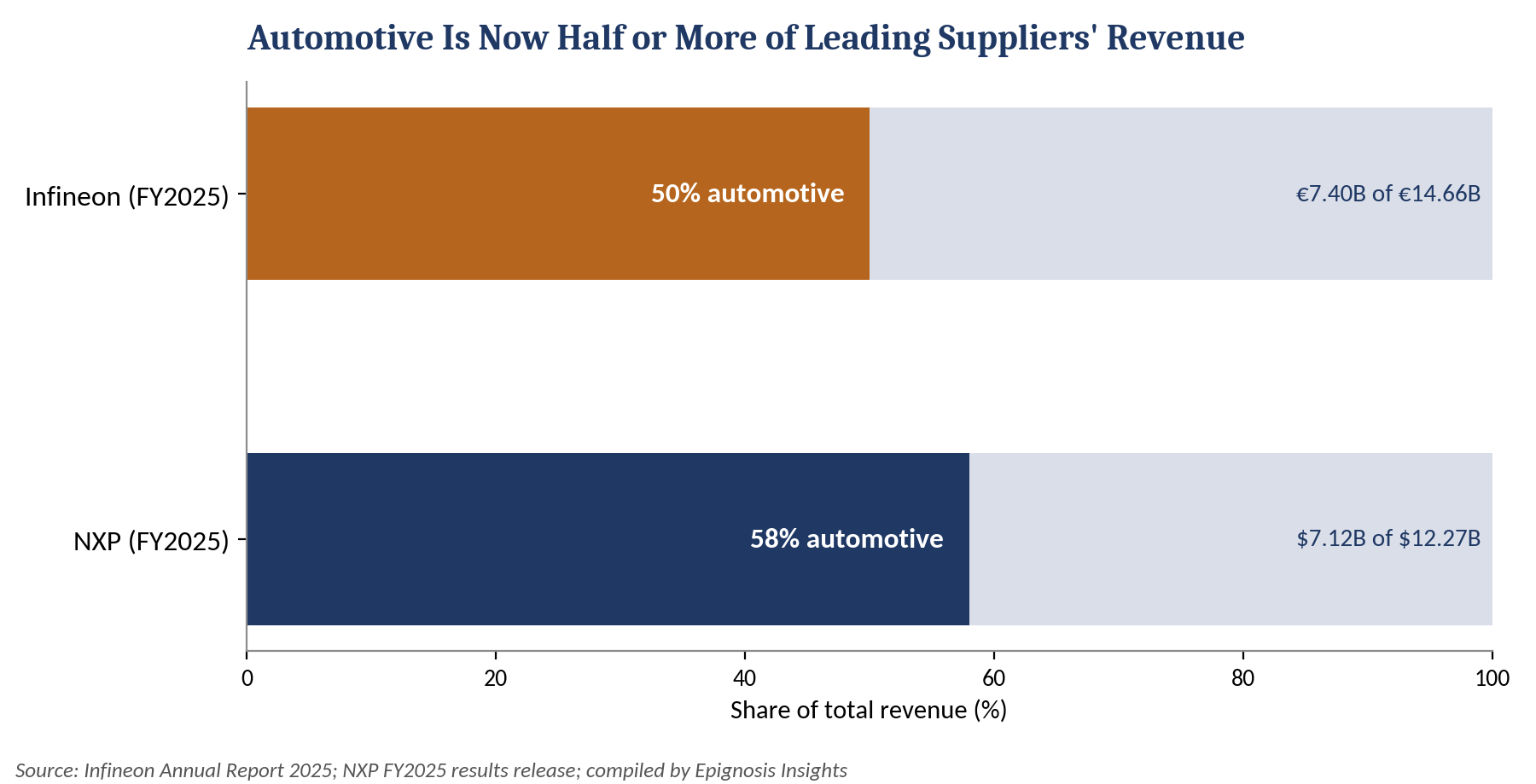
Figure 3: Automotive share of FY2025 revenue
Demand Share Is Climbing
McKinsey estimates automotive accounted for about 8% of global semiconductor demand in 2021 and projects 13–15% by 2030, driven by electrification and driver assistance. As zonal architectures and centralised compute pull advanced-node chips into vehicles, reliability engineering must stretch to process technologies never originally designed for 15-year, high-temperature duty.
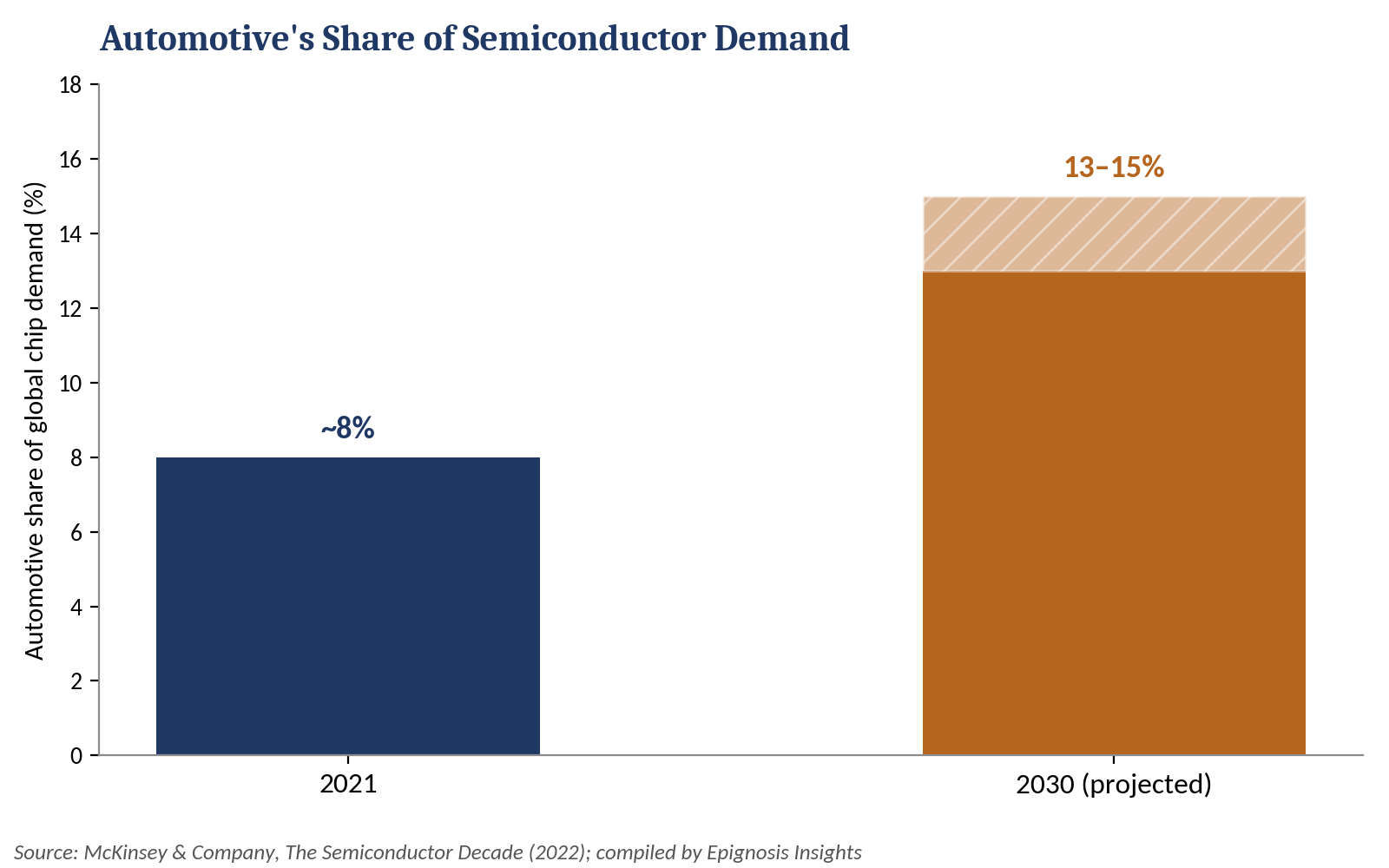
Figure 4: Automotive share of global semiconductor demand
The Epignosis Insights View
Three implications stand out for buyers and investors. First, qualification cost is a barrier to entry that protects incumbents’ margins more durably than process technology alone. Second, dual-sourcing must be planned at design-in, because qualifying a second source after a disruption takes longer than inventories last. Third, as vehicles adopt advanced nodes, closing the gap between consumer and automotive reliability assumptions will become the segment’s defining engineering challenge.