
How a Legacy Brand Rebuilt Trust After a PR Crisis
Background: A Dominant Legacy Brand
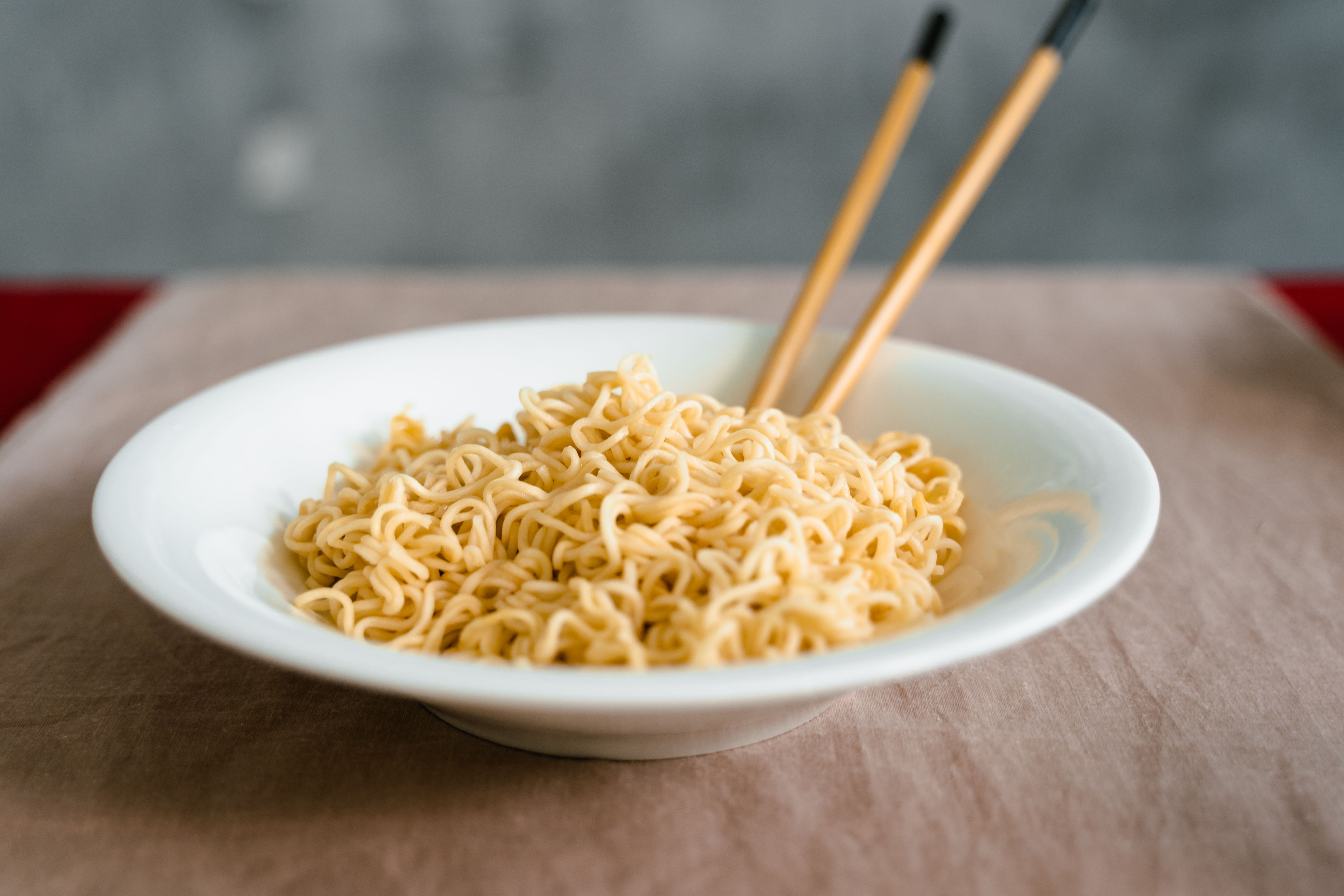
Maggi noodles had been part of Indian kitchens since 1983, and by 2015 the brand commanded roughly 70% share of India's instant noodles category, then valued at over USD 500 million, according to reporting cited in a peer-reviewed food-policy study published via PMC (National Institutes of Health repository). That dominance made the brand's near-total collapse in mid-2015 one of the most closely tracked corporate trust failures in Indian consumer-goods history, and its recovery over the following eighteen months remains a reference point for crisis communication and regulatory-compliance strategy.
The Crisis: Regulatory Action and Market Collapse
What Triggered the Recall
In April 2015, the Uttar Pradesh Food Safety and Drug Administration flagged lead levels above the permissible limit in a tested Maggi batch. By 2 June 2015, a referral government laboratory in Kolkata confirmed elevated lead content and detected monosodium glutamate (MSG) despite a 'No Added MSG' claim on the packaging, a direct violation of India's food-labelling regulations, as documented in Nestlé India's own published crisis timeline. The Delhi government imposed an initial 15-day ban, and within days Gujarat, Tamil Nadu, Telangana, Uttarakhand, and Jammu & Kashmir followed with state-level bans.
The FSSAI Order and Nationwide Withdrawal
On 5 June 2015, the Food Safety and Standards Authority of India (FSSAI) the central government regulator ordered the recall of all nine approved Maggi variants nationwide, officially classifying the product as 'unsafe and hazardous for human consumption,' and simultaneously barred the unapproved 'Maggi Oats Masala Noodles' variant. Nestlé India withdrew the product from the entire domestic market the same day. The financial toll was immediate and severe: the company reported destroying stock worth approximately Rs 320 crore, comprising close to Rs 210 crore of trade inventory and Rs 110 crore held in factories and distribution centres, according to disclosures reported by Deccan Herald. Separately, Business Standard reported Nestlé India recorded a quarterly loss of Rs 64.4 crore for the three months ending 30 June 2015, its first loss in decades, while the company's BSE-listed shares fell over 9% in a single trading session in early June.
The Recovery Strategy
Judicial and Scientific Validation
Nestlé India challenged the ban through a judicial review. In August 2015, the Bombay High Court set aside the FSSAI's recall order and directed that preserved samples be independently tested at three NABL-accredited laboratories in Hyderabad, Mohali, and Jaipur. Clearance from this court-mandated, third-party testing process rather than the company's own assurances became the evidentiary basis for relaunch, a distinction that consulting-firm crisis-management analyses have repeatedly identified as central to rebuilding institutional trust after a regulatory-driven recall.
Leadership Change and Relaunch
Nestlé India appointed Suresh Narayanan as Chairman and Managing Director during the crisis, and the company relaunched Maggi noodles on 9 November 2015 after roughly five months off the shelves. The relaunch combined corrected labelling, renewed safety certification communicated transparently to retailers and consumers, and a large-scale trade and marketing push to restore distribution, which had collapsed to near zero during the ban.
Measuring the Recovery
The results were unusually fast for a category-defining recall. Narayanan stated in the company's Q1 FY16 investor update, reported by Business Standard, that Maggi had already reclaimed category leadership with over 50% market share within five months of relaunch. Nestlé India's own quarterly results, however, showed the cost of that recovery: net profit for the quarter fell 19.13% year-on-year to Rs 259 crore, and Reuters reported this missed analyst estimates of roughly Rs 287 crore, underlining that reputational recovery preceded full financial recovery. Momentum continued through 2016: market share climbed from about 55% in June 2016 to roughly 60% by year-end, and Nestlé India's full-year 2016 turnover reached USD 1.4 billion, up nearly 13% over 2015, though margins stayed compressed by elevated marketing spend. A longer-term academic study published in the journal Q Open, summarized by Food Safety News, found that despite this share recovery, urban household purchase volumes remained below pre-crisis levels for at least two years, showing that headline market-share figures understated the durability of consumer caution.
Key Lessons for Legacy Brands
- Independent, court-mandated or third-party testing carries more credibility with regulators and consumers than a company's internal safety assurances.
- Speed of factual compliance (recall, destruction of stock, corrected labelling) matters more for long-term trust than defending the original claim.
- Market-share recovery and consumer-behaviour recovery move at different speeds; purchase volumes can lag headline share figures by years.
- Leadership visibility a named executive taking public ownership of the relaunch is consistently associated with faster stakeholder confidence rebuilding.