
Beyond the Sip: Usage & Attitude Research Decoding the Global Functional Beverages Market
Sales volumes tell us what consumers bought, but Usage & Attitude (U&A) Research tells us why, and that distinction is the entire premise behind this analysis of the Global Functional Beverages Market. U&A research systematically maps how often consumers reach for functional beverages, which occasions trigger purchase, what beliefs shape their formulation preferences, and where loyalty quietly shifts from one health claim to the next before it ever shows up in sales data.
Read our Global Functional Beverages Market report for detailed market sizing, growth projections, and competitive insights.
For a category moving from 88,000 million litres in 2025 toward a projected 111,161 million litres by 2033, understanding this behavioral layer matters enormously, since functional beverages compete not on thirst alone but on a complex bundle of health claims, convenience expectations, and ingredient trust that traditional beverage categories rarely had to navigate. Manufacturers, ingredient suppliers, and retailers engaged with the Global Functional Beverages Market increasingly rely on U&A findings to decide which health claims to feature, which formats to prioritize, and which consumer segments offer the most durable long-term demand.
Research Design: Sampling Framework and Survey Methodology
The U&A research underpinning this analysis combined a large-scale quantitative consumer survey with structured qualitative interviews across the ten leading countries that together account for 76.8% of the Global Functional Beverages Market, alongside a broader sample capturing emerging-market consumption patterns. Quantitative fieldwork captured usage frequency, purchase occasion, format preference, and stated attitudes toward functional claims, sugar content, and ingredient transparency, while qualitative interviews with heavy category users and recent category entrants explored the underlying motivations that quantitative scales alone cannot fully surface.
Respondents were screened to ensure meaningful category engagement, distinguishing regular functional beverage consumers from occasional or aspirational buyers, so that findings reflect genuine usage behavior rather than general population sentiment toward wellness trends. Quotas were balanced across generational cohort, income band, and urban tier to capture the full range of behavior within the Global Functional Beverages Market, from established hydration and sports nutrition users to the rapidly growing cognitive wellness and adaptogen-curious consumer base. This design allows the findings that follow to be read as representative of actual category behavior rather than aspirational interest in functional health claims.
Learn how Japan's market maturity is creating new innovation opportunities.
Usage Frequency and Occasion Mapping Across Consumer Groups
Usage frequency data confirms that functional beverages have moved well beyond occasional indulgence for a substantial share of consumers within the Global Functional Beverages Market, with regular consumption now a mainstream behavior among younger demographics in particular. In the United States, 80% of Gen Z and 75% of Millennials report regularly consuming functional beverages, a striking penetration level that confirms this category has become embedded in daily routines rather than reserved for occasional wellness experimentation.
Ready-to-drink formats dominate usage occasions, preferred by 72% of consumers surveyed for this U&A research, reflecting the premium these consumers place on convenience and immediate consumption over powders, concentrates, or tonics that require preparation. Hydration-focused beverages account for the largest single usage occasion at 57% of stated consumer preference, spanning office workers and athletes alike, while protein beverages follow closely at 49%, driven by meal supplementation and post-workout recovery occasions. This usage pattern confirms that while cognitive wellness and adaptogen-based beverages attract considerable attention, the foundational usage occasions within the Global Functional Beverages Market remain anchored in hydration and protein-based functional need states.
Explore the impact of Europe's sugar reduction regulations on beverage formulation.
Purchase Drivers: Functional Efficacy, Sugar Content, and Transparency
Purchase-driver data from this U&A research reveals a clear hierarchy of attitudes shaping consumer decisions within the Global Functional Beverages Market, led decisively by functional efficacy rather than flavor or brand alone. Sixty-eight percent of consumers surveyed prioritize functional health benefits when selecting a beverage, the single strongest attitudinal driver identified in this research, ahead of sugar content and ingredient transparency, both of which nonetheless remain highly influential secondary considerations. Sixty-three percent of consumers actively seek low- or no-sugar formulations, a finding consistent with the broader sugar-reduction reformulation trend documented elsewhere in this report, while 61% consider ingredient transparency before purchasing, reflecting growing consumer skepticism toward vague or unsubstantiated wellness marketing. Notably, 46% of consumers report willingness to pay a premium specifically for beverages containing clinically validated functional ingredients, a meaningful minority that manufacturers can target with science-backed positioning even though it does not yet represent majority behavior across the Global Functional Beverages Market. Cognitive wellness beverages, while still an emerging category, already attract 36% consumer interest in adaptogen- and nootropic-based formulations, a figure this U&A research finds is disproportionately concentrated among younger, urban consumers actively engaged with mental wellness as a purchase criterion.
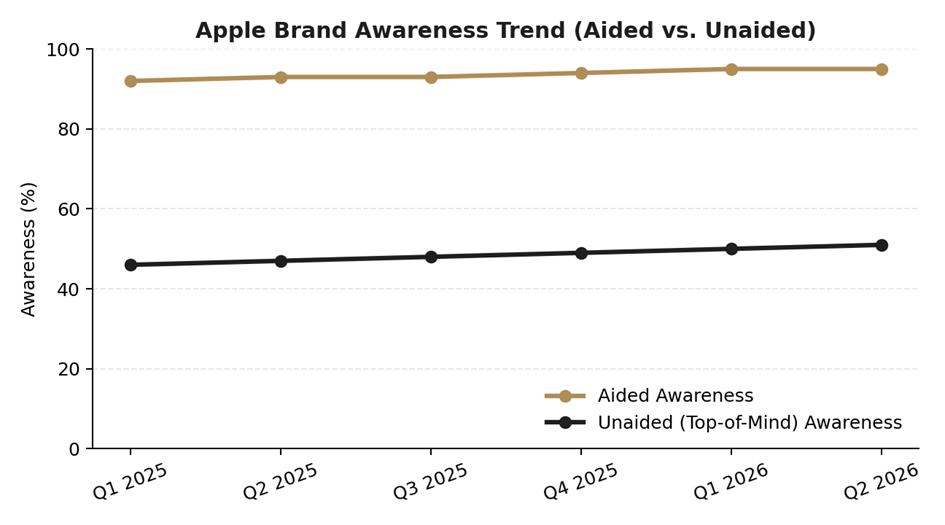
Figure 1: Key Purchase Drivers, Global Functional Beverages Market
Attitudinal Segmentation: Generational Differences in Consumption
Attitudinal segmentation by generation reveals sharply different engagement levels with the Global Functional Beverages Market, and this divergence carries direct implications for how manufacturers should prioritize marketing investment across age cohorts. Gen Z consumers, with 80% reporting regular consumption in the United States, treat functional beverages as a default category rather than a considered wellness purchase, showing particular affinity for cognitive wellness and adaptogen-based formulations consistent with the 53% of global consumers in this research who report actively working on emotional and mental well-being. Millennials, at 75% regular consumption, show strong engagement across both hydration and protein-based functional beverages, often citing post-workout recovery and meal supplementation as primary usage occasions in qualitative interviews conducted for this U&A research. Gen X consumers show meaningfully lower but still substantial engagement, gravitating toward digestive wellness, immunity, and bone health formulations more than the cognitive wellness claims favored by younger cohorts, while Baby Boomer engagement remains the lowest of the generational segments examined, concentrated primarily around functional waters and immunity-focused beverages rather than the broader functional beverage portfolio. This generational gradient confirms that the Global Functional Beverages Market is not a single homogeneous consumer base but a layered set of cohort-specific need states requiring differentiated product and marketing strategy.
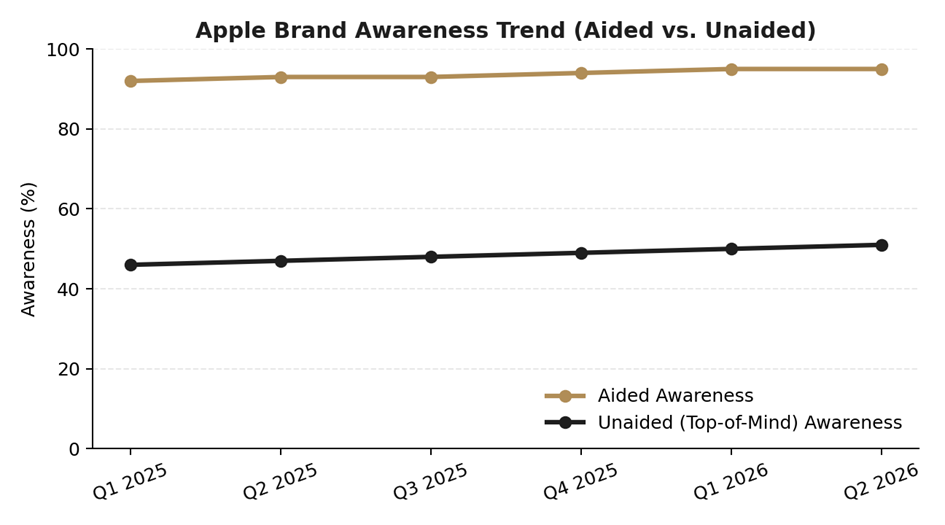
Figure 2: Regular Consumption by Generation (U.S.), Global Functional Beverages Market
Channel Behavior: From E-Commerce Discovery to Mainstream Retail
Channel behavior documented through this U&A research shows a distinctive discovery-to-adoption pathway increasingly shaping purchase decisions across the Global Functional Beverages Market. Consumers, particularly younger cohorts, increasingly discover niche and emerging functional beverage brands through e-commerce and subscription services before those brands achieve mainstream retail distribution, a pattern that differs meaningfully from how traditional beverage categories typically build awareness through in-store trial. This digital-discovery pathway means a brand's online content, subscription mechanics, and direct-to-consumer presence increasingly influence purchase decisions that eventually convert in mainstream grocery, convenience, or club retail channels once a brand achieves sufficient scale. Once a consumer has discovered and trialed a functional beverage brand online, this U&A research finds that convenience becomes the dominant factor in sustained usage, reinforcing why ready-to-drink formats preferred by 72% of consumers translate so directly into repeat purchase behavior once initial trial has occurred. This channel dynamic carries a clear strategic implication for brands within the Global Functional Beverages Market: digital discovery infrastructure deserves investment commensurate with its role in the consumer journey, even for brands whose ultimate revenue is realized predominantly through traditional retail channels.
Discover why India's emerging cities are becoming high-growth markets for premium functional beverages.
Loyalty and Repeat Purchase: The Role of Taste and Flavor Satisfaction
Loyalty and repeat purchase dynamics documented in this U&A research reveal that taste satisfaction, more than functional claims alone, ultimately determines whether a consumer becomes a repeat buyer within the Global Functional Beverages Market. While functional efficacy and ingredient transparency drive initial trial and purchase consideration, qualitative interviews conducted for this research consistently show that flavor disappointment, particularly in beverages containing botanicals, probiotics, or high protein content, remains the single most common reason consumers abandon a brand after initial trial despite genuine interest in its health claims. Consumers reported markedly higher repurchase intent for naturally sweetened beverages compared to artificially sweetened alternatives, consistent with the 48% of global consumers in this research who now prefer natural sweeteners such as stevia, monk fruit, and allulose, reinforcing that formulation science investment directly protects loyalty rather than serving purely as an ingredient-label differentiator. This finding carries a clear implication for manufacturers across the Global Functional Beverages Market: functional claims may open the door to trial, but sensory experience determines whether that door stays open for repeat purchase and long-term brand loyalty.
Regional Attitude Divergence: Developed Versus Emerging Markets
Attitudes toward functional beverages diverge meaningfully between developed and emerging markets within this U&A research, echoing the regional revenue concentration patterns documented elsewhere in this report. Consumers in the United States, Japan, and Western Europe increasingly frame functional beverage purchases as evidence-based wellness investments, showing elevated attention to clinical validation and ingredient transparency consistent with the attitudinal patterns described earlier in this analysis. Consumers in Brazil, India, and other high-growth emerging markets more frequently frame functional beverage consumption as an aspirational lifestyle signal tied to rising disposable income and expanding organized retail access, even as overall per-capita spending remains below developed-market levels. This distinction matters for go-to-market strategy across the Global Functional Beverages Market, since messaging emphasizing clinical substantiation and scientific credibility resonates most strongly in mature markets, while accessible entry-price formats paired with credible functional positioning convert first-time emerging-market buyers most effectively according to the consumers surveyed in this research.
Sustainability and Packaging Attitudes Among Functional Beverage Buyers
Sustainability and packaging attitudes add a further dimension to this U&A research, since environmental considerations increasingly intersect with the functional and convenience attributes already shown to drive purchase decisions within the Global Functional Beverages Market. Consumers surveyed for this research consistently identify recyclable packaging and plant-based ingredients as meaningful differentiators, particularly among the same younger, urban cohorts who show elevated interest in cognitive wellness and clinically validated formulations, suggesting sustainability and functional sophistication travel together in the same consumer mindset rather than representing competing priorities. This attitudinal pattern helps explain the packaging preferences documented elsewhere in this report, where PET bottles retain the largest penetration at 42% due to their practicality, while aluminum cans, valued for their high recyclability, hold a strong 24% share particularly within energy drinks and sparkling functional beverages. Qualitative interviews conducted for this U&A research suggest that packaging sustainability functions similarly to ingredient transparency, as a trust signal that reinforces rather than independently drives purchase decisions, meaning brands that pair credible functional claims with visibly sustainable packaging reinforce consumer confidence more effectively than either attribute pursued in isolation. For manufacturers evaluating packaging investment priorities across the Global Functional Beverages Market, this finding suggests sustainability messaging should be integrated alongside functional and ingredient-transparency claims rather than marketed as a standalone differentiator.
Strategic Implications for Beverage Manufacturers
Synthesizing this Usage & Attitude Research into strategic guidance, manufacturers competing in the Global Functional Beverages Market should prioritize functional efficacy and sugar-content messaging ahead of brand-heritage storytelling, given their position as the two strongest purchase drivers identified in this research. Generational targeting should be deliberately differentiated, emphasizing cognitive wellness and adaptogen-based innovation for Gen Z and Millennial consumers while prioritizing immunity, digestive, and bone-health positioning for Gen X and Baby Boomer segments. Digital discovery infrastructure deserves sustained investment given its outsized role in the consumer journey, even for brands whose revenue is ultimately realized through mainstream retail. Most critically, this research confirms that flavor and sensory satisfaction, not functional claims alone, determine long-term loyalty, meaning formulation science investment protects revenue as much as any marketing or health-claim strategy. Applied together, these findings give stakeholders across the Global Functional Beverages Market an evidence-based behavioral foundation for product development, marketing, and channel investment as the category continues its shift toward science-backed, purpose-driven consumption through the forecast period.