
What is driving the rapid commercialization of hydrogen commercial vehicles in China?
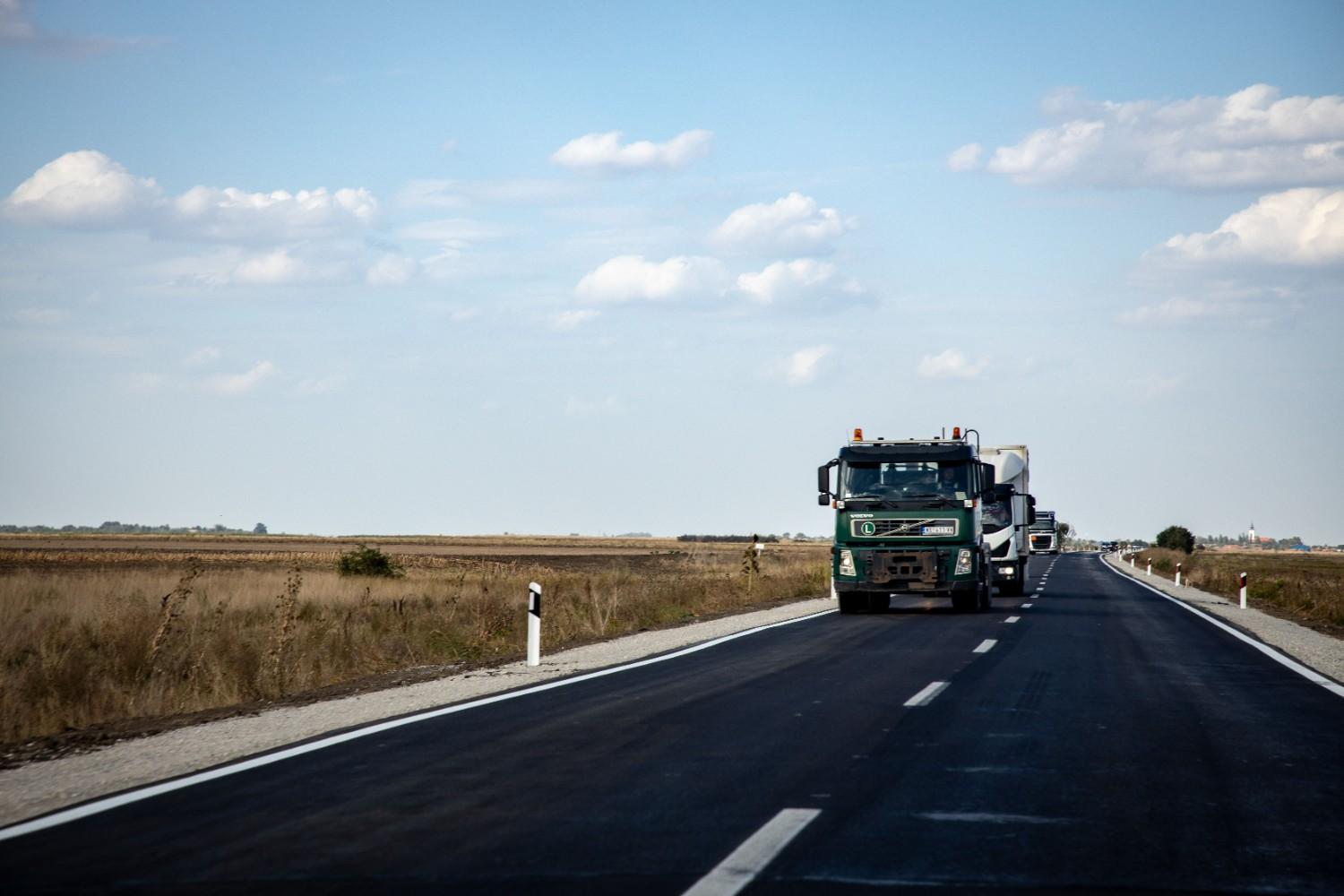
The China Hydrogen Commercial Vehicles Market has moved from demonstration projects to real commercial deployment faster than almost any other clean-transport segment in the world. By the end of 2025, cumulative fuel cell vehicle sales in China were approaching 40,000 units, supported by over 540 hydrogen refuelling stations the largest network of its kind globally. That scale did not happen by accident. A combination of policy direction, falling costs, targeted infrastructure, and rapid technology improvement has pushed hydrogen trucks and buses out of the pilot stage and into daily freight and transit operations across the country.
Policy direction and national targets
Government policy is the backbone of the China Hydrogen Commercial Vehicles Market. National plans call for 50,000 fuel cell vehicles by 2025 and up to one million by 2030, with hydrogen named among China's six priority future industries under the 14th Five-Year Plan. In March 2026, regulators introduced a "1 + N + X" hydrogen application framework, explicitly making commercial vehicles the core demand scenario for hydrogen use. Provincial and municipal subsidies layer on top of national targets, with several regions offering purchase subsidies and highway toll exemptions specifically for fuel cell trucks.
Falling vehicle and fuel costs
Cost compression is central to the China Hydrogen Commercial Vehicles Market's momentum. The list price of a 49-tonne fuel cell tractor has declined from approximately USD 278,000–417,000 in 2020–2021 to around USD 139,000–222,000 in 2025–2026. In demonstration regions, subsidized purchase prices can fall to approximately USD 49,000–69,000, bringing hydrogen-powered heavy-duty trucks significantly closer to diesel vehicle price parity. On the fuel side, China's national hydrogen price index declined to approximately USD 3.82 per kilogram at the production stage by mid-2025, while hydrogen prices across demonstration city clusters averaged around USD 3.67 per kilogram, substantially narrowing the total cost of ownership gap that has historically constrained the adoption of hydrogen commercial vehicles.
Infrastructure built for freight, not just cities
Refuelling infrastructure in the China Hydrogen Commercial Vehicles Market is increasingly concentrated on high-utilization freight corridors rather than spread thin for general coverage. Stations are clustering around ports, steel complexes, petrochemical facilities, and manufacturing hubs in Guangdong, Shanghai, Beijing, Hebei, Shandong, and the Yangtze River Delta, with typical daily capacities ranging from 500 kg to over 2,000 kg. This corridor-first approach, paired with a shift toward depot-based refuelling operated directly by logistics and transit fleets, gives operators predictable daily refuelling schedules and materially lowers downtime.
Stack efficiency and durability gains
Technology improvement is the least visible but arguably most important driver of the China Hydrogen Commercial Vehicles Market. Proton exchange membrane fuel cell stacks from suppliers such as SinoHytec, REFIRE, Weichai Power, and Shanghai Hydrogen Propulsion Technology now reach electrical efficiencies of 50–60%, well above the 40–45% thermal efficiency of comparable diesel engines. Heavy-duty systems have scaled into the 200–300 kW range, with newer platforms exceeding 300 kW, while operating lifetimes have climbed past 20,000 hours and, in some cases, toward 30,000 hours under heavy-duty conditions.
A crowded, competitive OEM landscape
Manufacturer competition is accelerating adoption across the China Hydrogen Commercial Vehicles Market. FAW Jiefang, Dongfeng, Foton, Sinotruk, Shacman, SAIC, Geely's Farizon, and XCMG are all fielding hydrogen heavy trucks, while Yutong, Zhongtong, Golden Dragon, and Ankai have scaled hydrogen buses into daily public transport service. This breadth of competition is pushing localization of core components membrane electrode assemblies, bipolar plates, and balance-of-plant parts above 70%, reducing reliance on imported technology and improving manufacturing scalability.
What this means going forward
Taken together, these forces point to a China Hydrogen Commercial Vehicles Market that is shifting from subsidy-dependent demonstration to genuine commercial logic on defined freight routes. As hydrogen pump prices continue toward the RMB 25–30 per kilogram breakeven range and stack costs fall further, hydrogen trucks are positioned to compete directly with diesel on total cost of ownership in captive, high-utilization applications even if broader passenger and light-duty adoption remains a longer-term story.