
Strategic White Spaces in the Asia Premium Personal Care Market: Identifying High-Growth Segments Before They Scale
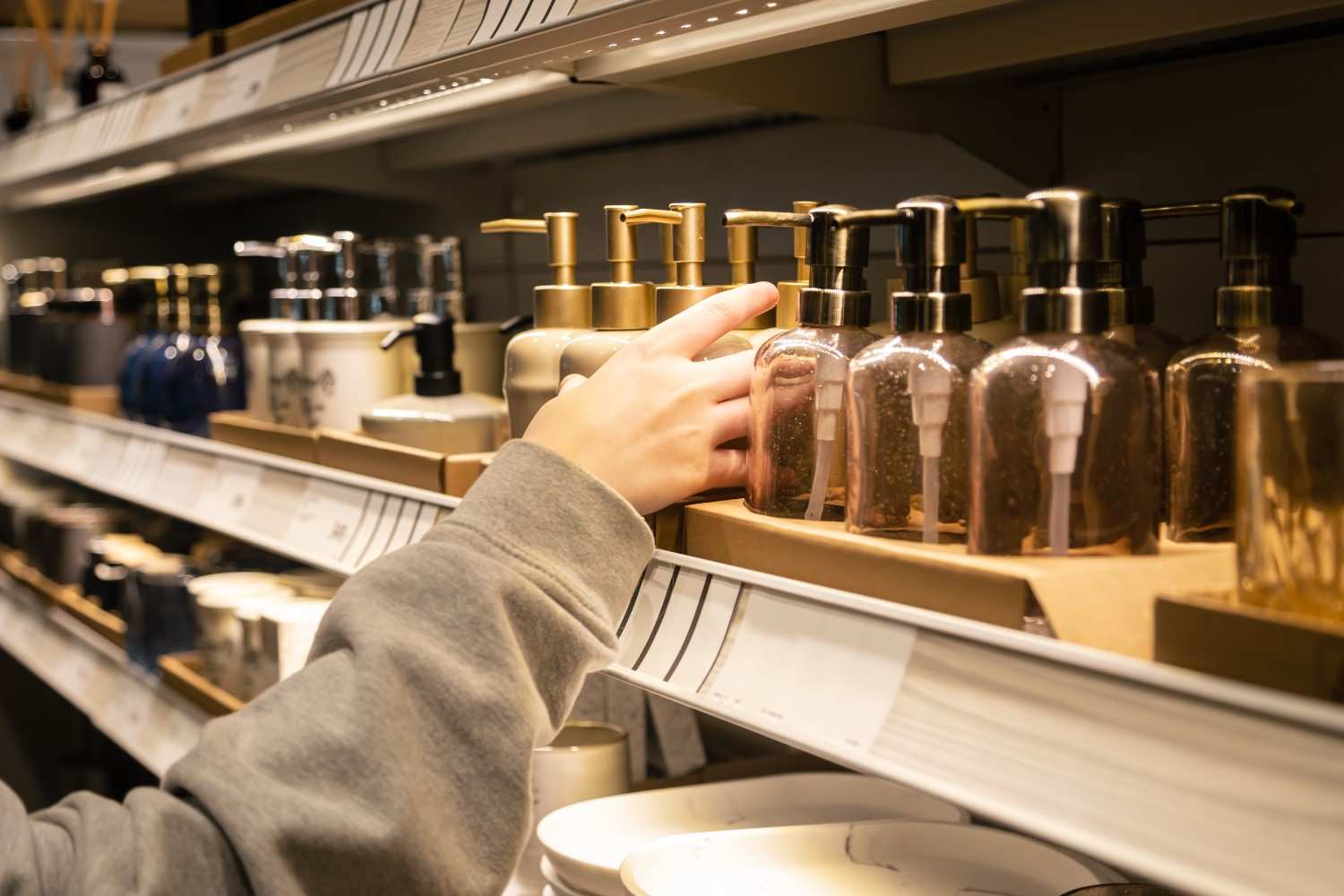
Most competitive analysis in beauty looks backward at who already won. White-space analysis does the opposite it looks for the gap between where consumer demand already sits and where premium supply hasn't caught up yet. Three segments inside the Asia premium personal care market currently show that gap wide open, each backed by a regulatory or demographic trigger that's forcing the market to move faster than most brand roadmaps account for.
Halal Premium Beauty: A Regulatory Deadline Is About to Reshape Supply
Indonesia's Law No. 33 makes halal certification mandatory for all cosmetics sold in the country by October 17, 2026 and as of the most recent count, 81% of registered cosmetics products in Indonesia still lack that certification. That is not a slow-moving trend; it's a hard compliance cliff arriving inside this calendar year, and it will force a wave of reformulation, re-certification, or exit across the country's cosmetics supply base. Layered onto that, the premium tier within halal cosmetics is forecast to grow at an 11.42% CAGR from 2026 to 2031, well ahead of the 66.45% mass-tier share that currently dominates the category. Almost no premium personal care brand has built a certified halal prestige skincare line at scale which makes this one of the clearest structural white spaces in the Asia premium personal care market today, not a someday opportunity.
Men's Grooming: Premiumization Without the Infrastructure to Match
Men's cosmetics is growing at 6.99% to 8.0% CAGR globally depending on the report, consistently outpacing the women's segment, which still holds 57-62% of total category share but is growing more slowly. Within the broader cosmetics and fragrance retail chain market, men's grooming specifically is expanding at a 7.55% CAGR through 2031, even as the category overall grows at just 3.02%. The demand signal is unambiguous men are adopting skincare, serums, and grooming routines once considered women's categories but retail infrastructure hasn't caught up. Most department-store beauty floors and premium counters in the Asia premium personal care market are still built around a female shopper journey, meaning brands that build a genuinely male-first prestige retail and product experience are competing in a segment with real growth and comparatively thin premium competition.
Scalp and Hair Science: The Overlooked Half of the Skin Barrier Story
Skincare dominates the beauty narrative, but hair care within halal-certified personal care is growing at a 7.60% CAGR, with scalp-care and anti-pollution shampoos alone expanding to represent 34% of category sales in Indonesia specifically. That pattern generalizes: as dermocosmetics normalizes clinical-grade skin science, scalp health is following the same trajectory a few years behind, treated by most premium brands as an afterthought line extension rather than a standalone clinical category. Brands positioning scalp care with the same ingredient transparency and dermatological credibility currently reserved for facial skincare have a two-to-three-year head start window before the segment gets crowded a pattern the Asia premium personal care market has already shown once with dermocosmetics itself.
Why These Gaps Exist Right Now, Not Permanently
What makes all three segments genuine white space rather than wishful thinking is that each has a forcing mechanism attached a regulatory deadline for halal certification, a demonstrated growth-rate gap for men's grooming, and a category-maturity lag for scalp science. White space that exists only because nobody has tried yet tends to stay empty for a reason; white space that exists because supply hasn't caught up to a measurable, dated trigger tends to close fast once one credible player moves. That distinction is the actual strategic question for anyone scanning the Asia premium personal care market for where to place the next three years of R&D and retail investment.
How to Prioritize Between the Three
Halal premium beauty has the tightest timeline and the clearest regulatory catalyst, making it the highest-urgency, highest-execution-risk option given the certification infrastructure required. Men's grooming has the most proven demand curve with the lowest formulation risk, since much of the science already exists in women's lines and simply needs repositioning. Scalp science has the longest runway before competitive crowding but requires the most patient investment in clinical credibility-building. None of the three is a universal answer the right entry point depends on whether a brand's real advantage is regulatory speed, retail distribution, or R&D depth within the broader Asia premium personal care market.