
AI-Driven Threat Detection: The Next Frontier in the Global Automotive Cybersecurity Market
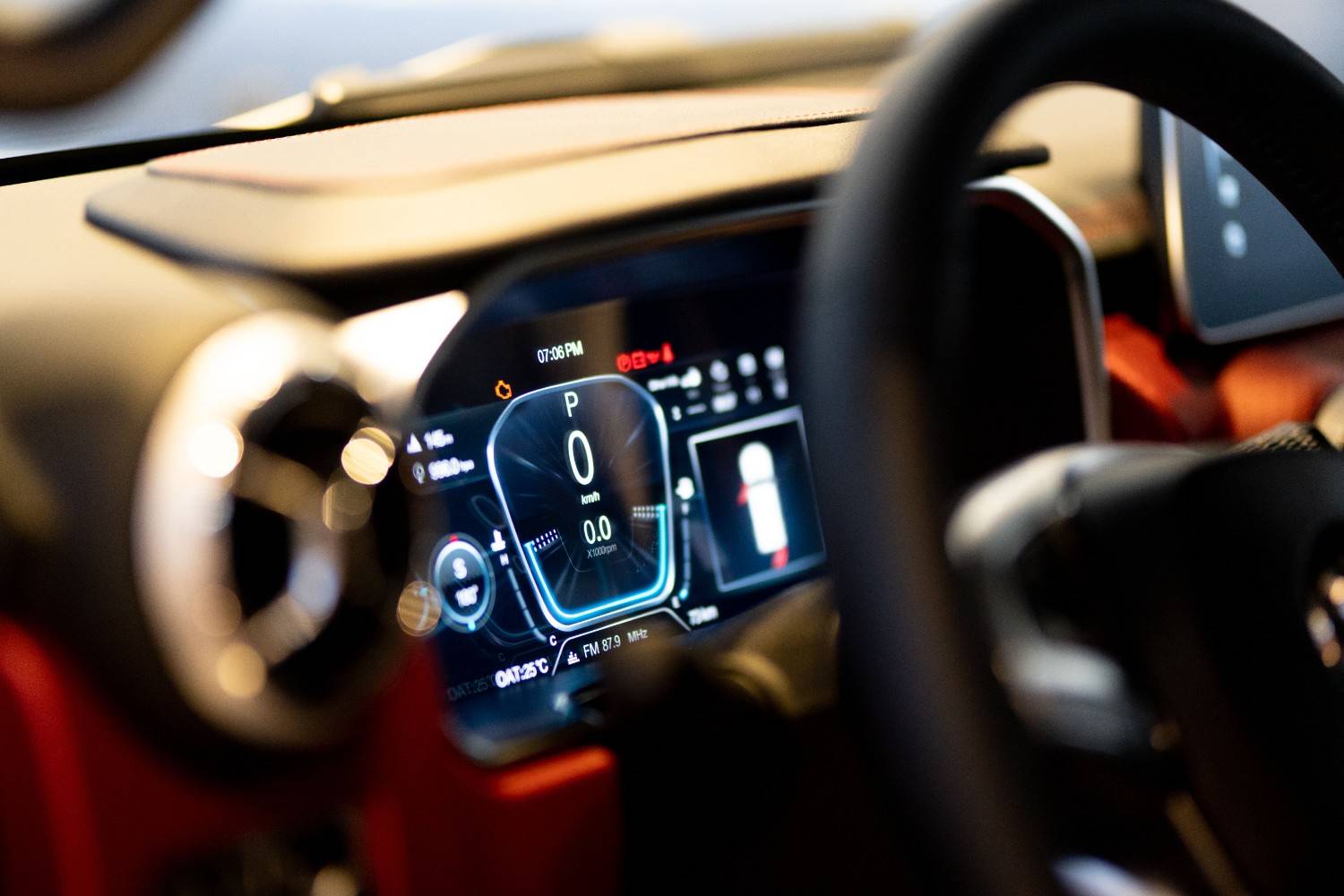
Every new vehicle rolling off a modern assembly line is, in effect, a data center on wheels, and that shift is precisely why the Global Automotive Cybersecurity Market has moved from a niche engineering concern to a boardroom priority. Connected infotainment, telematics units, over-the-air update channels, and dozens of electronic control units now sit behind every steering wheel, and each connection point is a potential doorway for attackers. Industry estimates place the Global Automotive Cybersecurity Market at roughly USD 6.3 billion in 2025, with projections pointing toward USD 17.67 billion by 2033 as automakers race to close gaps that static, rule-based defenses were never designed to handle.
Why Legacy Security Approaches Are Falling Behind
For years, automotive cybersecurity relied on firewalls, signature-based malware lists, and periodic firmware audits, and these tools formed the backbone of the early Global Automotive Cybersecurity Market. That approach worked reasonably well when cars were largely isolated systems, but software-defined vehicles have changed the equation entirely. A single modern car can generate up to 25 gigabytes of data every hour through its sensors, cameras, and communication modules, and more than 90 percent of vehicles launched since 2023 ship with embedded connectivity as standard. Static defenses simply cannot keep pace with threats that evolve faster than a quarterly patch cycle.
AI Steps In as the New Line of Defense
Real-Time, Behavior-Based Detection
Artificial intelligence is emerging as the connective tissue holding the Global Automotive Cybersecurity Market together in this new era of complexity. Instead of matching traffic against a fixed list of known threats, machine learning models trained on vehicle telemetry can flag anomalous behavior the moment it deviates from an established baseline, whether that is an unexpected command on the CAN bus or an irregular OTA update request. This behavior-based approach is particularly valuable given that ransomware alone accounted for 44 percent of all recorded automotive cyber incidents in 2026, more than double its share just two years earlier.
From Reactive Patching to Predictive Defense
The bigger promise of AI within the Global Automotive Cybersecurity Market lies in prediction rather than reaction. Vehicle Security Operations Centers, or VSOCs, are increasingly using machine learning to correlate fleet-wide telemetry, spotting coordinated attack patterns across thousands of vehicles before a single car is compromised. Deployment of intrusion detection systems has already reached roughly 65 percent of connected vehicle platforms, and that figure is expected to climb further as OEMs embed predictive threat intelligence directly into next-generation electronic architectures rather than bolting it on after the fact.
Market Snapshot: The Numbers Behind the Momentum
Sizing estimates vary by methodology, but every major research house agrees on the trajectory of the Global Automotive Cybersecurity Market. One widely cited forecast puts the market at USD 9.0 billion in 2026, climbing to USD 18.10 billion by 2034 at a compound annual growth rate near 9.6 percent, while more aggressive models built around AI-enabled platforms project growth rates above 15 percent through the early 2030s. Embedded, in-vehicle security solutions are expected to command roughly 73 percent share in 2026, reflecting how deeply threat detection is now being engineered into the vehicle rather than layered on top.
Regional Momentum Across the Global Automotive Cybersecurity Market
Asia Pacific currently leads the Global Automotive Cybersecurity Market with well over half of global revenue, propelled by China's dominant vehicle production base and rapid connected-car adoption across the region. Europe follows closely, driven almost entirely by regulation: UN R155 and ISO/SAE 21434 now require every newly homologated vehicle to carry a documented cybersecurity management system spanning design, production, and post-production phases. North America rounds out the leading regions, where federal guidelines on transportation cybersecurity resilience are pushing automakers toward secure-by-design engineering from the earliest stages of vehicle development.
Adoption Hurdles That Still Slow the Global Automotive Cybersecurity Market
AI-driven defense is not a plug-and-play upgrade, and cost remains the most cited obstacle across the Global Automotive Cybersecurity Market. Embedding advanced security architecture can raise per-vehicle electronic costs by 8 to 12 percent, a burden that weighs heaviest on entry-level models with limited onboard computing power. Talent scarcity compounds the problem, since skilled automotive cybersecurity engineers make up less than 20 percent of the broader embedded-security workforce. Legacy platforms carrying 70 or more distributed ECUs also face compatibility friction when retrofitted with centralized, AI-based monitoring, often extending development timelines by six to twelve months.
What Comes Next
Looking ahead, the Global Automotive Cybersecurity Market is likely to consolidate around AI-native platforms that treat every vehicle as a continuously monitored node within a larger fleet intelligence network. Partnerships between semiconductor makers, cloud security specialists, and OEMs are accelerating, exemplified by recent stake acquisitions among established automotive cybersecurity specialists. As software-defined vehicle architectures move past 40 percent of new platform designs, the winners in this space will be the vendors who can turn raw telemetry into predictive, real-time protection at fleet scale rather than those still selling static, checklist-based compliance tools.