
The Quiet Workhorse of Decarbonisation: Why 48-Volt Mild Hybrids Are Everywhere
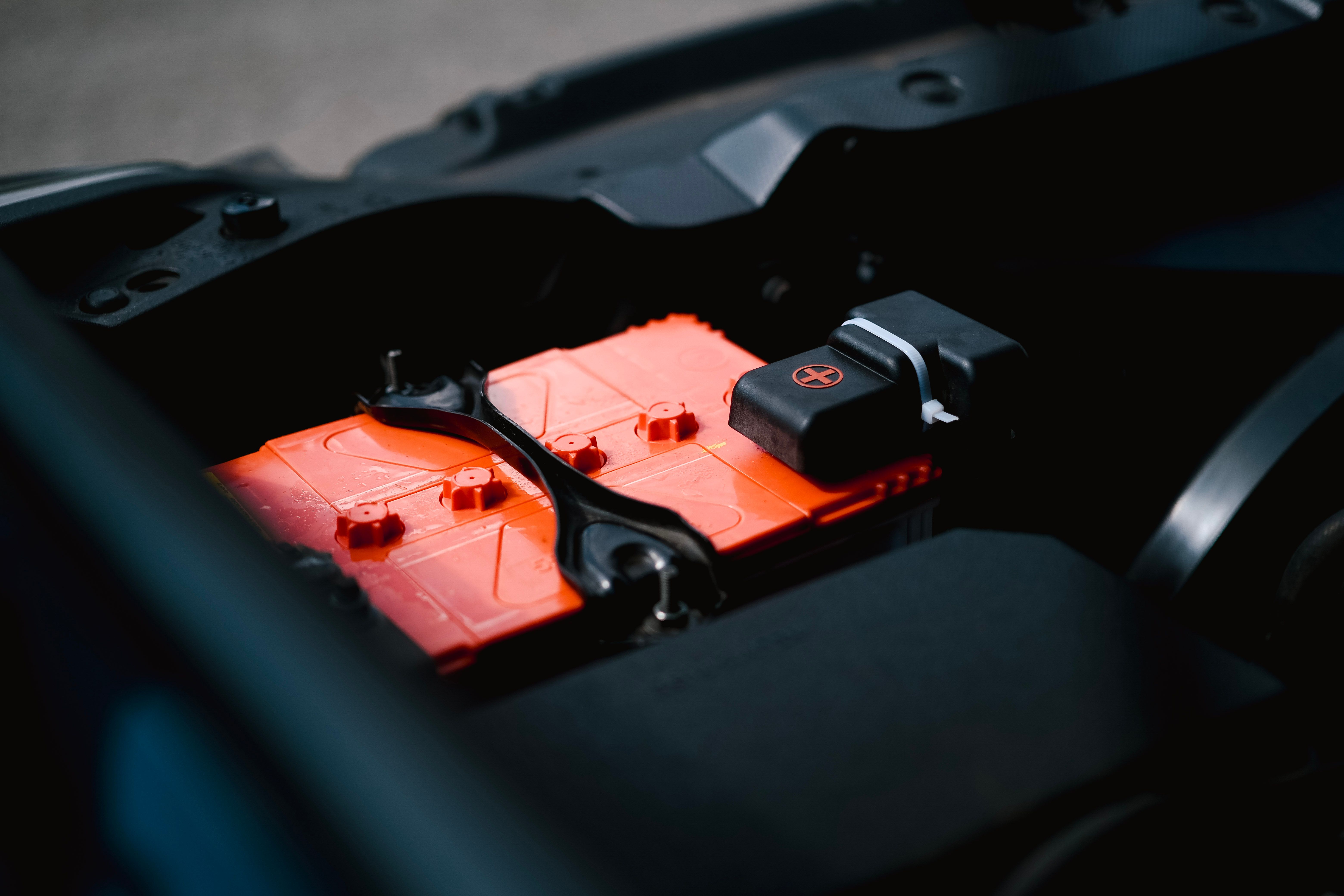
Battery electric vehicles dominate headlines, but a quieter technology is reshaping the global car fleet: the 48-volt mild hybrid. Found under the bonnet of everything from compact hatchbacks to luxury SUVs and delivery vans, 48-volt systems help combustion-engine vehicles cut fuel consumption and emissions at a fraction of the cost of full hybrids. Epignosis Insights estimates that the Global Automotive 48-volt Battery System Market will grow from US$9,410.3 million in 2025 to US$29,302.7 million by 2032, while annual shipments rise from about 8.8 million to about 35.1 million systems.
What a 48-Volt System Does
A conventional car runs its electrical systems on 12 volts. A 48-volt system adds a second, higher-voltage network powered by a compact lithium-ion battery, typically storing between 0.5 and 1 kWh. Connected to a starter-generator, it allows the vehicle to recover energy when braking, assist the engine during acceleration, restart the engine smoothly and switch it off while coasting.
The result is a meaningful reduction in fuel use, particularly in urban driving with frequent stops. Unlike a full hybrid, a mild hybrid usually cannot drive on electric power alone for significant distances, but it is far cheaper and easier to integrate into existing vehicle platforms.
Regulation Is the Main Engine
The biggest driver of adoption is emissions regulation. In the European Union, fleet-average CO2 targets for new cars require a 15% reduction compared with 2021 levels for the 2025 to 2029 period. In June 2025, the EU adopted Regulation (EU) 2025/1214, allowing manufacturers to meet their 2025 to 2027 targets on a three-year average basis, without changing the targets themselves.
For automakers, every gram of CO2 matters. Mild hybrid systems offer one of the lowest costs per gram saved of any powertrain technology, making them an obvious choice for combustion and hybrid models that will remain in production alongside electric vehicles. The extended compliance window keeps mild hybrids central to fleet strategies for years to come.
Not Just for Europe
Europe pioneered 48-volt technology, but Asia Pacific has become the largest market. In 2025, Asia Pacific accounts for 41.3% of global value at US$3,887.9 million, compared with 36.3% for Europe. China alone is valued at US$2,755.3 million and is the fastest growing country market at a 19.0% CAGR, reaching US$9,310.4 million by 2032. Chinese automakers are adopting mild hybrids to meet national fuel consumption standards, supported by the country's vast lithium-ion manufacturing base.
Prices Fall, Volumes Soar
One of the most striking features of the market is the gap between value and volume growth. Market value grows at a 17.6% CAGR from 2026 to 2032, but estimated shipments grow even faster at about 22.3%. The reason is falling prices: the average system price is estimated to decline from about US$1,071 in 2025 to about US$834 by 2032.
Cheaper cells, higher production volumes and the integration of inverters, controllers and power distribution boxes into fewer housings are all reducing costs. Lower prices, in turn, make 48-volt systems viable in smaller, cheaper vehicles, broadening the market further.
Beyond Fuel Savings
Fuel economy is only part of the story. Modern vehicles carry growing electrical loads from driver assistance systems, large displays, electric power steering, active suspension and electric climate control. A 48-volt network delivers more power with lower current, allowing lighter wiring and lower energy losses. Some battery electric vehicle architectures are now adopting 48-volt low-voltage networks for exactly this reason, creating a source of demand that does not depend on combustion engines.
Where the Value Sits
The 48-volt lithium-ion battery is the largest component, valued at US$3,354.4 million in 2025, and the fastest growing at 18.4%. Yet power electronics, including the AC/DC inverter, battery controller and power distribution box, together account for more than half of the market's new revenue through 2032. Suppliers that combine cell expertise with power electronics and software are best positioned to capture value.
The Long-Term Question
Will mild hybrids fade as battery electric vehicles take over? Over the very long term, demand for mild hybrid powertrains may plateau in markets with rapid electric adoption. However, the use of 48-volt networks in electric vehicles, the continued production of combustion and hybrid vehicles in many regions, and the electrification of commercial vehicle auxiliaries all point to sustained demand through 2032 and beyond.
Commercial Vehicles Join In
Commercial vehicles are the faster growing segment, rising at 18.2% compared with 17.5% for passenger vehicles. Delivery vans benefit from mild hybridisation in stop-start urban routes, while trucks use 48-volt systems to power refrigeration units, liftgates and cabin climate systems without idling the engine. Estimated commercial vehicle shipments grow from about 1.4 million systems in 2025 to about 5.8 million by 2032.
The Bottom Line
48-volt systems may not attract the attention of electric vehicles, but they are quietly becoming one of the most widespread electrification technologies on the road. With shipments set to quadruple to about 35 million units by 2032, roughly one in three new vehicles worldwide could carry a 48-volt system, making this one of the most important growth markets in automotive electronics.