
Inside the 48-Volt System: Where Batteries, Inverters and Controllers Create Value
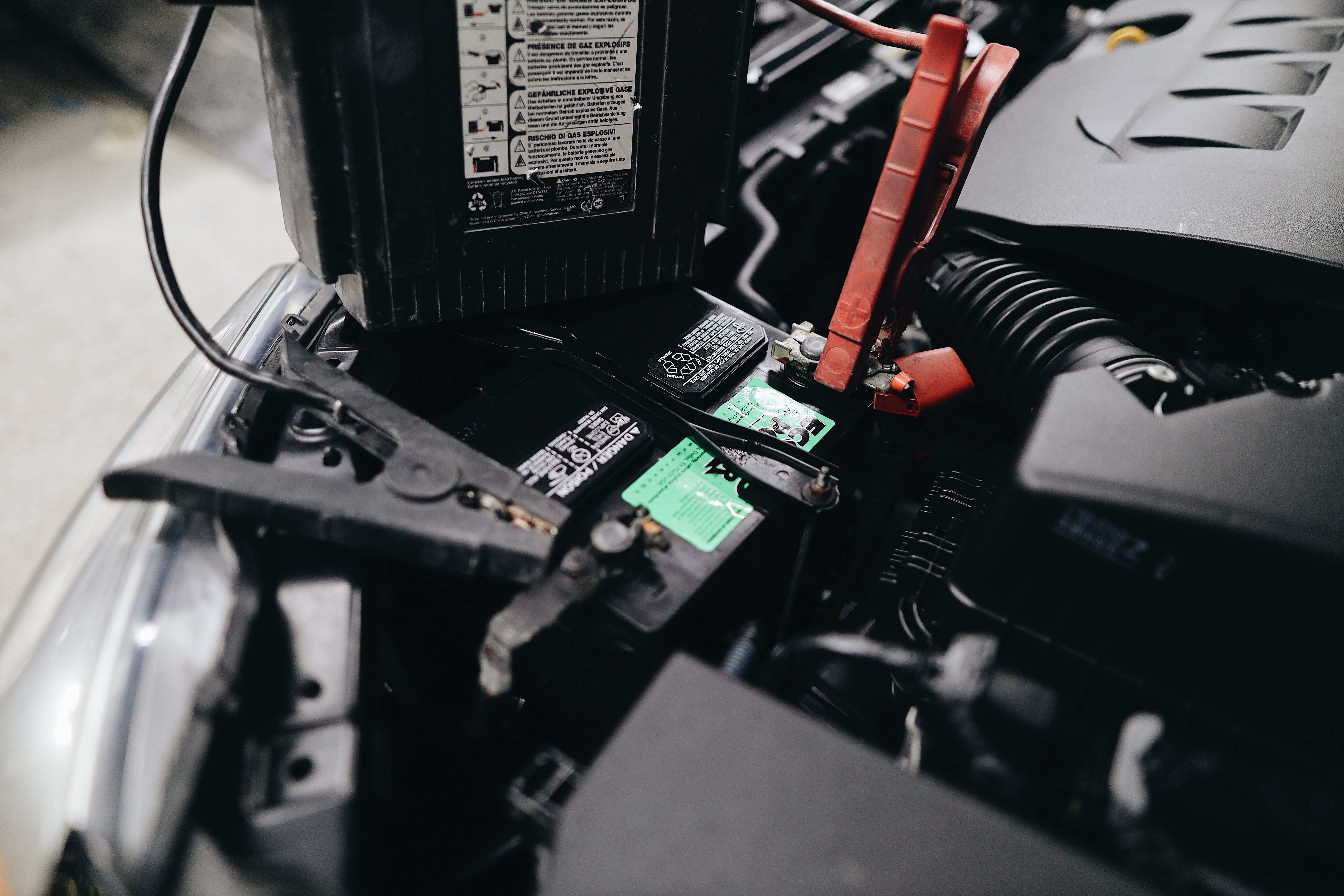
A 48-volt mild hybrid system may look simple from the outside, but inside it brings together cell chemistry, power electronics, software and thermal engineering. Understanding where value is created across these components helps explain which suppliers are winning and how the market will evolve. Epignosis Insights data on the Global Automotive 48-volt Battery System Market, valued at US$9,410.3 million in 2025, shows a clear picture of the value chain.
The Battery: The Largest Slice
The 48-volt lithium-ion battery is the most valuable component, accounting for US$3,354.4 million, or 35.6%, of 2025 market value. It is also the fastest growing component at an 18.4% CAGR from 2026 to 2032, reaching US$10,967.5 million by 2032.
Unlike the large traction batteries in electric vehicles, 48-volt batteries are designed for power rather than energy. They must deliver and absorb high currents in short bursts during acceleration and regenerative braking, often thousands of times per journey. Most use nickel manganese cobalt cells optimised for high power, while lithium iron phosphate is gaining share where cost and thermal stability matter most, and lithium titanate is used in some high-cycle applications. Packs are increasingly compact and air-cooled, fitting under seats or in luggage compartments.
The Inverter: Converting and Controlling Power
The AC/DC inverter is the second largest component, valued at US$2,312.1 million in 2025 and growing at 18.0% to US$7,351.2 million by 2032. The inverter converts the battery's direct current into alternating current for the starter-generator and reverses the process during energy recovery. Its efficiency directly affects how much energy can be recaptured and reused.
As automakers move from simple P0 belt-driven systems to P1 and P2 architectures, which place the electric machine on the crankshaft or between engine and transmission, inverters must handle higher power levels, increasing their value per vehicle.
The Battery Controller: The Brain
The battery controller, valued at US$1,562.1 million in 2025, grows at 17.9% to US$4,960.2 million by 2032. Also known as the battery management system, it monitors every cell's voltage, temperature and state of charge, balances cells, protects against faults and communicates with the vehicle's control units. Functional safety requirements make the controller a critical and highly engineered component, and software sophistication is becoming a key differentiator.
The Power Distribution Box: Managing the Network
The power distribution box, valued at US$1,279.4 million in 2025, grows at 17.5% to US$3,944.5 million by 2032. It distributes 48-volt power to the vehicle's high-load consumers and protects circuits through fuses, relays and increasingly through electronic switches. As more systems, from electric turbochargers to active suspension, move to the 48-volt network, the power distribution box becomes more complex and valuable.
Other Components: Integration Squeezes Growth
Other components, including DC/DC converters, cabling and thermal management elements, are valued at US$902.3 million in 2025 and grow more slowly at 12.7%. Integration is the main reason. Suppliers are combining functions into fewer housings, reducing the number of separate parts per system and lowering overall cost.
Following the New Revenue
Between 2025 and 2032, the market adds approximately US$19.9 billion in annual revenue. The battery contributes about 38% of this increase, the inverter 25%, the battery controller 17%, the power distribution box 13% and other components 6%. Combined, power electronics generate more than half of new revenue, even though the battery is the single largest component.
Falling Prices, Rising Content
The average price of a complete 48-volt system is estimated to fall from about US$1,071 in 2025 to about US$834 by 2032. Yet component value is not simply declining. As architectures move toward P1 and P2 configurations and more vehicle functions shift to 48 volts, the content per system increases, partly offsetting price reductions. This combination of price pressure and rising content defines the competitive challenge for suppliers.
Engineering Challenges
Every component must meet demanding automotive requirements. Batteries must operate safely across extreme temperatures and survive years of vibration. Inverters and controllers must meet functional safety standards and avoid electromagnetic interference with other vehicle systems. Power distribution boxes must protect against short circuits at currents far higher than in 12-volt networks. Meeting these requirements while cutting cost every year is the central engineering challenge for suppliers, and it rewards companies with deep validation experience and high-volume manufacturing discipline.
Who Supplies What
Tier 1 suppliers such as Continental, Bosch, Valeo, Schaeffler, BorgWarner and Hitachi Astemo deliver complete systems and power electronics. Cell manufacturers such as LG Energy Solution, Samsung SDI and CATL supply cells and modules. Specialists such as Clarios, A123 Systems and SEG Automotive focus on batteries or starter-generators. Partnerships between Tier 1 integrators and cell makers are increasingly common.
The Bottom Line
Value in the 48-volt battery system market is shared between cells and electronics. The battery is the largest and fastest growing component, but power electronics generate most new revenue. Suppliers that master both cell technology and integrated power electronics, while driving down cost, are best positioned to lead a market growing to US$29.3 billion by 2032.