Key Findings – Global Functional Beverages Market
- Top 10 countries account for 76.8% of the global functional beverages market, while the rest of the world contributes 23.2%.
- PET bottles dominate packaging with a 42% penetration rate, followed by aluminum cans (24%) and glass bottles (12%).
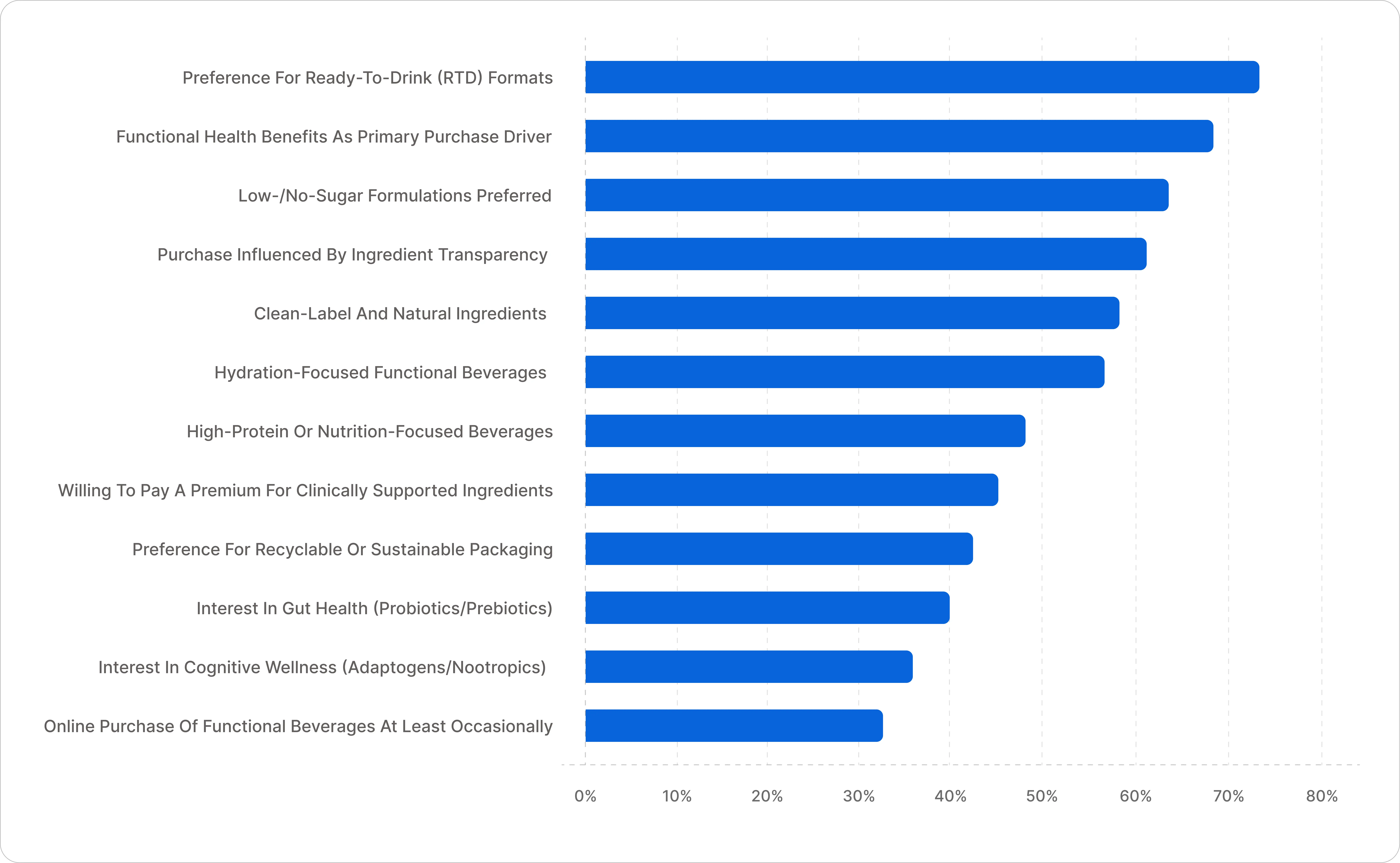
- Ready-to-drink (RTD) beverages are preferred by 72% of consumers, making convenience a primary purchasing factor.
- 68% of consumers prioritize functional health benefits, while 63% actively seek low- or no-sugar formulations.
- 61% of buyers consider ingredient transparency before purchasing functional beverages.
- Hydration-focused beverages account for the largest consumer preference (57%), followed by protein-based beverages (49%).
- Approximately 46% of consumers are willing to pay a premium for beverages containing clinically validated functional ingredients.
- Cognitive wellness beverages are gaining traction, with 36% consumer interest in adaptogen- and nootropic-based formulations.
Global Functional Beverages Market Outlook
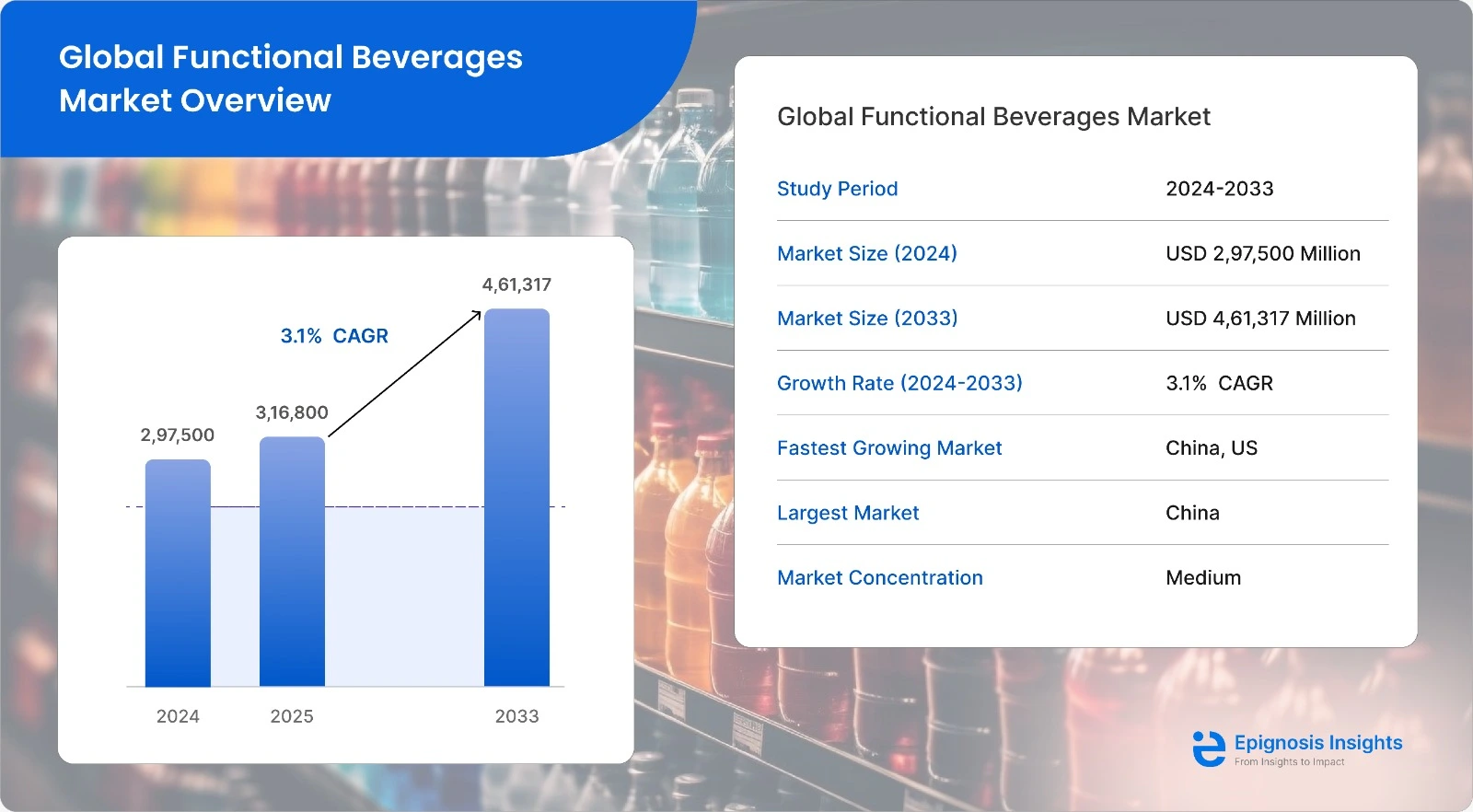
Global Functional Beverages Market recorded a sales volume of 88,000 million litres in 2025 and is estimated to reach a volume of 111,161 million litres by 2033 with a CAGR of 3.1% during the forecast period.
Global Functional Beverages Market Dynamics
Increasing Use of Adaptogens and Nootropic Ingredients for Cognitive Wellness
Consumer interest in brain-supporting beverages is significantly altering the dynamics of the category, moving away from a niche status. The global market for adaptogenic beverages was valued at approximately USD 2.8 billion in 2024–2025, depending on the defined scope, and is projected to grow at a compound annual growth rate (CAGR) of 6.5% to 12.2% through the early 2030s. Meanwhile, the overall adaptogens market, which includes ingredients such as ashwagandha, rhodiola, reishi, and ginseng across food, beverage, and supplement formats, is expected to increase from about $11.9 billion in 2025 to over $22 billion by 2034.
Ashwagandha continues to serve as the leading ingredient, representing a 26% to 32% share of adaptogenic beverage formulations in 2025-2026, thanks to its clinically documented effects on cortisol reduction. In contrast, lion's mane, cordyceps, and reishi mushrooms are emerging as the fastest-growing segments due to their premium positioning for cognitive and immune support, justifying higher price points on the shelf. Ready-to-drink formats account for around 38% to 44% of the market, reflecting consumers' preference for convenience over powders or tonics.
This trend is no longer limited to a small audience; 80% of Gen Z and 75% of millennials in the U.S. regularly consume functional beverages. Additionally, 53% of global consumers report actively working on their emotional and mental well-being, presenting brands with a strong commercial opportunity for nootropic marketing. Recent product launches illustrate the shift towards combined stress and cognitive claims such as Goodrays' Re:Focus, which features a blend of 250 mg lion's mane and 800 mg magnesium in a 330ml can, and Recess's magnesium and L-theanine blends. These developments show that established hydration and energy brands are adapting their formulas to include nootropic ingredients rather than creating entirely new categories.
For companies in the global functional beverages market, this signals a shift in research and development investment from basic caffeine and electrolyte formulations towards scientifically supported cognitive blends. This positions adaptogen-nootropic hybrids as the next battleground for differentiation in the marketplace rather than merely a temporary trend in wellness.
Sugar Reduction Without Compromising Mouthfeel and Flavor
Formulation science has become the primary focus in beverage reformulation, moving beyond simple sweetener replacements. The market for sugar reduction mouthfeel recovery additives, which are designed to compensate for the lost bulk, viscosity, and lubrication when sucrose is removed, was valued at approximately $620.5 million in 2026. It's projected to experience significant growth, nearly tripling to $1.86 billion by 2036, with an impressive 11.6% compound annual growth rate (CAGR). Dairy applications are expected to command a considerable 50% share, with stevia-based solutions leading as the preferred ingredient type at 45%. This trend highlights the necessity of addressing the structural formulation gap caused by sugar removal, rather than merely focusing on caloric differences.
Allulose has emerged as a prominent functional solution, providing around 70% of sucrose's sweetness with minimal glycemic impact and qualifying for FDA-exempt added-sugar labeling. The global allulose market is expected to grow from $201 million in 2025 to nearly $492 million by 2034, at a 10.48% CAGR. Mid-sized U.S. functional drink manufacturers are adopting it rapidly to maintain mouthfeel, a characteristic that stevia and monk fruit alone often struggle to replicate.
Consumer behavior reflects this shift, as over 48% of global consumers now prefer natural sweeteners such as stevia, monk fruit, and allulose over artificial options. Moreover, the repurchase rates for naturally sweetened beverages are outpacing those of artificially sweetened ones. Beverages currently account for 42.12% of all sugar-substitute applications, representing the largest single category, spurred by the popularity of zero-sugar sodas, energy drinks, and functional waters.
Innovation in the sector is evident through platforms like Kerry's Tastesense Sweetness, launched in February 2026, and blended systems using sucralose, stevia, and erythritol. These developments indicate that manufacturers are focusing on creating multi-ingredient solutions instead of relying solely on one-for-one sweetener swaps to address issues of bitterness and aftertaste. For stakeholders in the global functional beverages market, mastering the balance of sweetness and texture is becoming crucial in retaining loyal consumers and preventing the loss of customers due to taste fatigue.
Global Functional Beverages Market Consumer Preference Analysis
Consumer preferences in the global functional beverages market are increasingly influenced by the expectation that these drinks should offer measurable health benefits while fitting seamlessly into daily lifestyles. Today’s purchasing decisions extend beyond mere flavor or brand recognition; consumers are now assessing factors such as ingredient transparency, functional efficacy, sugar content, convenience, and scientific credibility.
Hydration-focused beverages continue to dominate the market, appealing to a diverse demographic ranging from office workers to athletes. Meanwhile, protein beverages are gaining popularity among those looking for meal supplementation and post-workout recovery. Younger consumers are particularly drawn to cognitive wellness beverages that include adaptogens and nootropics, whereas older demographics are gravitating toward products that support bone health, immunity, digestive wellness, and healthy aging.
Across developed markets, shoppers demonstrate a willingness to pay a premium for products that feature clinically supported ingredients and clean-label formulations, especially those free from artificial sweeteners, preservatives, and synthetic colors. Convenience has also emerged as a critical factor, with ready-to-drink (RTD) formats consistently outperforming powdered or concentrate alternatives due to their portability and immediate consumption benefits.
The purchasing channels for functional beverages are diversifying as consumers increasingly encounter niche brands through e-commerce and subscription services before they transition into mainstream retail. Environmental sustainability is another key consideration influencing buying behaviors, with recyclable packaging and plant-based ingredients serving as important differentiators for eco-conscious consumers.
Flavor innovation remains vital, as repeat purchases heavily depend on taste satisfaction, especially in drinks containing botanicals, probiotics, or high protein content. Consequently, manufacturers are investing in advanced flavor systems that successfully balance functionality with sensory appeal.
The global functional beverages market is also witnessing a surge in demand for personalized wellness solutions, prompting companies to develop beverages targeting specific needs like stress management, gut health, energy, sleep support, or mental focus. This shift in preferences is moving competition from conventional beverage categories toward science-backed, premium, and purpose-driven products that provide both nutritional value and a satisfying consumption experience. Companies that can align their formulation, packaging, pricing, and health positioning with these evolving consumer expectations are likely to enhance customer retention and expand their market share in both mature and emerging economies.
Segment & Regional Analysis
Strategic Packaging Innovations in the Global Functional Beverages Market
In the global functional beverages market, the selection of packaging is primarily influenced by factors such as product stability, portability, branding strategies, and distribution economics, rather than just cost. PET bottles represent the most significant market penetration, owing to their lightweight nature, low transportation costs, and suitability for various products including functional waters, sports drinks, probiotic beverages, and ready-to-drink nutritional items. Their durability and versatility in accommodating different bottle sizes make them the preferred choice for both mass-market and premium manufacturers.
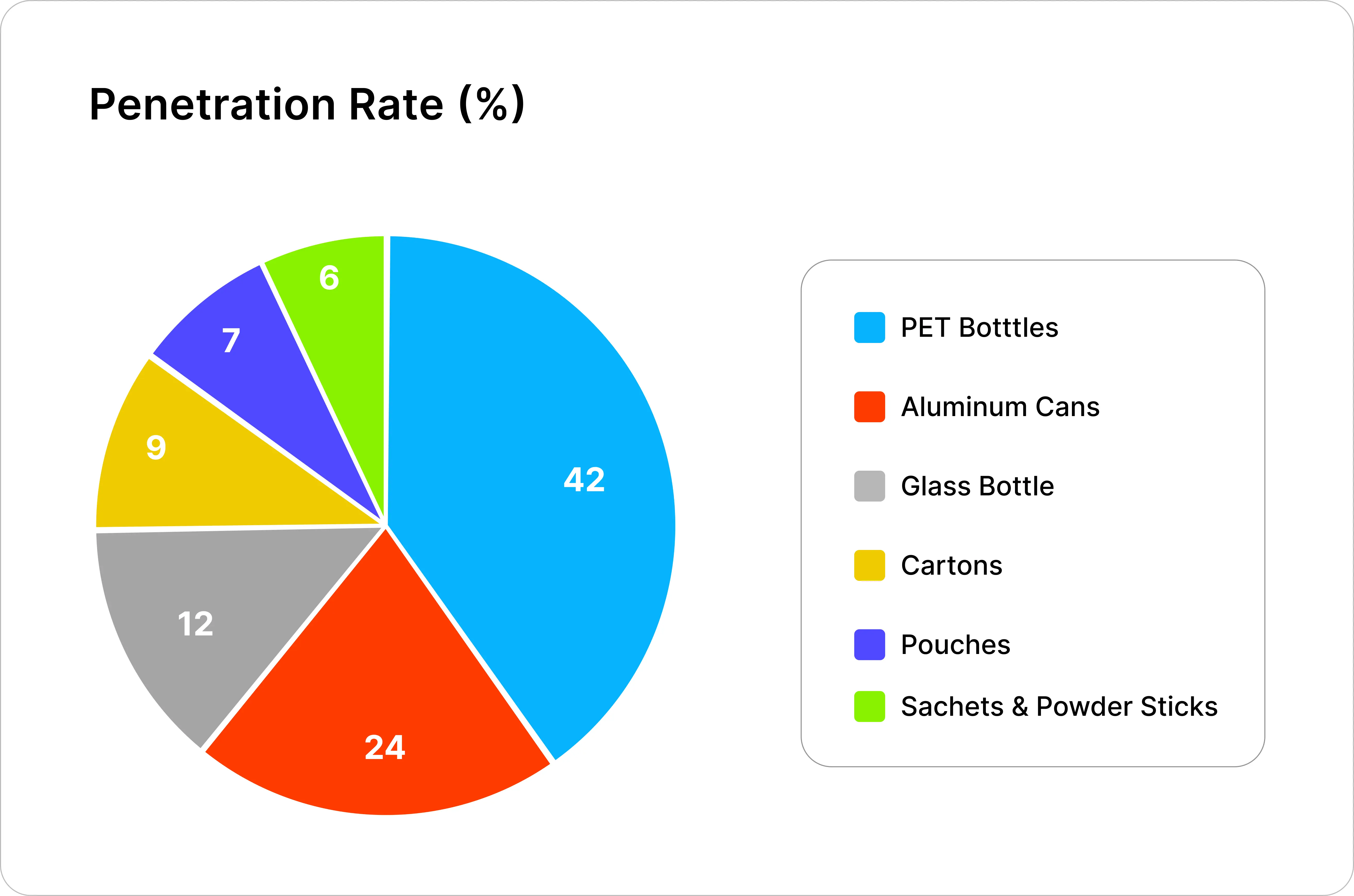
Aluminum cans have secured a strong foothold, particularly in the realms of energy drinks and sparkling functional beverages, thanks to their excellent barrier properties that protect against light and oxygen. This preservation of ingredient efficacy and carbonation, combined with high recyclability, enhances their appeal. Meanwhile, glass bottles continue to hold a vital place in the market for premium kombucha, botanical beverages, and fermented drinks, where an upscale shelf appearance and product integrity justify the higher packaging and logistics costs.
Cartons are predominantly used for protein beverages, meal replacements, and dairy-based functional formulations because they leverage aseptic packaging technology to provide an extended shelf life without requiring refrigeration before opening. Flexible pouches are increasingly popular for children's nutrition products, travel-friendly drinks, and concentrated wellness items, as they minimize material usage and reduce shipping costs.
Sachets and powder sticks represent a niche yet growing segment, particularly suited for electrolyte mixes, collagen supplements, and functional hydration products, allowing consumers to prepare beverages on demand while extending shelf life. As sustainability becomes a pivotal focus, manufacturers are directing investments toward recyclable materials, lightweight packaging, and high recycled-content plastics. This commitment to packaging innovation serves as a strategic differentiator, enhancing operational efficiency, ensuring regulatory compliance, and catering to consumer preferences within the global functional beverages market.
Regional Revenue Concentration Across the Top 10 Countries in the Global Functional Beverages Market
The global functional beverages market showcases a concentrated demand structure, with the top ten countries contributing approximately 76.8% of global revenue. This trend highlights strong consumer acceptance, organized retail penetration, and innovative product development. The United States holds the largest market share, driven by high per capita consumption of energy drinks, sports nutrition beverages, functional waters, and protein-based ready-to-drink products. This dominance is supported by a well-established wellness industry and extensive availability of products across various retail channels.
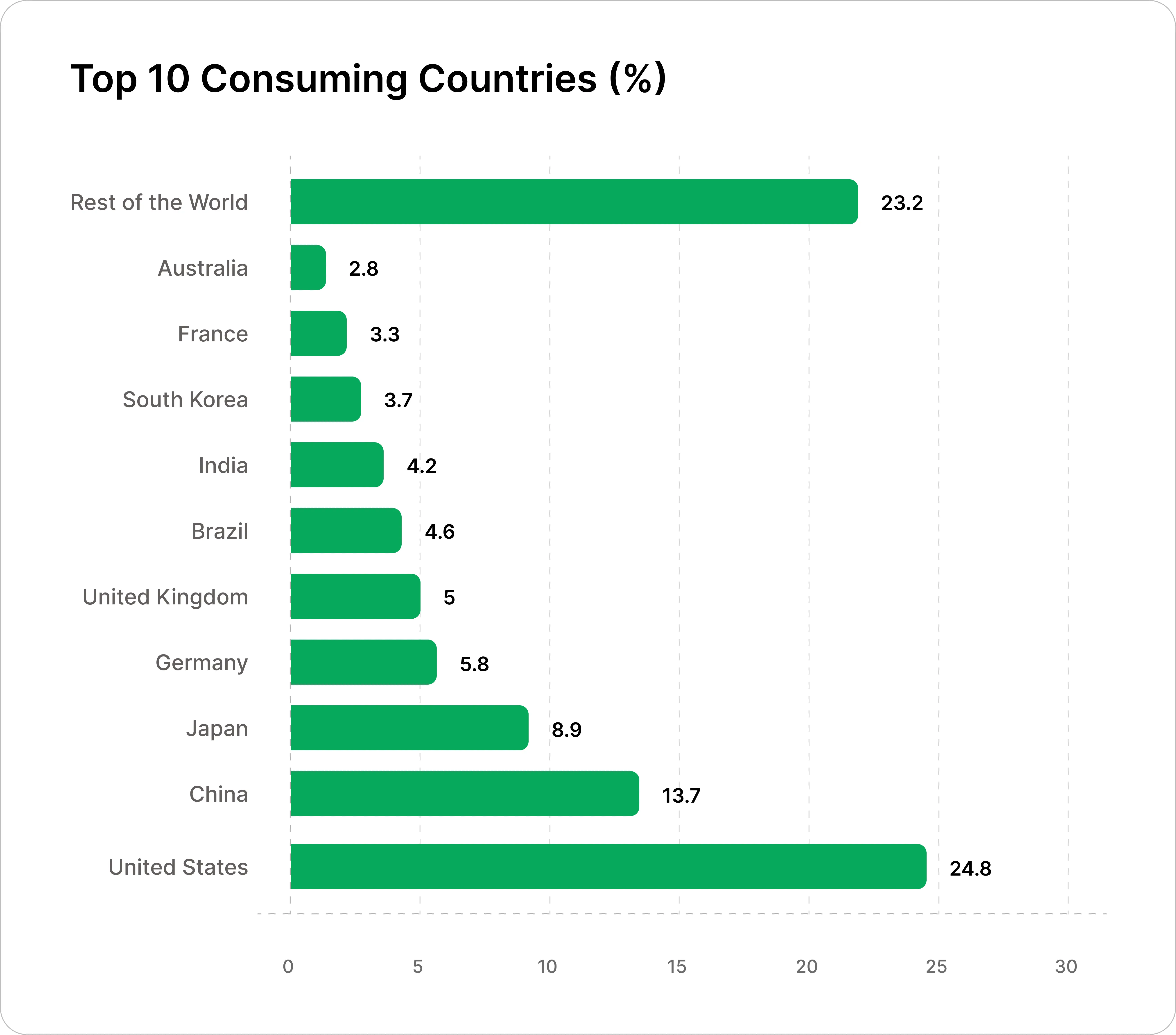
China has positioned itself as the second-largest market, fueled by rising disposable incomes, rapid urbanization, and a growing demand for beverages that support immunity, hydration, and digestive health. Japan remains a key player in the sector, thanks to its long-established functional food ecosystem and the commercialization of scientifically backed beverages.
In Europe, countries like Germany, the United Kingdom, and France benefit from a preference for premium products and a rising trend towards sugar-reduced and clean-label formulations. However, regulatory scrutiny regarding health claims is prompting manufacturers to focus on clinically validated ingredients.
Brazil and India emerge as high-growth markets, with their expanding middle-class populations and improved organized retail environments driving consumption, despite lower per capita spending compared to developed economies. South Korea's market thrives on innovations within beauty, collagen, and probiotic beverages, while Australia shows robust demand for premium hydration and sports nutrition offerings.
The remaining 23.2% of the market share is spread across Southeast Asia, the Middle East, Latin America, and Africa, where improvements in retail infrastructure, heightened health awareness, and localized product innovation are gradually enhancing the competitive landscape of the global functional beverages market.
Competitive Landscape
Key companies analyzed within the global functional beverages market are: PepsiCo, The Coca-Cola Company, Nestlé S.A., Danone S.A., Keurig Dr Pepper, Monster Beverage Corporation, Red Bull GmbH, Celsius Holdings, Inc., Yakult Honsha Co., Ltd., Kirin Holdings Company, Limited, Suntory Holdings Limited, Asahi Group Holdings, Ltd., Arla Foods, Glanbia plc, Abbott Laboratories, Herbalife Ltd., Oatly Group AB, Hain Celestial Group, Inc., Unilever PLC, The Kraft Heinz Company, Tata Consumer Products Limited, Hint Inc., LifeAID Beverage Company, REBBL, Inc.
Epignosis Insights Competitive Assessment Framework (EICAF)
The Epignosis Insights Competitive Assessment Framework (EICAF) serves as a benchmarking tool for companies within the global functional beverages market by assigning weighted scores to the strategic capabilities that significantly impact long-term competitiveness. This framework emphasizes the importance of product portfolio breadth, which is weighted at 15%, and functional ingredient innovation at 14%. These priorities reflect the industry's ongoing transition towards beverages that focus on hydration, cognitive wellness, gut health, immunity, sports nutrition, and healthy aging.
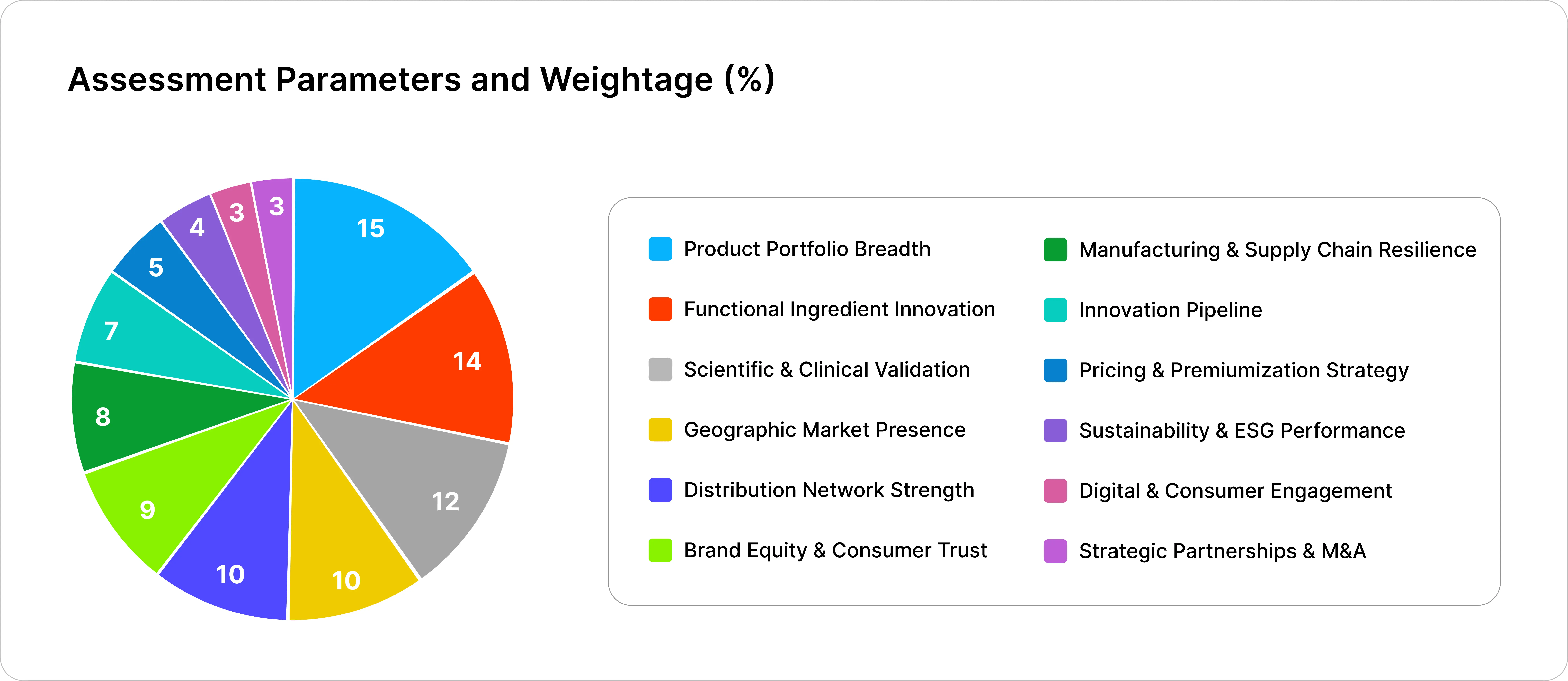
Scientific and clinical validation holds a significant weight of 12%, as proven health claims are increasingly crucial for regulatory acceptance, potential premium pricing, and consumer trust. The combination of geographic presence and distribution capability accounts for 20% of the overall score, underscoring the necessity of regional diversification and effective omnichannel market access for successful commercialization.
Operational excellence is assessed through factors like manufacturing resilience and the strength of the innovation pipeline, which gauge a company's ability to adapt to changing ingredient trends while ensuring supply continuity. Although sustainability, digital engagement, and strategic partnerships receive lower weightings, they are still considered strategically important as they contribute to competitive differentiation without necessarily dictating market leadership.
The cumulative weighted score generated by this framework allows for objective comparisons across multinational beverage companies, emerging wellness brands, and regional manufacturers. This standardized methodology equips investors and industry stakeholders to identify leaders in innovation, strengths in commercialization, potential operational risks, and avenues for future growth in the global functional beverages market.
Related Insights
Japan Functional Beverage Market Saturation: Growth Opportunities
Europe Sugar Reduction Regulations Driving Functional Beverage Innovation
Premium Functional Beverages in India: Opportunities Across Tier-2 & Tier-3 Cities
Functional Beverages Usage & Attitude Research