
Global Micronized Rubber Powder Market to Reach US$1,527.6 Million by 2031 as Tyre Makers Chase Recycled-Content Targets: Epignosis Insights
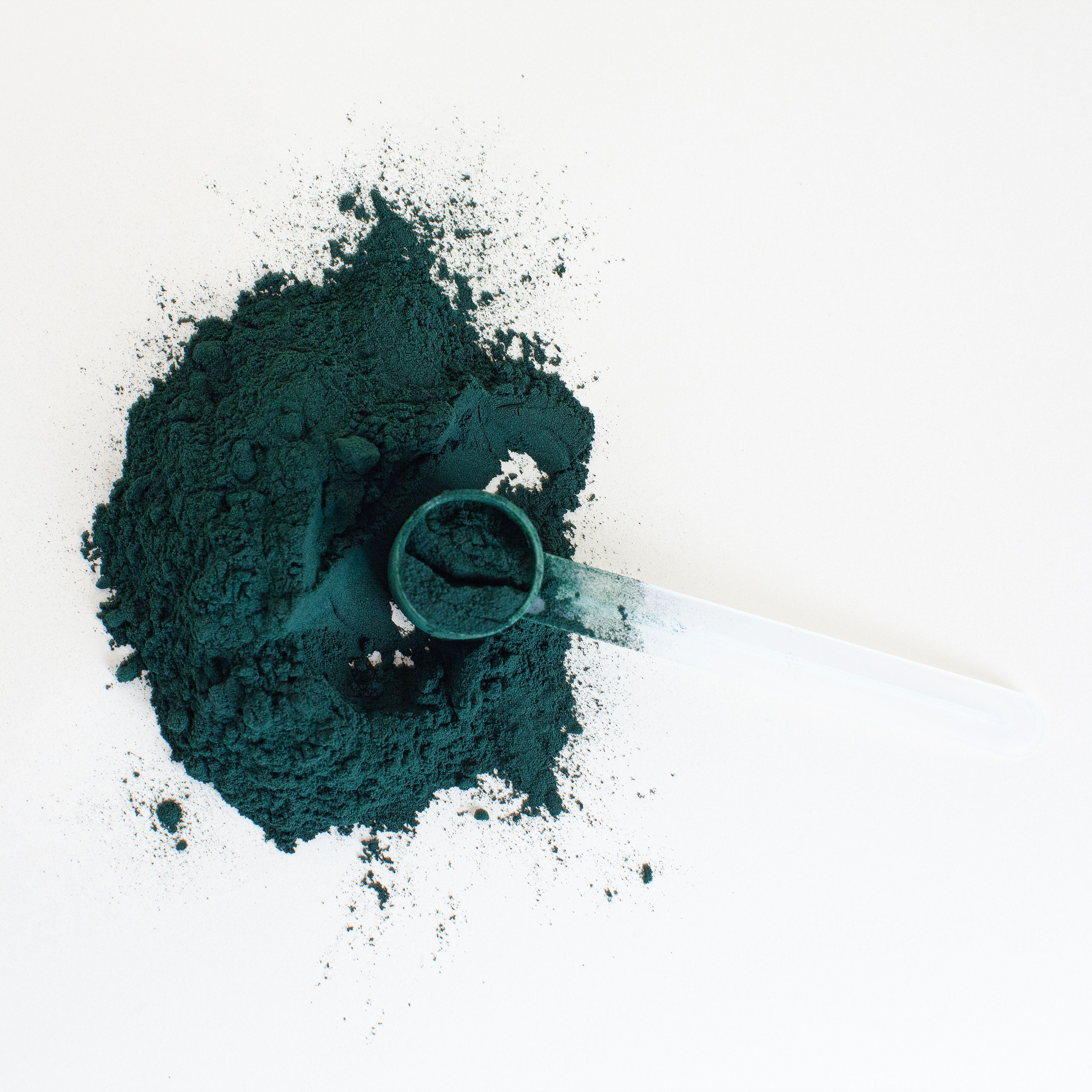
The Global Micronized Rubber Powder (MRP) Market was worth US$987.9 million in 2025 and is set to reach US$1,527.6 million by 2031, according to a new study by Epignosis Insights. That is a compound annual growth rate of 7.54%. Volume is forecast to grow from 1,708.4 kilo tonnes to 2,609.7 kilo tonnes over the same period, a CAGR of 7.32%.
The report, Global Micronized Rubber Powder Market Size, Share and Trends Analysis, 2026–2031, covers value and volume by particle size, source rubber, application, end user, region and country.
From Scrap Tyre to Specified Material
Micronized rubber powder is end-of-life tyre rubber ground fine enough to go back into new tyres, rubber goods, plastics, coatings and roads. For years it was treated as a cheap filler. That is changing. Tyre makers now have public goals for recycled and renewable content, and MRP is one of the few recycled materials that can go back into a tyre compound in meaningful amounts.
"The interesting thing about this market is that prices are almost flat while volumes are growing quickly," said [Analyst Name], [Designation] at Epignosis Insights. "Buyers will only use recycled powder if it beats virgin material on cost and matches it on quality. The producers who can do both, consistently, are the ones winning long-term contracts with tyre makers."
Report Highlights
- Market value of US$987.9 million in 2025, reaching US$1,527.6 million by 2031 at a 7.54% CAGR.
- Volume of 1,708.4 kilo tonnes in 2025, reaching 2,609.7 kilo tonnes by 2031 at a 7.32% CAGR.
- Average value per tonne of US$578 in 2025, rising only to US$585 by 2031.
- Fine powder up to 100 microns generated 58.3% of value from 23.9% of volume.
- Automotive applications took 47.7% of 2025 value; construction is the fastest-growing application at 8.22% a year.
- Tyre manufacturers accounted for 54.3% of the market.
- Asia Pacific led with US$417.8 million, or 42.3% of global value.
Fine Powder Carries the Value
The study finds a sharp split by particle size. Powder finer than 100 microns earns well over half of all revenue, even though it accounts for less than a quarter of the tonnes. These grades go into tyre treads, sidewalls and high-performance moulded parts, where smaller particles bond better with fresh rubber. Meanwhile, the 101–200 micron band is growing fastest by volume, at 10.98% a year, as makers of moulded goods, plastics blends and coatings find it gives most of the benefit at a lower cost.
Roads and Buildings Are the Fastest-Growing Outlet
Construction is the fastest-growing application, rising at 8.22% a year. Rubber-modified asphalt leads, supported by road programmes in the United States, China and India. Roofing, sealants, acoustic underlays and sports surfaces add further demand.
Regulation Is Reshaping Where Tyre Rubber Goes
In Europe, the ban on polymeric infill for synthetic sports pitches takes effect in October 2031. Rubber granulate from tyres has long been one of Europe's main infill materials, so recyclers will need new markets. Epignosis Insights expects much of that material to move into finer powder for compounds, plastics and asphalt, lifting European volume in the later years of the forecast.
Prices Stay Flat While Volumes Grow
Average realised value moves only from US$578 per tonne in 2025 to US$585 per tonne in 2031. The study attributes this to direct competition with virgin rubber, carbon black and polymers, which caps what buyers will pay for recycled powder. Producers are responding by improving product mix rather than raising prices: selling more fine and surface-treated grades, securing cleaner feedstock such as truck-tyre buffings, and cutting energy and nitrogen costs in their grinding lines. Those that manage all three are expected to grow faster than the market.
Quality Is the Gatekeeper
The report identifies consistency as the main barrier to faster adoption. Tyre and automotive compounders need tight control of particle size, contamination and rubber composition. Qualification with a major tyre maker can take a year or more, which favours established producers with multiple plants and strong documentation.
Regional Picture
Asia Pacific is the largest region, led by China with US$246.6 million in 2025. India is one of the fastest-growing markets at 9.59% a year. The United States is the largest single country at US$269.6 million. Unit values vary widely: North America averaged US$498 per tonne in 2025, the lowest of any region, while Latin America averaged US$857 per tonne, reflecting differences in product mix and competition.
Verified Producers
Every company in the report was checked against its own product information or recent industry reporting before inclusion. Profiled producers include Lehigh Technologies (Michelin Group), Genan, Tinna Rubber and Infrastructure, RubberJet Group, Kargro Recycling and Entech. Companies that make only crumb rubber or tyre-derived fuel were excluded. Each producer is assessed with the Epignosis Insights Competitive Assessment Framework (EICAF).
About Epignosis Insights
Epignosis Insights is a market research and brand intelligence consultancy based in Pune, India. It publishes syndicated research and delivers custom studies, price tracking and competitive intelligence for clients in materials, chemicals, automotive, industrial and consumer markets.