
Data Center Renewable Energy Market: How Renewable Power Is Reshaping the Global Data Center Industry
For most of their history, data centers treated electricity as a utility bill to be minimised. That era is over. As computing loads surge and carbon commitments harden, renewable power has moved from the sustainability report to the centre of site selection, contract strategy and investment planning. Epignosis Insights’ latest analysis of the global data center renewable energy market shows an industry being reshaped, quite literally, by where and how it sources its power.
A Market Growing at the Speed of Compute
The Global Data Center Renewable Energy Market was valued at USD 15.11 billion in 2024 and reached USD 16.64 billion in 2025. Epignosis Insights projects it will reach USD 52.48 billion by 2034, expanding at a CAGR of 16.7% during 2027–2034. That trajectory reflects a simple reality: every new megawatt of computing capacity now requires a matching plan for clean, reliable electricity.
Renewables already supply roughly 27% of the electricity physically consumed by data centers worldwide, with wind, solar PV and hydropower contributing most of it. Over 2024–2030, renewable generation is expected to meet nearly half of the sector’s additional electricity demand, making clean power the default growth pathway rather than an optional add-on.
From Grid Customers to Energy Strategists
The most visible change is behavioural. Data center operators increasingly act like energy companies, structuring long-term contracts, taking equity stakes in generation projects and negotiating directly with developers and utilities. The procurement toolkit has expanded well beyond simple green tariffs to include:
- Physical, virtual and sleeved power purchase agreements (PPAs)
- Renewable energy certificates (RECs) and utility green-power programmes
- Captive and group captive renewable structures, particularly in India
- Third-party procurement and on-site renewable generation
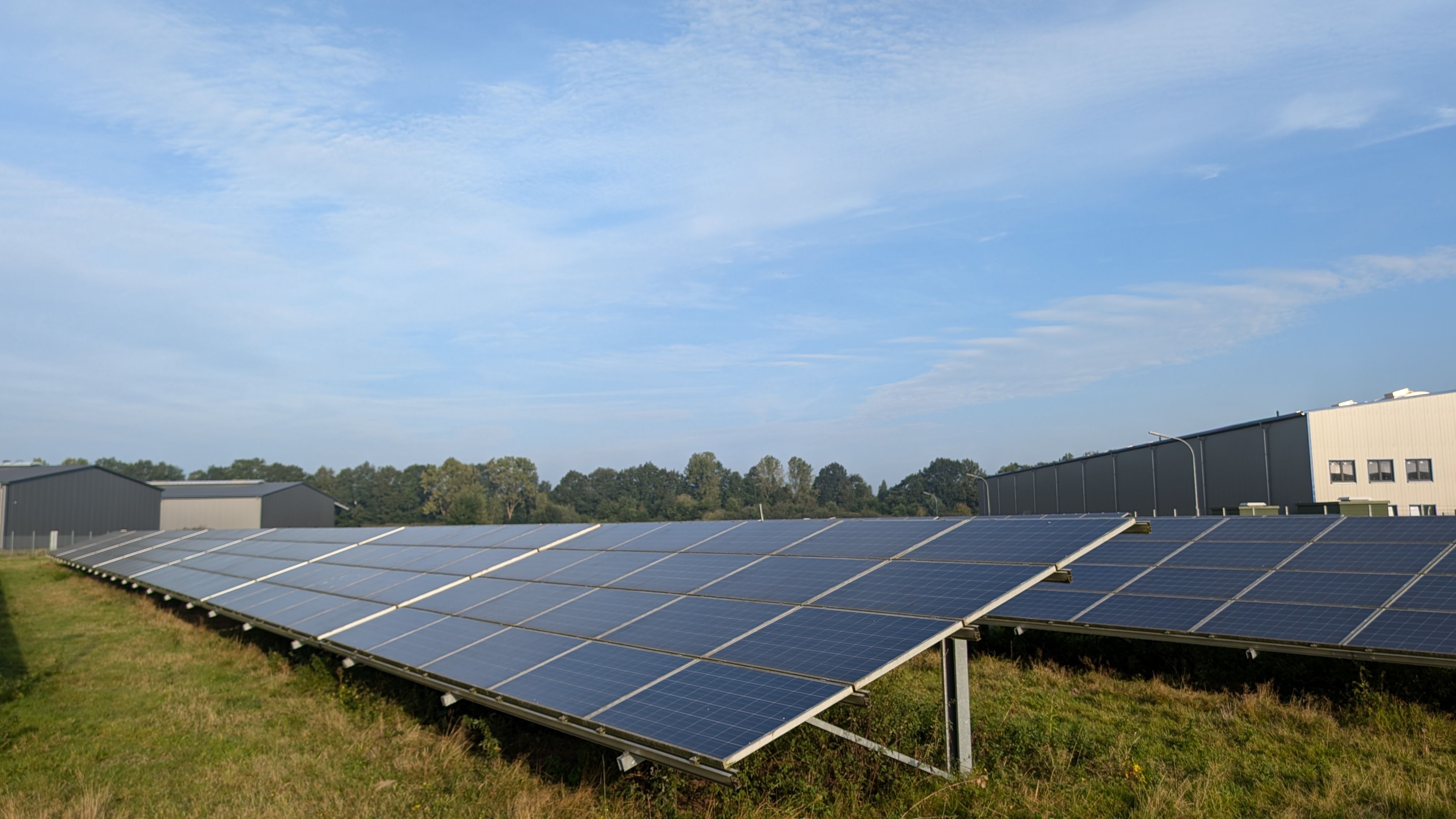
Because dense campuses rarely have room to generate meaningful power on site, off-site supply dominates. On-site solar and storage still play a role in trimming peak costs and improving resilience, but the real volume is secured through contracts with projects located elsewhere on the grid.
The Renewable Mix Behind Modern Data Centers
Solar PV is the workhorse of the transition. It has become the largest source of new renewable capacity globally, with more than 600 GW added in 2025 alone, and it can be deployed on rooftops, adjacent land or large off-site sites. Wind complements solar by generating at different times of day and across different geographies, which makes it a favourite of hyperscale buyers seeking large contracted volumes.
Hydropower brings stability, accounting for 14% of global electricity generation in 2024, while pumped storage can help balance variable resources. Geothermal is attracting fresh attention because it delivers firm output regardless of weather, although suitable resources are geographically limited. Biomass and other emerging sources remain smaller but useful for regional diversification.
Carbon Accounting Is Raising the Bar
Renewable power is also being reshaped by how it is counted. Proposed changes to Scope 2 accounting rules could make blanket “100% renewable” claims based on unbundled certificates harder to defend. Operators are responding by favouring bundled certificates, time-matched supply and contracts tied to specific assets. At the same time, attention is widening to Scope 1 emissions from backup diesel generators and refrigerants, and to Scope 3 embodied carbon in servers and construction materials.
Who Is Supplying the Power
The supply side is led by global renewable developers and utilities such as NextEra Energy, Brookfield Renewable Partners, ENGIE, Ørsted, Iberdrola, RWE, Enel Green Power, Clearway Energy and Invenergy. In India, ReNew Energy Global, Adani Green Energy, Avaada Energy, Greenko Group, CleanMax, Fourth Partner Energy and Hexa Climate Solutions are building portfolios aligned with fast-growing data center demand.
What This Means for the Industry
Three implications stand out. First, access to clean power is becoming a site-selection criterion as important as fibre connectivity or land cost. Second, procurement sophistication is now a source of competitive advantage, as operators that secure firm, credible supply early will face lower long-term price and compliance risk. Third, developers able to combine generation, storage and grid access into a single offer are best placed to win large contracts.
The Road Ahead
The data center industry is no longer simply consuming renewable energy; it is actively shaping how renewable capacity is financed, built and contracted worldwide. As AI workloads multiply and carbon scrutiny intensifies, that influence will only deepen through 2034.
Epignosis Insights’ full report, Global Data Center Renewable Energy Market: PPAs, Green Power, and Energy Procurement Opportunities, 2027–2034, provides detailed segmentation by energy source, procurement model and application, alongside competitive benchmarking of leading suppliers.