
Lower Proof, Busier Bars: How the 40–45% ABV Band and the On-Trade Are Redefining Bourbon Demand
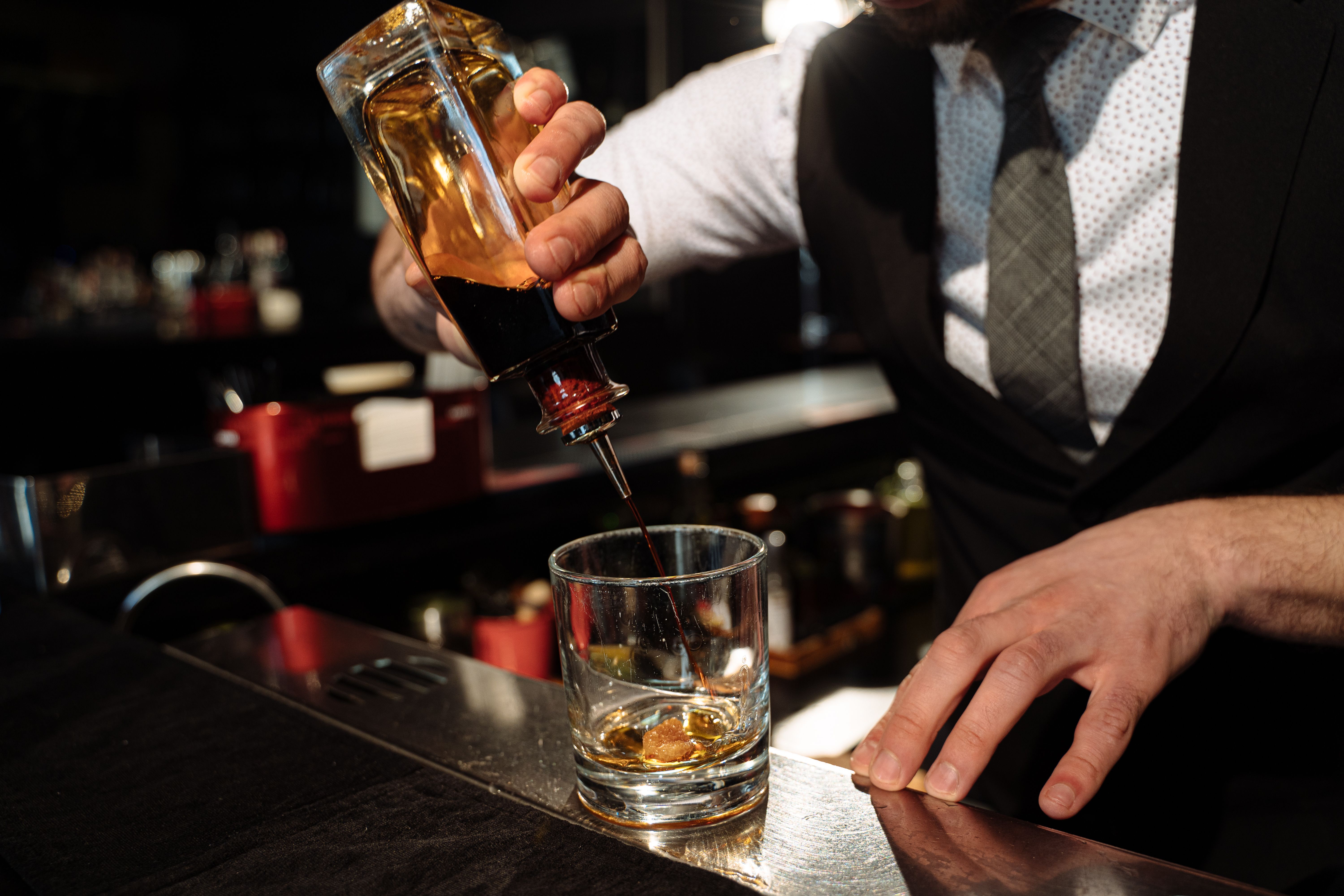
Bourbon's public image is often built around big, bold, high-proof whiskey poured neat. The data tells a more nuanced story. Epignosis Insights' latest analysis of the Global Bourbon Whiskey Market shows that the fastest growth is coming from lighter-strength expressions and from the bars, restaurants and hotels where most new drinkers first discover the category. Together, these two trends are quietly reshaping product development, pricing and route-to-market strategy across the industry.
The Strength Landscape: Where Bourbon Value Sits Today
In 2025, the global bourbon whiskey market was valued at US$8.67 billion. By alcohol content, value is concentrated in three bands:
- 45%–50% ABV: US$7.09 billion, or 81.8% of value. This is the home of most flagship 90 to 100 proof bourbons, including bottled-in-bond releases.
- 40%–45% ABV: US$1.48 billion, or 17.1% of value.
- Above 50% ABV: US$96.4 million, or 1.1% of value, covering barrel-proof and cask-strength releases.
The core band will remain dominant, reaching US$11.25 billion by 2032. But the growth leader is the 40%–45% ABV segment, projected to expand at a 7.53% CAGR to US$2.43 billion by 2032, ahead of the 6.98% growth of the core band and well ahead of the 3.96% growth of the above-50% ABV segment.
Why Lower-Strength Bourbon Is Gaining Ground
Mixability and the Highball Effect
Bourbon in the 40%–45% ABV range works well in long drinks, highballs and lighter cocktails, where a softer spirit lets citrus, soda and bitters show through. As cocktail menus increasingly feature lower-alcohol and sessionable serves, this band fits naturally into bar programmes.
Moderation Without Abandonment
Many consumers are drinking less often or choosing lighter serves, but they are not abandoning premium spirits altogether. A lower-strength bourbon allows them to enjoy the category while moderating total alcohol intake. This is a different consumer from the collector chasing cask-strength releases, and brands are starting to address both.
Tax Systems That Reward Lower Strength
In several markets, duty is linked directly to alcohol content. HM Revenue & Customs' strength-based alcohol duty regime, introduced in the United Kingdom in August 2023, is a clear example: every additional percentage point of ABV carries additional duty. Where such systems apply, lower-strength expressions gain a structural price advantage on the shelf and on the bar menu.
Emerging-Market Entry Points
The 40%–45% ABV band is growing fastest in markets where bourbon is still being introduced. In India the band is projected to grow at 12.28% annually, and in China at 9.68%. Approachable strength makes it easier for new drinkers accustomed to local whiskies to try bourbon for the first time.
Why High-Proof Growth Is Slowing
The above-50% ABV segment remains culturally important, but its economics have changed. During the allocation era, scarcity premiums drove strong price growth for barrel-proof releases. With record inventories now maturing, limited editions are easier to obtain and secondary-market prices have softened. Epignosis Insights expects the segment to remain a valuable brand halo rather than a major growth contributor.
The On-Trade: Bourbon's Recruitment Engine
Channel data reinforces the importance of the mixed-drink occasion. The on-trade, comprising bars, restaurants and hotels, accounted for US$3.62 billion, or 41.8%, of global bourbon value in 2025. It is the fastest-growing channel at a 7.54% CAGR and is projected to reach US$5.97 billion by 2032, raising its share to 43.2%.
Other channels are growing more slowly. Supermarkets and hypermarkets, with 33.9% of value, are projected to grow at 6.74%, liquor and wine stores at 6.91%, and other channels, including e-commerce and travel retail, at 5.04%.
Why Bars Matter More Than Their Share Suggests
Bars do more than sell bourbon; they create bourbon drinkers. Classic cocktails such as the Old Fashioned, Manhattan and Whiskey Sour introduce consumers to the category in a guided, low-risk setting. A drinker who discovers a brand behind the bar is more likely to buy it later at retail, which means on-trade investment supports off-trade sales as well.
Regional Contrasts
Channel structures vary widely. In India, the on-trade represents 55.8% of bourbon value, reflecting the role of premium bars in metro cities. In the United States, the on-trade share is projected to rise from 38.3% in 2025 to 40.5% by 2032. In the UAE, by contrast, supermarkets and hypermarkets hold a larger share than the on-trade, shaped by local licensing rules and tourism patterns.
What Brand Owners Should Do
The convergence of lighter strength and on-trade growth points to several practical priorities:
- Develop or reposition 40%–45% ABV expressions specifically for highballs and long drinks, rather than treating them only as entry-level products.
- Build bartender programmes and signature-serve partnerships, especially in fast-growing markets such as India, China and Mexico.
- Use high-proof and limited releases as brand-building halos rather than volume drivers.
- Align pack and price ladders with local duty structures, where strength-based taxation can make or break shelf competitiveness.
The Bottom Line
Bourbon's growth through 2032 will depend less on the next barrel-proof release and more on the next great highball. With the global market projected to grow at a 7.04% CAGR from 2026 to 2032, the brands that win will be those that make bourbon easy to enjoy in the places and formats where new drinkers are forming their habits.
For detailed segment forecasts by alcohol content and sales channel across 18 country markets, explore the Epignosis Insights Global Bourbon Whiskey Market report.