Global Palm Oil Price Tracker
Week 42, 2026 | Trading week 12–16 October 2026


Week 42, 2026 | Trading week 12–16 October 2026
Crude Palm Oil (CPO) recovered firmly in Week 42 even as the industry absorbed the most bearish monthly supply print in more than a decade. The third-month January 2027 contract on Bursa Malaysia Derivatives closed the week at RM4,769 per tonne, a gain of 3.85% and its second consecutive weekly rise, as a sharp rebound in Malaysian export shipments and festival-season buying from India outweighed record Malaysian inventories. Epignosis Insights assesses the market as caught between two opposing forces: a heavy prompt supply position in Malaysia, which is visible in a widening contango across the forward curve, and an increasingly credible 2027 supply squeeze driven by a strong El Niño and Indonesia’s B50 biodiesel mandate. Our net bias for the coming week is neutral-to-firm, with an expected trading range of RM4,620–4,880 on the benchmark contract.
| Indicator | Latest | Previous | Change |
| FCPO Jan-27 futures (RM/t) | 4,769 (16 Oct) | 4,592 (9 Oct) | +3.85% |
| FCPO Jan-27 futures (US$/t) | ~1,169 | ~1,125 | +3.9% |
| Malaysia physical CPO, Oct South (RM/t) | 4,440 (15 Oct) | 4,530 (25 Sep) | −2.0% |
| Nov–Mar futures spread (RM/t) | +423 (15 Oct) | +363 (25 Sep) | +60 |
| Indonesia CPO reference price (US$/t) | 1,042.15 (Oct) | 1,007.51 (Sep) | +3.44% |
| Malaysia CPO reference price (RM/t) | 4,323.78 (Nov) | 4,452.66 (Oct) | −2.9% |
| Malaysia palm oil stocks (Mt) | 3.51 (Sep) | 2.82 (Aug) | +24.5% |
| India palm oil imports (kt) | 818 (Sep) | 783 (Aug) | +4.5% |
Source: Epignosis Insights compilation and calculations from the exchange, government and industry data cited in this report; US$ values at prevailing RM/US$ rates.
Reuters reported that the benchmark January contract added RM44 on Friday to settle at RM4,769 (about US$1,169) per tonne, with traders crediting bargain buying and stronger first-half October shipments for the week’s 3.85% advance. The week opened under pressure from the record inventory data released on Monday, but prices recovered as cargo surveyor numbers pointed to a meaningful pickup in demand. Price action across related markets was mixed: Dalian soyoil and palm contracts slipped below 1% on Friday, while the ringgit was broadly stable against the dollar, leaving the currency effect on export competitiveness negligible for the week.
Epignosis Insights tracks the January 2027 contract specifically because it is now the liquid benchmark and gives a consistent read across the contract roll. As Figure 1 shows, the contract has round-tripped over three weeks, falling from RM4,768 on 25 September to a low near RM4,592 on 9 October before recovering almost all of that loss by 16 October. The rebound has carried prices back to the top of the RM4,600–4,750 band that local traders had flagged as support and resistance, which makes the coming week’s export data important in deciding whether that ceiling breaks.
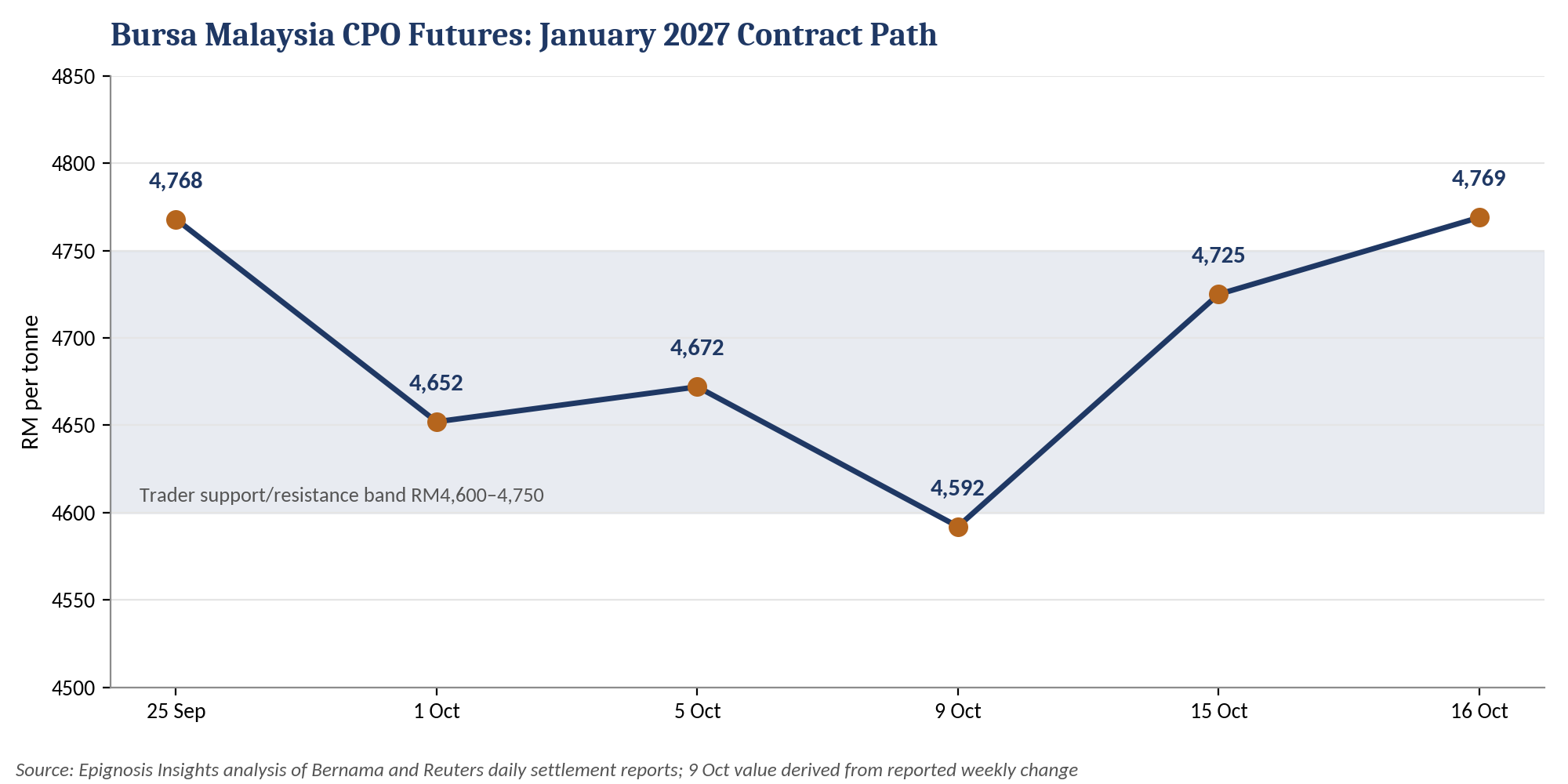
Figure 1: January 2027 CPO futures settlement path
Bernama’s settlement data show a forward structure that tells a more cautious story than the headline futures rally. On 15 October the November contract settled at RM4,476 while March 2027 settled at RM4,899, a carry of RM423 that has widened from RM363 on 25 September. The physical Malaysian CPO price for October South delivery fell to RM4,440 per tonne over the same period. Epignosis Insights reads this combination as a market that is comfortable paying up for deferred supply in early 2027 but reluctant to absorb prompt tonnes, which is the classic signature of near-term surplus alongside forward weather risk.
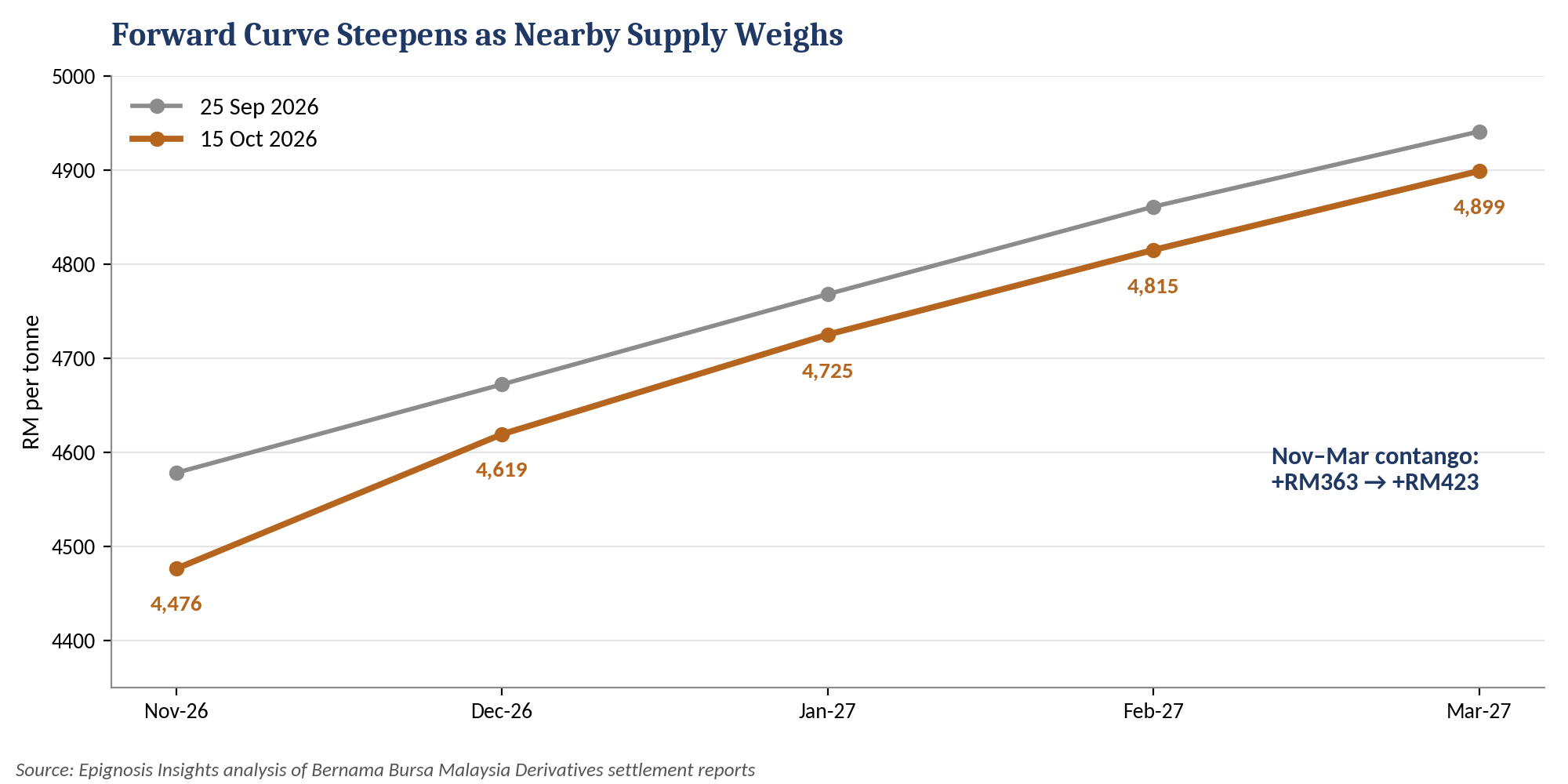
Figure 2: CPO futures forward curve, 25 September vs 15 October 2026
The Malaysian Palm Oil Board’s September data were decisively bearish. Total palm oil stocks rose 24.5% month-on-month to 3.51 million tonnes, a record, as crude palm oil output climbed 16.5% to 2.12 million tonnes, the highest monthly production since August 2015 and the fourth straight monthly gain. Exports fell 12.1% to 1.12 million tonnes, the second consecutive monthly decline. On Epignosis Insights calculations, September closing stocks now equal more than three months of export demand at the current run-rate, which explains the soft prompt structure. Seasonal output typically peaks between September and October, so the pace of stock accumulation should slow from November.
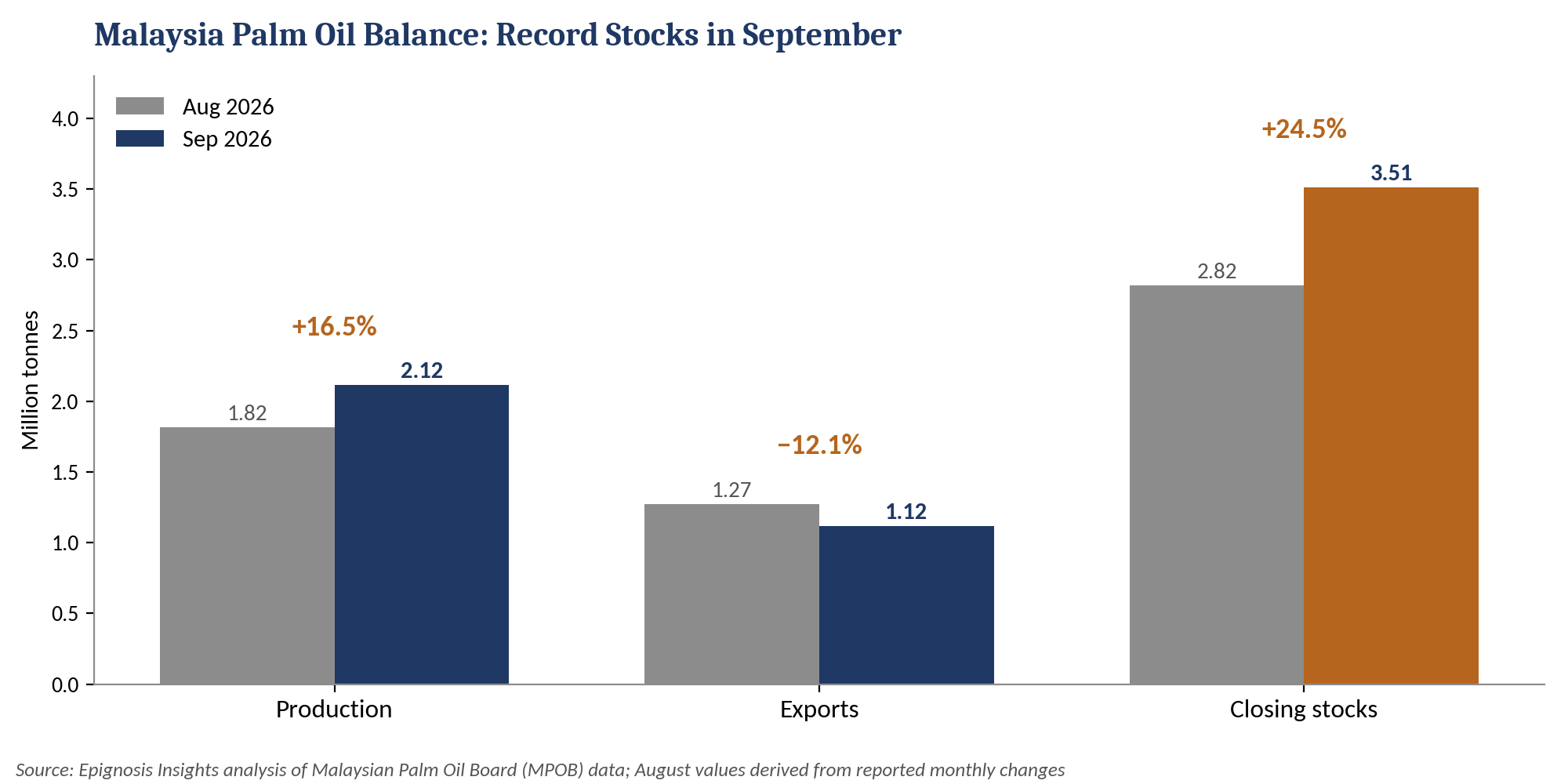
Figure 3: Malaysia palm oil production, exports and stocks, August vs September 2026
Indonesia presents the opposite picture. Data from GAPKI, the Indonesian Palm Oil Association, show end-August stocks fell 19.7% to 2.21 million tonnes as exports rose 12.6% to 3.59 million tonnes and domestic consumption, led by biodiesel, edged higher. More importantly for prices, GAPKI projects that production will fall to 56.6 million tonnes in 2027 from an estimated 58.8 million tonnes this year, while biodiesel use rises from 14.7 to 17.4 million tonnes once the B50 mandate starts in January. The association expects exports to shrink to 26.5 million tonnes in 2027 from 31 million tonnes in 2026, a cut of roughly 4.5 million tonnes in the world’s largest export pool.
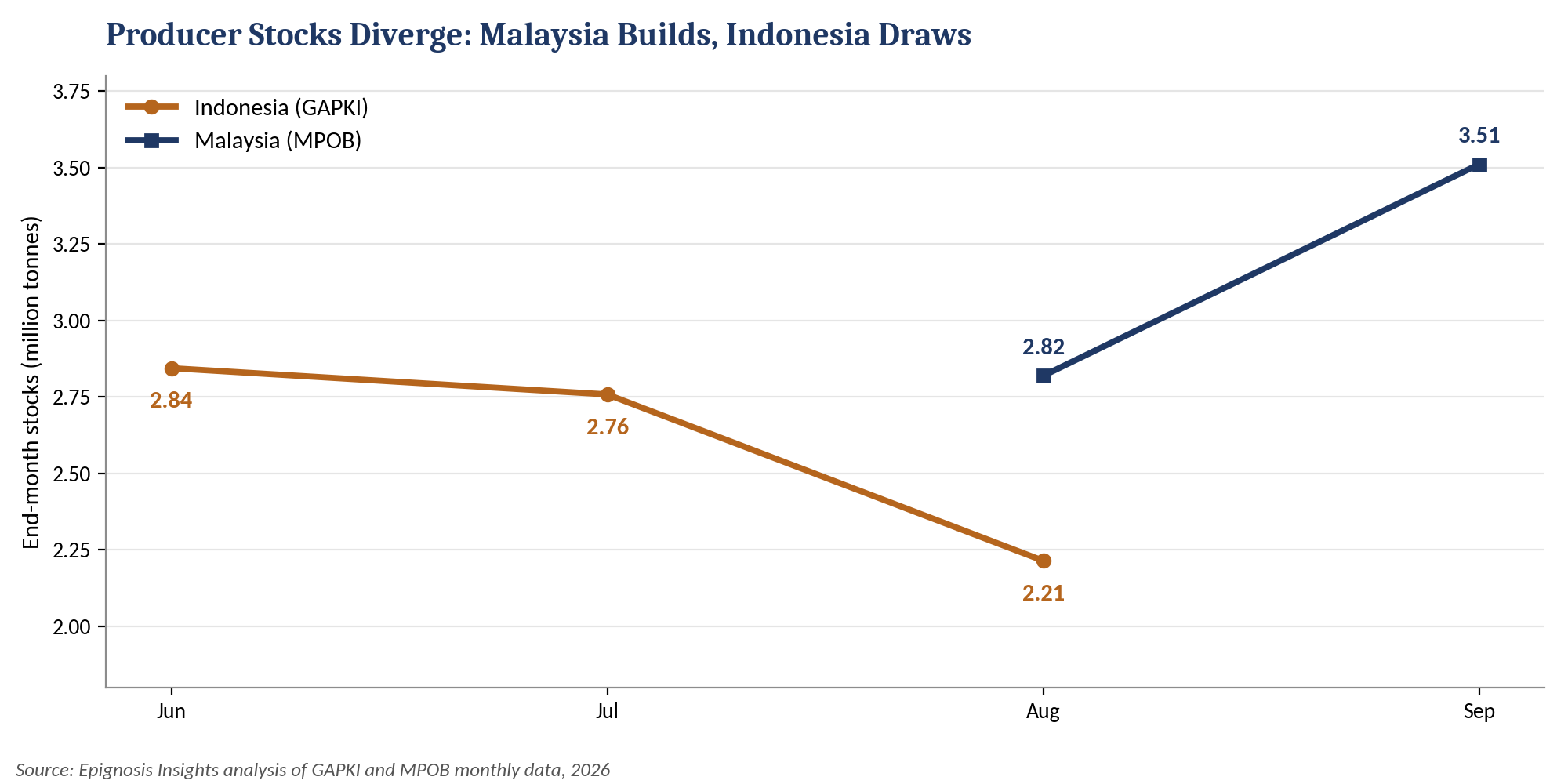
Figure 4: End-month palm oil stocks, Indonesia vs Malaysia
The U.S. National Oceanic and Atmospheric Administration’s Climate Prediction Center, in its 8 October update, kept an El Niño Advisory in place and assessed a strong-to-very-strong event as likely through January–March 2027 with a probability above 83%. Niño-3.4 sea surface anomalies reached +2.1°C. For oil palm, dry stress during an El Niño typically affects yields with a lag of roughly 6–12 months as it disrupts flower formation, so today’s heavy Malaysian harvest does not contradict a tighter 2027. This lag is the main reason deferred contracts are holding their premium.
Cargo surveyor estimates from Intertek Testing Services and AmSpec Agri Malaysia were the key bullish catalyst of the week. Intertek put Malaysian palm oil exports for 1–10 October at 525,071 tonnes, up 33.5% from the same period of September, while AmSpec reported 491,954 tonnes, up 37.7%. Later estimates for 1–15 October widened the gain to between 43% and 58%. If that pace holds, October exports would comfortably exceed September’s 1.12 million tonnes, which would start drawing down the inventory overhang.
India’s Solvent Extractors’ Association reported that September palm oil imports rose 4.5% to 817,884 tonnes, a seven-month high, while sunflower oil imports fell 32% to 108,837 tonnes, the lowest since April 2022, as Black Sea disruptions curtailed Russian and Ukrainian supply. Soyoil imports eased 2.2% to 614,965 tonnes. On Epignosis Insights calculations, palm’s share of India’s 1.54 million tonnes of edible oil imports rose to about 53% from roughly 50% in August. With Diwali demand still to come and sunflower logistics constrained, India should remain the anchor of palm demand into November.
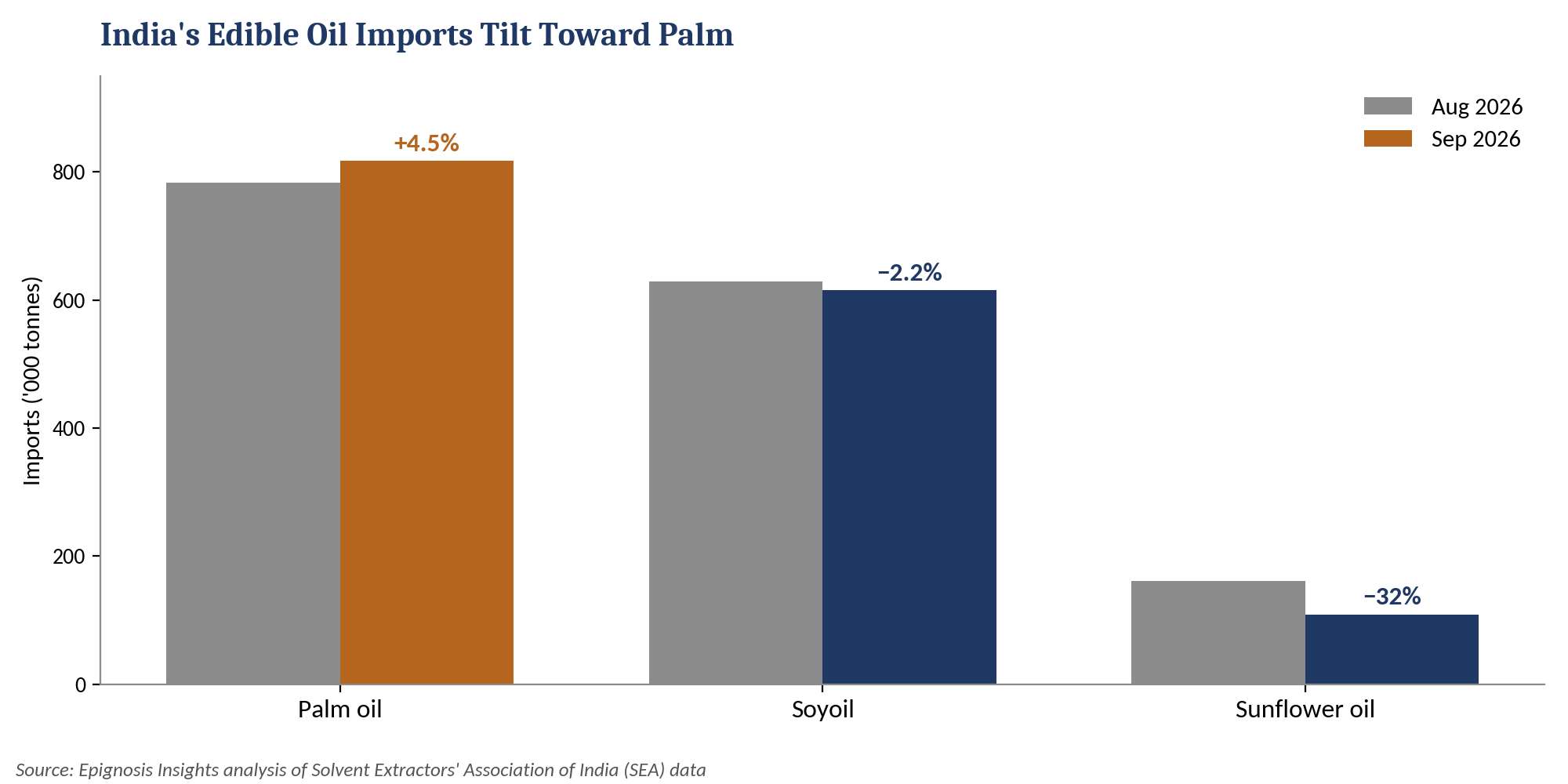
Figure 5: India edible oil imports by type, August vs September 2026
Palm oil rarely moves in isolation. It competes directly with soyoil and sunflower oil for a share of the global edible oil market, and its price is also tied to energy through biodiesel. When crude oil weakens, the economic case for discretionary blending beyond mandated levels erodes, removing a marginal source of demand. Epignosis Insights notes that this week’s firmer palm prices came despite slightly softer Dalian and Chicago soyoil on Friday, which suggests that the rally was driven by palm-specific export news rather than broad strength across vegetable oils. That makes the move more fragile: if competing oils weaken further, palm’s discount to soyoil could narrow enough to slow the very buying that supported prices.
Export taxes are widening the cost gap between the two largest suppliers. Indonesia’s Ministry of Trade raised the October CPO reference price by 3.44% to US$1,042.15 per tonne, lifting the export duty to US$178 and the export levy, fixed at 12.5% of the reference price, to US$130.27, for combined charges of about US$308 per tonne. In Malaysia, The Edge Malaysia reported that the November reference price was cut to RM4,323.78 per tonne, which keeps the export duty at its 10% ceiling. On Epignosis Insights calculations, that equates to roughly US$106 per tonne, about US$200 less than Indonesia’s combined charges. That advantage helps explain why Malaysian exports rebounded so sharply in early October despite firm prices.
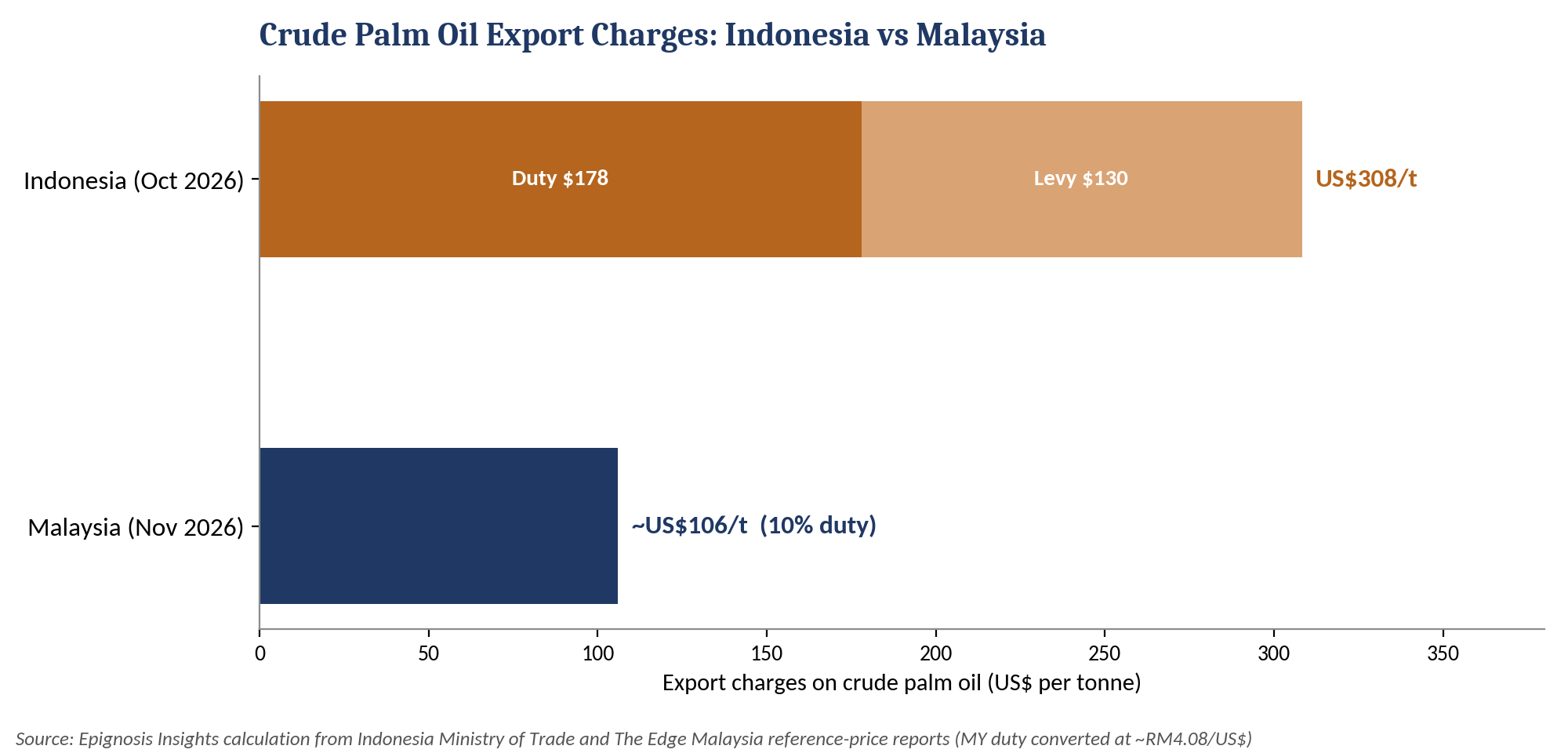
Figure 6: Export charges on crude palm oil, Indonesia vs Malaysia
SD Guthrie, one of the world’s largest planted-area producers, reported a realised CPO price of RM4,283 per tonne for the second quarter of FY2026, up 3% year-on-year, with first-half FFB production down about 2%. In its outlook the company said it expects CPO prices to stay elevated, citing tightening global supply, resilient demand, biofuel mandates and El Niño risks. The current futures price sits nearly RM500 above that realised level, implying meaningful upside to plantation margins in the fourth quarter if prices hold.
BMI, a unit of Fitch Solutions, raised its 2026 average CPO price forecast to RM4,453 per tonne and set its 2027 average at RM4,543 per tonne. It projects global palm oil output broadly flat at 81.4 million tonnes in 2026/27 while consumption rises 2.7% to 79.9 million tonnes, and it cut its Malaysian production forecast by 3.5% to 19.5 million tonnes. Epignosis Insights notes that the January contract is already trading about 7% above BMI’s 2026 average, so much of the forecast tightening may already be priced into deferred contracts.
Figure 7 summarises the Epignosis Insights driver assessment for Week 42. Bullish drivers are concentrated in the forward period: El Niño, B50 and Indian demand all tighten the 2027 balance. Bearish drivers are concentrated in the prompt market: record Malaysian stocks, peak-season output and a softer energy complex that narrows the biodiesel discretionary blending margin. The result is a market that rallies on demand surprises but struggles to hold gains above RM4,800 without evidence that Malaysian stocks have peaked.
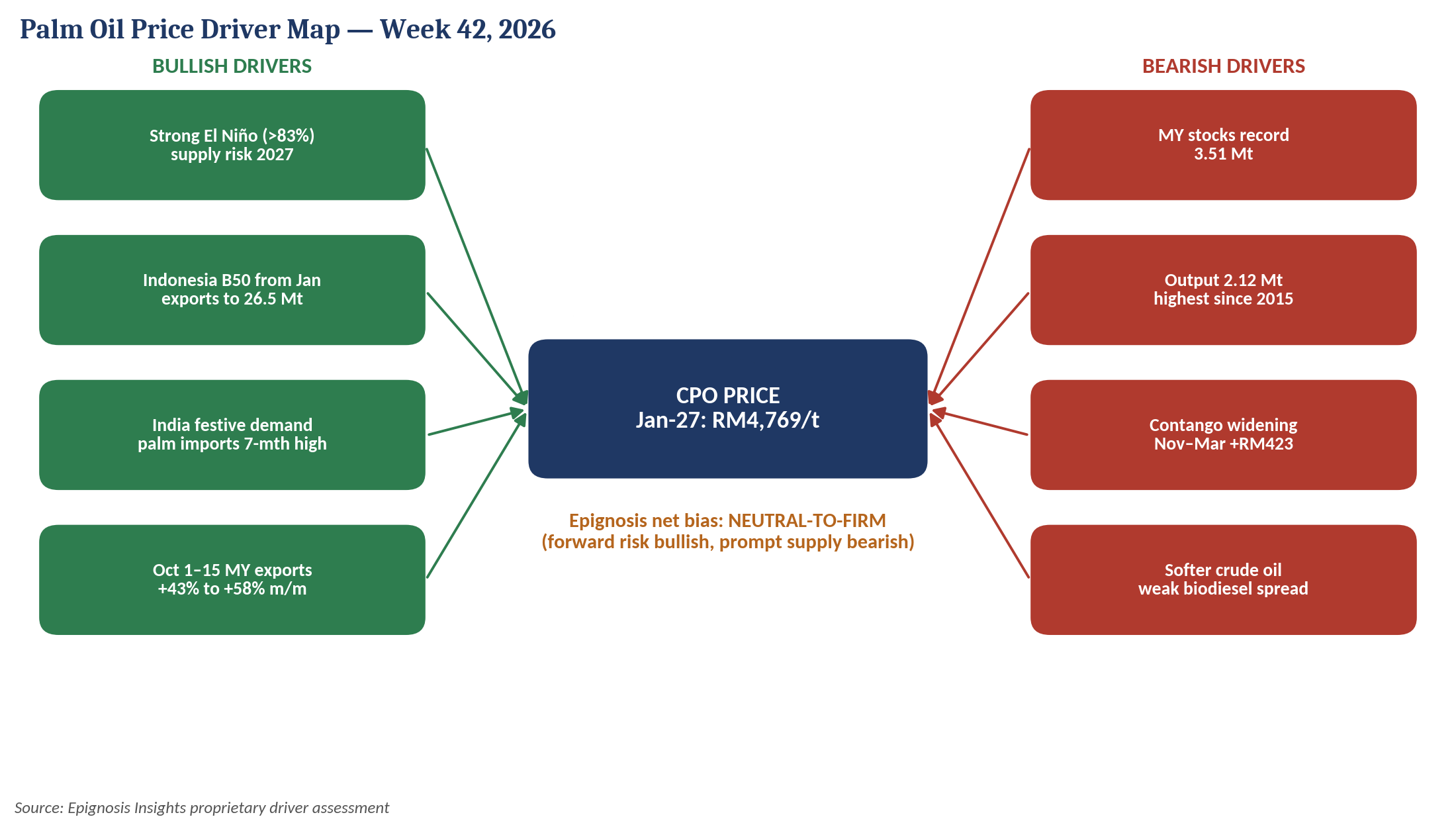
Figure 7: Epignosis Insights palm oil price driver map
For the week of 19–23 October, Epignosis Insights expects the January 2027 contract to trade between RM4,620 and RM4,880 per tonne, with a modest upward bias if cargo surveyor estimates for 1–20 October confirm export growth above 40% month-on-month. The principal downside risks are a further slide in crude oil, which weakens palm’s appeal as a biodiesel feedstock, and any sign that Malaysian October output is holding near September’s level. Over a three-month horizon the balance of risk is skewed higher, as El Niño and B50 begin to affect sentiment ahead of physical supply.
| Scenario | Jan-27 range (RM/t) | Key triggers |
| Base case (55%) | 4,620–4,880 | Exports up 35–45% m/m; stocks stabilise near 3.5 Mt; crude range-bound |
| Bull case (25%) | 4,880–5,050 | Exports up >50%; early El Niño dryness reports; B50 timeline confirmed |
| Bear case (20%) | 4,450–4,620 | Export pace fades; October output stays above 2 Mt; crude sell-off |
Source: Epignosis Insights scenario analysis; probabilities are analyst judgement, not statistical forecasts.
For importers and refiners, the steep contango argues for securing prompt and November physical cover while it trades at a discount to deferred months, rather than chasing first-quarter 2027 positions that already carry a weather premium. For producers, the same structure offers an opportunity to hedge part of their first-quarter output at prices well above current physical levels and above most published annual forecasts. For biodiesel blenders and policy-exposed buyers in Indonesia, the rising reference price means a higher levy outlay in November if prices stay firm. Downstream food manufacturers should treat the current range as a reasonable entry point for staggered cover, given that the main upside risks are structural and slow-moving rather than short-lived.
Key data to watch next week include cargo surveyor estimates for 1–20 October, China’s third-quarter GDP release, Indonesia’s November reference price announcement and any official confirmation of the B50 start date.