Key Findings
- Global automotive ambient light market is projected to reach US$6,330.4 million by 2032 from US$3,201.5 million in 2025.
- Market revenue is expected to grow at a 10.3% CAGR from 2026 to 2032, with annual growth rising from 9.6% in 2025 to 10.8% in 2032.
- Vehicle installations of ambient lighting are estimated to rise from about 28.4 million in 2025 to about 60.2 million by 2032, a volume CAGR of approximately 11.4% from 2026 to 2032.
- Footwell lighting is the largest application at 29.4% of 2025 value, while dashboard lighting is the fastest growing at an 11.2% CAGR.
- RGB LEDs lead technology with a 33.7% share, while addressable digital RGB LEDs grow fastest at 11.0%.
- SUVs and luxury vehicles together account for 74.4% of 2025 value, with luxury vehicles projected to overtake SUVs as the largest vehicle segment in 2030.
- OEM channels account for 74.2% of 2025 value, while the aftermarket grows faster at an 11.0% CAGR.
- Asia Pacific holds 43.6% of global value, while North America is the fastest growing region at an 11.0% CAGR.
- The top three suppliers, ams OSRAM, Valeo and Hella, held approximately 48.0% of 2023 revenue.
- The market adds approximately US$3.1 billion in annual revenue between 2025 and 2032.
Global Automotive Ambient Light Market Outlook
The Global Automotive Ambient Light Market was valued at US$2,678.4 million in 2023 and US$2,922.2 million in 2024. It is estimated at US$3,201.5 million in 2025 and is projected to reach US$6,330.4 million by 2032, registering a CAGR of 10.3% during the 2026 to 2032 forecast period. The market adds approximately US$3,128.9 million in annual revenue between 2025 and 2032 and nearly doubles in size over the period.
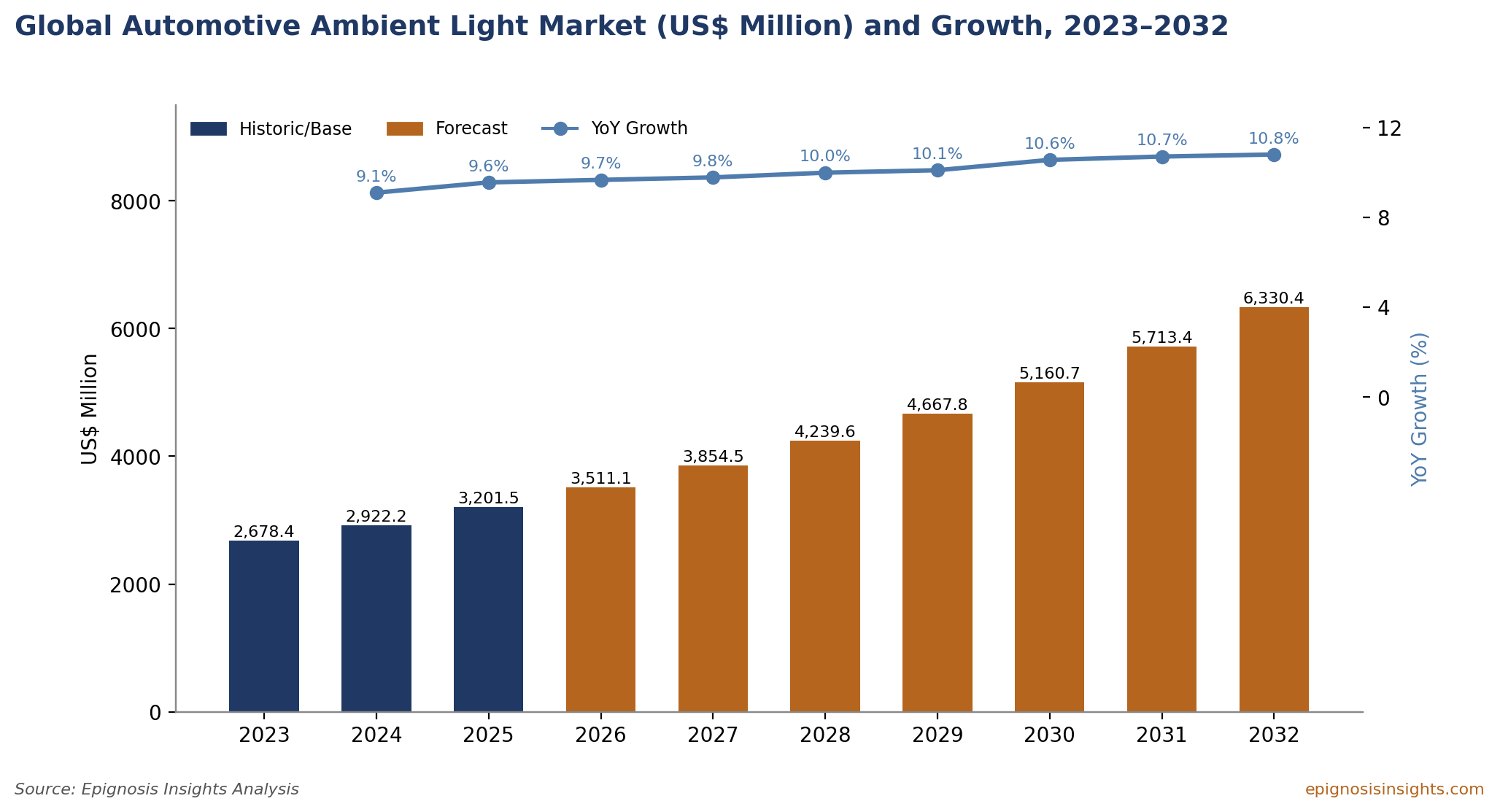
Figure 1: Global Automotive Ambient Light Market (US$ Million) and Year-on-Year Growth, 2023–2032
Growth accelerates gradually through the forecast period, rising from 9.1% in 2024 and 9.6% in 2025 to 10.0% in 2028 and 10.8% in 2032. Ambient lighting has evolved from a single strip of light in premium vehicles into a core element of interior design, brand identity and human-machine interaction. As automakers compete on cabin experience rather than horsepower alone, particularly in electric vehicles where interiors are redesigned around large screens and open layouts, ambient lighting has become one of the most visible and cost-effective ways to differentiate a vehicle.
Automotive ambient lighting refers to decorative and functional interior and exterior illumination that creates atmosphere, highlights design features and communicates information to occupants. Systems typically consist of LED light sources, light guides or fibre optics, diffusers and electronic controllers, and are installed in footwells, door panels, dashboards, centre consoles, roof liners and, increasingly, exterior elements such as illuminated logos, grilles and door handles.
The market's structure combines line-fit revenue from automakers, which accounts for the large majority of value and follows vehicle production and model launch cycles, with a fast-growing aftermarket driven by consumer customisation. Because lighting content is decided early in vehicle development, today's design trends in concept cars and new electric vehicle platforms provide strong visibility into demand several years ahead.
Global Automotive Ambient Light Market: Volume and Content Analysis
Epignosis Insights estimates that ambient lighting systems were installed in approximately 23.3 million vehicles in 2023, 25.7 million in 2024 and 28.4 million in 2025, including both factory-fitted and aftermarket installations. Installations are projected to reach about 31.5 million in 2026, 48.1 million in 2030 and 60.2 million by 2032, a volume CAGR of approximately 11.4% between 2026 and 2032. Volume estimates are derived from the market value model and an estimated average ambient lighting content per installation.
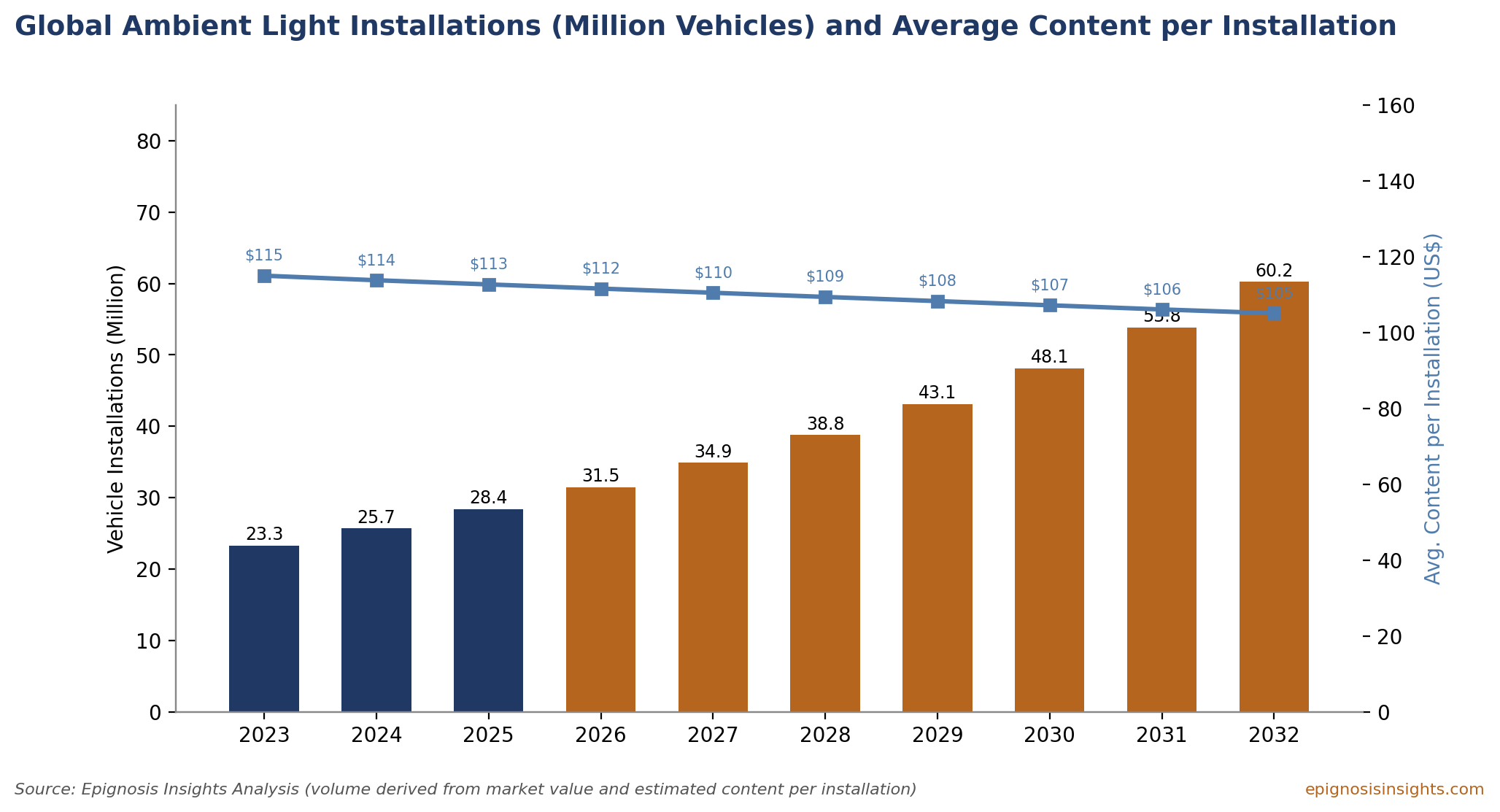
Figure 2: Global Ambient Light Installations (Million Vehicles) and Average Content per Installation (US$), 2023–2032
The average content per installation is estimated to ease from about US$115 in 2023 and US$113 in 2025 to about US$105 by 2032. Two opposing forces shape this trend. LED component costs continue to fall, and ambient lighting is spreading into mid-range and entry-level vehicles where systems are simpler. At the same time, premium vehicles are adding more lighting zones, addressable LEDs and dynamic functions, raising content per vehicle at the top of the market. The net result is a modest decline in average content, which allows installation volumes to grow faster than market value.
The volume trajectory signals broad democratisation. Ambient lighting, once largely confined to premium brands, is becoming a common feature in compact SUVs, family sedans and electric vehicles across all price segments. By 2032, the estimated 60 million installations, including aftermarket kits, indicate that ambient lighting will be present in a majority of new vehicles sold in major markets.
Global Automotive Ambient Light Market Dynamics
Cabin Experience Becoming a Primary Purchase Criterion
The strongest driver of the market is the growing importance of the cabin experience in vehicle purchasing decisions. As electric vehicles reduce differences in powertrain performance and noise, automakers increasingly differentiate through interior design, comfort and technology. Ambient lighting allows designers to create a distinctive atmosphere, highlight premium materials and give vehicles a recognisable character at a relatively low cost compared with other interior upgrades.
Consumers, particularly younger buyers, increasingly expect personalisation. Multi-colour lighting that can be adjusted through the infotainment system or a smartphone app, coordinated with driving modes or music, has become a visible feature in vehicle reviews, advertising and showrooms. In China, where buyers place particular emphasis on digital cabin features, extensive ambient lighting has become a standard expectation even in mid-priced vehicles.
Functional Lighting and Human-Machine Interaction
Ambient lighting is moving beyond decoration into functional roles. Addressable LED strips can display dynamic light patterns that communicate with occupants, such as warning of vehicles in the blind spot, indicating navigation directions, signalling incoming calls, showing battery charging status or alerting drivers to drowsiness. In vehicles with advanced driver assistance and automated driving functions, light is used to indicate system status and when the driver needs to take control.
These functional uses increase the value of lighting systems because they require more LEDs, more sophisticated controllers and integration with vehicle software. They also make ambient lighting part of safety and user experience strategy rather than optional decoration, supporting adoption across more vehicle models.
Cost Sensitivity and Integration Complexity as Constraints
Cost remains a constraint, particularly in entry-level vehicles and price-sensitive markets where automakers carefully manage interior content. Each additional lighting zone requires LEDs, light guides, wiring and controllers, and integration with trim parts adds engineering and validation costs. Glare, distraction and light uniformity must be carefully managed to avoid affecting driver visibility at night, and lighting must meet automotive durability standards across temperature extremes and vibration.
Integration complexity is increasing as systems become more advanced. Addressable lighting requires communication networks, software and coordination between lighting suppliers, interior trim suppliers and automakers. Smaller suppliers without software and electronics capability may struggle to compete as systems evolve.
Electric Vehicles Opening New Design Space
Electric vehicles represent a significant opportunity. Without a conventional engine and transmission tunnel, electric vehicle interiors often feature flat floors, open consoles and wide dashboards, giving designers more space for light lines and illuminated surfaces. Many electric vehicle brands use ambient lighting to communicate charging status, energy flow and vehicle readiness, and to create a calm, lounge-like cabin. As electric vehicle production grows in China, Europe and North America, it expands the number of vehicles designed with extensive ambient lighting from the outset.
Emerging technologies are also widening the design palette. Backlit and translucent surfaces, such as illuminated wood, fabric, leather and decorative panels, allow light to appear through interior materials without visible light sources. Thin, flexible light guides and micro-LED technologies enable lighting in curved and confined spaces, while integration with sound systems and climate control allows coordinated multi-sensory cabin experiences.
Global Automotive Ambient Light Market: Type Analysis
Footwell lighting is the largest application, valued at US$939.9 million in 2025, equivalent to 29.4% of the market, and is projected to reach US$1,911.9 million by 2032 at a 10.8% CAGR. Footwell lights were among the first ambient lighting features and remain standard on most equipped vehicles, providing orientation for occupants entering and exiting the car and setting the cabin atmosphere.
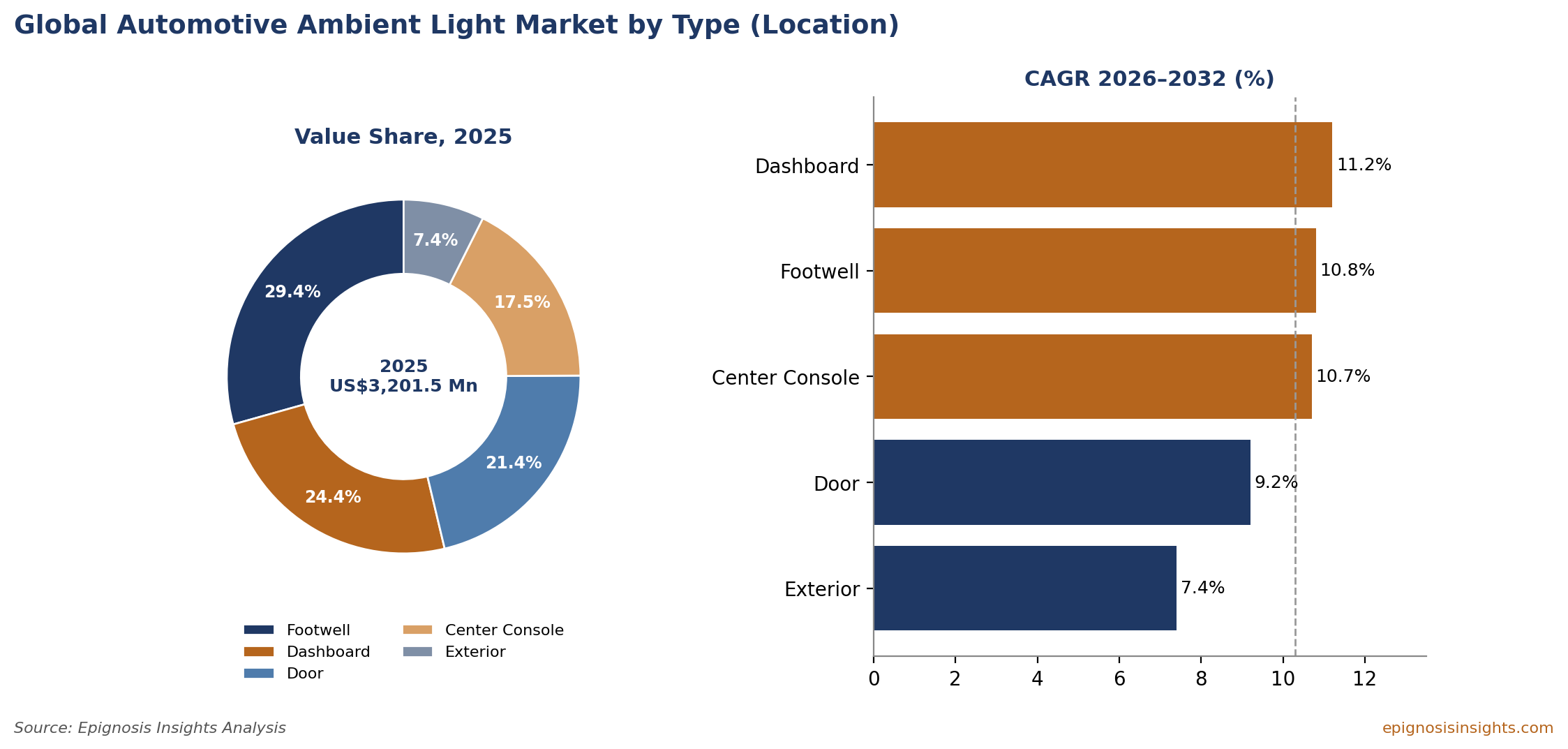
Figure 3: Global Automotive Ambient Light Market by Type – 2025 Share and 2026–2032 CAGR
Dashboard lighting is the second largest and fastest growing application, rising from US$780.3 million in 2025 to US$1,631.9 million by 2032 at an 11.2% CAGR. Dashboards are becoming the focal point of cabin design, with long light lines spanning the width of the instrument panel and integrating with large display screens. Dashboard lighting is also the main location for functional lighting, such as warning signals and driver assistance indicators.
Door lighting, valued at US$683.7 million in 2025, grows at 9.2%, while centre console lighting, valued at US$561.0 million, grows at 10.7%. Exterior ambient lighting, which includes illuminated logos, grille lighting, puddle lamps and door handle lighting, is the smallest application at US$236.7 million and grows at 7.4%, constrained by regulations governing exterior lighting but supported by electric vehicle brands seeking distinctive identities.
Lighting locations differ in how quickly they adopt advanced technology. Dashboards and centre consoles, which carry functional signals and sit directly in the occupants' field of view, are the first locations to adopt addressable LEDs and dynamic animations. Footwell and door lighting, which is primarily decorative, more often uses RGB or RGBW LEDs. Exterior lighting must comply with road vehicle lighting regulations, which limit colours and animations, and therefore grows more slowly despite strong interest from automakers.
Global Automotive Ambient Light Market: Technology Analysis
RGB LEDs are the largest technology segment, valued at US$1,078.2 million in 2025, or 33.7% of the market, and grow at 10.2% to US$2,113.5 million by 2032. RGB LEDs combine red, green and blue chips to produce a wide range of colours, enabling the multi-colour lighting that has become a key consumer feature.
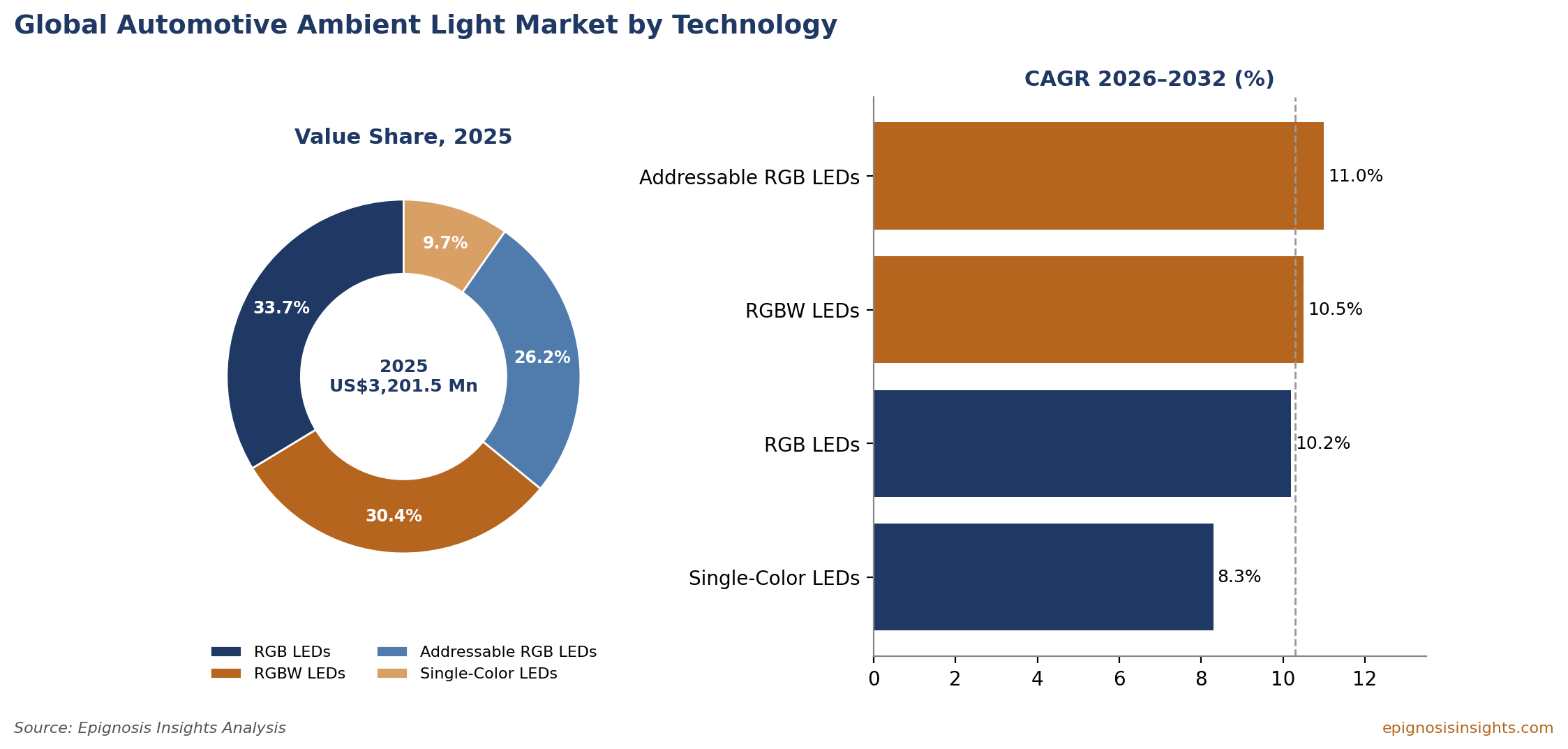
Figure 4: Global Automotive Ambient Light Market by Technology – 2025 Share and 2026–2032 CAGR
RGBW LEDs, which add a dedicated white chip for more natural white light and better colour rendering, are valued at US$973.4 million and grow at 10.5%. Addressable digital RGB LEDs are the fastest growing technology, rising from US$839.2 million in 2025 to US$1,730.4 million by 2032 at an 11.0% CAGR. Each LED in an addressable strip can be controlled individually, enabling animations, flowing light effects and functional signals. Single-colour LEDs, valued at US$310.7 million, grow more slowly at 8.3% as automakers shift toward multi-colour solutions, although they remain common in cost-sensitive vehicles.
The technology shift has clear implications for suppliers. Addressable systems require integrated circuits in each LED package, communication protocols and software for animation control. Suppliers with semiconductor, optics and software capability are best positioned to capture the growing value in this segment.
Global Automotive Ambient Light Market: Vehicle Type Analysis
SUVs are the largest vehicle segment in 2025, valued at US$1,198.7 million or 37.4% of the market, and grow at 10.6% to US$2,419.0 million by 2032. The global shift toward SUVs, including compact and electric SUVs, has made them the main volume platform for ambient lighting outside the luxury segment.
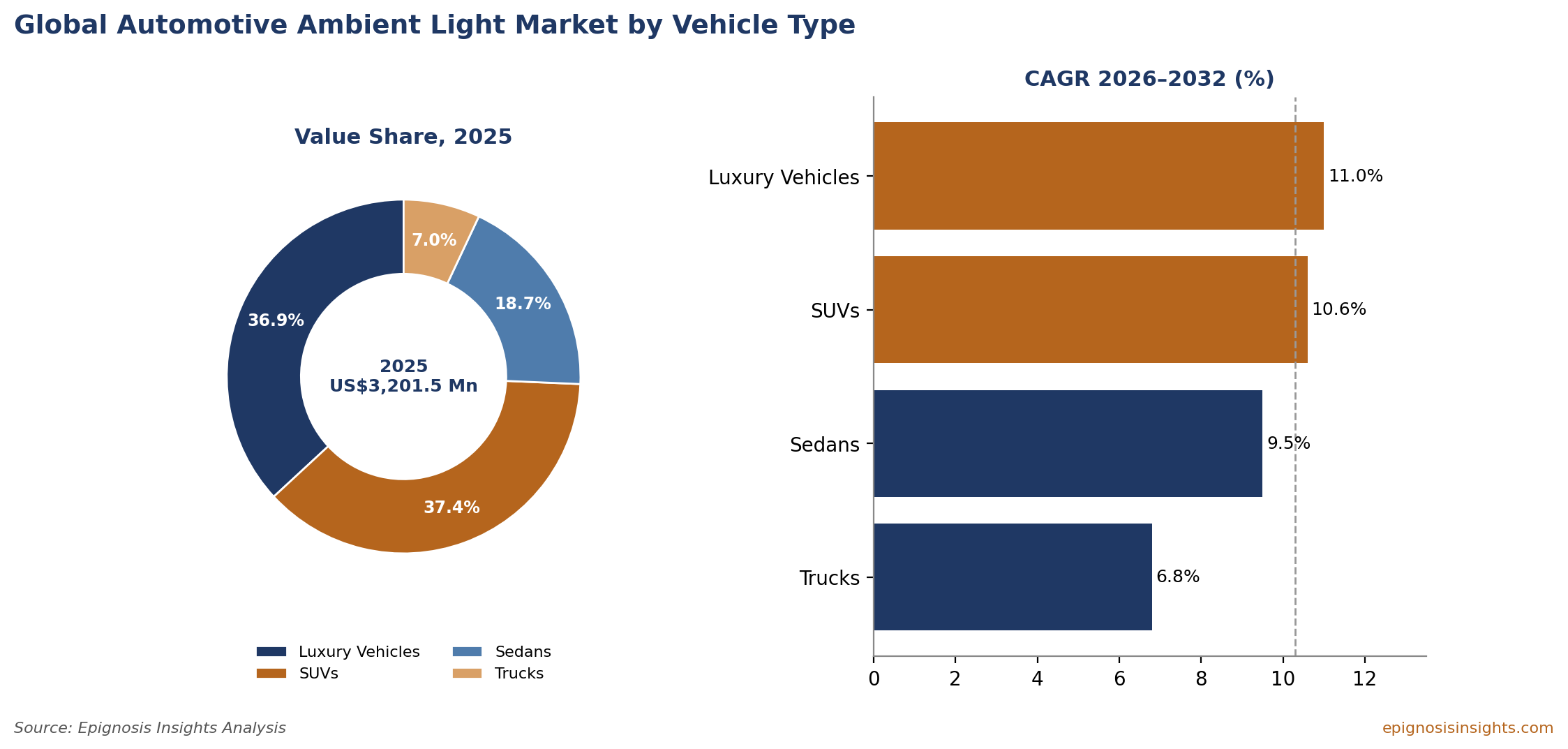
Figure 5: Global Automotive Ambient Light Market by Vehicle Type – 2025 Share and 2026–2032 CAGR
Luxury vehicles, valued at US$1,180.7 million in 2025, grow faster at 11.0% and are projected to overtake SUVs as the largest segment in 2030, reaching US$2,434.5 million by 2032. Luxury vehicles carry the highest lighting content per vehicle, with dozens of zones, addressable LEDs and illuminated surfaces. Sedans, valued at US$598.1 million, grow at 9.5%, while trucks, valued at US$224.0 million, grow at 6.8%, reflecting lower adoption in commercial applications.
The divergence between vehicle segments reflects differences in both adoption and content. In luxury vehicles, ambient lighting is effectively universal, and growth comes from adding zones, illuminated materials and dynamic functions to each vehicle. In SUVs and sedans, growth is driven mainly by rising adoption as lighting moves from optional packages to standard equipment in mid-range trims. In trucks, adoption is limited to premium pickup trims and long-haul cabs, where lighting improves comfort for drivers who spend long hours in the vehicle. Together, SUVs and luxury vehicles account for nearly three quarters of market value, and they are expected to contribute about 79% of new revenue through 2032.
Global Automotive Ambient Light Market: Sales Channel Analysis
OEM channels account for the majority of the market, valued at US$2,374.5 million in 2025, or 74.2% of total value, and grow at 10.1% to US$4,625.6 million by 2032. Factory-fitted lighting is designed into interior trim during vehicle development and benefits from integration with vehicle electronics.
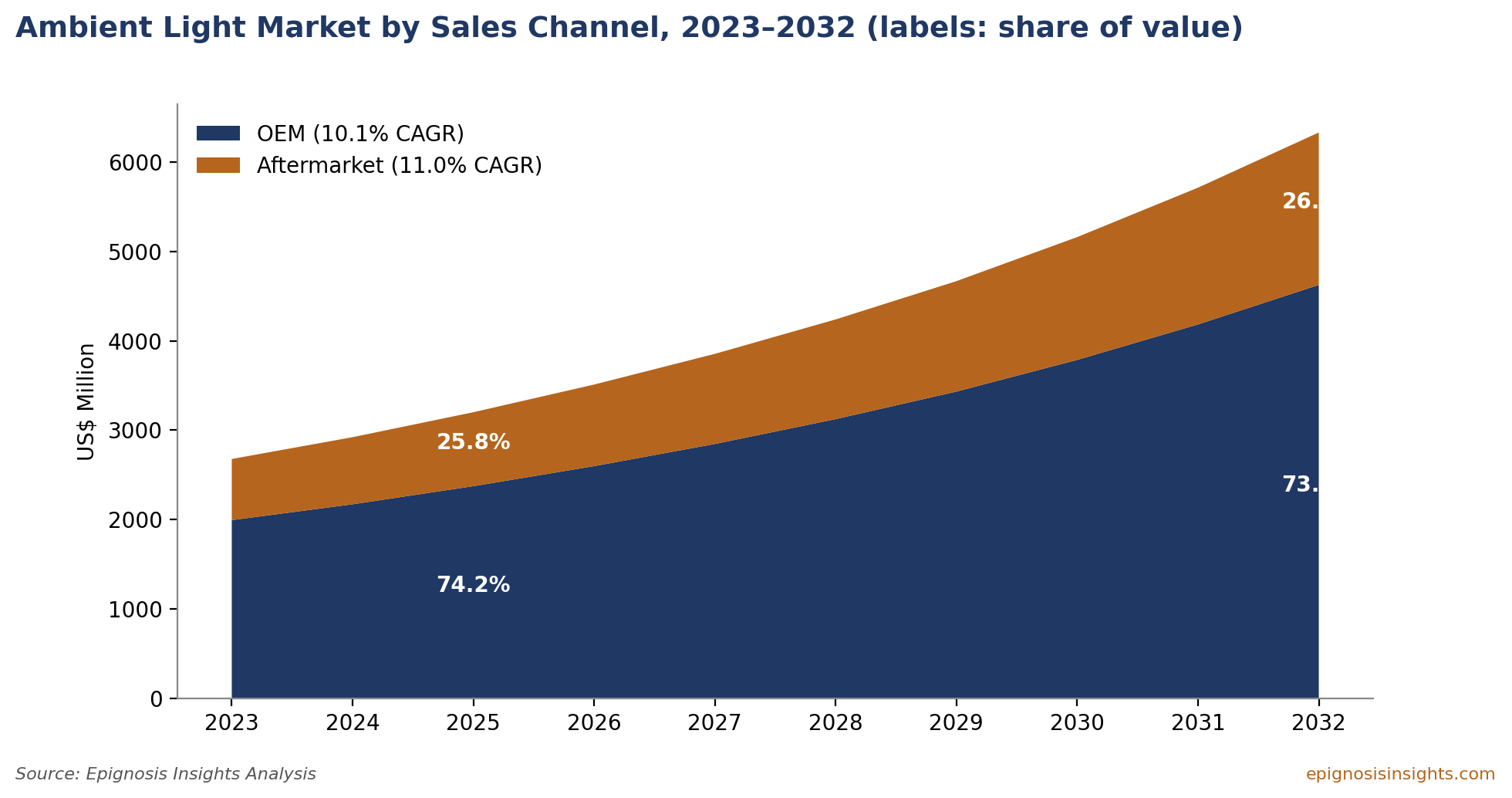
Figure 6: Ambient Light Market by Sales Channel, 2023–2032
The aftermarket, valued at US$827.0 million in 2025, grows faster at 11.0% to US$1,704.8 million by 2032, increasing its share from 25.8% to 26.9%. Aftermarket kits allow owners of vehicles without factory ambient lighting to add multi-colour LED strips, often controlled through smartphone apps. Growth is strongest in markets with large fleets of older vehicles and strong vehicle customisation cultures, as well as through e-commerce channels that make kits widely accessible.
The aftermarket also differs in product mix. Aftermarket kits are dominated by RGB LED strips and fibre optic kits that can be installed without modifying vehicle electronics, while factory systems increasingly use addressable LEDs integrated with vehicle software. As factory lighting becomes standard in more new vehicles, aftermarket demand is expected to be driven increasingly by owners of older vehicles and by enthusiasts seeking more elaborate effects than factory systems provide.
Global Automotive Ambient Light Market: Regional Landscape
Asia Pacific is the largest region, valued at US$1,397.1 million in 2025, or 43.6% of global value, and grows at 10.4% to US$2,771.1 million by 2032. China's dominant vehicle production, the rapid growth of domestic electric vehicle brands that emphasise digital cabins, and expanding production in Japan, South Korea and India drive regional demand. Estimated installations in Asia Pacific grow from about 12.4 million vehicles in 2025 to about 26.4 million by 2032.
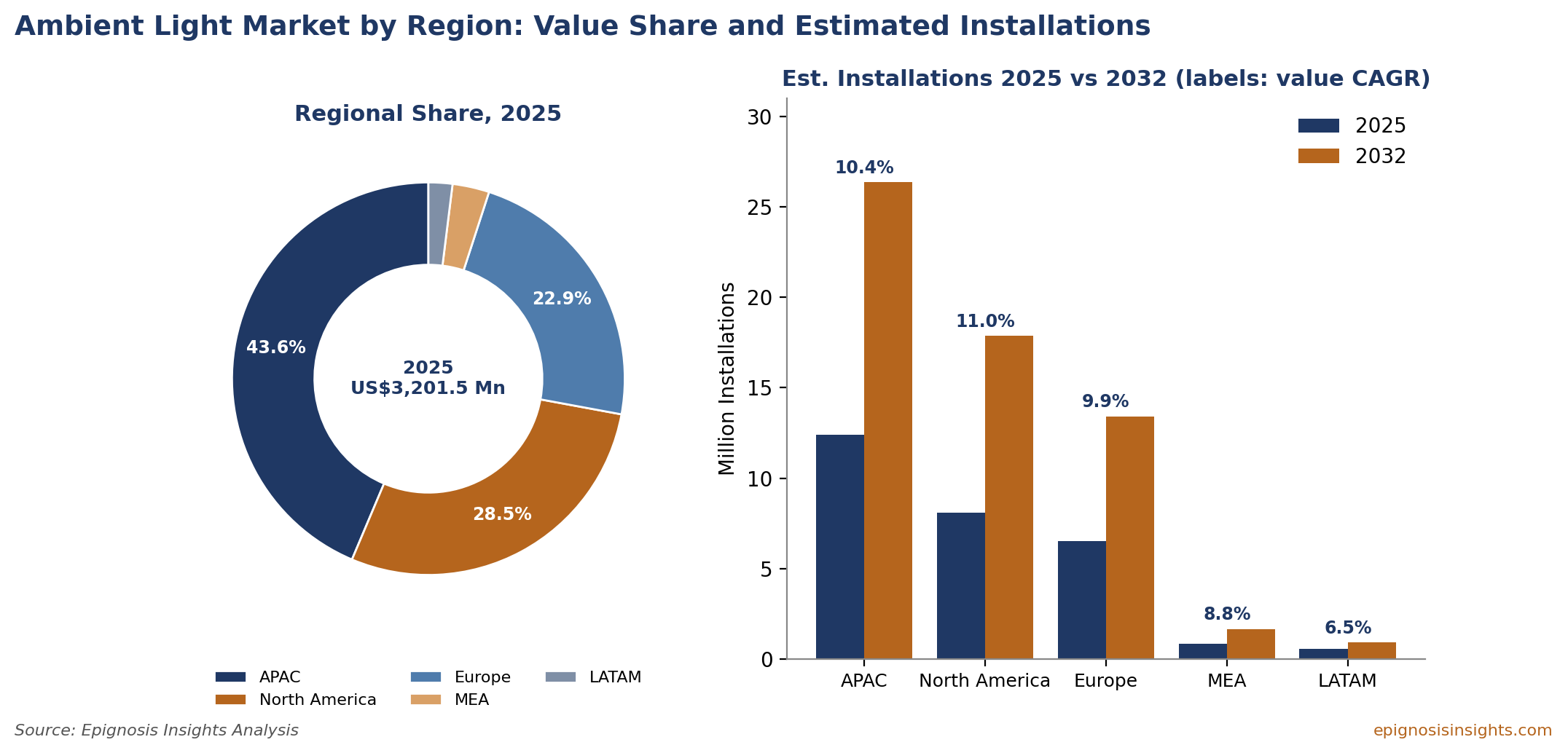
Figure 7: Ambient Light Market by Region – Value Share and Estimated Installations
North America is the second largest region at US$910.9 million in 2025 and the fastest growing at 11.0%, reaching US$1,876.8 million by 2032. Strong demand for SUVs, pickups and premium vehicles, together with a large aftermarket customisation culture, supports growth. Europe, valued at US$733.5 million, grows at 9.9%, supported by the premium German automakers that pioneered ambient lighting. The Middle East and Africa, valued at US$97.0 million, grows at 8.8%, supported by strong luxury vehicle demand in the Gulf, while Latin America, valued at US$63.0 million, grows at 6.5%.
China deserves particular attention within Asia Pacific. Chinese automakers, especially new energy vehicle brands, have made extensive ambient lighting, often with dozens of colours and synchronised animations, a standard feature even in mid-priced models. This has raised consumer expectations across the Chinese market and is pushing international brands selling in China to increase lighting content. Domestic suppliers are scaling quickly to meet this demand, intensifying price competition in the region.
North America's share rises from 28.5% in 2025 to 29.6% by 2032, while Europe's share eases from 22.9% to 22.3%, reflecting faster growth in North American SUV and luxury segments.
Global Automotive Ambient Light Market: Competitive Landscape
Key companies analyzed within the global automotive ambient light market are: ams OSRAM, Valeo, Hella (Forvia), Grupo Antolin, SCHOTT, Yanfeng, Beijing Jingwei Hirain Technologies, Innotec, Dräxlmaier Group and others.
The market is moderately concentrated. ams OSRAM led the market in 2023 with a 23.1% share, followed by Valeo at 13.9% and Hella at 11.0%, giving the top three a combined share of approximately 48.0%. Grupo Antolin held 7.1%, SCHOTT 3.1%, Yanfeng 2.2%, Beijing Jingwei Hirain Technologies 1.8%, Innotec 1.2% and Dräxlmaier 0.9%, while other suppliers accounted for 35.7%.
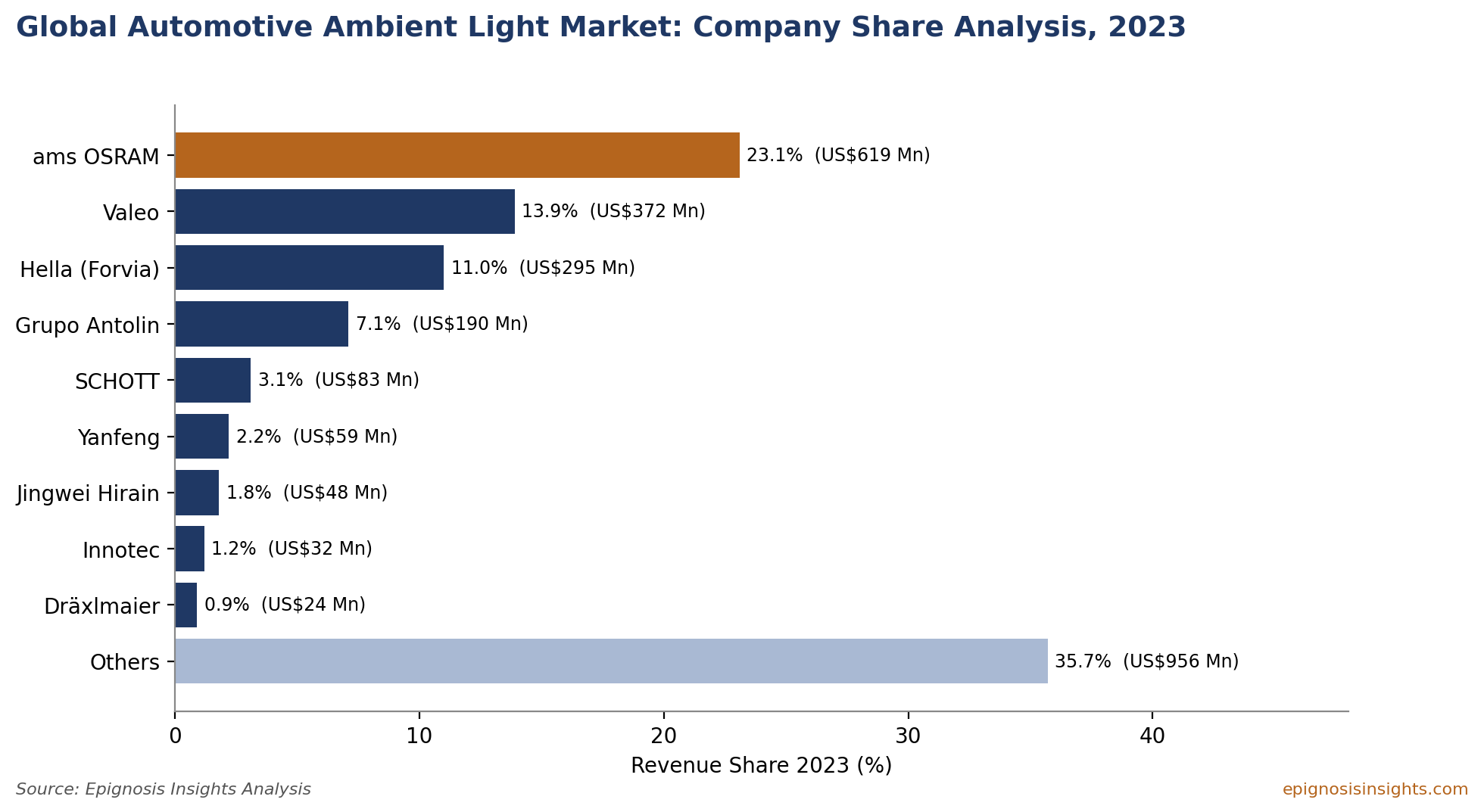
Figure 8: Global Automotive Ambient Light Market – Company Share Analysis, 2023
Suppliers fall into three groups. Lighting and semiconductor specialists such as ams OSRAM provide LEDs, including intelligent addressable LEDs that integrate control electronics. Automotive lighting system suppliers such as Valeo and Hella develop complete lighting modules and controllers. Interior system suppliers such as Grupo Antolin, Yanfeng and Dräxlmaier integrate lighting into door panels, dashboards, consoles and headliners, while SCHOTT supplies glass and fibre optic light guides and Innotec specialises in lighting solutions. Chinese suppliers such as Beijing Jingwei Hirain are growing with domestic automakers. Competition increasingly centres on the integration of lighting with interior surfaces, electronics and software.
Several structural changes are reshaping the supplier landscape. Consolidation has brought lighting and interior capabilities together, as with Hella's integration into the Forvia group. Semiconductor suppliers are moving up the value chain by integrating drivers and communication interfaces directly into LED packages, which simplifies system design for automakers. At the same time, the rapid growth of Chinese automakers has created opportunities for domestic suppliers that can respond quickly to short development cycles and frequent design updates.
Epignosis Insights Competitive Assessment Framework (EICAF)
The Epignosis Insights Competitive Assessment Framework EICAF for the global automotive ambient light market evaluates companies across 10 weighted parameters. OEM relationships and platform wins receive the highest weighting at 15%, followed by LED and optical technology at 14% and addressable digital lighting and software capability at 13%. Interior integration and cost and manufacturing scale each receive 11%, global footprint 10%, design and HMI capability 9%, quality and automotive certification 7%, and aftermarket reach and sustainability 5% each. The total weighting equals 100%.
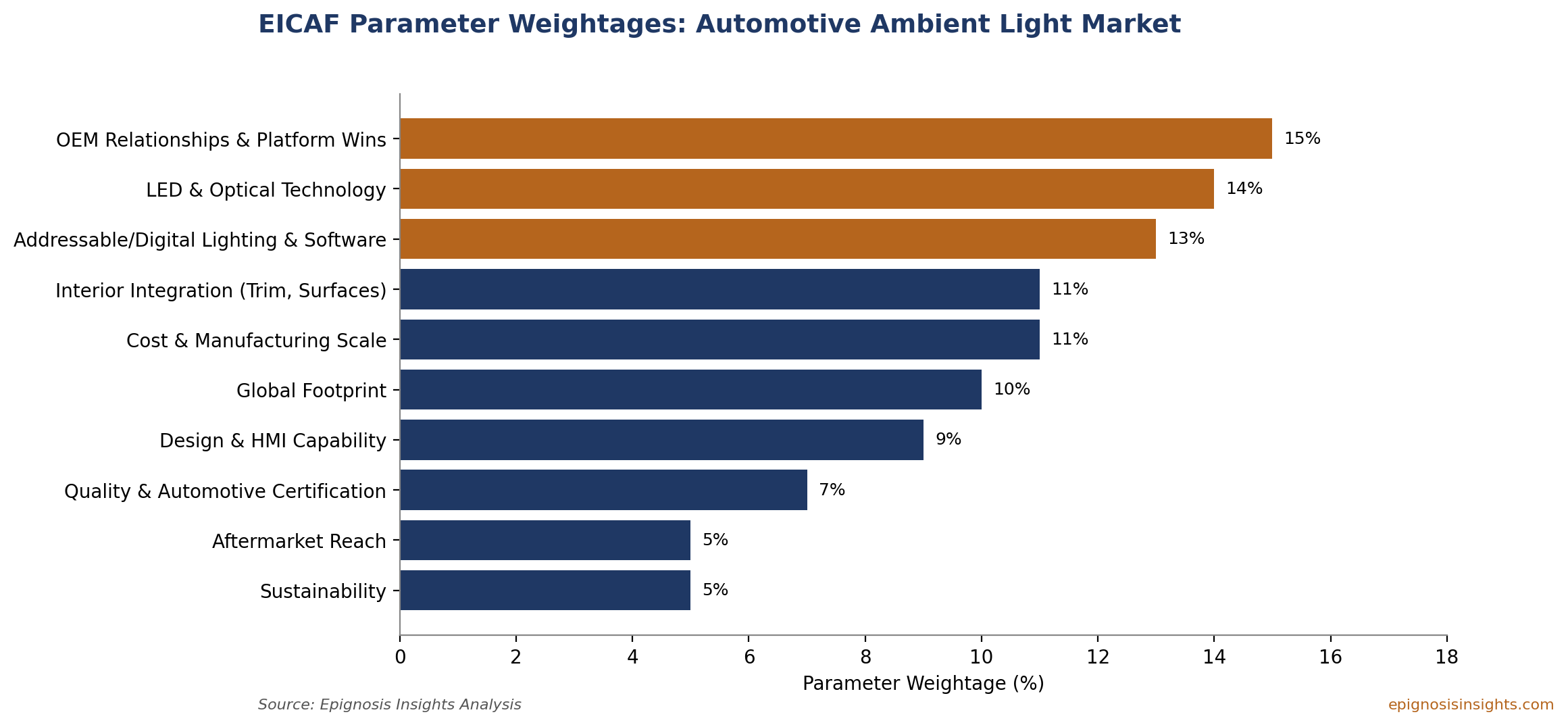
Figure 9: EICAF Parameter Weightages for the Global Automotive Ambient Light Market
EICAF Scoring Method
Each company is assigned a score from 1 to 5 against every parameter, with the weighted score calculated as Company Score × Parameter Weightage. The resulting score allows LED specialists, lighting system suppliers and interior integrators to be compared on a consistent basis.