Global Aircraft Navigation Software Market
Analysis by Product (Flight Planning, Navigation Charts, Weather Information), Application (Civil Aviation, Military Aviation, General Aviation) and Region


Analysis by Product (Flight Planning, Navigation Charts, Weather Information), Application (Civil Aviation, Military Aviation, General Aviation) and Region
The Global Aircraft Navigation Software Market was valued at US$2,094.4 million in 2023 and US$2,200.0 million in 2024. It is estimated at US$2,318.8 million in 2025 and is projected to reach US$3,751.2 million by 2032, registering a CAGR of 7.1% during the 2026 to 2032 forecast period. Annual revenue increases by approximately US$1,432.4 million between 2025 and 2032, and the 2032 market is about 1.8 times the size of the 2023 market.
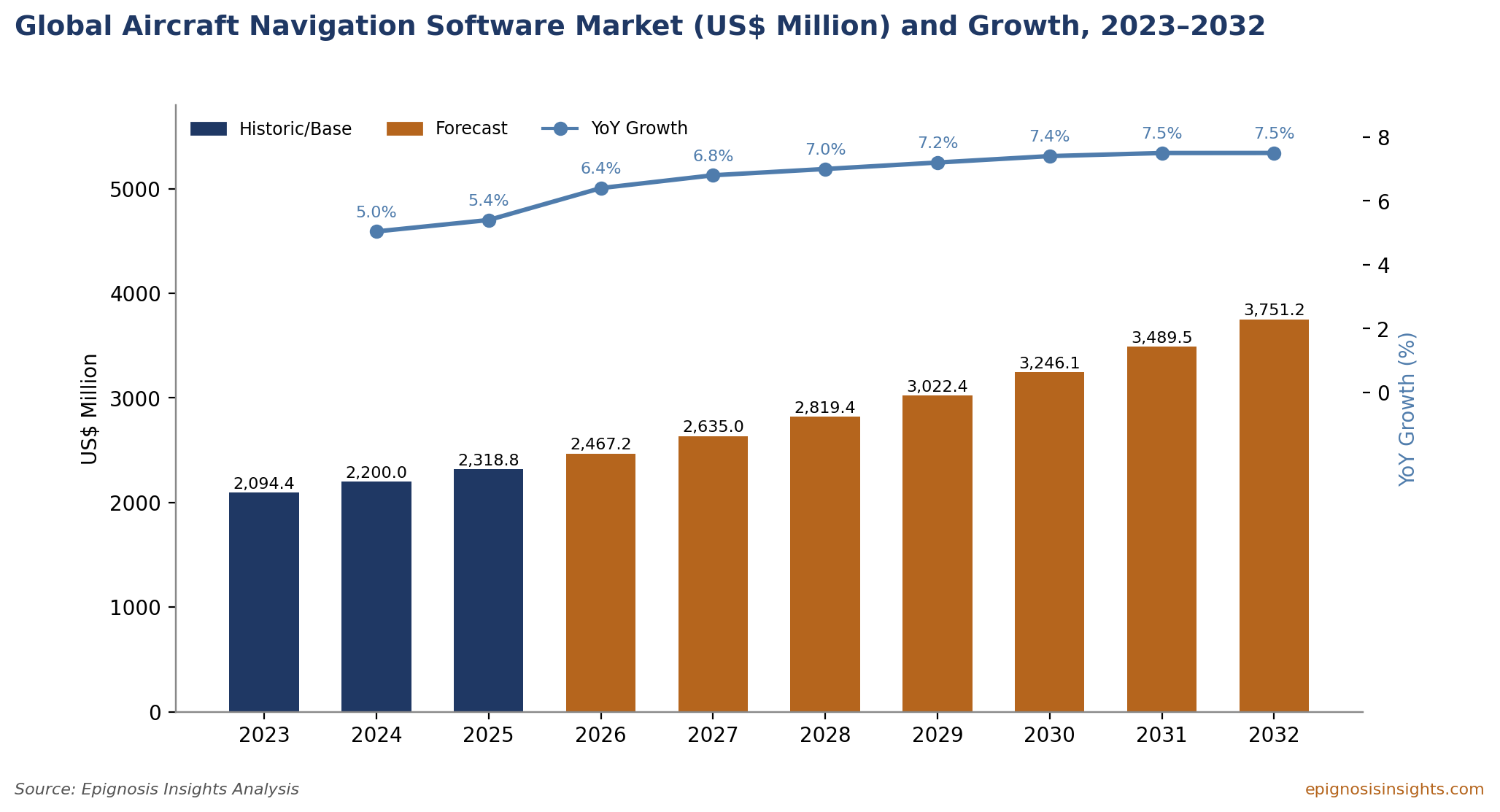
Figure 1: Global Aircraft Navigation Software Market Size (US$ Million) and Year-on-Year Growth, 2023–2032
The growth profile shows a clear step-up in momentum. Annual growth was 5.0% in 2024 and 5.4% in 2025, rises to 6.4% in 2026 and 6.8% in 2027, and reaches 7.5% in 2031 and 2032. This acceleration reflects the transition of navigation software from a largely licence-based, chart-centric business to a subscription and platform model, in which operators pay for integrated flight planning, digital charting, real-time weather and connected cockpit services on a recurring basis. Recurring software revenue tends to compound as new aircraft, new users and new modules are added to existing subscriptions, which is why growth strengthens over the forecast period.
For the purposes of this study, the market covers software used for flight planning, digital navigation charts and aviation weather information across civil, military and general aviation, delivered either as software-as-a-service or as embedded software. Navigation hardware, autopilot systems, mechanical systems and non-navigation aviation software are excluded. This scope captures the electronic flight bag and flight operations software layer that sits between aeronautical data providers, pilots, dispatchers and air traffic management.
Epignosis Insights derived the 2024 base market size of US$2.2 billion through a triangulated approach that combines bottom-up modelling, a top-down benchmark and validation against company disclosures. The bottom-up model multiplies the global fleet in each segment by an assumed software adoption rate and an average annual software spend per aircraft. With a commercial fleet of about 27,000 aircraft at full adoption and roughly US$25,000 per aircraft, a military fleet of about 54,000 aircraft at 60% adoption and about US$15,000 per aircraft, and a general aviation fleet of about 400,000 aircraft at 15% adoption and about US$2,000 per aircraft, the model yields approximately US$1,281 million.
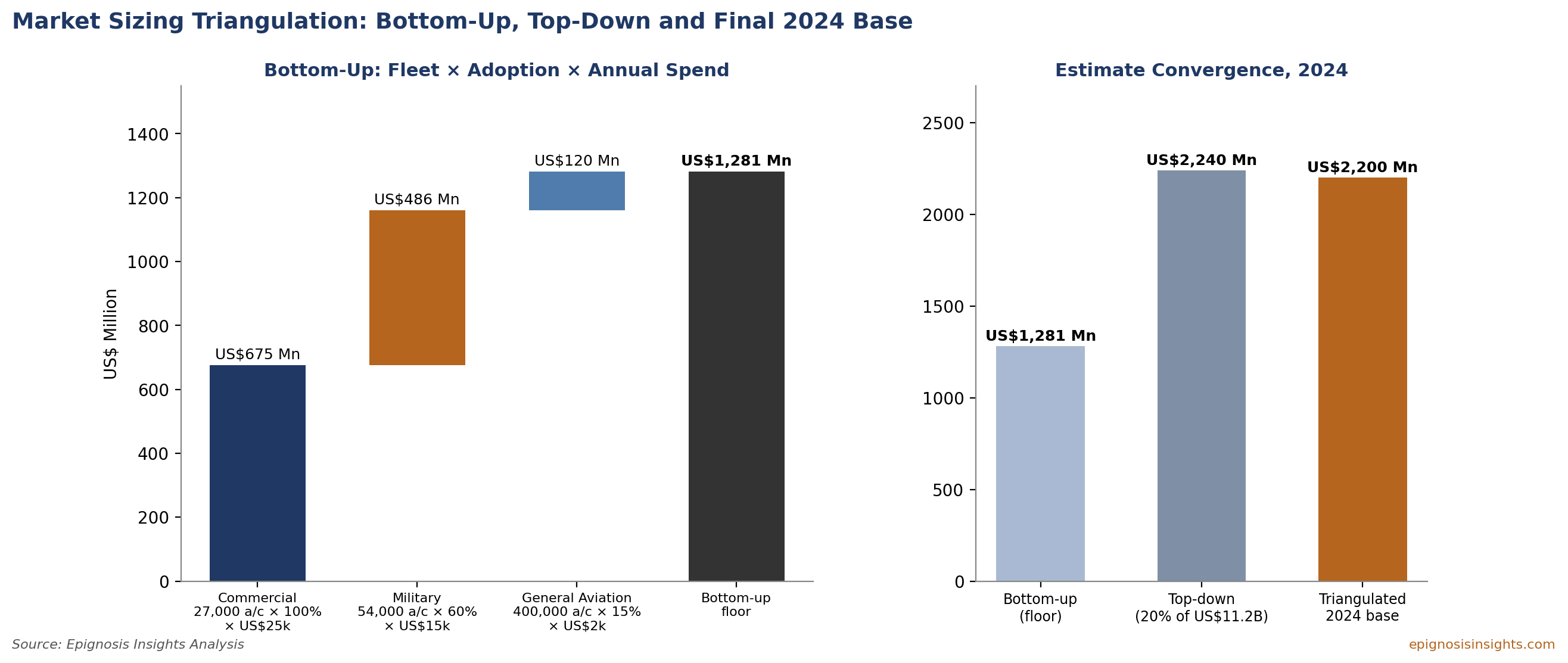
Figure 2: Market Sizing Triangulation – Bottom-Up Fleet Model, Top-Down Benchmark and Final 2024 Base
This bottom-up figure is treated as a conservative floor because it does not capture enterprise-wide airline subscriptions, dispatch and operations control licences, or navigation software bundled with aircraft and maintenance contracts. The top-down benchmark applies a navigation share of about 20% to an estimated global aviation software market of around US$11.2 billion in 2024, giving approximately US$2.24 billion. Company-level validation supports this range. Garmin reported aviation segment revenue of approximately US$877 million, and Epignosis Insights conservatively attributes around 35% of this, or roughly US$307 million, to navigation software, equivalent to about 14% of the global market from a single supplier with partial segment coverage. The convergence of these independent methods supports the final 2024 base of US$2.2 billion.
The primary demand driver is the combination of a growing aircraft fleet and the near-universal digitisation of cockpit and flight operations workflows. Boeing's Commercial Market Outlook projects demand for 43,600 new commercial aircraft between 2025 and 2044, with the global fleet nearly doubling to more than 49,600 aircraft. Each new commercial aircraft enters service with electronic flight bags, digital charts and integrated flight planning, and the software attached to it generates recurring subscription revenue throughout its operating life.
Digitisation is equally important for the existing fleet. Airlines, business aviation operators and military air arms have largely replaced paper charts and manual flight planning with tablet-based electronic flight bags, cloud-based dispatch platforms and connected weather services. Each step increases software spend per aircraft, as operators add modules such as fuel optimisation, performance calculation, real-time weather overlays and data link integration with flight management systems. This deepening of software content on existing aircraft is a key reason why market growth exceeds fleet growth.
The supply side of the market has undergone a structural change. Thoma Bravo completed its US$10.55 billion acquisition of Jeppesen, ForeFlight, AerData and OzRunways from Boeing in November 2025, launching Jeppesen ForeFlight as a standalone aviation software company serving commercial, business, military and general aviation customers. The new company has positioned artificial intelligence as the central theme of its multi-year product roadmap, integrating flight planning, dispatch and crew management on unified digital platforms.
For the market, this transaction has three implications. It creates a large independent software specialist with the capital and mandate to pursue acquisitions, increasing the likelihood of further consolidation. It accelerates the integration of aeronautical data, flight planning and operational tools into unified platforms, raising the bar for smaller competitors. It also signals strong investor confidence in recurring aviation software revenue, which is likely to attract further private capital into the segment and support continued product investment.
Navigation software is subject to demanding requirements that slow adoption and raise costs. Aeronautical data must be updated on a regulated 28-day cycle and meet strict integrity and quality assurance standards, and software used for operational decision-making on the flight deck must be approved within operators' electronic flight bag programmes by aviation authorities. These requirements create long sales cycles, high development costs and significant barriers to entry. Military customers add further constraints through security accreditation, sovereign data requirements and long procurement timelines.
Cybersecurity has become an additional concern as navigation software shifts to cloud delivery and connected devices. Operators require assurance that flight planning, weather and chart data cannot be manipulated or interrupted. In general aviation, price sensitivity remains a constraint, with many private pilots using low-cost subscriptions and limiting adoption to basic charting and planning functions. These factors moderate growth but also protect established suppliers with proven data pipelines and approvals.
Civil aviation is the largest application, valued at US$1,413.3 million in 2025 and projected to reach US$2,303.3 million by 2032 at a 7.2% CAGR. Its share of value rises slightly from 60.9% to 61.4%. Airlines and business aviation operators rely on integrated flight planning, dispatch, digital charting and weather services to optimise fuel burn, comply with operational regulations and manage complex networks. Civil aviation also contributes the largest absolute increase in revenue, approximately US$890.0 million over the period.
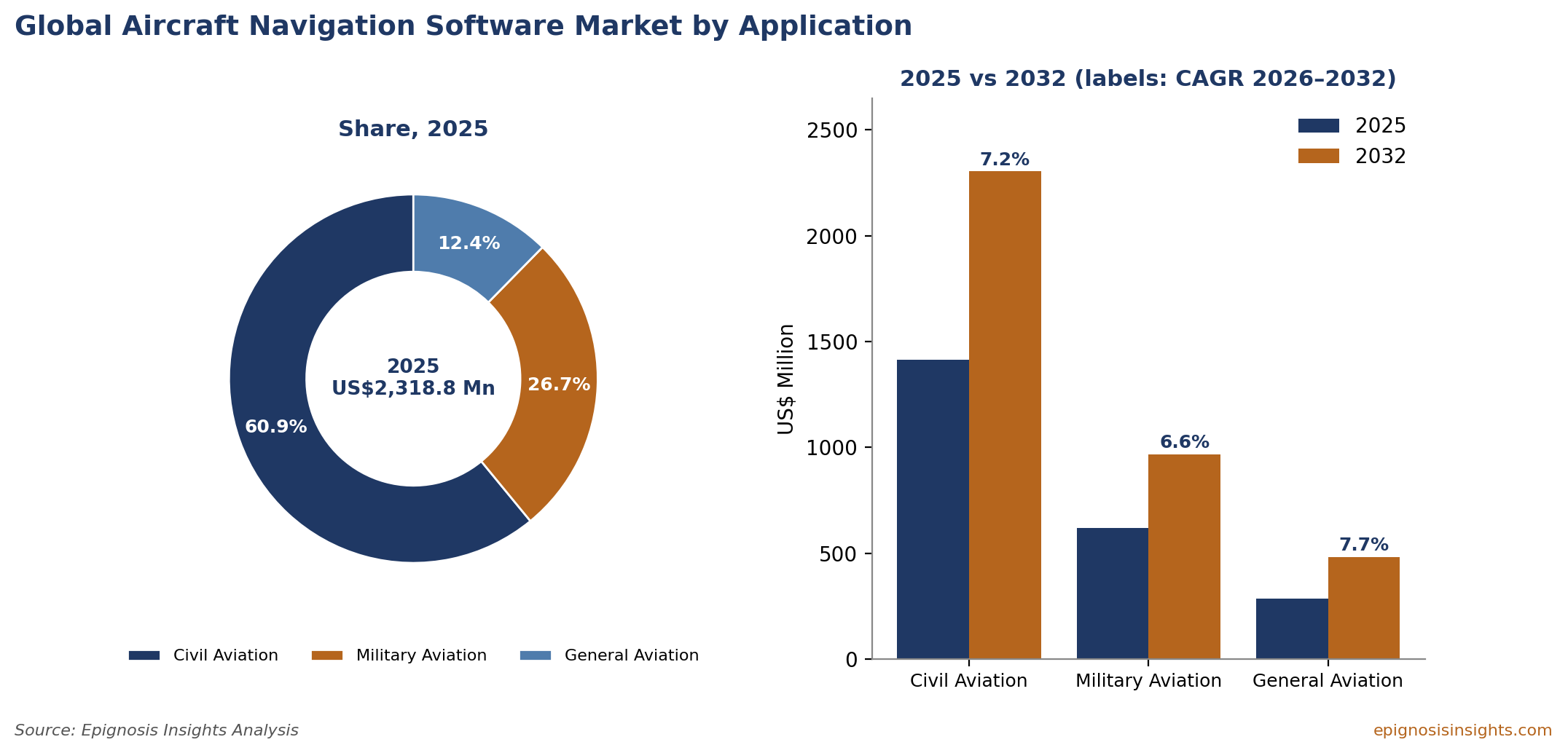
Figure 3: Global Aircraft Navigation Software Market by Application – 2025 Share and 2025 vs. 2032 Value
Military aviation is valued at US$619.1 million in 2025 and grows at 6.6% to US$966.3 million by 2032, with its share easing from 26.7% to 25.8%. Military demand is driven by mission planning systems, secure digital charting and integrated weather intelligence for both combat and transport fleets. Growth is steady but slower than in civil aviation, reflecting longer procurement cycles and the need for security accreditation, although modernisation programmes and NATO interoperability requirements support continued investment.
General aviation is the smallest but fastest growing application, rising from US$286.5 million in 2025 to US$481.7 million by 2032 at a 7.7% CAGR. Its share increases from 12.4% to 12.8%. Tablet-based navigation apps, affordable subscriptions and growing adoption among flight schools, private owners and small charter operators are expanding the number of paying users. Because penetration in general aviation remains far lower than in commercial aviation, the segment has considerable headroom for growth.
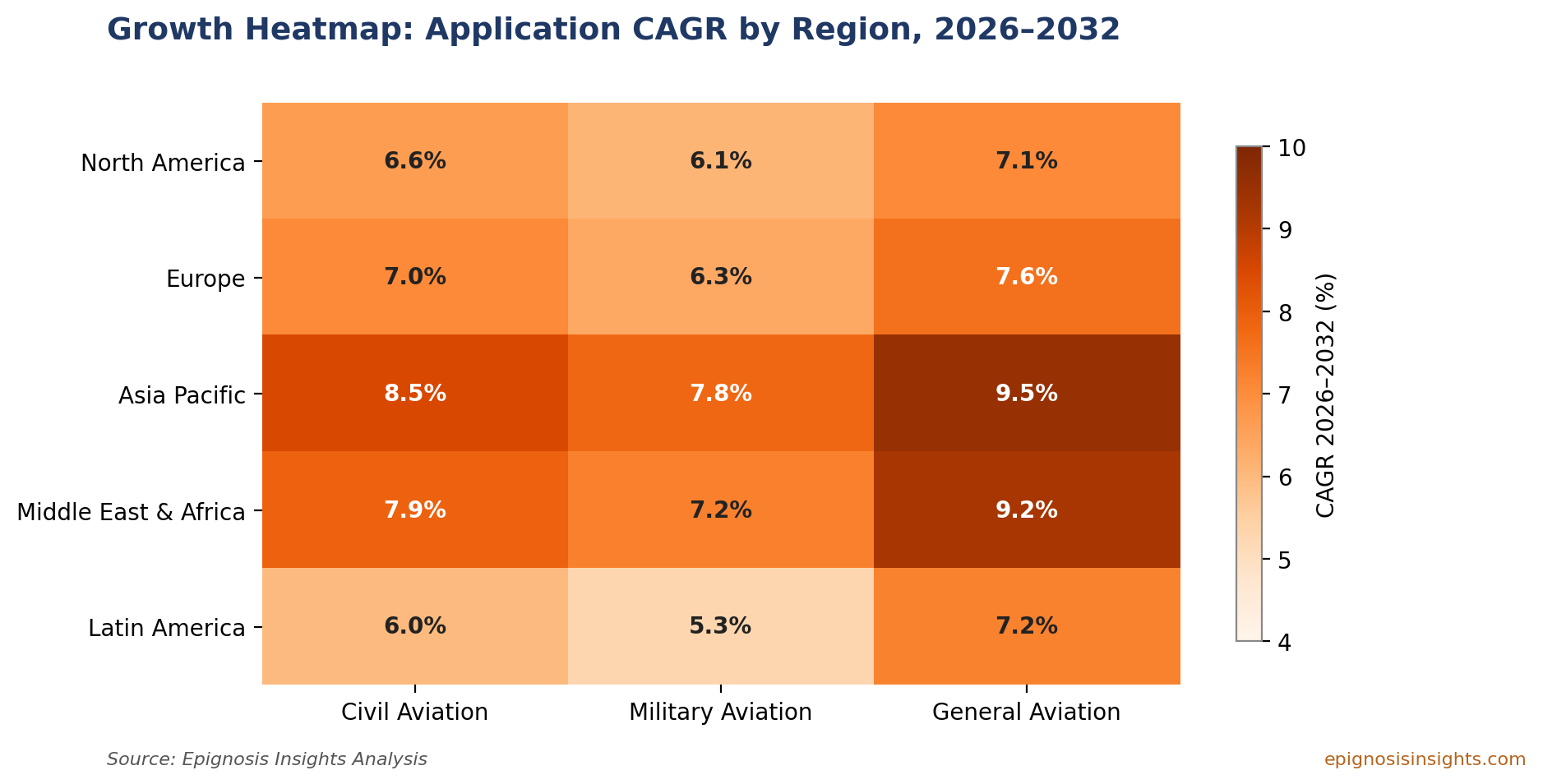
Figure 4: Growth Heatmap – Application CAGR by Region, 2026–2032
The application heatmap shows that general aviation is the fastest growing application in every region. Its growth reaches 9.5% in Asia Pacific and 9.2% in the Middle East and Africa, where private aviation and pilot training are expanding from a low base. Military aviation is the slowest growing application in every region, with the lowest rate of 5.3% in Latin America. Asia Pacific records the highest growth across all three applications.
Flight planning software is the largest product segment, valued at US$1,017.1 million in 2025, equal to 43.9% of the market, and projected to reach US$1,643.7 million by 2032 at a 7.1% CAGR. Flight planning tools calculate routes, fuel requirements, performance and regulatory compliance, and increasingly integrate with dispatch, crew management and operations control systems. Their direct link to fuel savings makes them one of the highest return software investments for airlines.
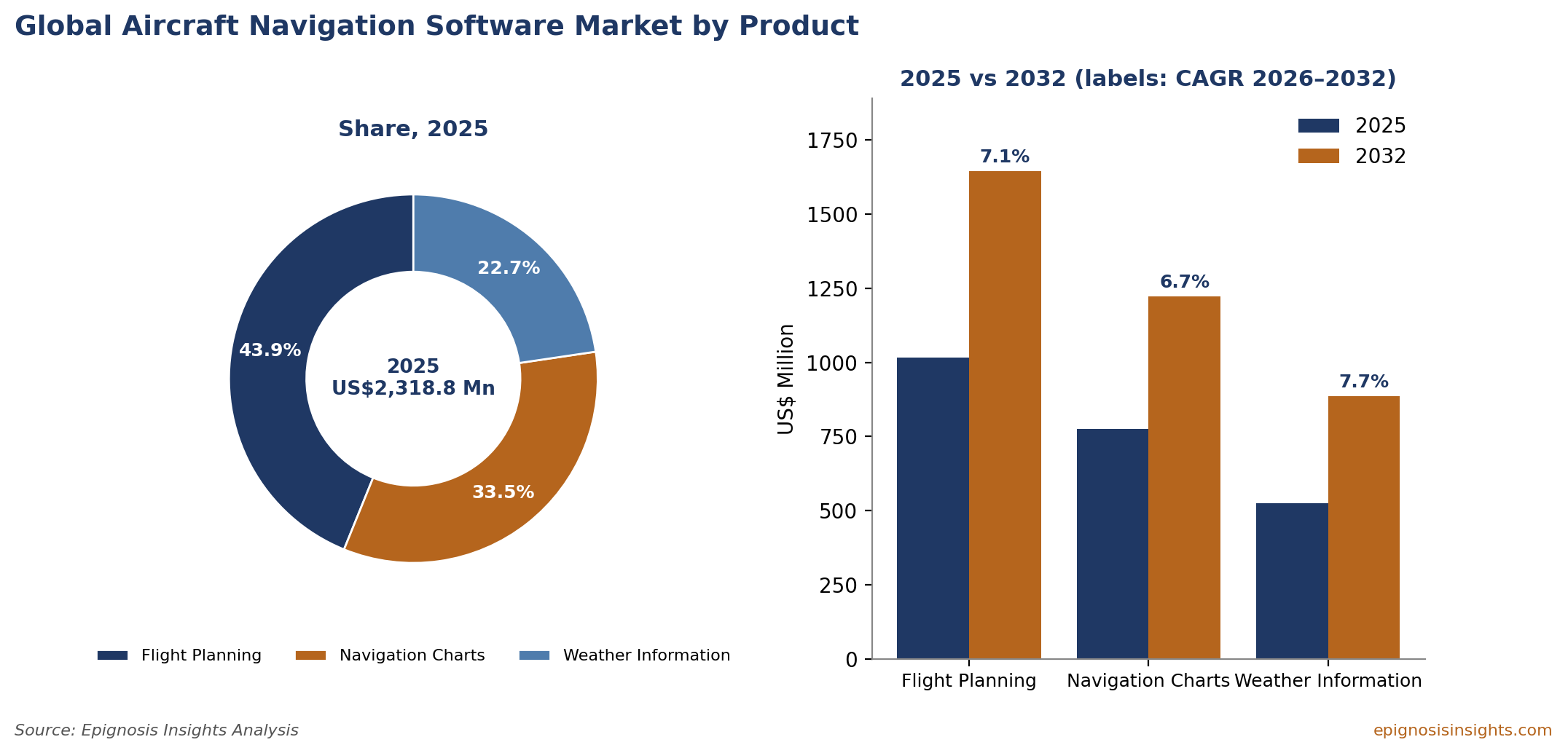
Figure 5: Global Aircraft Navigation Software Market by Product – 2025 Share and 2025 vs. 2032 Value
Navigation charts, valued at US$776.3 million in 2025, grow at 6.7% to US$1,222.4 million by 2032, with their share easing from 33.5% to 32.6%. Digital charts are essential for every flight, but they are becoming a component within broader platforms rather than a standalone product, which moderates value growth. Data-driven and dynamic charting, which renders charts from underlying aeronautical databases, is replacing static chart images and allowing suppliers to differentiate on usability.
Weather information is the fastest growing product, rising from US$525.4 million in 2025 to US$885.1 million by 2032 at a 7.7% CAGR, with its share increasing from 22.7% to 23.6%. Real-time weather overlays, turbulence forecasting, convective weather alerts and in-flight data link updates are becoming standard requirements for both airlines and general aviation pilots. Growing awareness of turbulence-related injuries and the operational cost of weather disruption are increasing willingness to pay for higher-resolution weather services.
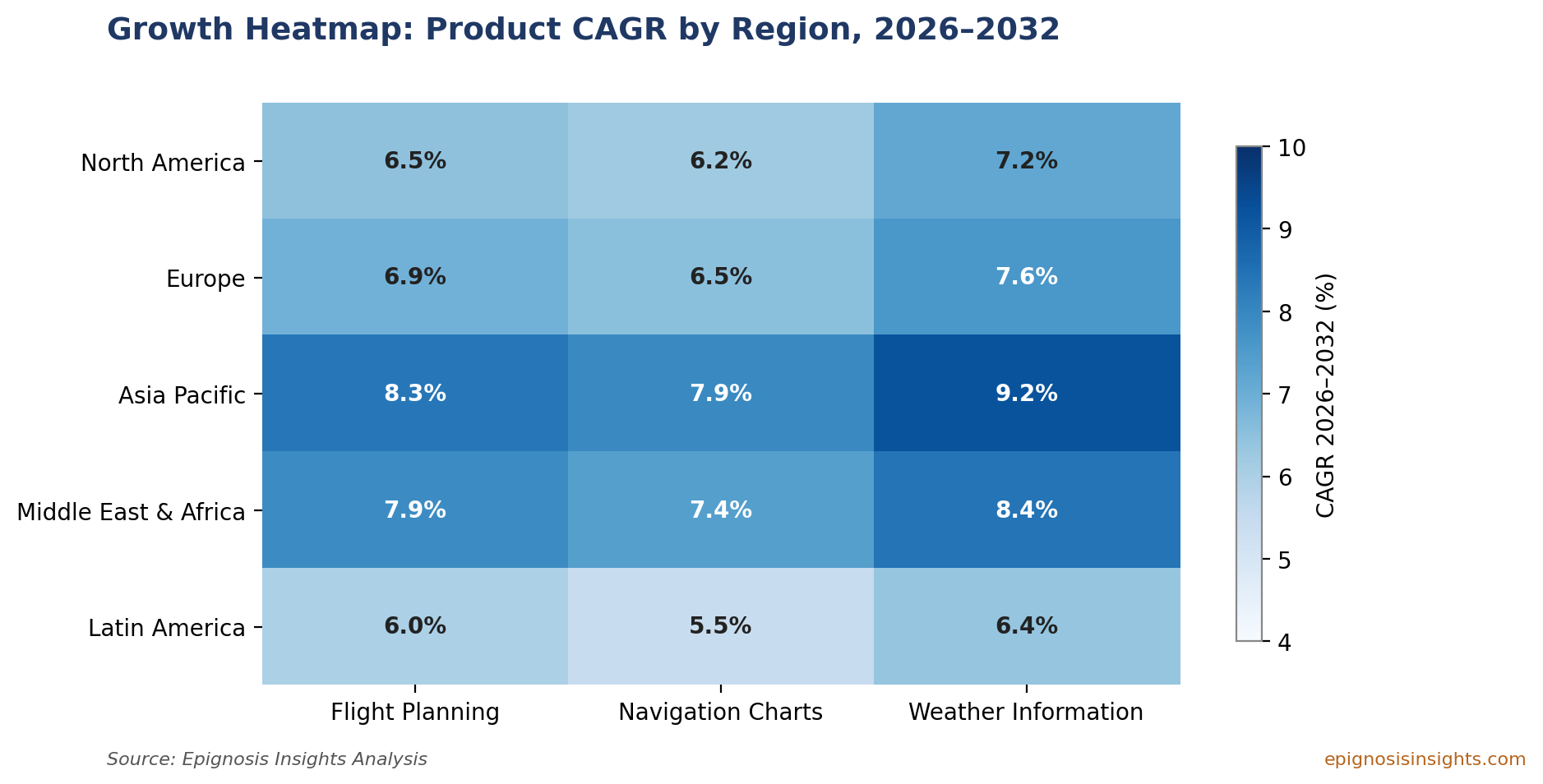
Figure 6: Growth Heatmap – Product CAGR by Region, 2026–2032
Weather information is the fastest growing product in every region, reaching 9.2% in Asia Pacific and 8.4% in the Middle East and Africa. Navigation charts are the slowest growing product everywhere, with the lowest rate of 5.5% in Latin America.
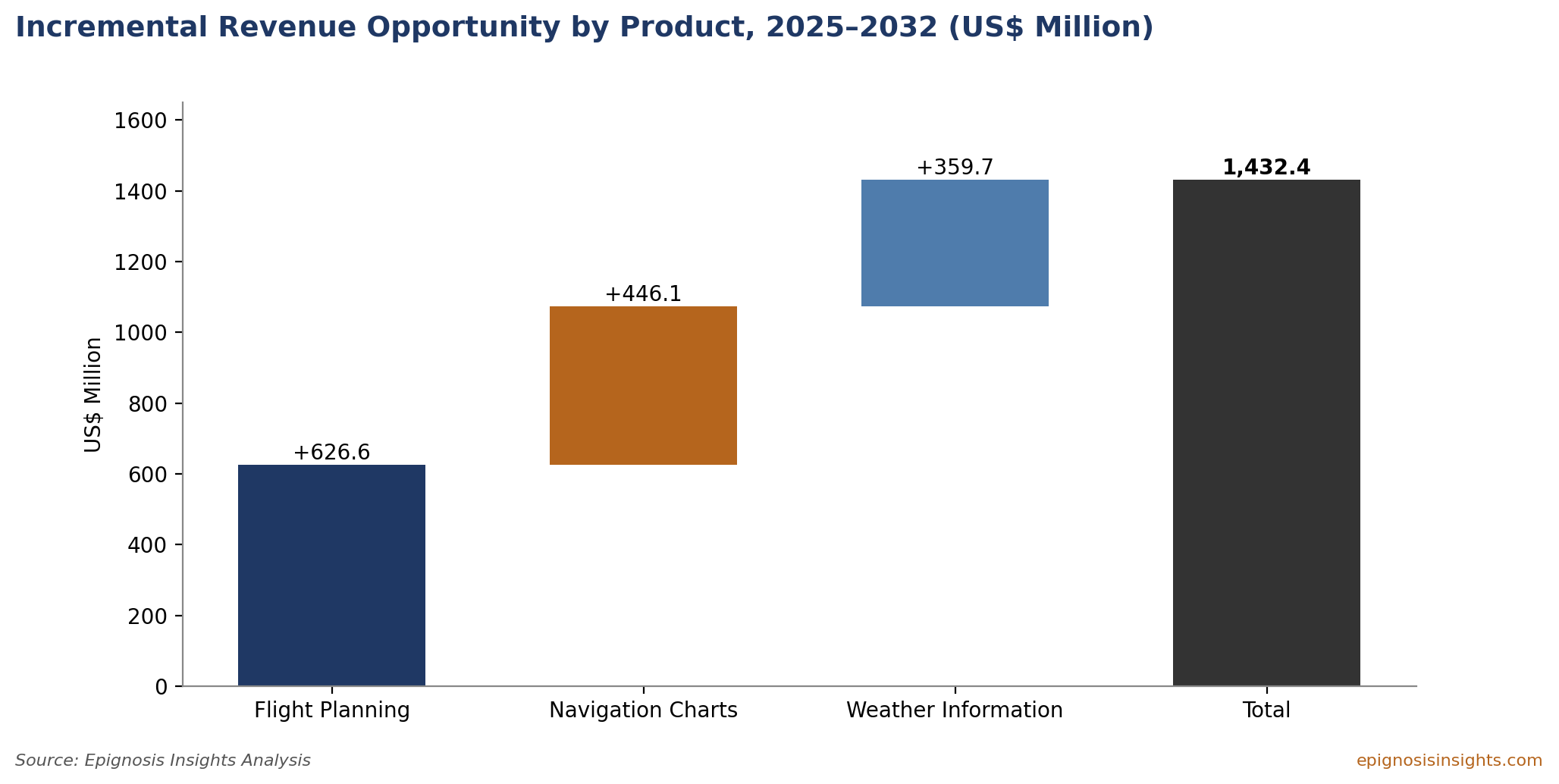
Figure 7: Incremental Revenue Opportunity by Product, 2025–2032 (US$ Million)
In absolute terms, flight planning contributes US$626.6 million, or 44%, of the US$1,432.4 million increase in market value between 2025 and 2032. Navigation charts add US$446.1 million, or 31%, and weather information adds US$359.7 million, or 25%. Weather information therefore punches above its weight, accounting for a quarter of new revenue from a segment that represented less than a quarter of 2025 value.
North America is the largest regional market, valued at US$917.8 million in 2025, or 39.6% of global value, and projected to reach US$1,431.3 million by 2032 at a 6.5% CAGR. The region has the world's largest general aviation fleet, a highly digitised commercial and defence aviation sector, and the headquarters of several leading suppliers. The U.S. accounts for US$769.4 million in 2025. Canada, valued at US$92.0 million, grows at 6.7%, supported by airspace modernisation and demanding operating conditions in remote and Arctic regions, while Mexico, valued at US$56.4 million, grows fastest in the region at 7.8%, driven by low-cost carrier expansion.
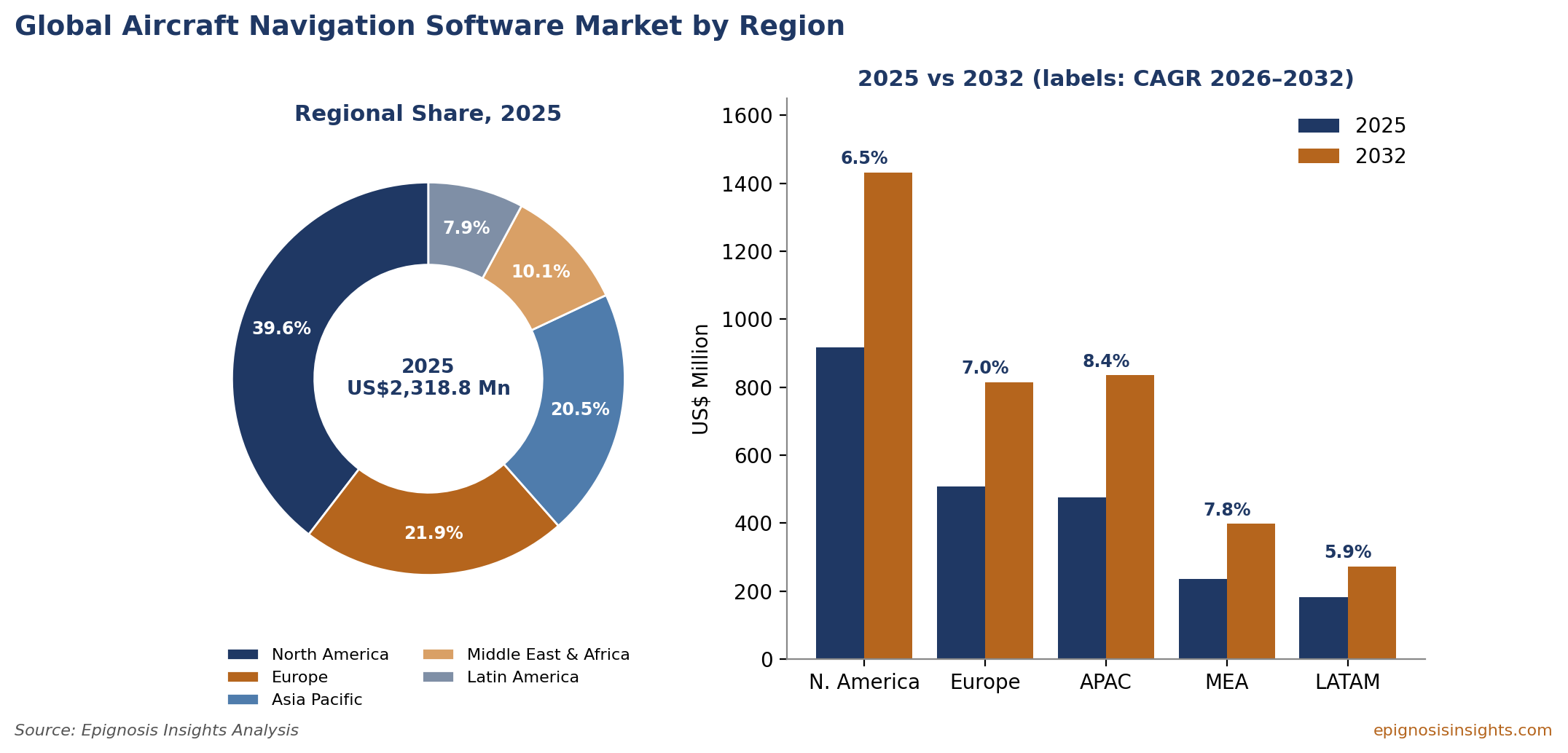
Figure 8: Global Aircraft Navigation Software Market by Region – 2025 Share and 2025 vs. 2032 Value
Europe is the second largest region at US$508.7 million in 2025, growing at a 7.0% CAGR to US$814.7 million by 2032. Germany is the largest European market at US$107.3 million, followed by the UK at US$96.5 million and France at US$86.3 million. Spain is the fastest growing European market at 7.8% and Italy grows at 7.4%, both supported by tourism-driven traffic growth.
Asia Pacific is valued at US$474.9 million in 2025 and is the fastest growing region at an 8.4% CAGR, reaching US$834.9 million by 2032. China is the region's largest market at US$195.8 million, growing at 8.7%, while India, valued at US$92.3 million, is the fastest growing country market globally at 9.6%. Japan, at US$74.2 million, grows at 7.1%.
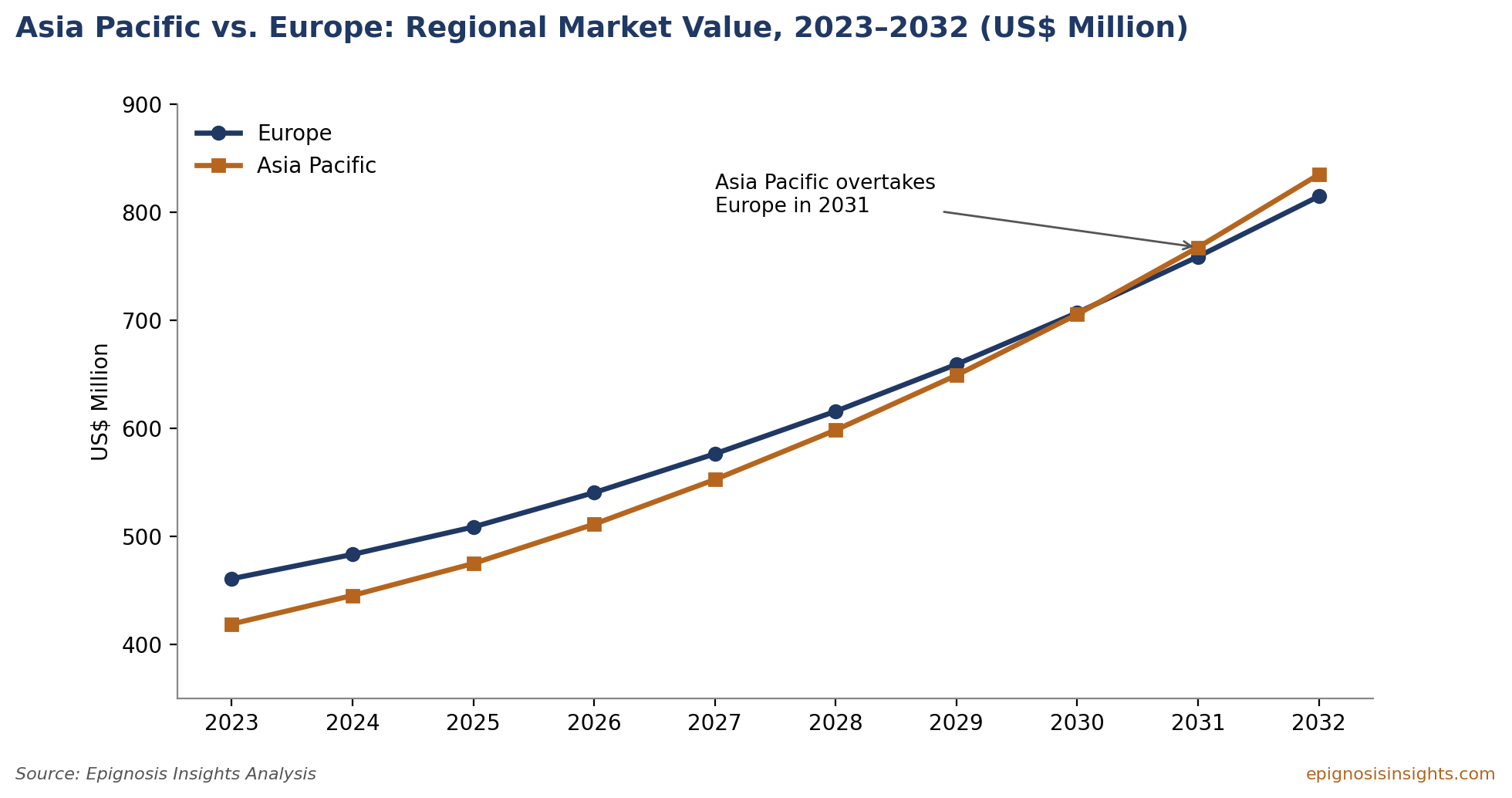
Figure 9: Asia Pacific vs. Europe – Regional Market Value, 2023–2032 (US$ Million)
The comparison between Asia Pacific and Europe highlights a shift in regional rankings. The two regions are nearly level in 2030, at US$705.5 million and US$707.0 million respectively, and Asia Pacific overtakes Europe in 2031 to become the second largest market. By 2032, Asia Pacific's share of global value reaches 22.3% compared with Europe's 21.7%.
The Middle East and Africa, valued at US$235.0 million in 2025, grows at 7.8%, with Saudi Arabia at US$71.0 million growing at 8.2% and the UAE at US$66.0 million growing at 8.0%, supported by fleet expansion and new airline launches in the Gulf. Latin America, valued at US$182.4 million, is the slowest growing region at 5.9%, led by Brazil at US$88.2 million.
Regional segment mixes reveal differing stages of market maturity. General aviation represents 14.9% of North American value and 15.5% of European value in 2025, but only 8.8% in Asia Pacific, 6.7% in the Middle East and Africa and 7.2% in Latin America, reflecting the much smaller private flying communities outside the two mature regions. Civil aviation correspondingly accounts for between 64% and 67% of value in the three emerging regions, compared with 57.6% in North America. Product mixes show a similar pattern. Weather information accounts for 25.4% of European value and 23.4% of North American value, but less than 20% in the Middle East and Africa and Latin America, where flight planning represents around 47% of regional spend. As emerging markets mature, their spending is likely to shift toward the richer weather and general aviation mix already visible in Europe and North America, which is one reason why weather information and general aviation grow fastest in those regions.
Figure 10: Country Snapshot – Market Value 2025 vs. 2032 and CAGR 2026–2032
At country level, six named markets grow at 7.5% or more: India, China, Saudi Arabia, the UAE, Mexico and Spain. These combine fleet growth with rising digitisation from a lower base. The U.S. grows at 6.4%, below the global average, reflecting its maturity, while Argentina is the slowest growing country market at 5.0%.
Key companies analyzed within the global aircraft navigation software market are: Jeppesen ForeFlight, Garmin, Honeywell, Collins Aerospace, Lufthansa Systems, NAVBLUE, Thales and others.
The market combines large aeronautical data and software specialists with avionics and aerospace systems manufacturers. Jeppesen ForeFlight, now independent under Thoma Bravo ownership, combines one of the industry's most widely used aeronautical data sources with a leading electronic flight bag application in general and business aviation. Garmin is a leading supplier in general aviation, combining avionics with navigation apps and databases. Honeywell offers flight planning, weather and connected aircraft services through its Forge platform, while Collins Aerospace provides flight operations and trip support software through ARINCDirect. Lufthansa Systems and NAVBLUE, an Airbus company, are significant suppliers of flight planning and digital charting solutions to airlines, while Thales serves both civil and defence customers.
Competition increasingly centres on integrated platforms rather than individual products. Airlines and operators prefer suppliers that can deliver flight planning, charts, weather, performance and dispatch tools on a single platform with consistent data. Military customers prioritise security, interoperability and mission planning integration, while general aviation pilots value usability, price and mobile device performance.
Business models are also converging. Historically, airlines purchased chart services, flight planning systems and weather feeds separately, often from different vendors, under multi-year licence agreements.
The market is moving toward per-aircraft or per-pilot subscriptions for bundled platforms, priced in tiers that unlock additional modules such as performance calculation, fuel optimisation, synthetic vision or advanced weather. In general aviation, annual subscriptions sold through mobile app stores have lowered the entry price and broadened the user base, while premium tiers capture higher-value professional pilots and flight departments. In military aviation, software increasingly accompanies enterprise agreements covering mission planning, data services and training.
These pricing shifts favour suppliers with large installed bases and broad product suites, because each additional module sold to an existing customer carries a high margin and strengthens retention. They also raise switching costs, as operators integrate navigation software with crew scheduling, maintenance and operations control systems. Smaller specialist providers can still compete effectively in niches such as helicopter operations, drone and advanced air mobility navigation, regional charting or specialised weather services, often partnering with larger platforms rather than competing head-on.
The Epignosis Insights Competitive Assessment Framework EICAF for the global aircraft navigation software market evaluates companies across 10 weighted parameters. Aeronautical data quality and coverage receives the highest weighting at 15%, because accurate and timely data is the foundation of every navigation product. Platform integration across electronic flight bags, flight management systems and operations control receives 13%, and customer base across commercial, military, business and general aviation receives 12%. Regulatory approvals and data certification and cloud, software-as-a-service and AI capabilities each receive 11%, and weather and real-time data integration receives 10%. Defence and security credentials and global footprint and support each receive 8%, pricing and licensing flexibility 7% and cybersecurity 5%. The total weighting equals 100%.
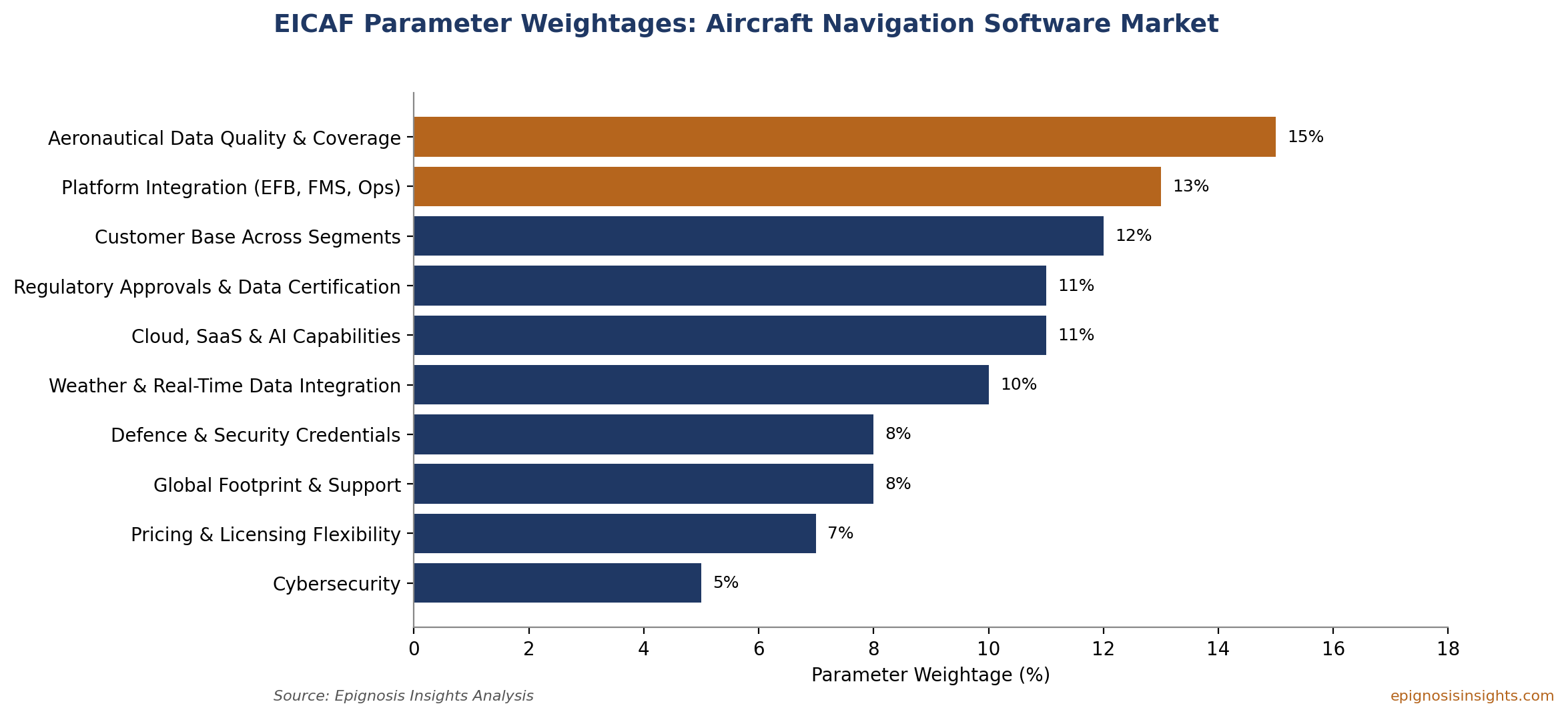
Figure 11: EICAF Parameter Weightages for the Global Aircraft Navigation Software Market
Each company is assigned a score from 1 to 5 against every parameter, with the weighted score calculated as Company Score × Parameter Weightage. The resulting EICAF score allows data specialists, avionics manufacturers and aerospace systems companies to be compared on a consistent basis, and distinguishes current scale from the platform and AI capabilities likely to determine competitive positions by 2032.