
The Environmental Cost of AI: Measuring Compute’s Carbon Footprint
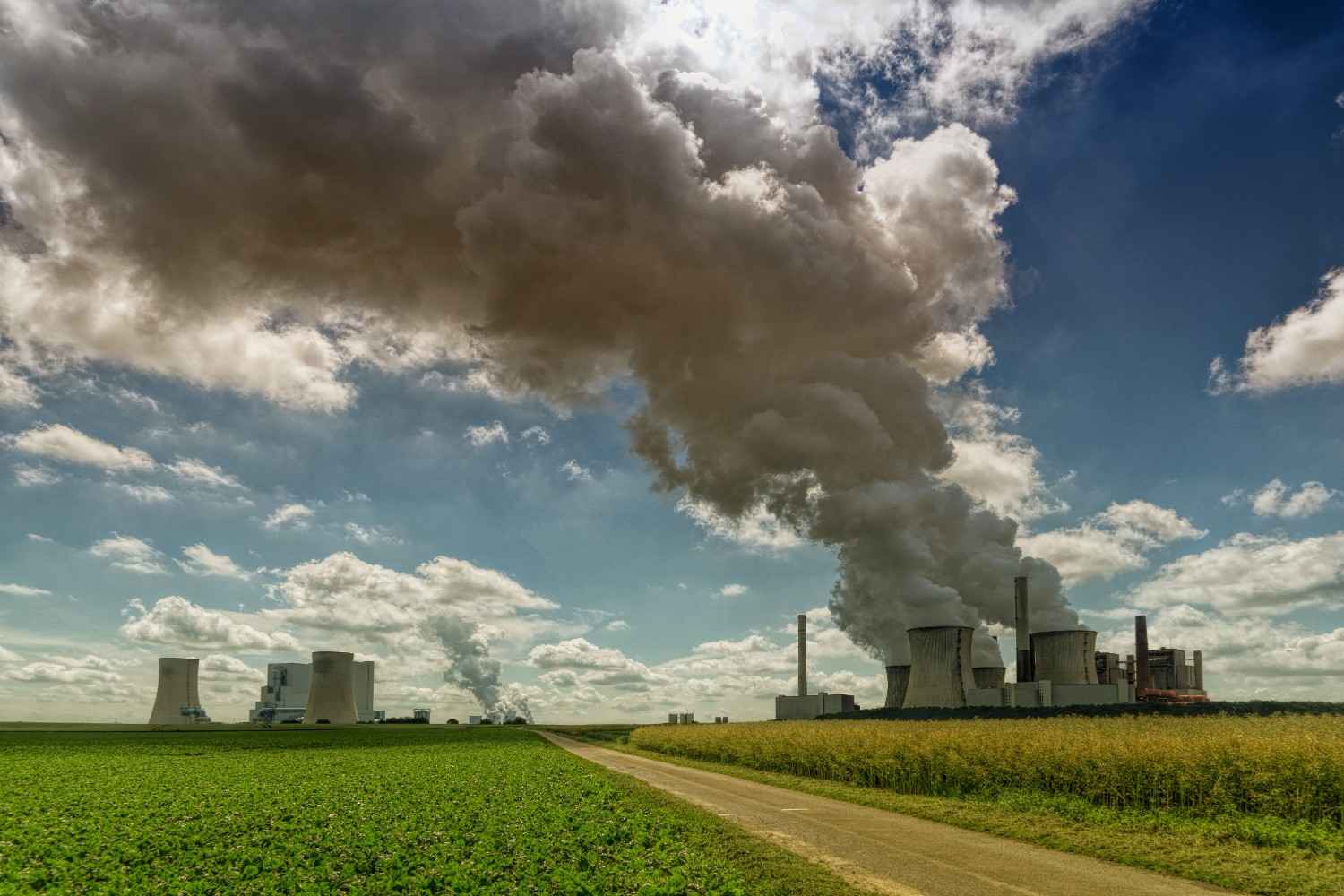
Every prompt, generated image and line of AI-written code now carries a measurable energy bill, and in 2025 that bill grew faster than at any point in the digital era. Artificial intelligence has turned data centres from a stable, efficiency-driven corner of the power system into one of its fastest-growing loads. For investors, regulators and sustainability teams, the question is no longer whether AI has a carbon footprint, but how accurately that footprint is measured and where it is being absorbed.
The Scale of the Problem
Data Centre Demand Is Outrunning the Grid
The International Energy Agency’s Key Questions on Energy and AI (April 2026) shows data centre electricity demand rose 17% in 2025, while demand from AI-focused facilities jumped roughly 50%, against global electricity growth of just 3%.
The agency expects total data centre consumption to nearly double from about 485 TWh to 950 TWh by 2030, close to 3% of global demand, with AI-focused sites tripling to around 465 TWh. Capital is moving faster still: spending by five large technology companies exceeded USD 400 billion in 2025 and is set to rise another 75% in 2026. The IEA also notes that energy per AI task is falling at an unprecedented rate. That is the core paradox: efficiency gains are real, yet absolute consumption compounds because usage grows faster than efficiency improves.
Concentration Makes the Impact Local
In the United States, the Department of Energy-commissioned Lawrence Berkeley National Laboratory report estimated that data centres consumed 176 TWh in 2023, or 4.4% of national electricity, and projected 325–580 TWh by 2028, equivalent to 6.7–12% of the total. Because capacity clusters around a handful of grid nodes, the real carbon intensity of AI is set less by national averages than by the marginal power plant serving each campus.
What Hyperscaler Disclosures Reveal
Google: The Footprint Migrates Upstream
Google’s 2026 Environmental Report shows electricity consumption rose 37% in 2025, its largest annual increase, leaving demand roughly 3.5 times its 2019 level. Total greenhouse gas emissions rose 18%, yet electricity-related emissions fell 3%. The implication is significant: clean power procurement is decoupling operational emissions from compute growth, but carbon is reappearing in chips, servers, steel and concrete, the embodied emissions of the AI build-out.
Microsoft: Better Accounting, Bigger Numbers
Microsoft’s 2026 Environmental Sustainability Report puts FY2025 emissions at about 20.3 million tonnes CO₂e, up 25% year-on-year and roughly 58% above its 2020 baseline, while electricity use rose 24%. Part of the jump reflects a methodological choice: after Microsoft stopped buying unbundled renewable energy certificates, Scope 2 rose from about 2% to 13% of total emissions. This exposes how certificate-based reporting has flattered sector-wide figures, and why headline ‘carbon-free’ data centre claims need scrutiny.
Why Measurement Remains Difficult
The Efficiency Plateau
The Uptime Institute Global Data Center Survey 2025, drawing on more than 800 operators, found average power usage effectiveness (PUE) at 1.54, essentially flat for six years. In practical terms, roughly 35% of the energy entering a typical facility still goes to cooling and power conversion rather than computing. As AI racks push power density higher, older enterprise and colocation sites risk drifting further from hyperscale benchmarks.
Three Blind Spots in Current Metrics
Most disclosures still struggle with three issues: annual-average rather than hourly grid emission factors, weak attribution of Scope 3 hardware emissions to specific AI workloads, and the absence of a standard per-query or per-model metric. Until these are resolved, comparing AI providers on carbon performance remains largely guesswork.
The Fossil Fuel Fallback
Grid connection queues are pushing developers toward on-site gas. Goldman Sachs Research (March 2026) raised its forecast for data centre power demand growth to 220% by 2030 versus 2023, up from 175%, with about 60% of new demand in the US. A WIRED analysis of air-permit filings found gas projects linked to just 11 US data centre campuses could emit over 129 million tonnes of greenhouse gases annually, more than Morocco emitted in 2024 and over six times Microsoft’s entire reported footprint. BloombergNEF’s revised outlook now sees data-centre-driven gas demand reaching about 15 billion cubic feet per day by 2035, more than double its December 2025 estimate. The risk is carbon lock-in: plants built for AI will operate for decades, whether or not projected demand materialises.
Outlook: Toward Carbon-Aware Compute
The next phase of AI sustainability will be defined by measurement quality rather than pledges. Three shifts deserve attention: hourly carbon-free energy matching replacing annual certificates, embodied-carbon disclosure for accelerators and servers, and scheduling that moves flexible training jobs to low-carbon hours and regions. Operators that report emissions per unit of useful compute, rather than per facility, are likely to set the benchmark that regulators and enterprise buyers adopt.