
Customer Buying Behavior Analysis: How U.S. Industrial Buyers Choose Filtration Systems
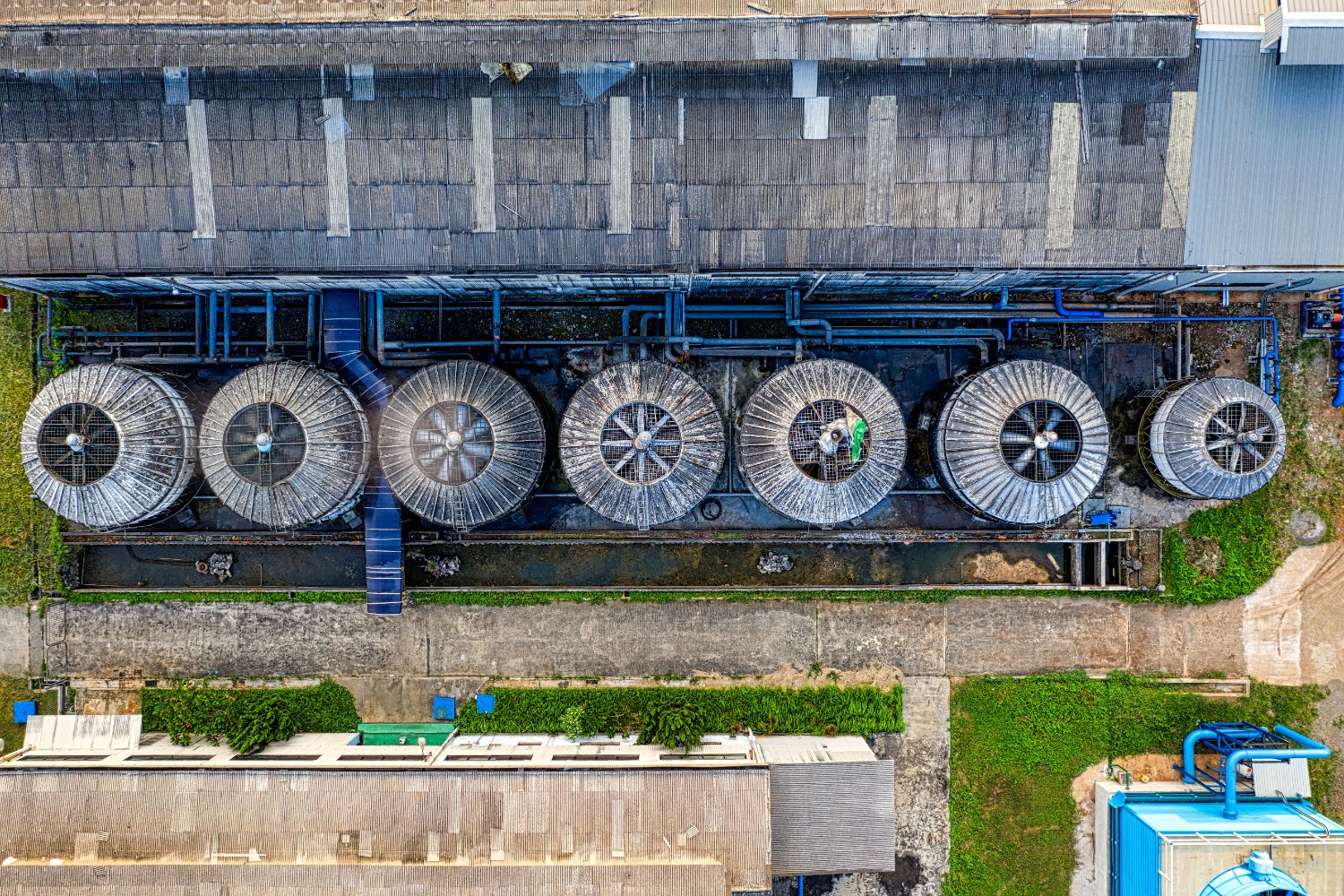
Purchasing behavior in the U.S. industrial filtration market has shifted from a price-first decision to a lifecycle-first one. Buyers increasingly weigh total operating cost, technical fit and supplier reliability alongside the upfront quote, and capital budget pressure is reshaping how quickly, and how cautiously, those decisions get made.
Buyers Are Evaluating Lifecycle Cost, Not Just Purchase Price
Industrial filtration systems generate continuing expenses from electricity consumption, filter replacement, cleaning, labor, monitoring, maintenance and disposal, and high-pressure or high-flow applications can be especially costly to operate because pumps and fans consume significant energy. As a result, a lower-priced filtration system does not necessarily represent the lowest cost option over its operating life. Recent industry analysis indicates that U.S. buyers are increasingly evaluating total cost of ownership, energy efficiency and filter service life when selecting filtration systems, rather than defaulting to the cheapest available unit.
Purchasing Committees Compete Suppliers on Technical Fit, Not Just Price
Within specific product categories such as cartridge filters, OEM and aftermarket suppliers compete not only on filtration efficiency but also on service life, pressure drop, compatibility with existing systems, availability and replacement lead time. This multi-criteria evaluation reflects a buying process where technical specification and supply reliability carry as much weight as unit cost, particularly for facilities where contamination control or process uptime is business-critical. The same evaluation logic extends to capital equipment decisions: standard central filtration systems, priced roughly US$12,000 to US$45,000 per unit, are typically assessed against premium semiconductor and electronics-grade systems priced from US$80,000 to US$250,000 per unit, with buyers in high-purity industries willing to pay the premium once validated performance and contamination control become production-critical requirements rather than optional upgrades.
Capital Budget Constraints Directly Shape Buying Decisions
Broader manufacturing sentiment data confirms that capital equipment purchases remain sensitive to policy and cost uncertainty. The National Association of Manufacturers' Q1 2025 Manufacturers' Outlook Survey found that 69.35% of respondents said they would delay purchasing capital equipment if Congress failed to extend the 2017 Tax Cuts and Jobs Act, while trade uncertainty was cited by 76.2% of respondents as a top business concern, up 20 percentage points from the prior quarter, and 62.3% cited rising raw material costs. For filtration buyers, this means major new equipment purchases are often the first budget line reconsidered when policy or cost visibility weakens, even when the underlying operational need for filtration, such as an aging system or a tightening emissions requirement, has not changed. Smaller manufacturers feel this most acutely, since a single compliance requirement can also require ductwork, fan and site modifications well beyond the cost of the filtration unit itself.
Buyers Are Shifting Toward Recurring, Service-Based Relationships
Rather than committing large capital sums upfront, many industrial customers are moving toward leasing, equipment-as-a-service, long-term maintenance agreements, vendor-managed inventory and performance-based contracts that reduce the initial capital burden. This shift is visible in supplier financials: at its 2026 investor symposium, Donaldson Company reported that approximately 65% of its revenue now comes from replacement parts, reflecting how buyers, once a filtration specification is established, tend to stay within that supplier's validated replacement ecosystem rather than re-tendering the relationship for routine consumables.
Broader Manufacturing Sentiment Shapes the Buying Environment
Deloitte's 2025 Manufacturing Industry Outlook found that U.S. manufacturers continued targeted investment in digital and data infrastructure even amid a challenging near-term business environment, while supply chain disruption remained a persistent operational concern shaping capital planning. For filtration buyers, this combination of continued strategic investment alongside cautious near-term capital release means purchasing cycles can lengthen even when demand fundamentals, such as replacement need or regulatory compliance, remain intact.
Conclusion
Customer buying behavior in the U.S. industrial filtration market now reflects three overlapping pressures: a genuine shift toward lifecycle economics over sticker price, persistent sensitivity to capital budget and trade-policy uncertainty, and a structural move toward recurring, service-based purchasing rather than one-time equipment sales. Suppliers that can quantify total cost of ownership, offer flexible financing and demonstrate reliable replacement-part availability are best positioned to convert cautious capital budgets into won business.