
Consumer Willingness to Pay for Sustainable Products: What the Data Really Shows

Ask consumers directly whether they would pay more for a sustainable product, and most will say yes. Track what they actually put in their basket, and the picture gets more interesting — and more useful. The gap between stated intent and revealed behavior has long been the soft spot in sustainability research, but a growing body of transaction-level and regulatory data now lets us see past the survey question to what is really happening at checkout. That distinction matters enormously for brand owners deciding where to invest in genuine sustainability claims versus where the premium simply will not be paid.
What Consumers Say They Will Pay
Stated willingness-to-pay research still shows a real, if moderating, premium. Reporting by ESG Today on Bain & Company's global consumer sustainability survey found that consumers report being willing to pay an average premium of 12% for more sustainable products, even as many simultaneously describe sustainable options as too expensive in practice. But stated intent is softening under economic pressure. According to the European Commission's Consumer Conditions Survey, conducted by IPSOS on the Commission's behalf, the share of EU consumers citing environmental impact as an important factor in their purchasing decisions fell 13 percentage points between 2022 and 2024, landing at 43% a decline the Commission links directly to cost-of-living pressure and eroding trust in green claims.
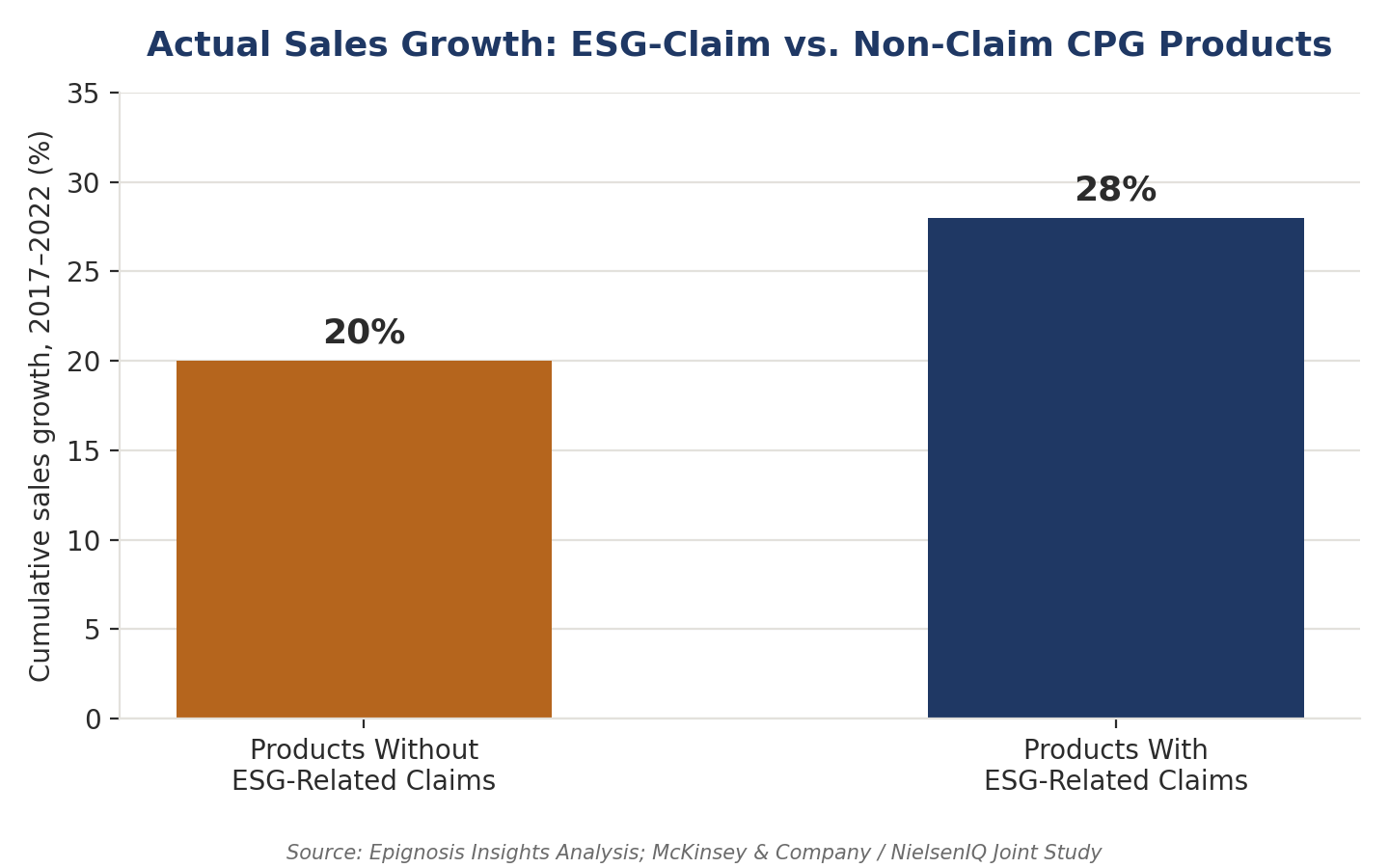
Figure 1: The share of EU consumers citing environmental impact as an important purchase factor declined sharply between 2022 and 2024.
What Actual Purchase Data Shows
This is where transaction data tells a more encouraging story than the softening stated-intent numbers suggest. A joint study by McKinsey & Company and NielsenIQ analyzed five years of real U.S. retail sales data — 600,000 individual product SKUs representing $400 billion in annual revenue across 44,000 brands — and found that products carrying one or more ESG-related claims achieved 28% cumulative sales growth from 2017 to 2022, compared with 20% for products making no such claims. Products with ESG claims accounted for 56% of all category growth over the period, about 18% more than their starting market share would predict. Critically, this is behavioral data, not self-reported sentiment: it measures what consumers actually bought, not what they told an interviewer they intended to buy.
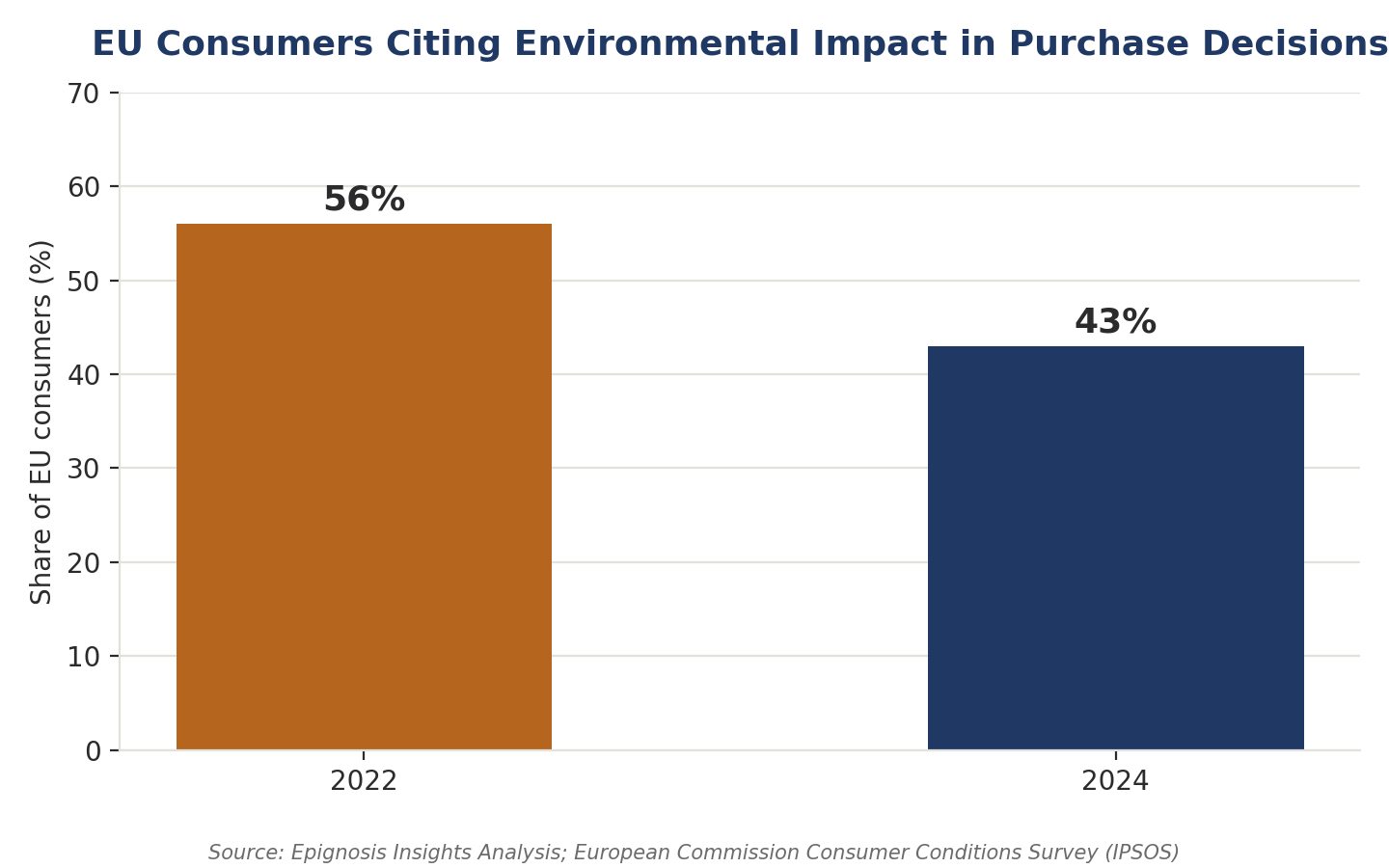
Figure 2: Products carrying ESG-related claims outgrew non-claiming products by eight percentage points on actual U.S. retail sales data, 2017–2022.
Company-Level Evidence: Sustainability as a Growth Driver
Individual company disclosures reinforce the transaction-level pattern. Unilever's own Sustainable Living Plan reporting shared with investors at the Deutsche Bank Global Consumer Conference — showed that its designated Sustainable Living Brands grew 69% faster than the rest of the company's portfolio and delivered 75% of Unilever's total growth in a single reporting year. That figure comes from a company with genuine revenue at stake in getting the answer right, which gives it a different evidentiary weight than a stated-preference survey: management would not continue reporting this metric to investors, cycle after cycle, if the underlying sales pattern were not real.
The Trust Gap Behind the Numbers
If the purchase data is this encouraging, why is stated willingness-to-pay softening? The European Commission's own market analysis of green claims offers a direct answer: 53% of environmental claims examined across the EU market were found to be vague, misleading, or unfounded, and 40% lacked any supporting evidence at all. That scale of unverified claims erodes the baseline trust that any stated-preference survey question depends on, and helps explain why consumers report paying less attention to environmental factors even as verified sustainable products continue to outperform on the shelf. The industry side is responding: The Consumer Goods Forum, the CEO-led body representing more than 380 manufacturers and retailers across 70 countries, reported in its 2025 annual review that member companies had engaged over 1,200 suppliers in deforestation- and conversion-free sourcing commitments and introduced a shared Common Data Framework to standardize how sustainability claims are measured and reported a direct, structural attempt to close the credibility gap that the Commission's data identifies.
What This Means Going Forward
The practical takeaway for brand and category teams is to stop treating stated willingness-to-pay surveys as the final word on sustainability investment. Stated intent is a directional signal, but it is measurably softer than what real purchase data shows once a claim is verifiable and genuinely differentiated. At Epignosis Insights, our brand health and pricing studies increasingly pair stated-preference questions with actual purchase-panel or scanner data wherever a client can access it, precisely because the two data sources tell different parts of the same story: survey questions capture intent and price sensitivity under current trust conditions, while transaction data reveals what a credible, well-substantiated claim is actually worth once it reaches the shelf.