
Blind Spots: Why Companies Miss Disruptive Competitors Until It's Too Late

Corporate history is full of companies that had the money, the talent, and the market position to see a threat coming, and missed it anyway. The average tenure of a company on the S&P 500 has collapsed from 33 years in 1965 to a forecast 14 years by 2026, according to consulting firm Innosight's long-running corporate longevity research, a decline driven not by companies running out of resources but by companies running out of peripheral vision. Understanding why well-run organizations consistently miss disruptive competitors, until the threat is unmistakable and often unstoppable, is one of the most valuable diagnostic exercises a leadership team can run.
The Anatomy of a Blind Spot: Kodak and Nokia
Eastman Kodak did not fail to see digital photography coming. A Kodak engineer built the world's first self-contained digital camera in 1975, decades ahead of the market. Yet Kodak's US digital camera market share collapsed from 24% in 2005 to just 7% by 2010, according to Wall Street Journal reporting cited in Forrester's analysis of the company's business model failure, and the company filed for Chapter 11 bankruptcy protection in January 2012 with $5.1 billion in assets against $6.8 billion in liabilities, Reuters reported at the time. Kodak's blind spot was not technological ignorance; it was an inability to let a profitable, 90%-market-share film business be cannibalized fast enough by the very technology it had invented.
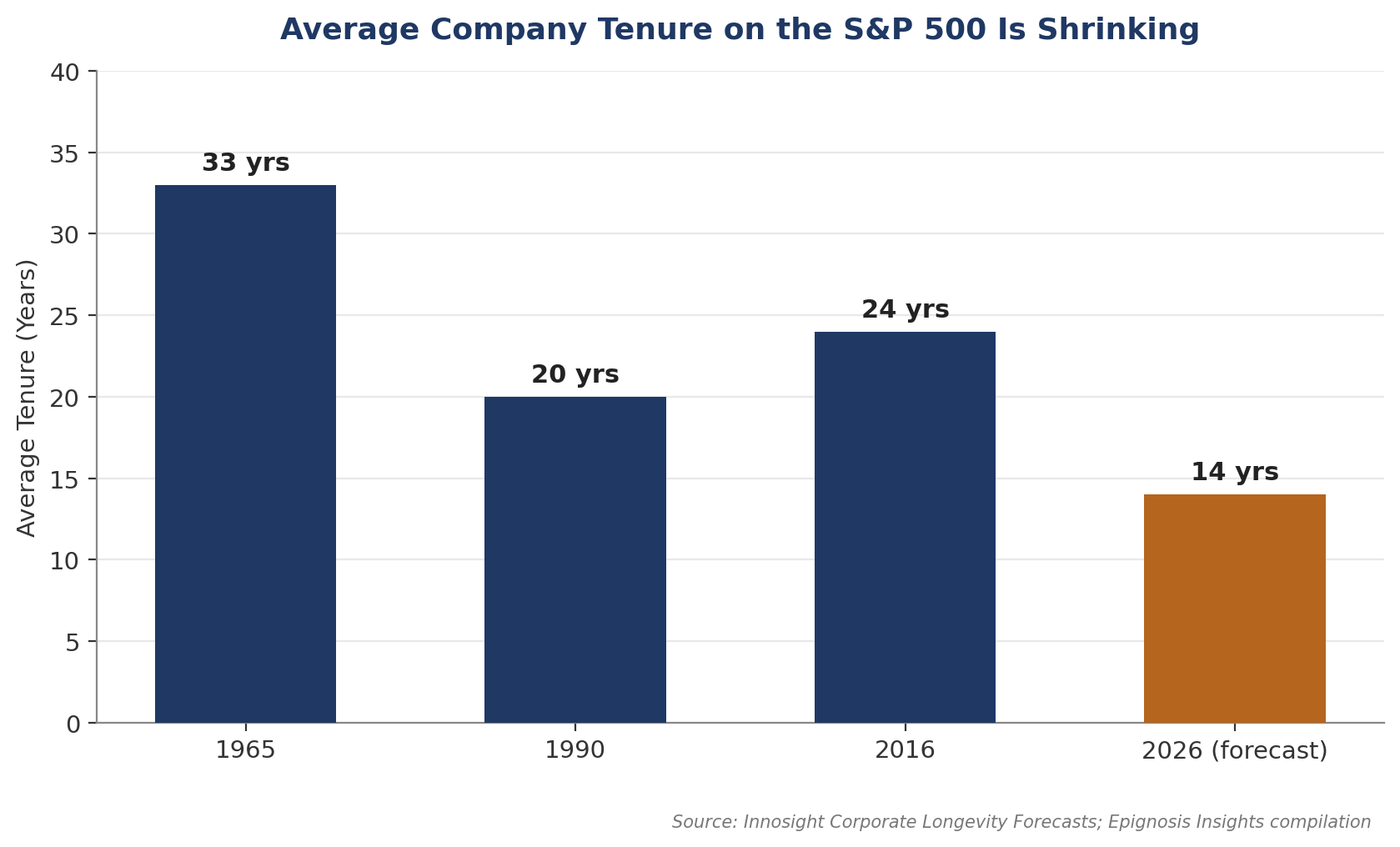
Figure 1: Market share collapse at Kodak and Nokia after each company recognized, but underreacted to, a disruptive shift.
Nokia's story followed a similar arc on a faster timeline. The company controlled roughly 49% of the global smartphone market in 2007, the same year Apple launched the iPhone with about 5% share, and by 2013 Nokia's share had fallen to single digits before Microsoft acquired its handset business for $7.2 billion, according to Reuters coverage of the deal. Then-CEO Stephen Elop's internal 2011 memo, which described Nokia as standing on a "burning platform," showed the company was fully aware of the threat; the failure was in the speed and decisiveness of the response, not in detecting the disruption itself.
The Research Behind the Pattern: Competitor Neglect
McKinsey's strategy practice has a name for this failure mode: competitor neglect, a bias in which decision-makers systematically weight their own internal data and plans more heavily than external signals about how rivals and markets are shifting. A McKinsey Global Survey of executives worldwide found that 82% of respondents described their company's largest strategic move in the past year as a logical next step in their existing strategy, rather than a genuine departure prompted by a new external threat. Only 29% said their company had actively searched for a new strategy rather than simply reacting to a challenge or opportunity, and just 23% said their organization introduced a new strategic initiative to the market without prior warning, meaning the overwhelming majority of strategic moves, including a company's own, are visible to competitors well before they happen, and yet still routinely catch rivals by surprise.
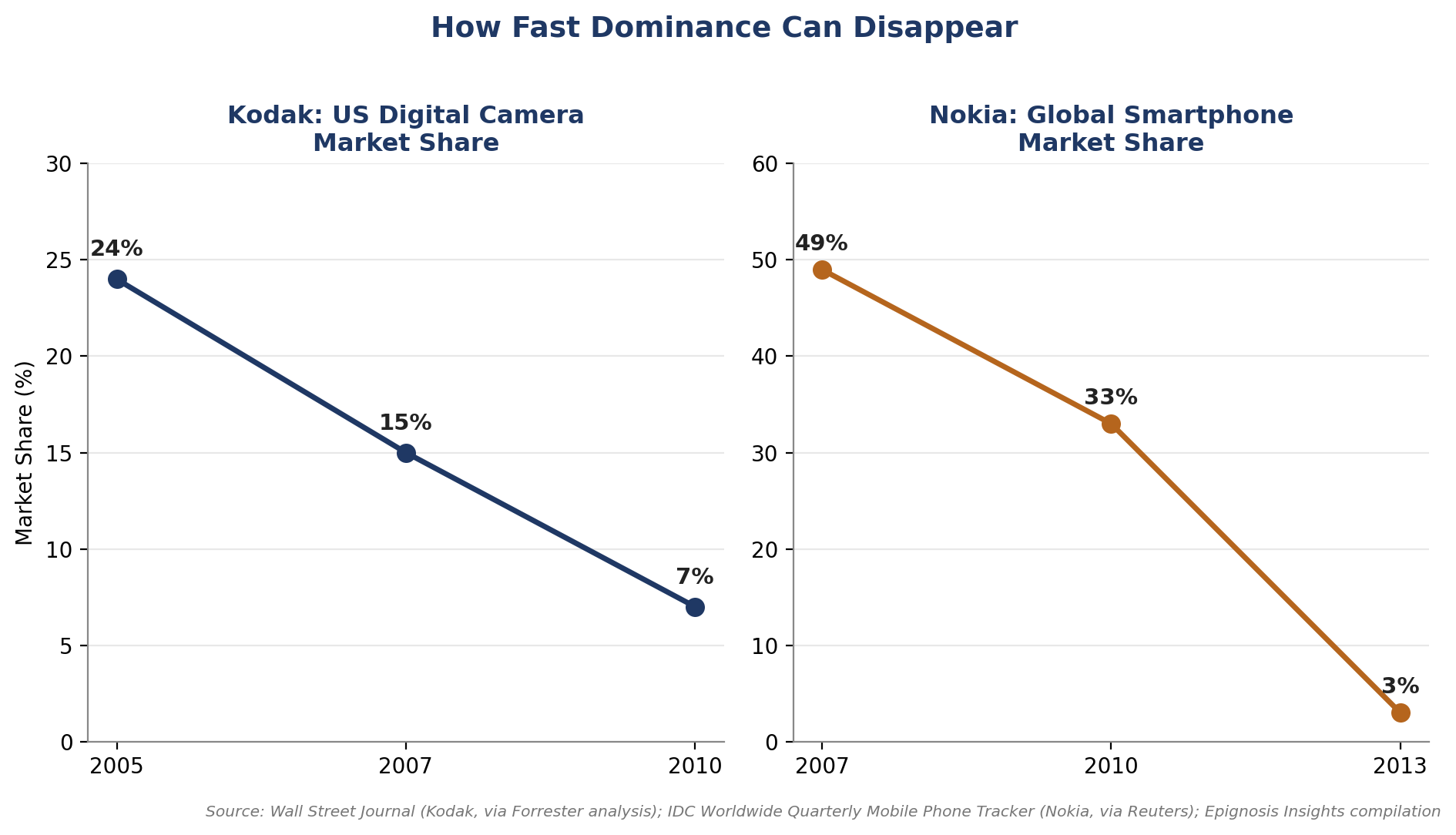
Figure 2: McKinsey survey data on how executives plan strategy, and why disruptive moves still go unanticipated.
Why Success Itself Creates the Blind Spot
McKinsey's research points to a specific mechanism: because leadership teams focus so much attention on their own ambitions and roadmaps, they end up structurally blind to incremental shifts in competitive dynamics happening around them, a bias that McKinsey notes is especially pronounced in leaders operating in new and fast-changing markets such as streaming media, electric vehicles, and artificial intelligence software. The same McKinsey analysis traces this failure pattern back to military history, noting that French commanders between the two World Wars failed to anticipate that Germany would abandon static defensive doctrine for blitzkrieg tactics, leaving fixed fortifications like the Maginot Line strategically irrelevant almost overnight, a striking parallel to how entrenched market leaders defend yesterday's battlefield.
Blockbuster: When the Board Sees the Threat and Still Says No
Blockbuster represents the starkest version of this pattern because its leadership was offered the disruptive competitor directly and declined. By the time Blockbuster filed for Chapter 11 bankruptcy protection in September 2010, the company disclosed in an SEC filing that it was carrying close to $1 billion in debt it could not service, a burden traced in large part to a 2004 dividend recapitalization pushed through under activist pressure. Blockbuster's revenue had been $5.9 billion as recently as 2004; by the time Dish Network acquired its remaining assets out of bankruptcy in 2011, the price was $320 million. Meanwhile Netflix, the subscription mail-order and streaming rival Blockbuster's leadership had reportedly passed on acquiring for roughly $50 million around 2000, surpassed 20 million subscribers the same year Blockbuster went bankrupt, according to CNBC's retrospective reporting on the rivalry.
Closing the Blind Spot: What the Research Suggests
The common thread across Kodak, Nokia, and Blockbuster is not a lack of intelligence about the threat but a structural failure to act on it at the speed the market demanded, a distinction consulting research increasingly treats as an organizational design problem rather than a forecasting one. McKinsey's recommended countermeasure is deliberately adversarial: structured war-gaming exercises that force executive teams to argue from a competitor's point of view rather than extrapolating from their own roadmap, specifically to interrupt the inside-view bias before a strategic blind spot becomes a strategic bankruptcy. With S&P 500 tenure continuing its multi-decade decline, according to Innosight's tracking, treating competitive blind-spot detection as a standing discipline, not a one-time strategy offsite, is becoming less optional for incumbents in every sector.
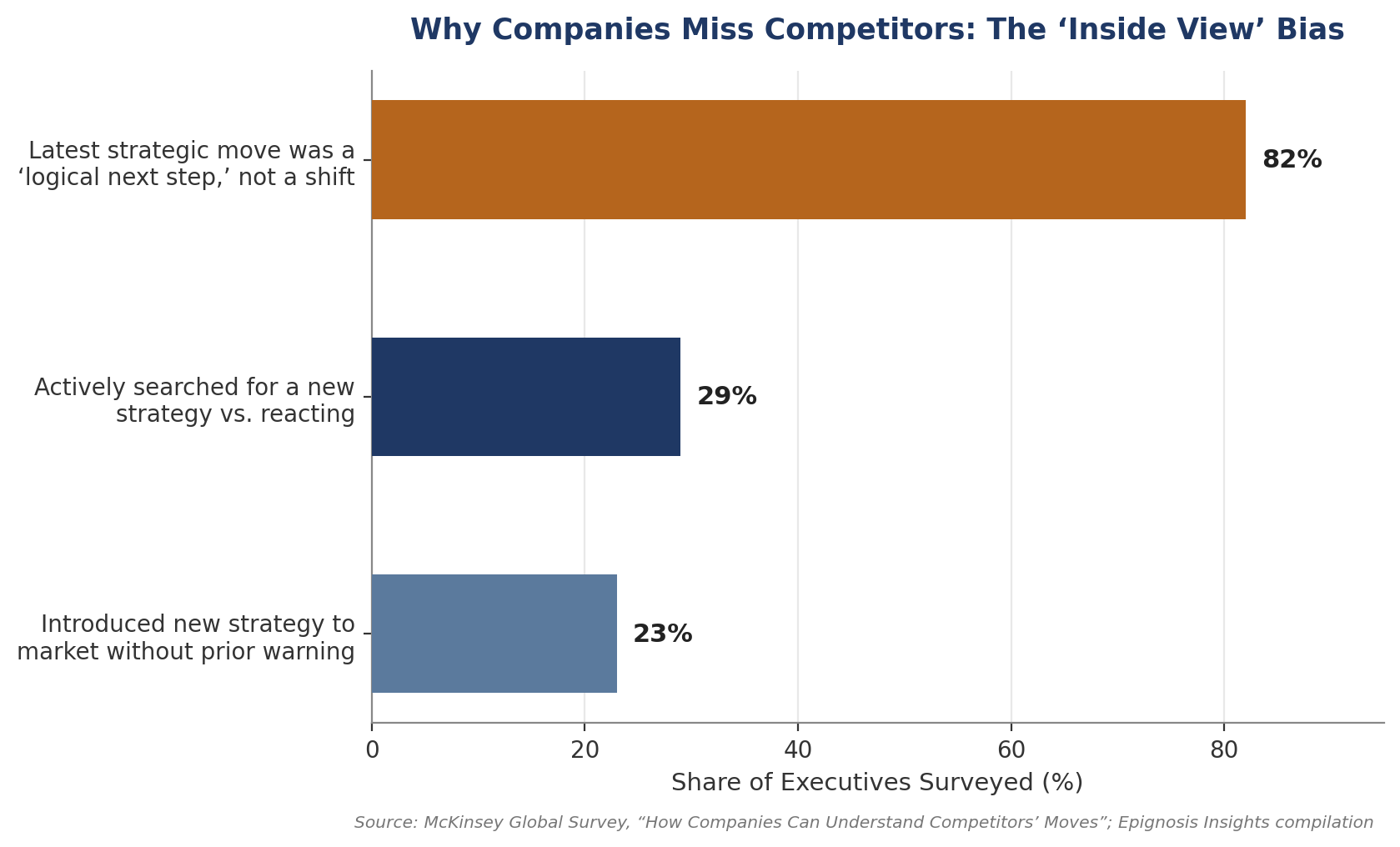
Figure 3: The average lifespan of a company on the S&P 500 has fallen by more than half since 1965.