Key Findings
- Global medical titanium clips market is projected to reach US$846.3 million by 2030 from US$538.9 million in 2024.
- Market revenue is expected to grow at a 7.8% CAGR from 2024 to 2030.
- Global consumption is projected to increase from 909.6 million clips in 2024 to 1,453.5 million clips by 2030, a volume CAGR of 8.1%.
- Installed global production capacity is estimated at 1,200 million clips in 2024 and is forecast to reach 1,724.1 million clips by 2030.
- Average capacity utilization is expected to rise from 75.8% in 2024 to 84.3% by 2030 as demand outpaces capacity additions.
- North America remains the largest market by value, accounting for 42.6% of global revenue in 2025.
- Asia Pacific holds 54.8% of global production capacity but only about 21.6% of market value, making it the industry's structural export hub.
- Asia Pacific is the fastest growing region, with value expanding at an 8.8% CAGR and volume at a 9.5% CAGR between 2024 and 2030.
- The average manufacturer price per clip ranges from about US$1.00 in North America to US$0.29 in Asia Pacific, a gap of more than three times.
- Centralized procurement, polymer clip substitution and applier-based ecosystem lock-in are the defining competitive forces in the market.
Global Medical Titanium Clips Market Outlook
Global Medical Titanium Clips Market was valued at US$538.9 million in 2024 and is estimated at US$584.8 million in 2025. Epignosis Insights projects the market to reach US$846.3 million by 2030, expanding at a CAGR of 7.8% between 2024 and 2030. The market has grown consistently from US$381.0 million in 2020, with the strongest annual expansion recorded in 2022 as deferred elective surgical procedures returned to hospital schedules after pandemic-era disruption.
In volume terms, Epignosis Insights estimates global consumption at 909.6 million clips in 2024, rising to 989.8 million clips in 2025 and 1,453.5 million clips by 2030. Volume is forecast to grow at 8.1% annually, slightly faster than value. This difference is the first indication of the market's underlying structure: the regions adding the most clips are the regions with the lowest price per clip, so global volume is pulling ahead of global revenue even though prices in developed markets remain broadly stable.
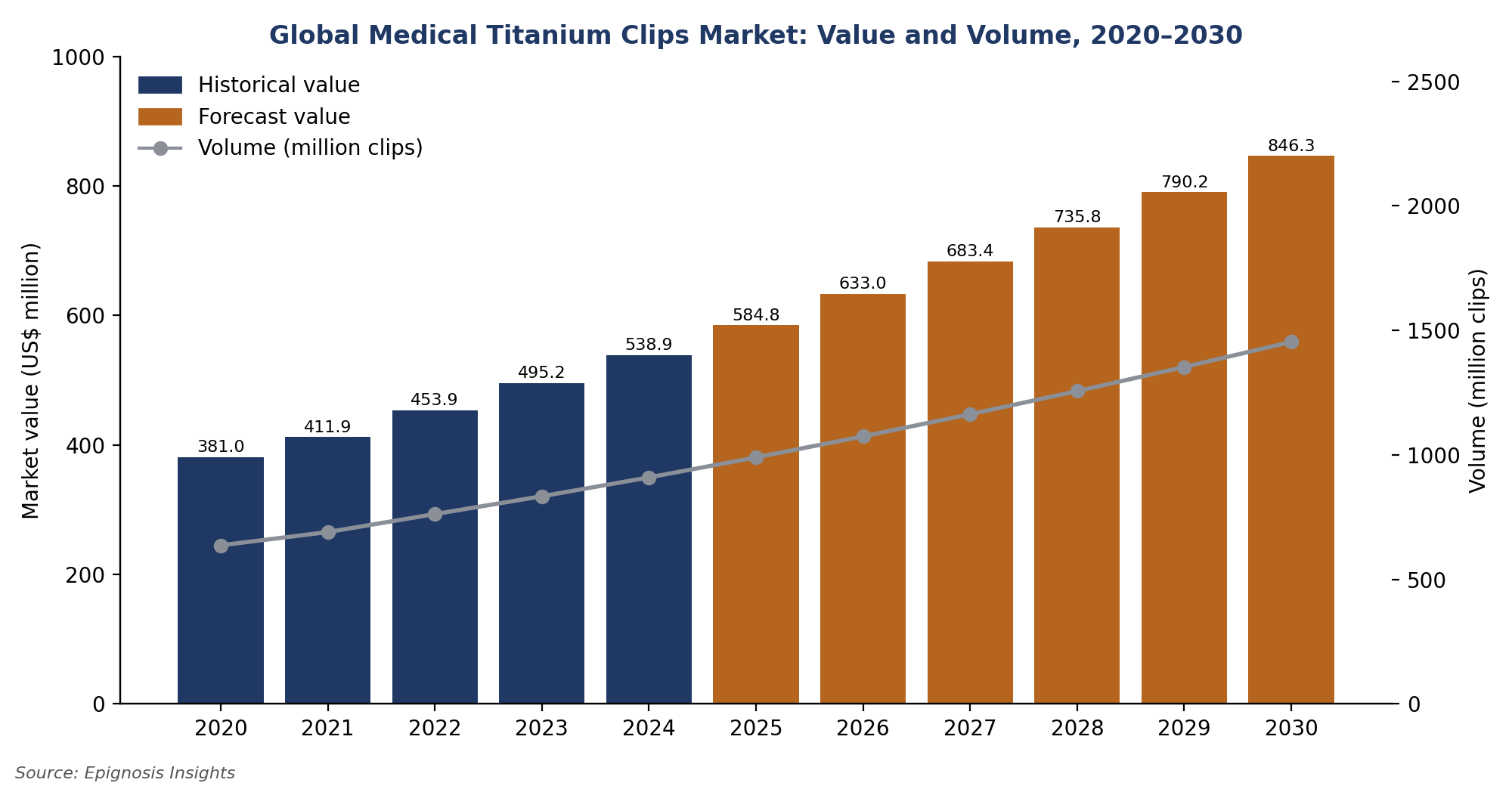
Figure 1: Global Medical Titanium Clips Market Value and Volume, 2020–2030
Titanium clips occupy a durable position in surgical practice because they combine biocompatibility, radiopacity and compatibility with magnetic resonance imaging. A titanium clip is a permanent implant: it is placed around a vessel, duct or tissue bundle and left in the patient. That permanence is precisely why the material matters. Unlike instruments that are reprocessed or discarded, every clip consumed represents a device implanted in a patient, which makes clip volume a direct proxy for the number and complexity of surgical procedures performed globally.
Global Medical Titanium Clips Market: Production Capacity and Utilization
Epignosis Insights estimates global installed production capacity at 1,200 million clips in 2024. Capacity is forecast to grow at a 6.2% CAGR to 1,724.1 million clips by 2030. Because consumption is expected to grow at 8.1% over the same period, average utilization is projected to rise from 75.8% in 2024 to 77.7% in 2025 and 84.3% by 2030. Utilization stood at only 67.5% in 2020, so the industry has absorbed a substantial capacity overhang over the past five years and is now moving into a tighter supply position.
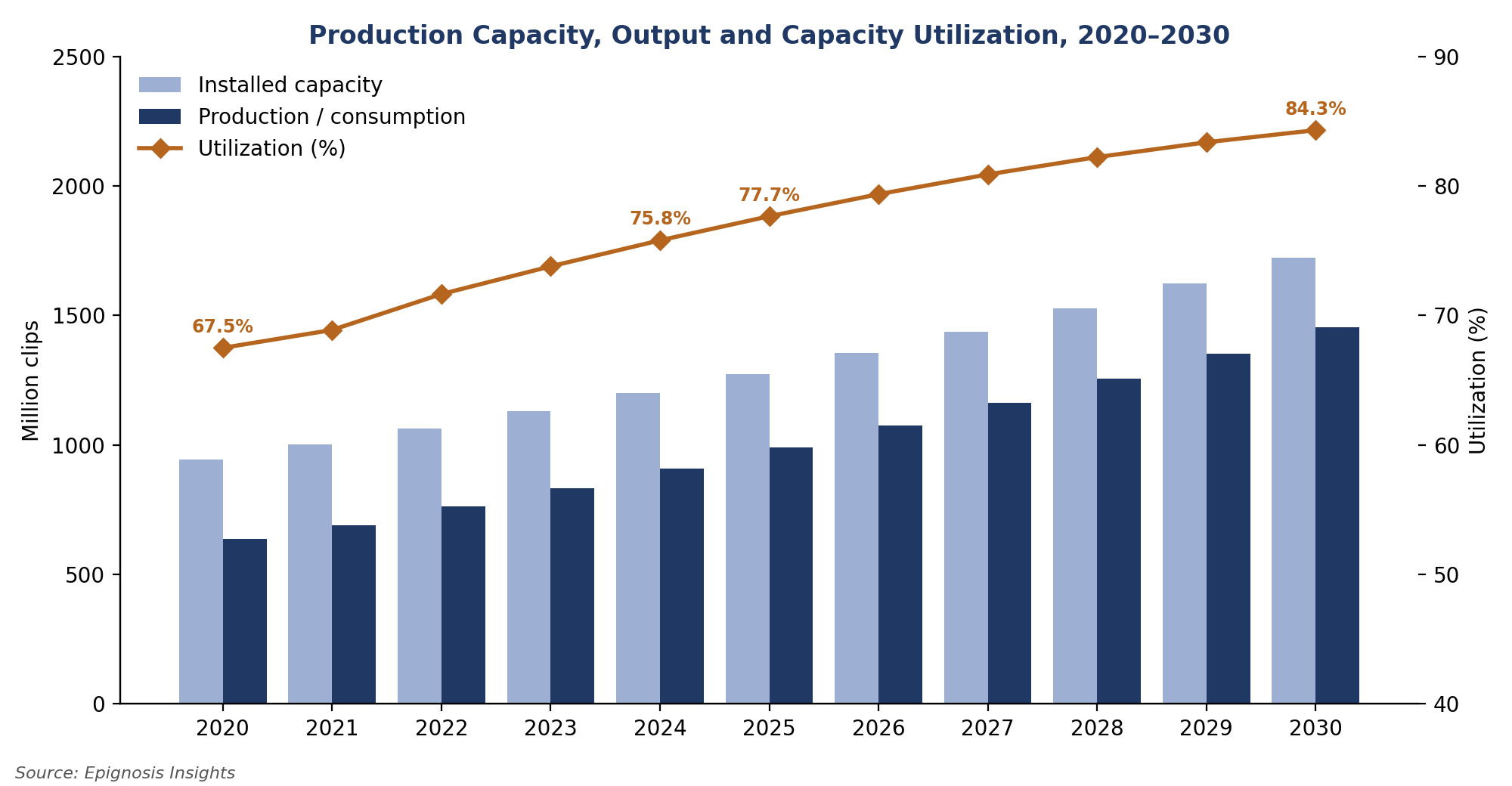
Figure 2: Production Capacity, Output and Capacity Utilization, 2020–2030
Capacity is concentrated heavily in Asia Pacific, which held 657.0 million clips of capacity in 2024, equivalent to 54.8% of the global total. North America followed with 273.6 million clips (22.8%), then Europe with 225.6 million clips (18.8%). Latin America and the Middle East and Africa together accounted for less than 4% of installed capacity. Asia Pacific is also adding capacity fastest, at a 6.8% CAGR, taking its installed base to 973.2 million clips by 2030. North American and European capacity is forecast to grow at 5.8% and 5.7% respectively, while Latin American capacity grows at only 2.4%.
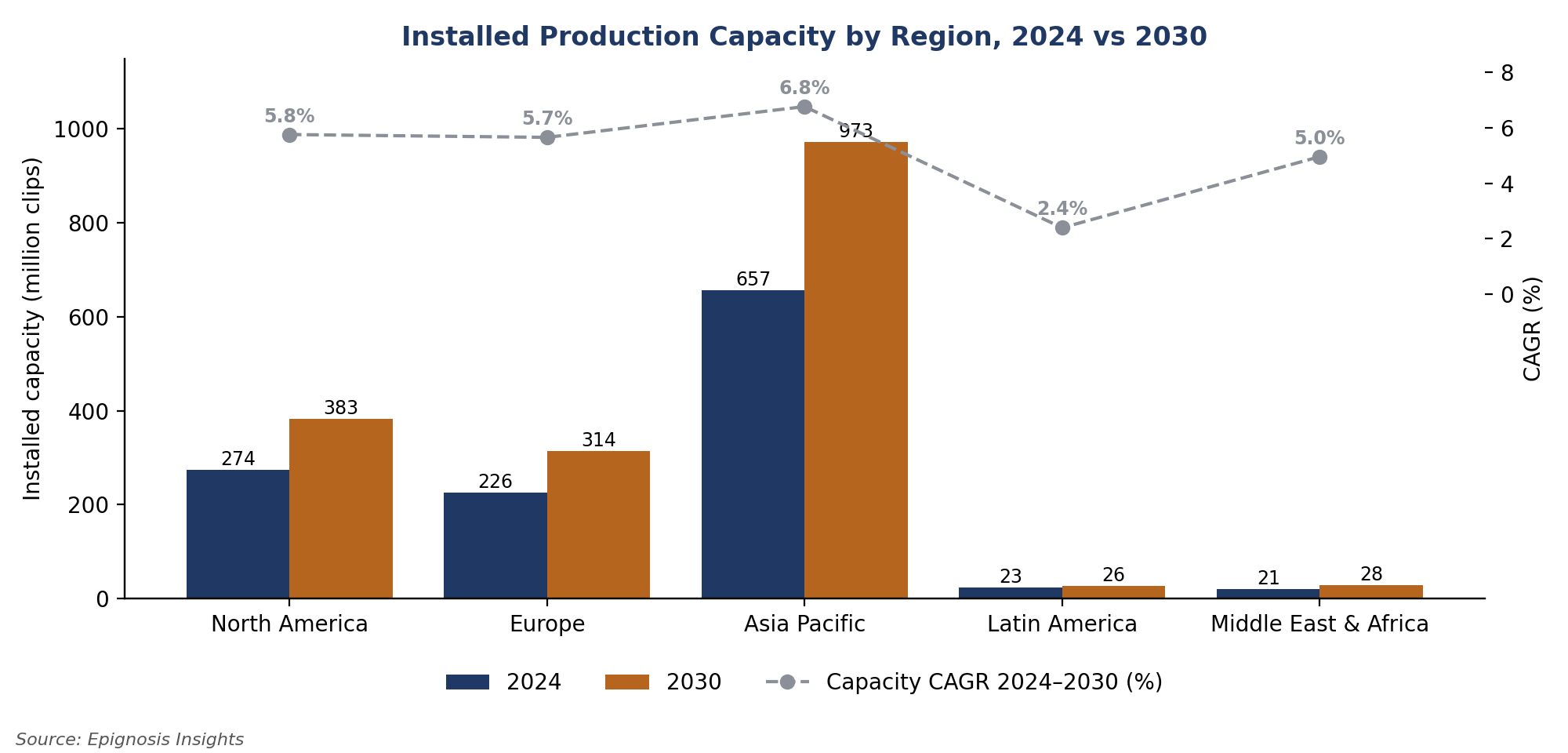
Figure 3: Installed Production Capacity by Region, 2024 vs 2030
The manufacturing economics of titanium clips explain this geography. Clip production involves precision forming of commercially pure titanium wire, surface finishing, cartridge assembly, sterile packaging and sterilization. The titanium input per clip is very small, so material cost is a minor part of the cost structure compared with labour, tooling, cleanroom operation, sterilization and quality systems. These conditions favour high-volume production in lower-cost locations, which is why a large share of global clip output is formed and packaged in China and other Asian manufacturing centres, either by domestic brands or as contract production for international companies.
Rising utilization will change the investment calculus. At 84% average utilization by 2030, there is little headroom to absorb a sterilization outage, a regulatory hold or a sudden tender award. Epignosis Insights expects capacity additions to focus on automated forming and cartridge-loading lines, which raise output per square metre of cleanroom space, and on sterilization capacity, which is frequently the true bottleneck in single-use device manufacturing rather than clip forming itself.
Global Medical Titanium Clips Market: Regional Supply and Demand Balance
The gap between where clips are made and where they are used is one of the most important features of this market. Comparing each region's share of global production with its consumption reveals a clear structural pattern. In 2024, Asia Pacific produced an estimated 100 million more clips than it consumed. Every other region ran a deficit: North America by about 23 million clips, Europe by 26 million, Latin America by 16 million and the Middle East and Africa by 36 million.
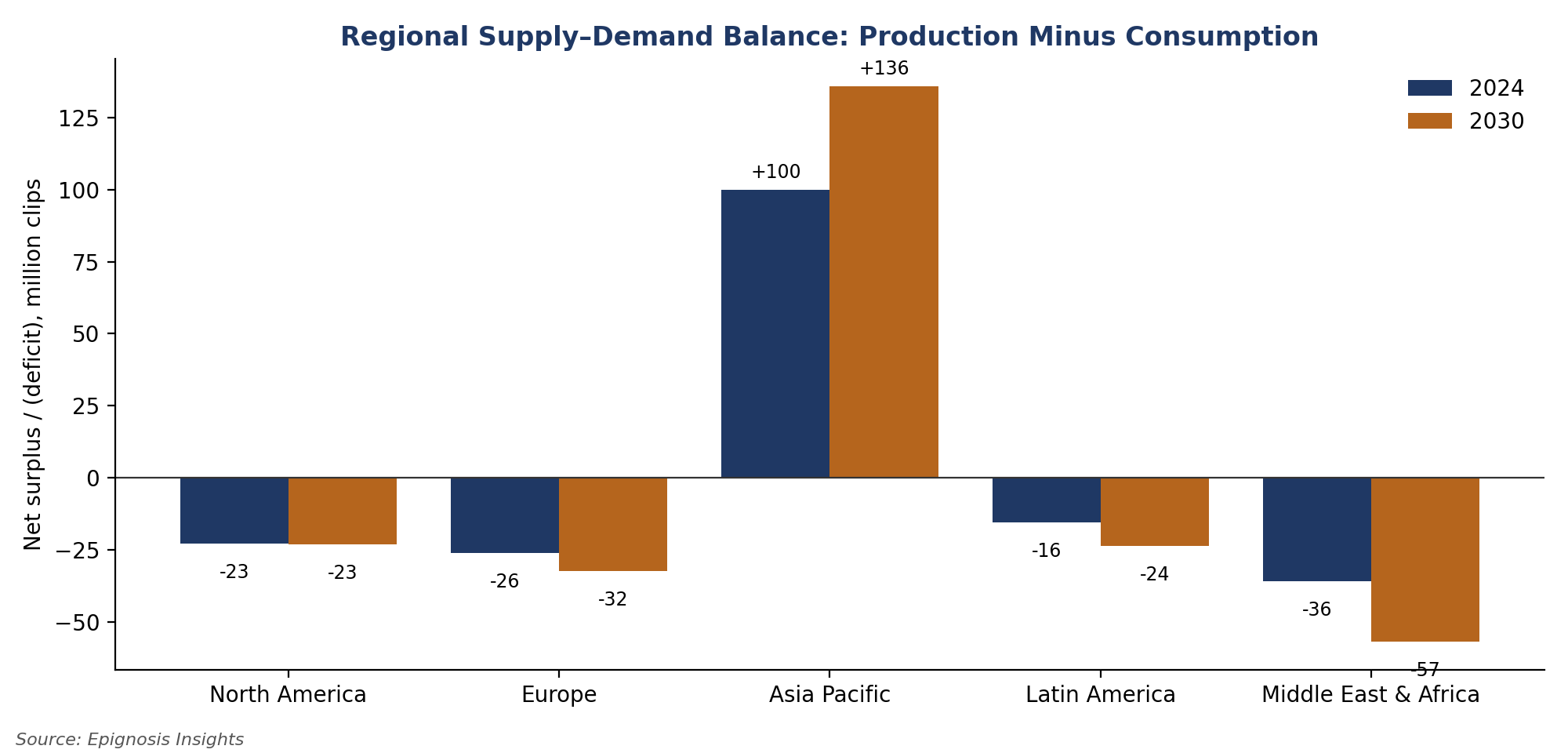
Figure 4: Regional Supply–Demand Balance: Production Minus Consumption
These imbalances are forecast to widen. By 2030, Asia Pacific's surplus is projected to reach about 136 million clips, while the Middle East and Africa deficit grows to about 57 million clips and Europe's to 32 million. The Middle East and Africa is the most import-dependent region, with consumption of 51.6 million clips in 2024 against capacity of only 20.9 million. This reflects the region's growing surgical activity, driven by hospital construction and expanding insurance coverage in the Gulf states, combined with a limited local medical device manufacturing base.
For international suppliers, this structure has two implications. First, export competitiveness from Asia Pacific will continue to shape pricing in import-dependent markets, particularly in tender-driven public health systems in the Middle East, Africa and Latin America. Second, supply security is becoming a procurement criterion in its own right. Hospital groups and national buyers that depend entirely on imported clips are increasingly attentive to dual sourcing, local stock holding and the regulatory status of each manufacturing site. Suppliers with regional warehousing and registrations in multiple jurisdictions are positioned to capture this demand.
Global Medical Titanium Clips Market Dynamics
Procedure Volume Growth in Emerging Health Systems Is Driving Clip Consumption
The most powerful driver of the medical titanium clips market is the expansion of surgical capacity in emerging health systems, particularly in Asia Pacific and the Middle East. Titanium clips are consumed per procedure. A laparoscopic cholecystectomy typically uses several clips on the cystic duct and artery, while colorectal, gastric, thoracic and gynecologic oncology procedures can each use considerably more. As hospital bed capacity, trained surgeons and insurance coverage expand, the number of procedures performed rises, and clip consumption follows directly.
Asia Pacific demonstrates this most clearly. Epignosis Insights estimates that the region consumed 398.1 million clips in 2024, already the largest volume of any region, and projects consumption to reach 684.6 million clips by 2030. That is a volume CAGR of 9.5%, the fastest of any region, while value grows at 8.8%. Volume is growing faster than value because the incremental demand is concentrated in price-sensitive public hospital systems, where procurement is often centralized and the price per clip is low.
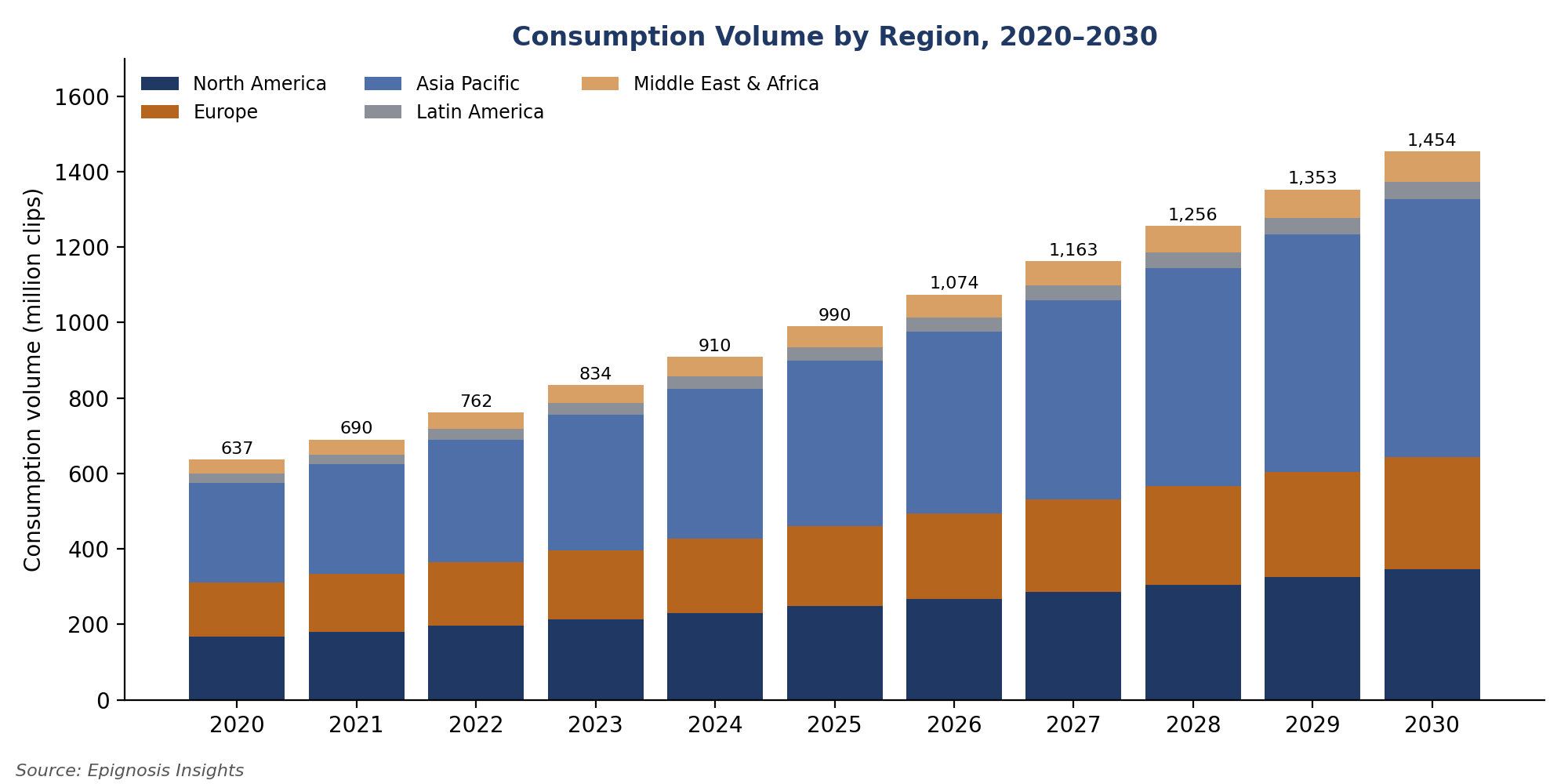
Figure 5: Consumption Volume by Region, 2020–2030
The shift from open to laparoscopic surgery reinforces this growth. Minimally invasive procedures rely heavily on clip appliers because hand-tied ligatures are slow and technically demanding through a laparoscopic port. As laparoscopic adoption spreads from tertiary hospitals into secondary and district hospitals across emerging markets, each newly equipped operating theatre adds a recurring stream of clip demand. This makes titanium clips an annuity-like consumable tied to the installed base of laparoscopic towers and trained surgical teams.
Centralized Procurement Is Compressing Prices in Price-Sensitive Markets
The most significant restraint on value growth is the expansion of centralized and volume-based procurement for surgical consumables. In China, the National Healthcare Security Administration has signalled that ligating clips are among the medical consumables to be brought into centralized procurement, alongside items such as ultrasonic scalpels and in vitro diagnostic reagents. Under volume-based procurement, suppliers compete for guaranteed hospital volumes by offering steep price reductions, and winning bids are typically awarded to manufacturers with the lowest cost base and the largest production scale.
The effect of these programmes is visible in Epignosis Insights pricing estimates. The average manufacturer selling price for titanium clips in Asia Pacific is estimated at US$0.29 per clip in 2024 and is forecast to decline slightly to US$0.28 by 2030, even as prices in North America and Europe edge upward. Procurement reform favours domestic manufacturers with integrated production and local registrations, and places pressure on multinational suppliers whose cost structures were designed for higher-priced markets. At the same time, it rewards scale: guaranteed volume allows efficient manufacturers to run production lines at higher utilization, partially offsetting the lower price per clip.
The procurement trend is not confined to China. Public tender systems in Europe, the Middle East, India and Latin America increasingly evaluate surgical consumables on a combination of price and technical scoring, and clip appliers are frequently supplied on loan or at no charge in exchange for consumable volume commitments. This shifts competition from the clip itself to the total cost of the clip and applier system, and makes contract structure as important as product performance in winning business.
Polymer and Absorbable Clips Are Competing for Specific Indications
Titanium clips face substitution pressure from non-absorbable polymer locking clips and, to a lesser degree, absorbable clips. Polymer locking clips are frequently preferred for larger vessels and for procedures where secure locking is a priority, such as the renal hilum in nephrectomy. Absorbable clips appeal in procedures where a permanent implant is undesirable. Titanium nonetheless retains strong advantages: lower unit cost, long clinical familiarity, radiopacity for post-operative imaging and the ability to serve as a fiducial marker. Epignosis Insights expects titanium to remain the volume standard for small and medium vessels and ducts, while polymer clips capture a growing share of large-vessel indications in higher-income markets.
Global Medical Titanium Clips Market: Regional Value Landscape
North America is the largest market by value, generating US$249.1 million in 2025, or 42.6% of global revenue. Europe follows with US$162.0 million (27.7%), then Asia Pacific with US$126.5 million (21.6%), the Middle East and Africa with US$30.4 million (5.2%) and Latin America with US$16.9 million (2.9%). By 2030, North America is projected to reach US$356.3 million and Europe US$231.0 million, while Asia Pacific grows to US$191.5 million and increases its share to 22.6%.
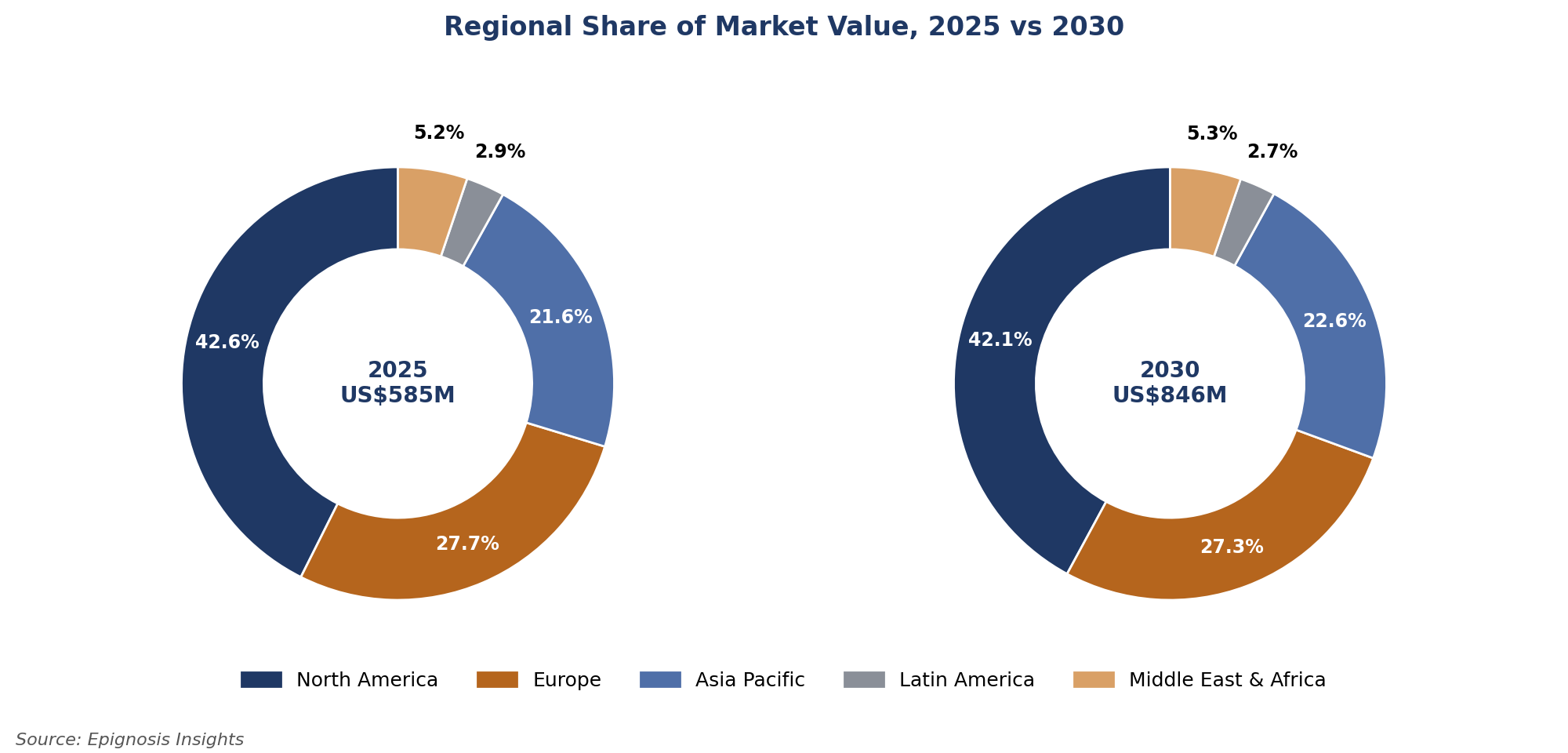
Figure 6: Regional Share of Market Value, 2025 vs 2030
The contrast between value share and volume share is striking. North America consumed about 230.1 million clips in 2024, roughly 58% of the volume consumed in Asia Pacific, yet generated almost exactly twice the revenue. This is driven by price, product mix and channel. North American hospitals buy a higher proportion of branded clip systems, sterile single-use cartridges and premium formats, purchased through group purchasing organizations that negotiate on total system value rather than unit price alone.
Growth rates by region reveal a further pattern. In North America and Europe, value is forecast to grow faster than volume, at 7.6% versus 7.0% and 7.5% versus 7.1% respectively, reflecting modest price increases and a gradual move toward higher-value formats. In Asia Pacific the relationship inverts, with volume growing at 9.5% against value at 8.8%. The Middle East and Africa combines strong growth in both measures, with value expanding at 8.2% and volume at 7.7%, making it the second fastest growing region by value. Latin America is the slowest growing region, with value rising at 6.2% and volume at 5.7%, constrained by currency volatility and public health budget pressure.
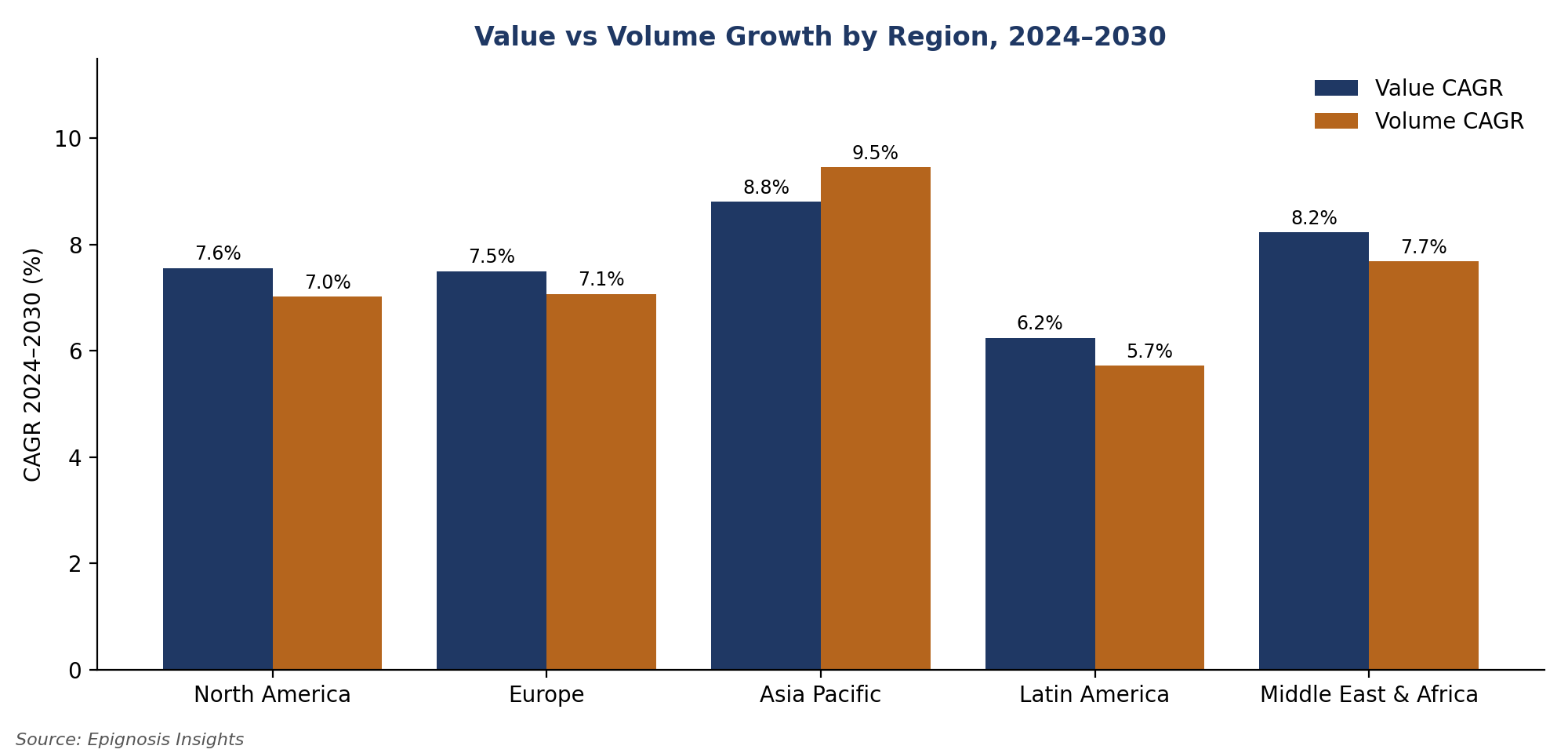
Figure 7: Value vs Volume Growth by Region, 2024–2030
Global Medical Titanium Clips Market: Pricing Analysis
The global average manufacturer selling price for medical titanium clips is estimated at US$0.59 per clip in 2024, declining marginally to US$0.58 by 2030. The global average conceals a wide spread between regions. North America has the highest estimated average price at US$1.00 per clip in 2024, rising to US$1.03 by 2030. Europe follows at US$0.76, then the Middle East and Africa at US$0.54, Latin America at US$0.48 and Asia Pacific at US$0.29.
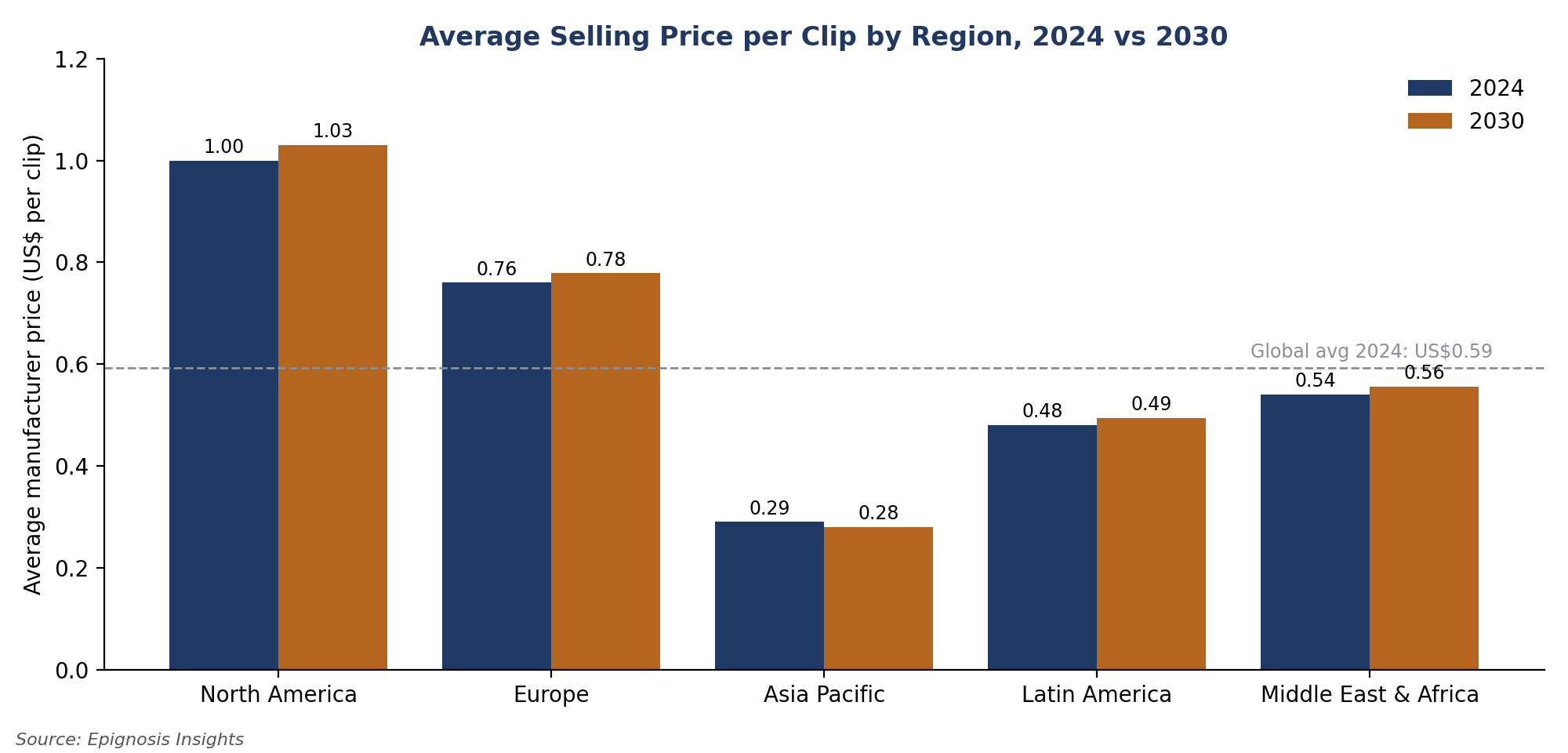
Figure 8: Average Selling Price per Clip by Region, 2024 vs 2030
The reason the global average declines while prices in four of five regions rise is mix. Asia Pacific, the lowest-priced region, is gaining volume share faster than any other region, which pulls the global blended price down even though individual markets are stable or rising. Investors and suppliers should therefore treat the global average price with caution: it reflects the changing geographic composition of demand more than any underlying deflation in clip pricing.
Several factors sustain price differences between regions. Regulatory approval costs in the United States and Europe are significant, and the transition to the European Medical Device Regulation has raised documentation and clinical evaluation requirements for implantable devices. Brand-specific clip and applier systems create switching costs because hospitals stock appliers that accept only compatible cartridges. Service, surgeon training and reliable supply also carry a premium in developed markets. In tender-driven and centralized procurement environments, these premiums are harder to defend, and price converges toward manufacturing cost plus a narrow margin.
Global Medical Titanium Clips Market: Product and Application Landscape
Medical titanium clips are manufactured from commercially pure titanium and supplied in a range of sizes, typically designated small, medium, medium-large and large, to match vessel diameter. The US FDA Global Unique Device Identification Database classifies metallic ligation clips as non-bioabsorbable implants designed to permanently occlude a blood vessel, lymphatic vessel or other tubular structure, for use in both open and laparoscopic surgery. Clips are delivered either as single-fire cartridges loaded into reusable appliers, or in disposable multi-fire appliers that hold a series of clips for rapid sequential application.
General surgery is the largest application, accounting for an estimated 41% of 2025 market value. Cholecystectomy, appendectomy, hernia repair, colorectal resection and bariatric surgery generate the bulk of this demand. Thoracic and cardiovascular surgery represents 15%, where clips are used extensively in vessel harvesting for coronary bypass and in lung resection. Gynecology accounts for 13% and urology for 11%, followed by neurosurgery at 9%, where specialized titanium aneurysm clips are used to occlude cerebral aneurysms. Other applications, including lymph node marking, endocrine and head and neck surgery, account for the remaining 11%.
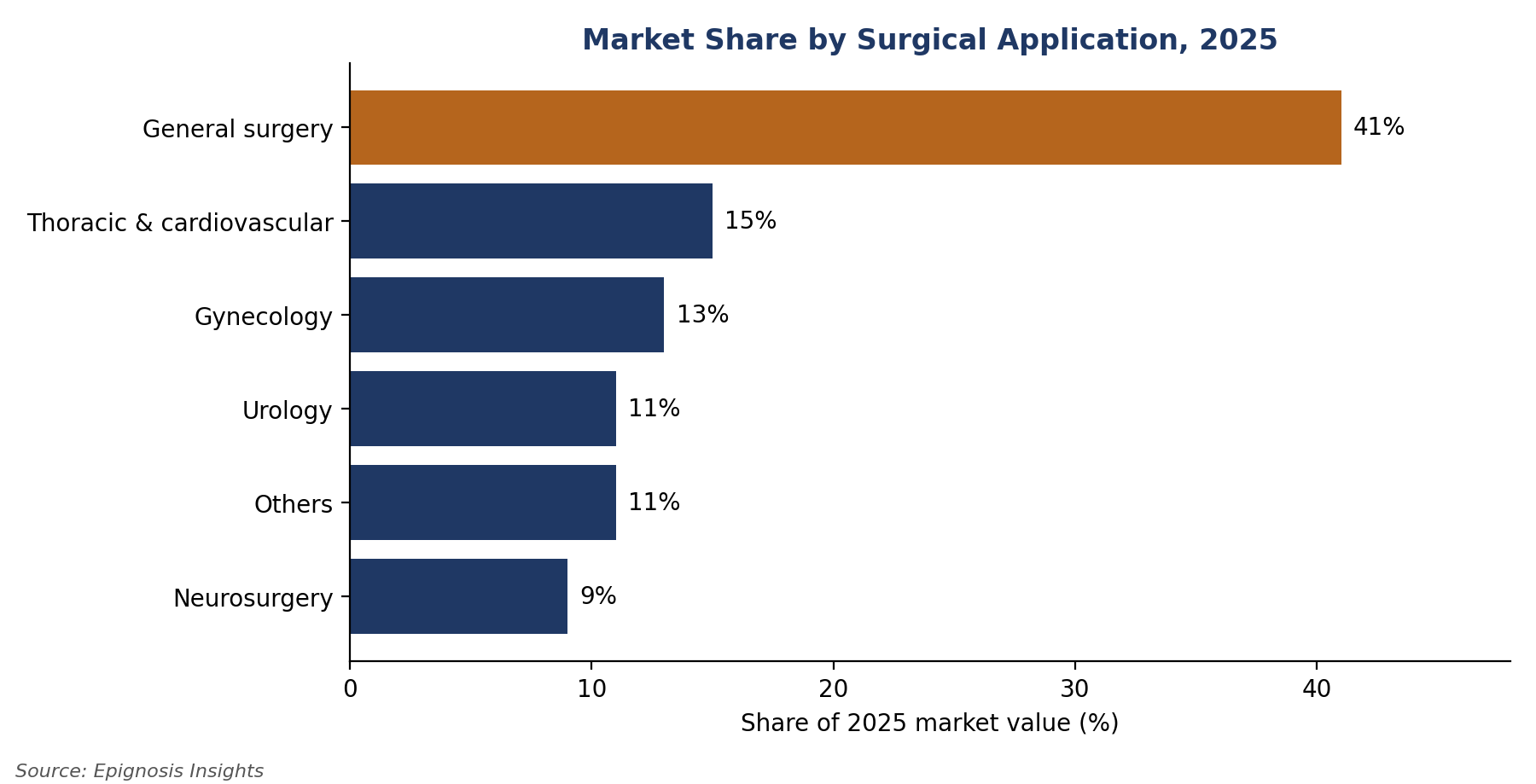
Figure 9: Market Share by Surgical Application, 2025
Neurosurgical aneurysm clips form a distinct, high-value sub-segment. They are spring-loaded, precision-engineered devices produced in hundreds of shapes and lengths, with prices many times higher than those of ligating clips. Their demand is driven by cerebrovascular surgery rather than general surgical volume, and they compete with endovascular coiling and flow diversion. Although small in unit terms, aneurysm clips contribute disproportionately to value and are supplied by a narrow group of specialized manufacturers.
Format choice is evolving in line with surgical practice. Disposable multi-fire appliers save operating time in laparoscopic surgery and eliminate reprocessing, which supports their adoption in high-income markets. Single-fire cartridges with reusable appliers remain dominant in cost-sensitive systems because the per-procedure cost is lower. This divergence reinforces the regional price gap and means suppliers increasingly need both formats to compete across geographies.
Global Medical Titanium Clips Market: Competitive Landscape
Key companies analyzed within the global medical titanium clips market are: Teleflex (Weck), Johnson & Johnson MedTech (Ethicon), Medtronic, B. Braun (Aesculap), Grena, Peters Surgical (Vitalitec), Mizuho Corporation, Peter Lazic, Hangzhou Kangji Medical, Kanghua Medical, and other regional manufacturers in China, India and South Korea.
Recent Strategic Developments
Portfolio restructuring among the leading multinationals has been a defining theme. In December 2025, Teleflex agreed to sell its Acute Care and Interventional Urology businesses to Intersurgical and its OEM business to Montagu and Kohlberg, and completed the OEM divestiture on 3 August 2026, according to its quarterly filing with the US Securities and Exchange Commission. The Weck surgical clip franchise sits in Teleflex's retained surgical portfolio, so the restructuring sharpens rather than reduces the company's focus on surgical ligation.
Ownership change is also reshaping the Chinese segment. Hangzhou Kangji Medical, which manufactures disposable titanium and polymer ligation clips alongside trocars and other minimally invasive instruments, was taken private by a consortium led by TPG, with the transaction valued at approximately US$1.4 billion and the company's Hong Kong listing withdrawn in December 2025. Private ownership gives Kangji greater freedom to pursue aggressive pricing in volume-based procurement and to invest in capacity without public market scrutiny of short-term margins.
Peters Surgical continues to supply titanium hemostatic clips under the Vitalitec brand, manufactured from pure Grade 1 titanium to ISO 5832-2 and positioned as non-magnetic for compatibility with MRI scanning. Product claims of this kind highlight how titanium suppliers are emphasizing imaging compatibility and material purity to defend titanium against polymer alternatives.
Epignosis Insights Competitive Assessment Framework (EICAF)
The Epignosis Insights Competitive Assessment Framework (EICAF) for the global medical titanium clips market evaluates companies across 10 weighted parameters. Product quality and clip security receives the highest weight at 15%, because clip slippage or failure carries direct patient safety consequences. Regulatory approvals and market access receives 13%, reflecting the cost and time of maintaining registrations across the United States, Europe, China and other jurisdictions. Applier ecosystem and installed base and manufacturing scale and capacity each receive 12%, recognizing that the installed base of compatible appliers locks in recurring clip demand and that scale is decisive in tenders. Price competitiveness receives 11%, geographic reach and distribution 10%, portfolio breadth 8%, clinical evidence and surgeon training 7%, innovation pipeline 7% and supply reliability 5%. The total weighting equals 100%.
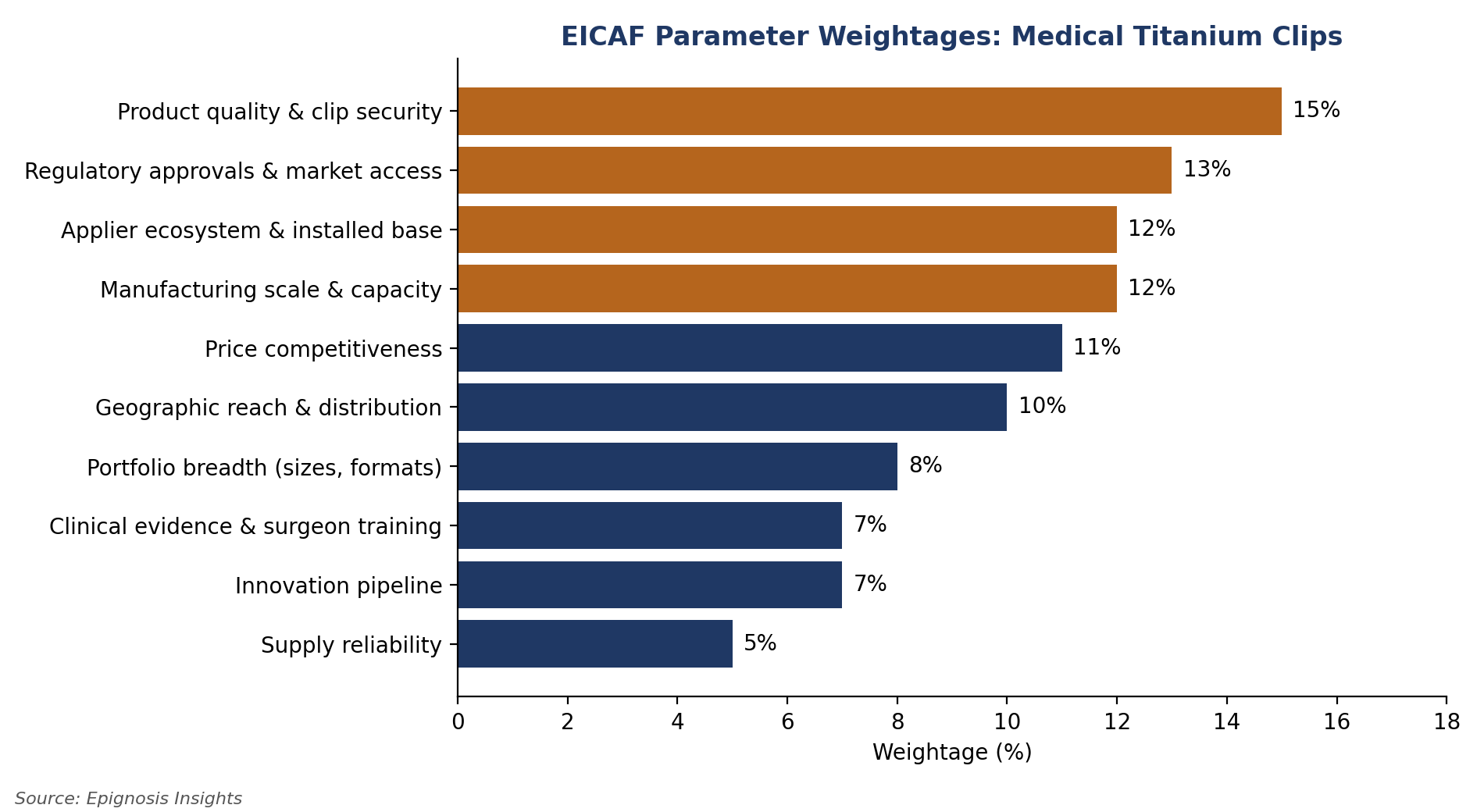
Figure 10: EICAF Parameter Weightages: Medical Titanium Clips
EICAF Scoring Method
Each company is assigned a score from 1 to 5 against every parameter, with the weighted score calculated as Company Score × Parameter Weightage. The resulting EICAF score enables a structured comparison of competitive capability that does not rely solely on revenue or market share. This is particularly relevant to titanium clips because companies compete through very different models: multinational system suppliers with large applier installed bases in high-income markets, specialist European manufacturers with niche portfolios, neurosurgical clip specialists, and high-volume Asian manufacturers competing on cost in tenders and centralized procurement.