
Procurement Analysis: Sourcing Strategy in the U.S. Industrial Filtration Market
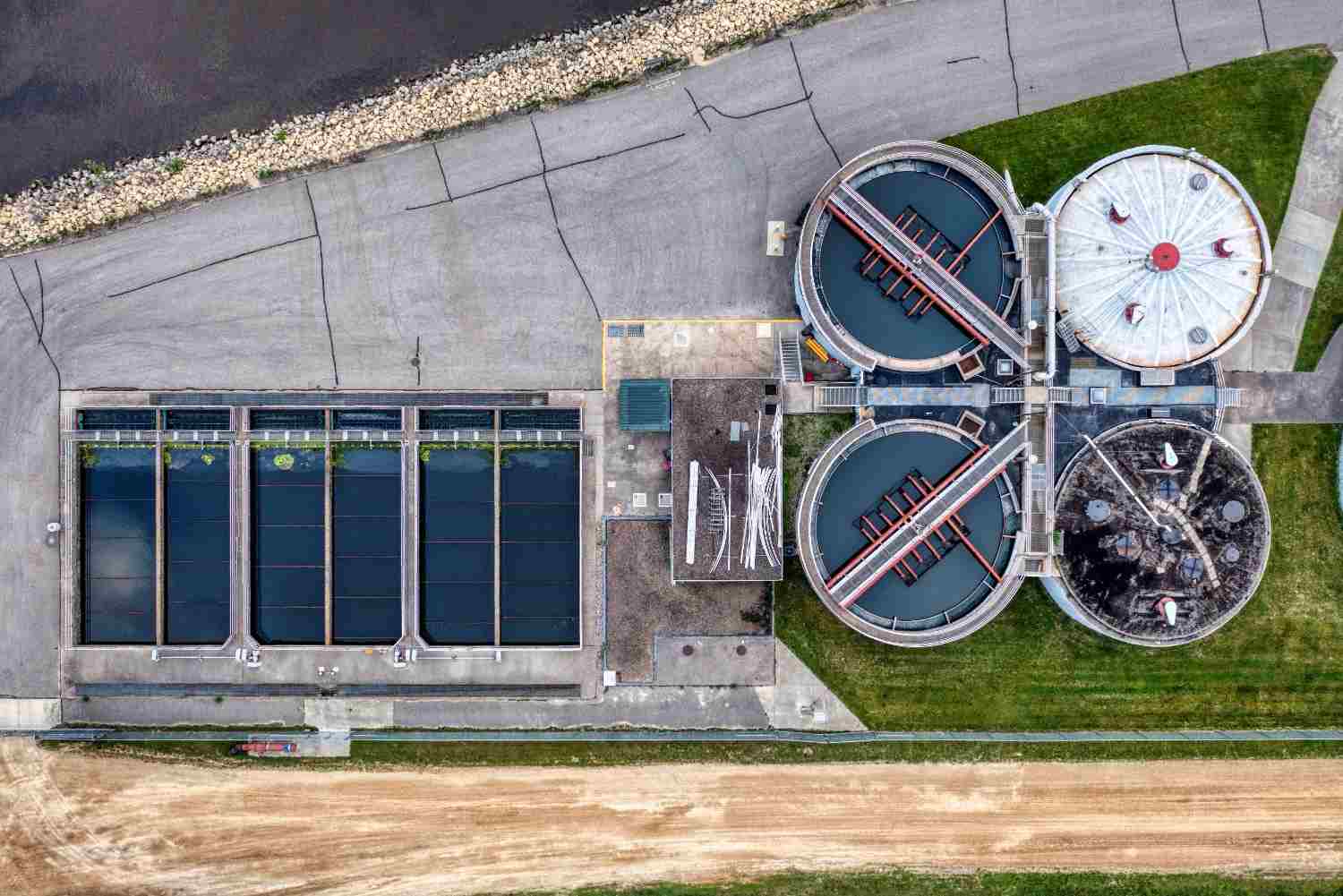
Procuring industrial filtration equipment in the United States has become a more complex exercise than simply selecting a vendor and placing an order. Long lead times, import exposure, trade policy volatility and price fluctuation now all factor into how procurement teams plan and budget for both new installations and recurring replacement purchases.
Long Lead Times Are Reshaping Procurement Planning
Integrated filtration system installation lead times of approximately 20 to 40 weeks are increasing project carrying costs and delaying commissioning for buyers, particularly where filtration is bundled with pumps, pressure vessels, ductwork, automation, sensors, containment systems and monitoring equipment rather than purchased as a standalone unit. This lead time reality forces procurement teams to place orders well ahead of a facility's planned production start date, adding schedule risk to any project where the filtration specification changes late in design. It also elevates the importance of early vendor engagement, since a specification change discovered after ordering can push a facility's commissioning date back by months rather than weeks.
Import Dependence Creates Exposure to Trade Policy
Imported filtration hardware and media account for approximately 30% to 40% of U.S. demand, a dependence that has become materially more expensive to manage. Boston Consulting Group's analysis of the 2025 steel and aluminum tariff expansion, which raised duties as high as 50% by June 2025, estimated the changes would add US$22.4 billion to the cost of imported steel and aluminum products and up to a further US$29 billion for derivative products, while expanding the volume of affected steel imports from roughly 7 million to 26 million metric tons. Trade policy has continued to shift since: the Associated Press reported that a June 2026 executive order lowered tariffs on select industrial and HVAC equipment categories to 15% from 25%, illustrating that procurement teams sourcing filtration housings, media and components internationally must continuously reassess landed cost rather than relying on a fixed tariff assumption.
Price Volatility Complicates Budgeting for Specialty Media
Specialty filtration media prices fluctuate by approximately 8% to 15% annually, creating additional uncertainty in project budgeting. This volatility is consistent with broader manufacturing input cost trends: the Institute for Supply Management's Manufacturing PMI report for March 2026 recorded its Prices Index at 78.3, the highest level since June 2022, alongside a Supplier Deliveries Index of 58.9, marking an eighth consecutive month of slowing deliveries. For filtration procurement teams, this combination of rising input prices and lengthening supplier lead times means fixed-price, fixed-schedule assumptions built into a project budget can become outdated within a single procurement cycle.
Integrated System Purchases Concentrate Procurement Risk
Integrated filtration systems, which bundle equipment, housings, pumps, valves, instrumentation, controls, installation, engineering, commissioning and validation, account for approximately 40% to 50% of new equipment value in the U.S. industrial filtration market. Because this structure consolidates many previously separate purchase decisions into a single vendor relationship, procurement teams face concentrated supplier risk: a single vendor's delay, quality issue or cost overrun can affect an entire integrated system rather than one component. This has increased the importance of vendor due diligence, and it is also driving interest in financing and service-based procurement models, such as leasing, vendor-managed inventory and performance-based contracts, that spread capital outlay and risk across the life of the equipment rather than concentrating it at the point of purchase.
Conclusion
Procurement strategy in the U.S. industrial filtration market now has to account for schedule risk, import cost exposure, price volatility and concentrated vendor risk simultaneously. Procurement teams that build tariff sensitivity, extended lead times and flexible financing structures into their sourcing plans from the outset are better positioned to avoid budget overruns and schedule slippage than those treating filtration procurement as a simple purchase-order transaction. As integrated systems continue to represent a growing share of new equipment value, the procurement function is increasingly acting as a risk-management discipline rather than a purely transactional buying process.